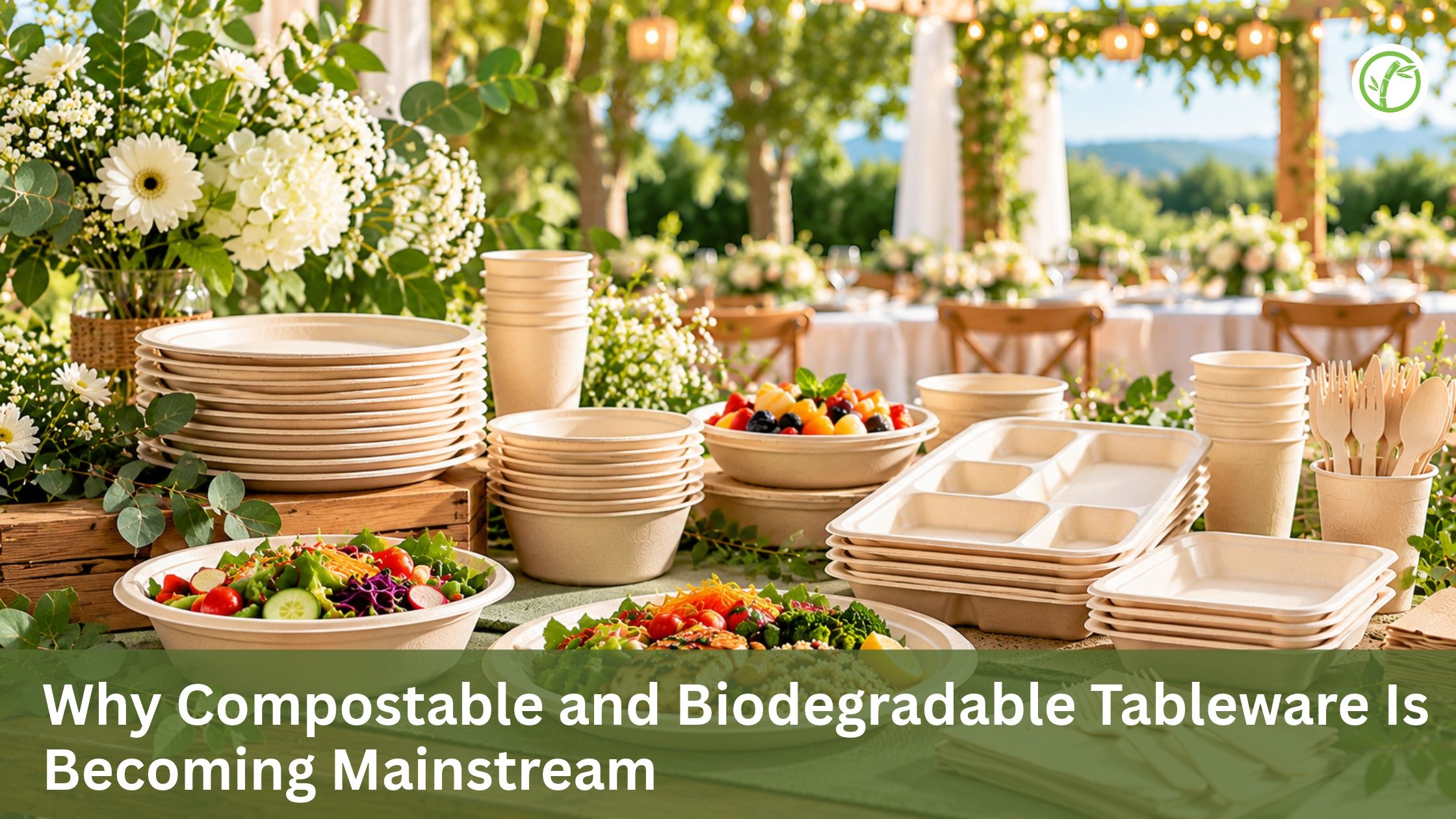
Why Compostable and Biodegradable Tableware Is Becoming Mainstream
But “mainstream” doesn’t mean every eco-labeled product is welcome everywhere. Countries define banned items differently, and that decides what a buyer can sell where.
But “mainstream” doesn’t mean every eco-labeled product is welcome everywhere. Countries define banned items differently, and that decides what a buyer can sell where.
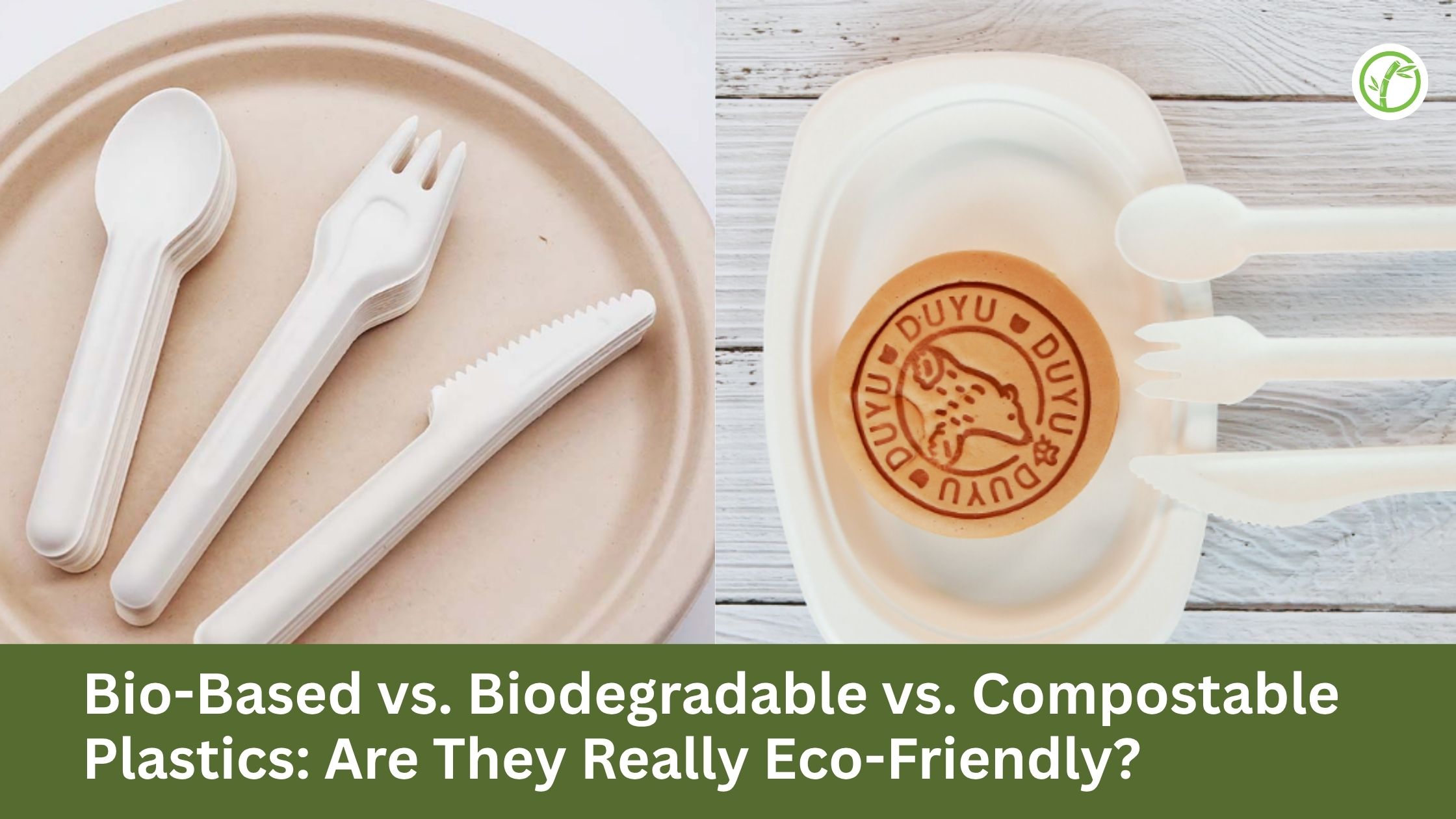
A plant-based bottle can be chemically identical to a petroleum one. A “compostable” fork can sit in a landfill for years. And in the EU and England, single-use cutlery and plates made from these plastics are already banned.
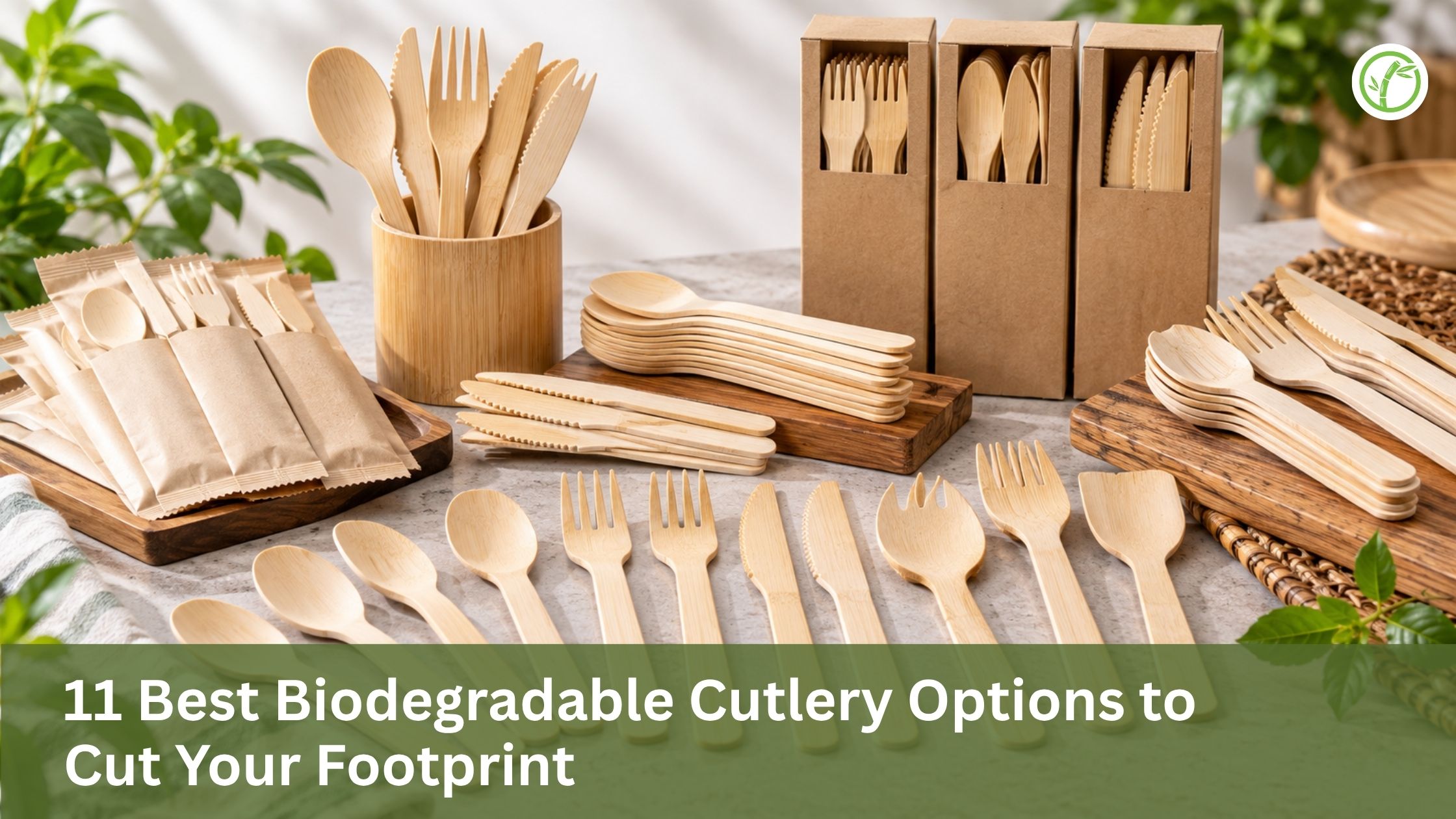
This guide breaks down the 11 best biodegradable cutlery options — their strengths, limitations, heat tolerance, and composting requirements — so you can match the right material to your business.
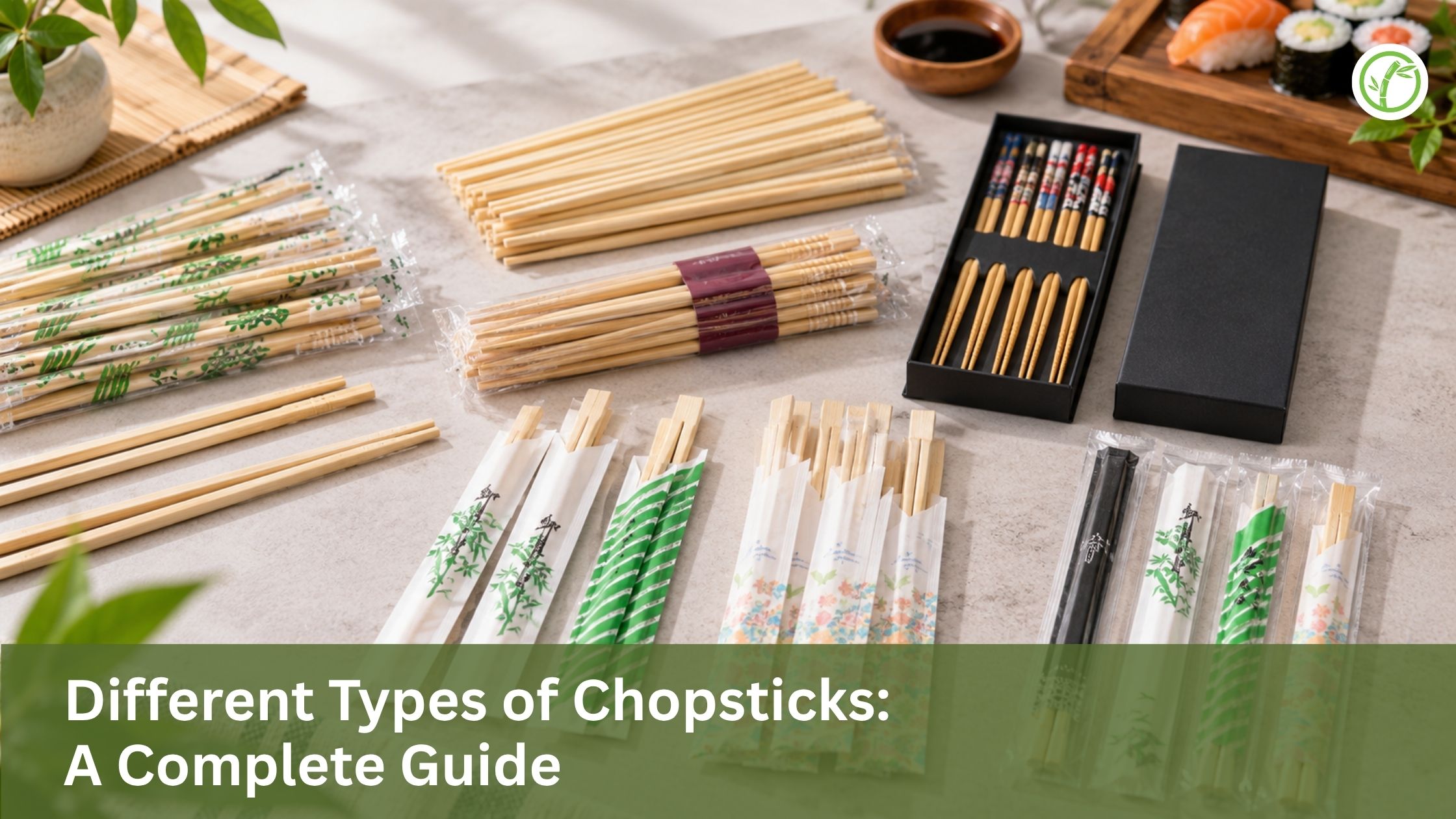
Chopsticks are one of the oldest eating tools still in everyday use and one of the most misunderstood by the businesses that buy them. Billions of people reach for a pair every day, yet the differences between a Chinese, Japanese, or Korean chopstick, or between bamboo and lacquered wood, are exactly the details that decide … Read more
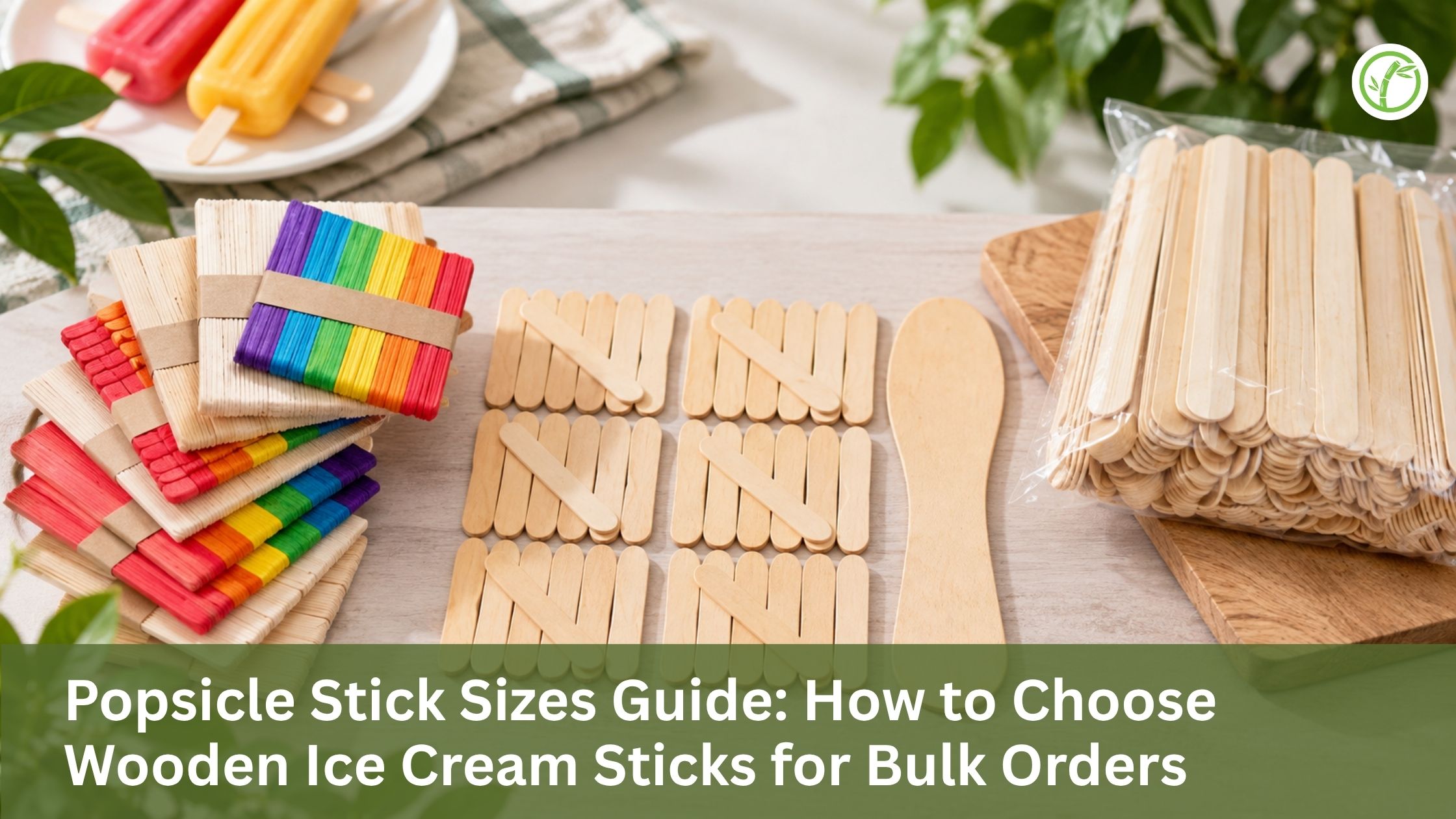
Popsicle stick sizes fall into four standard bands: mini (55–65mm), small/classic (93–94mm), standard (114mm), and jumbo (140–150mm), with widths typically 9–11mm and thickness around 2mm.
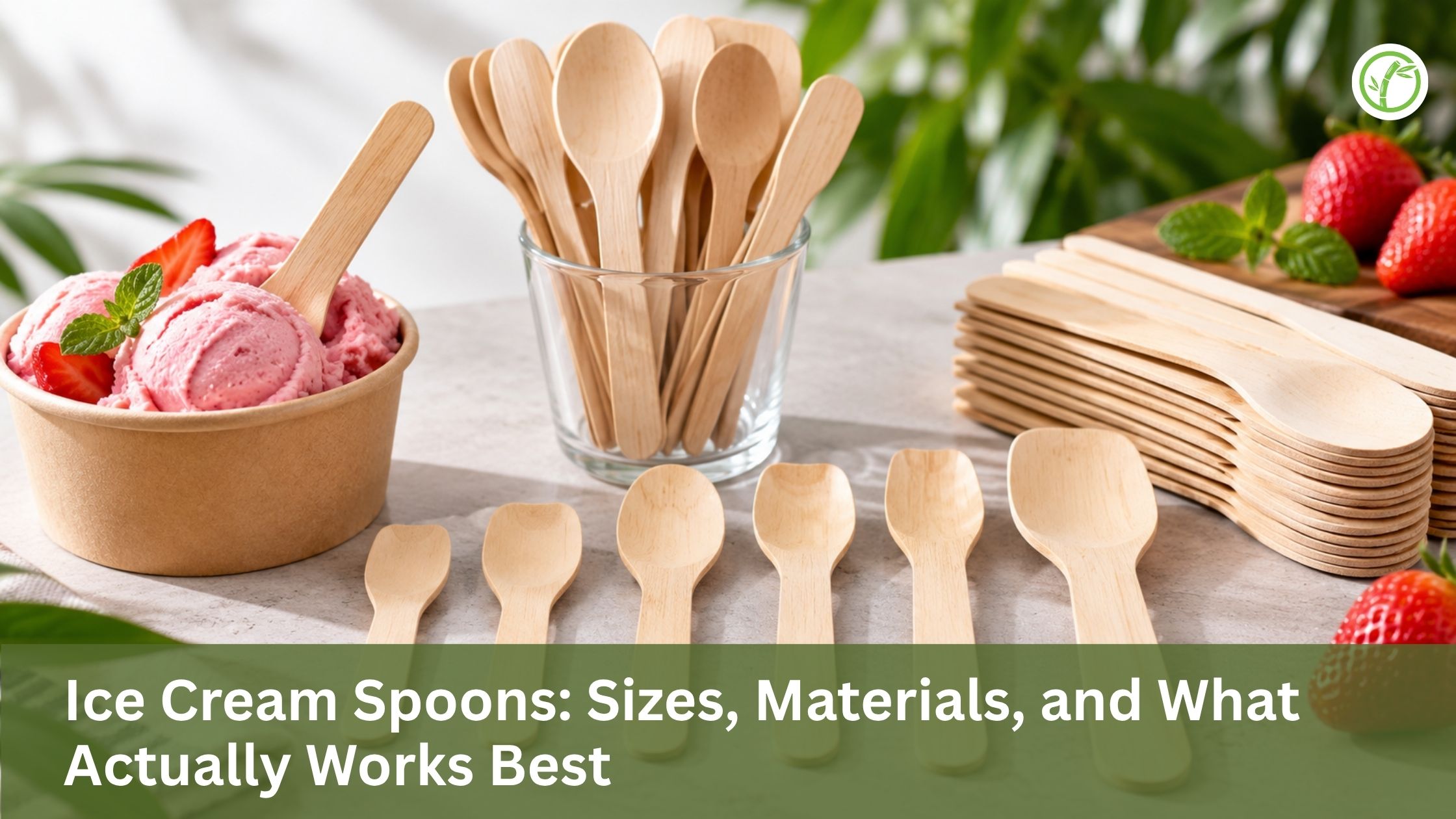
Ice cream spoons are built differently from regular teaspoons on purpose: a flatter, wider bowl and a shorter, sturdier handle designed to cut into hard-frozen product rather than scoop soft food, and they typically range from a 75mm mini tasting size up to a full 5.5-inch serving spoon
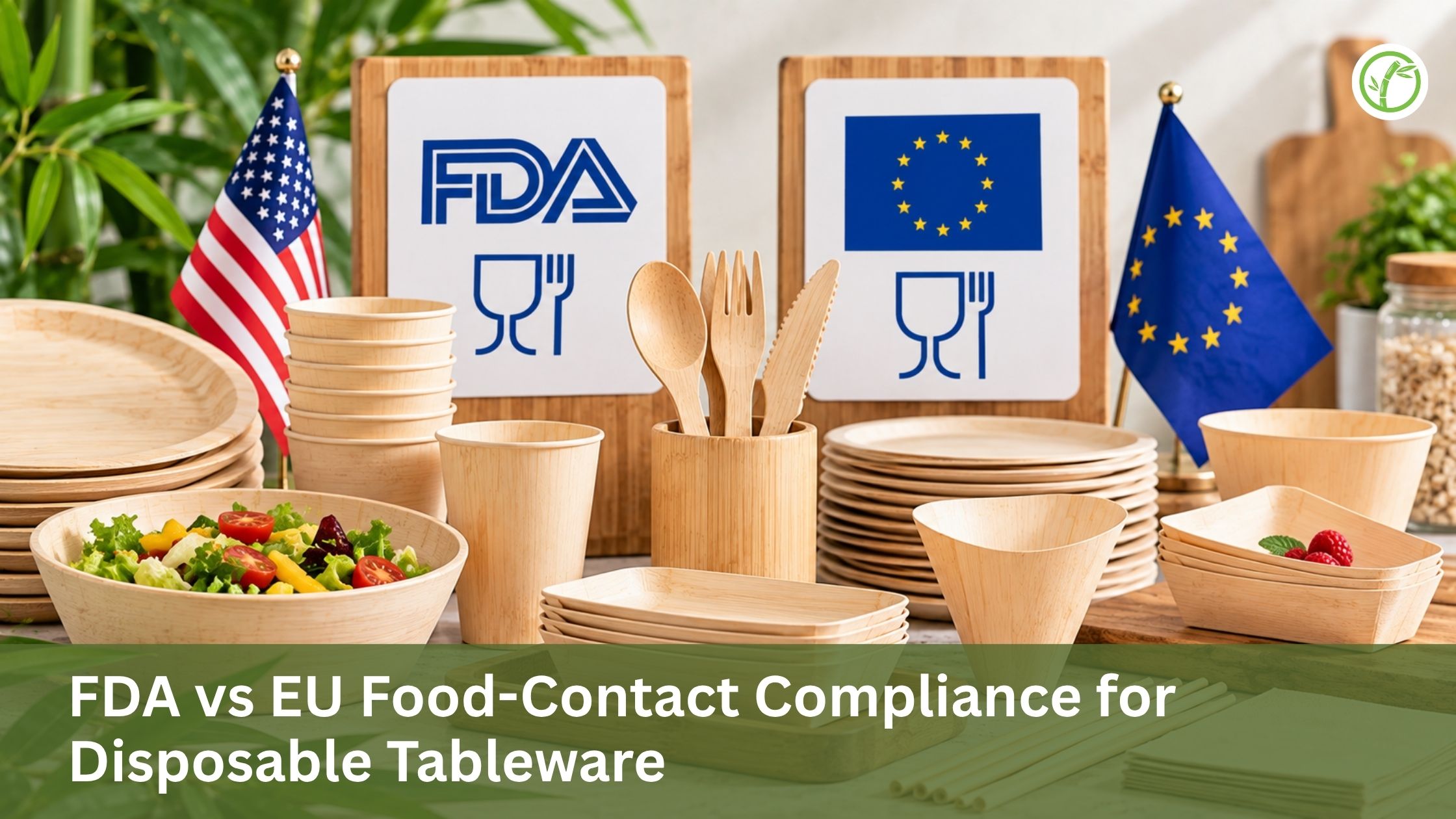
For a buyer sourcing the same disposable plate or fork into both markets, that difference shows up as two separate documentation packages, two different testing approaches, and, as of 2026, two very different PFAS rules — not one certificate that happens to satisfy both.
This guide breaks down market size, buyer segments, sourcing economics, and legislative drivers that B2B buyers and distributors need to plan around.
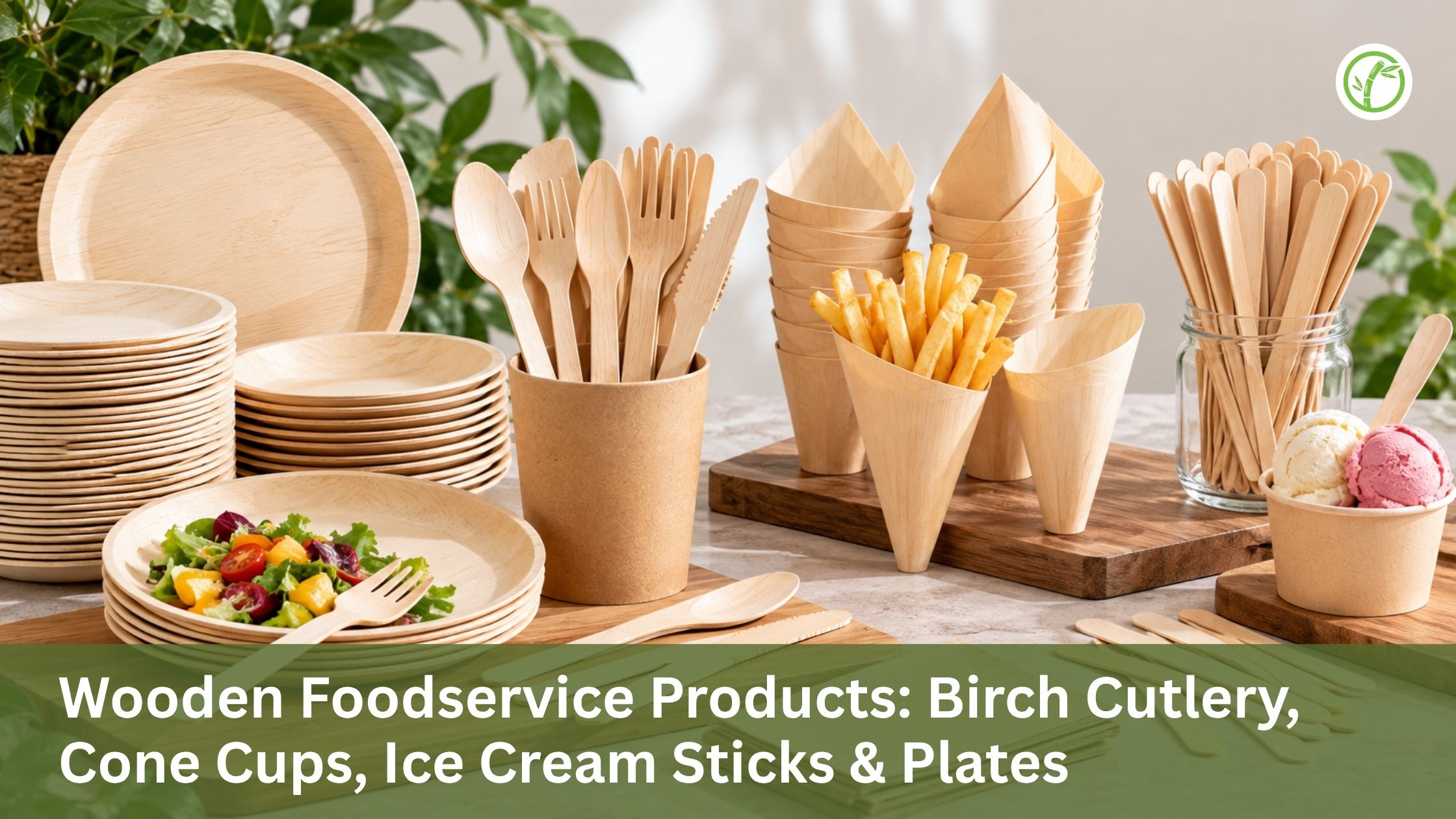
The questions restaurants, event companies, and food brands ask most about wooden products tend to fall into three groups: what they’re made from and whether that matters
Starting an eco-friendly tableware distribution business involves seven core steps
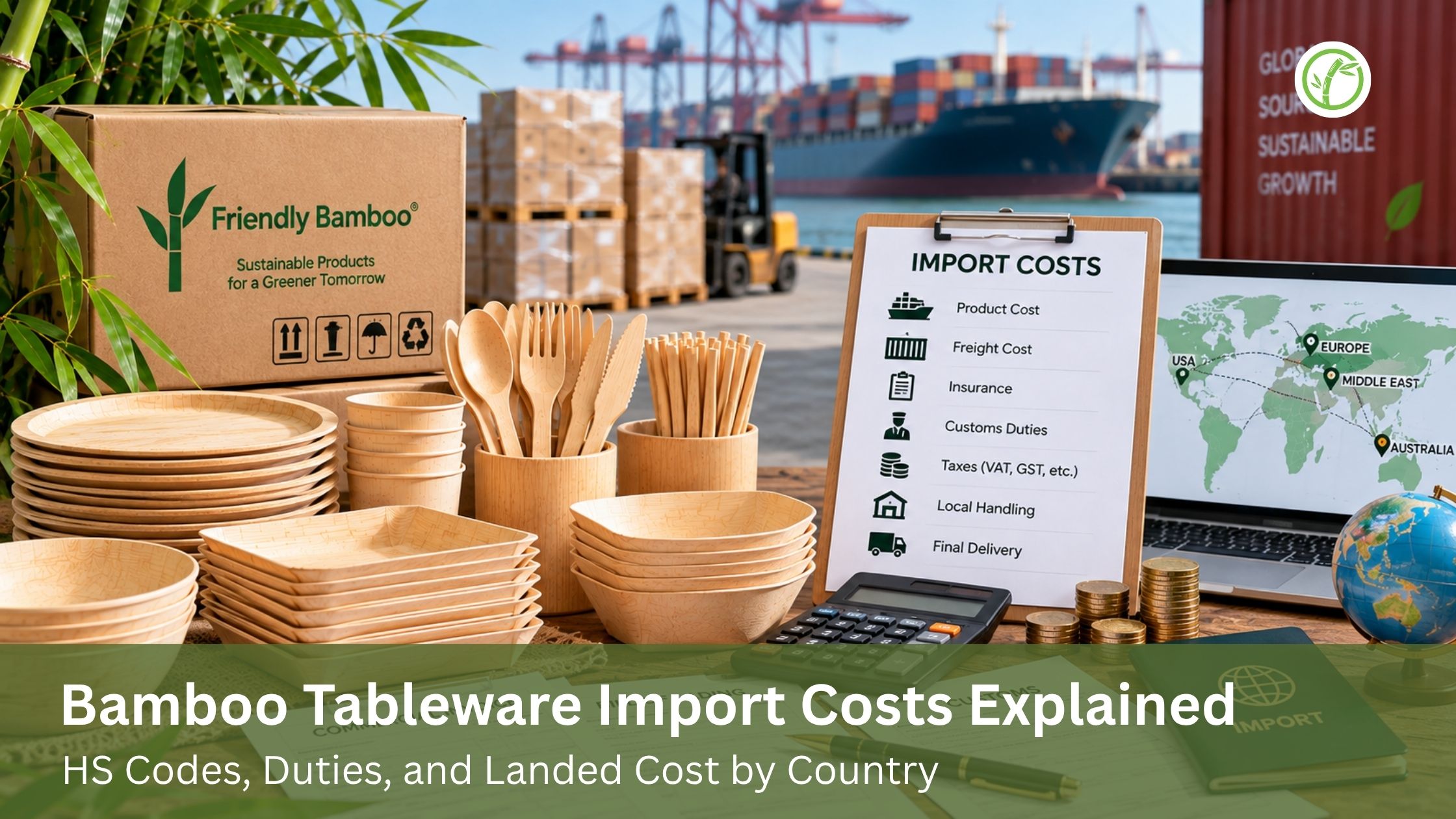
As of 2026, single-use plastic plates, cutlery, straws, stirrers, balloon sticks, cotton buds, and expanded polystyrene (EPS) food and beverage containers remain banned from sale across the EU under Directive (EU) 2019/904

Eco-friendly tableware certifications verify a product’s sustainability claims, material safety, and compostability. Key certifications like BPI and ASTM D6400 guarantee that items made from plant-based materials like sugarcane or bamboo actually break down in commercial composting facilities
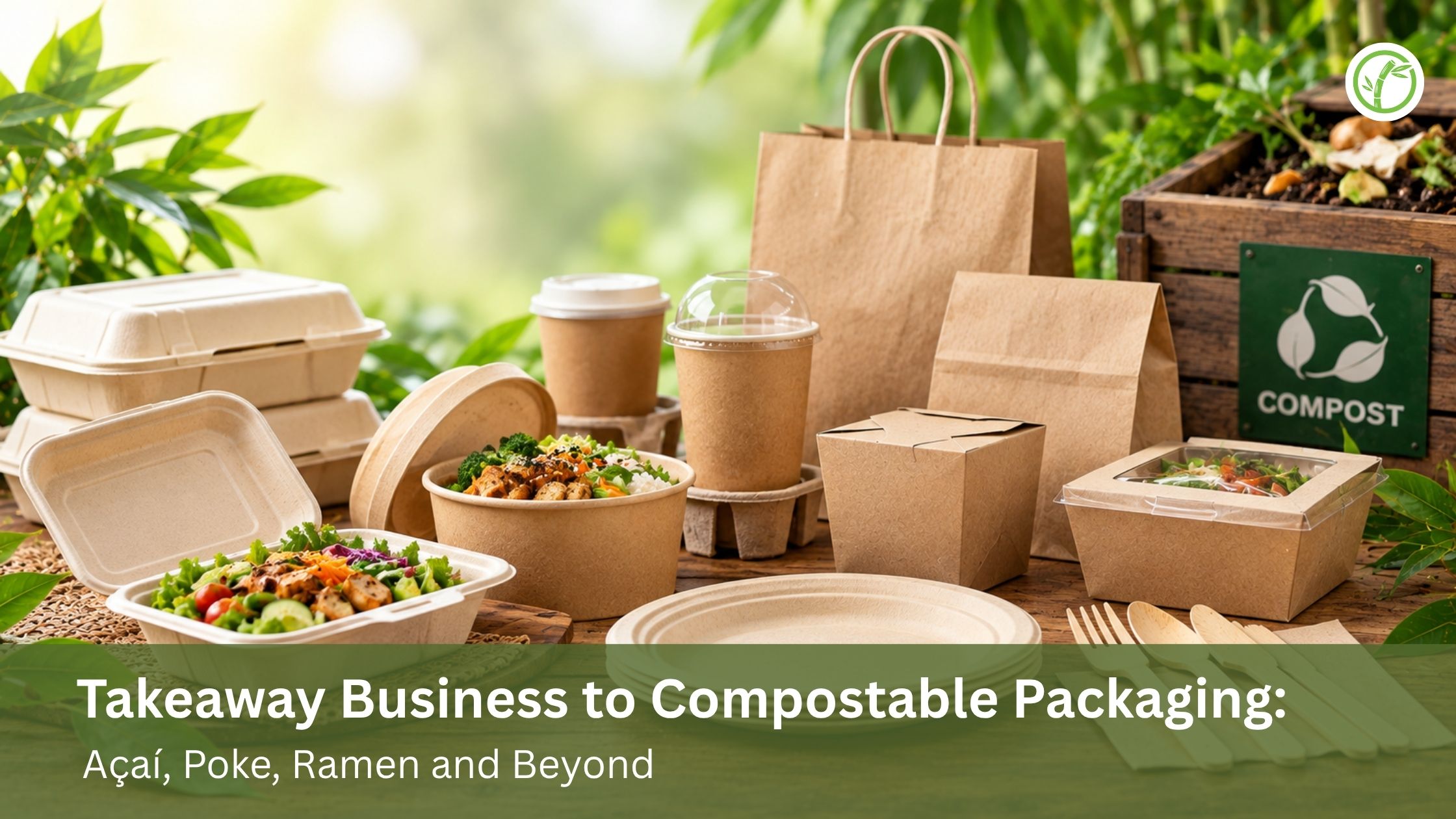
Switching your takeaway business to 100% compostable packaging sounds like a large project. In practice, it is a series of straightforward individual product decisions, each with a clear bagasse or natural-material alternative, a certified supplier, and a procurement process that fits within a single ordering cycle.
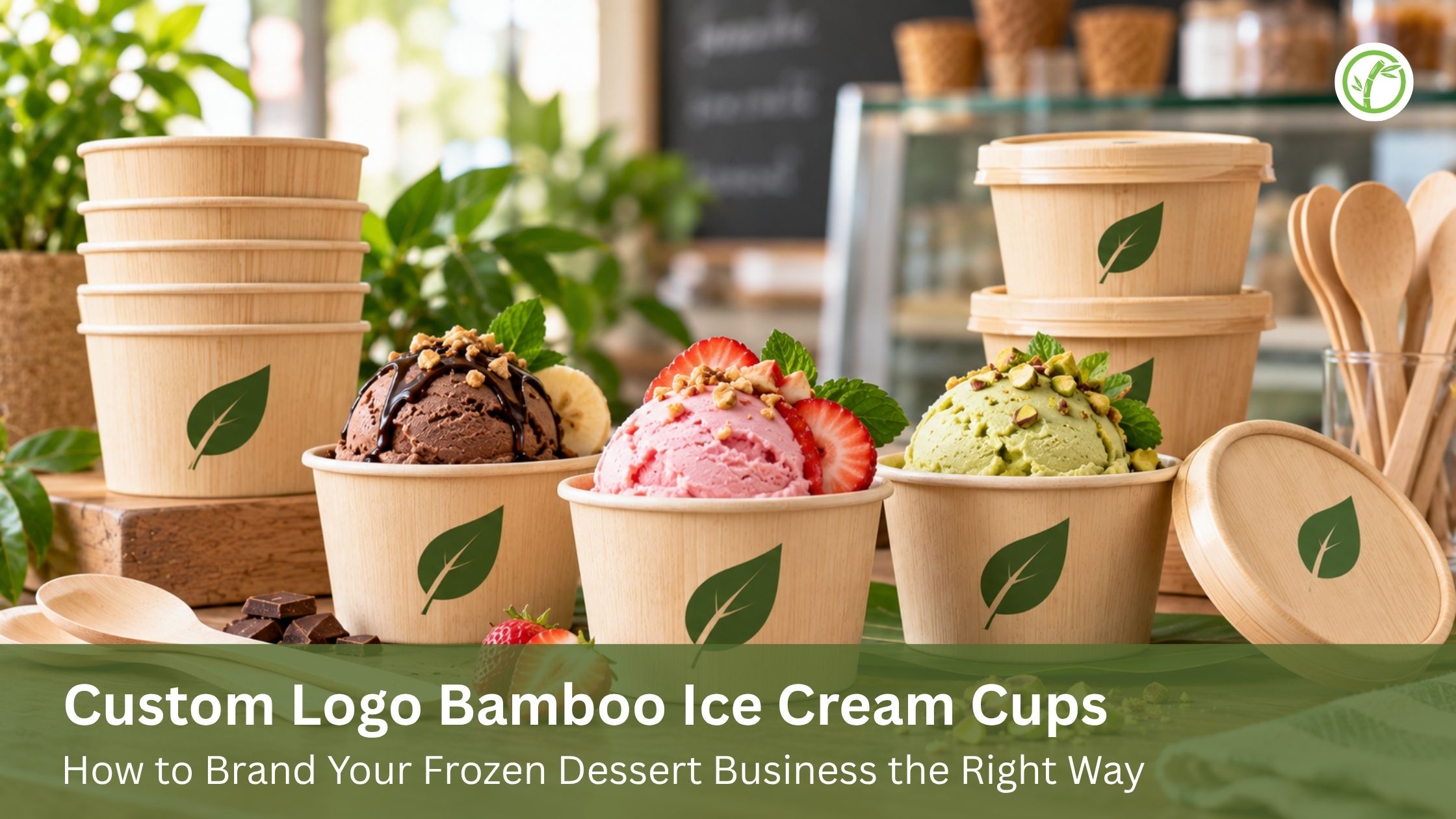
Your ice cream is the star. But in a crowded frozen dessert market, whether you are scooping at a pop-up, supplying a retail chain, running a gelato bar, or selling at a food festival, the cup your ice cream sits in is the first thing a customer sees, the thing they carry, and often the thing they photograph.
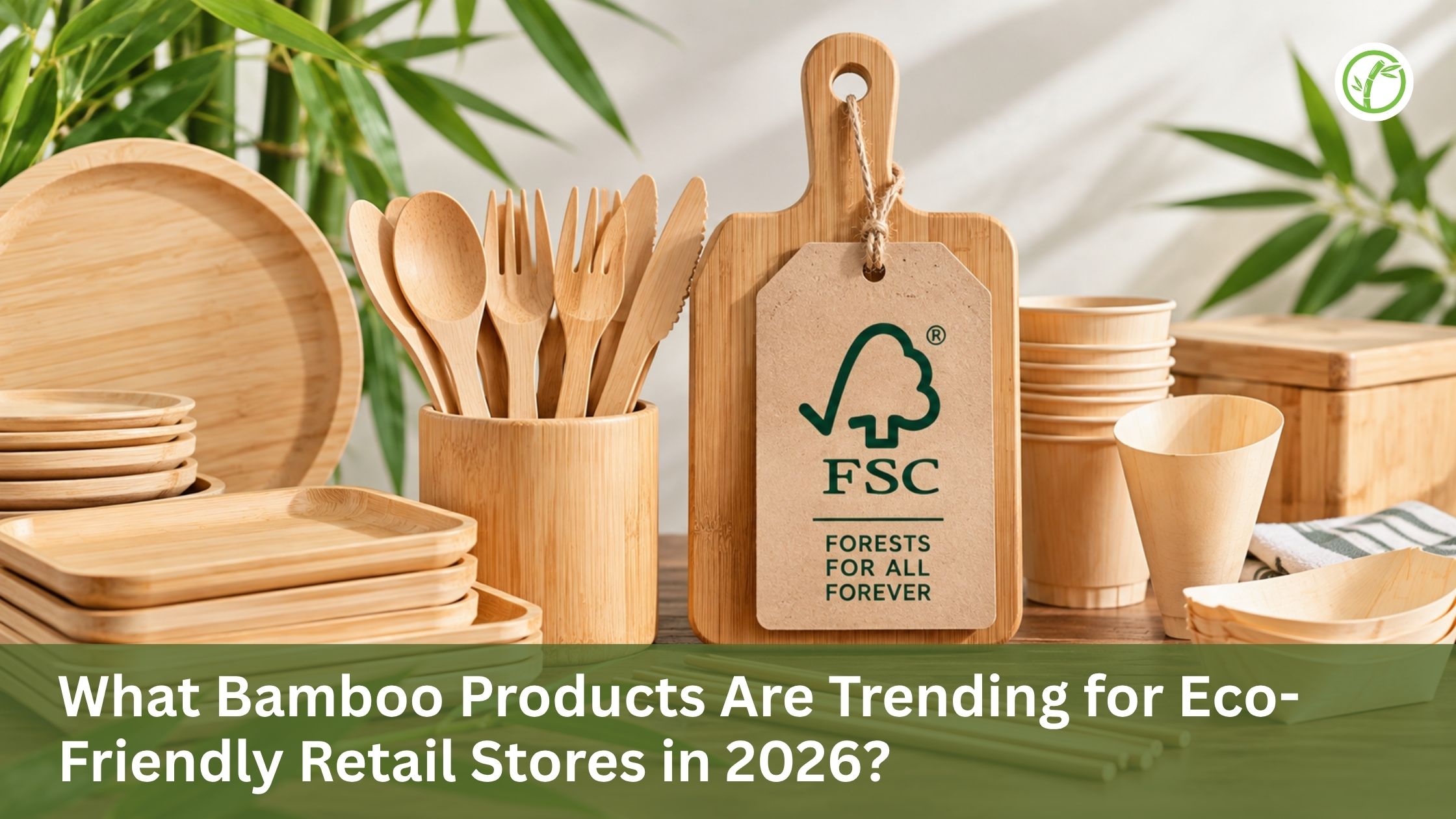
tableware, bamboo straws and cocktail picks, kitchen utensils, toothbrushes, home décor items, and bamboo-fiber textiles, all driven by plastic bans, rising consumer sustainability awareness, and a global market now valued at over USD 87 billion.