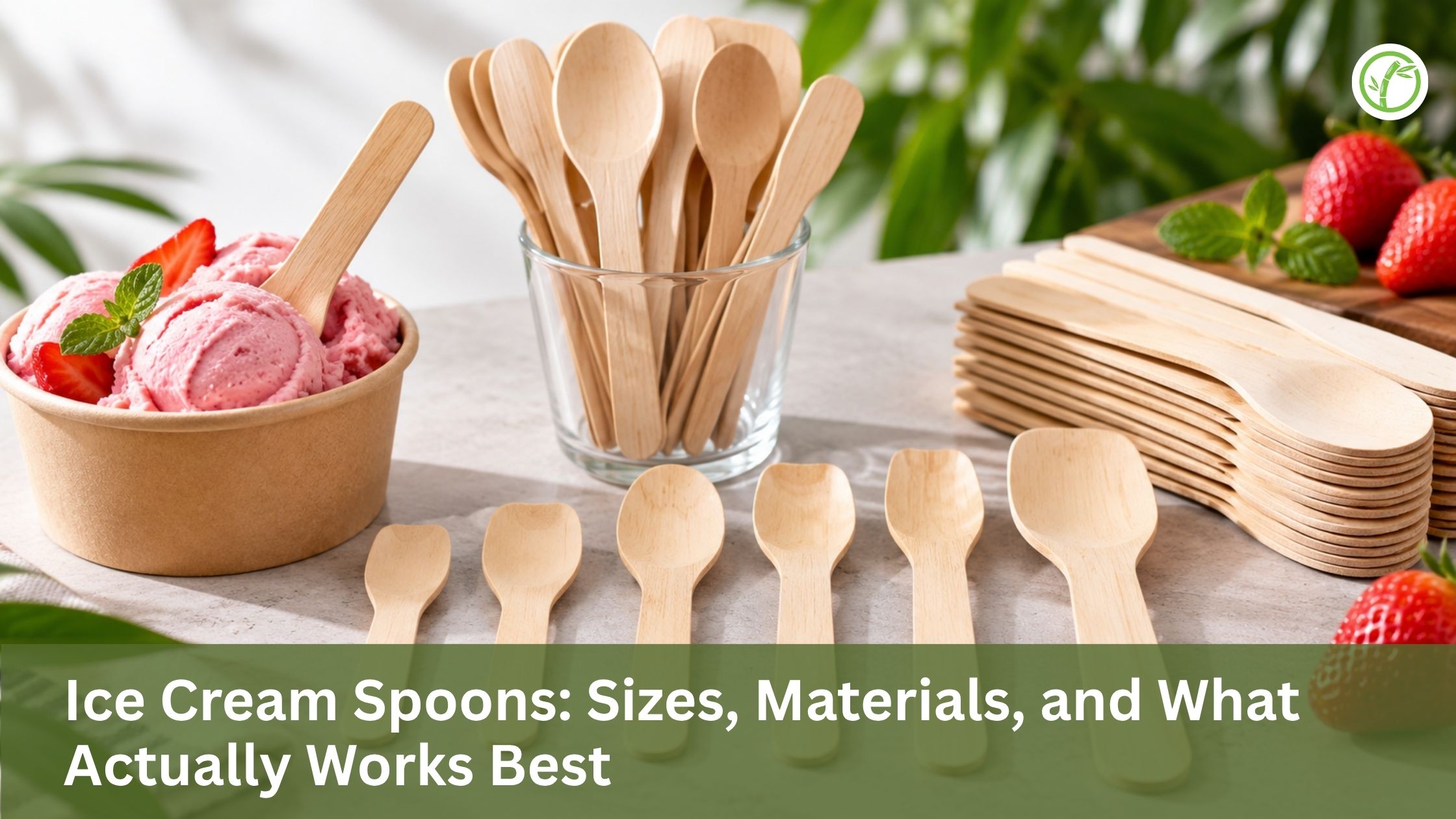
Ice cream spoons are built differently from regular teaspoons on purpose: a flatter, wider bowl and a shorter, sturdier handle designed to cut into hard-frozen product rather than scoop soft food, and they typically range from a 75mm mini tasting size up to a full 5.5-inch serving spoon. The material matters just as much as the shape: a spoon that flexes or softens while trying to cut into a scoop of hard ice cream defeats the purpose regardless of how well it’s shaped. Here’s what actually distinguishes a good ice cream spoon from a generic disposable one.
What Makes an Ice Cream Spoon Different From a Regular Spoon?
A standard teaspoon is built for liquid and soft food — a deep, rounded bowl that scoops and holds. An ice cream spoon works against a harder resistance entirely: hard-frozen or semi-frozen product that needs to be cut into and lifted, not just scooped. That’s why ice cream spoons are typically flatter and wider across the bowl, with a straighter, thinner leading edge that can actually shear into a firm scoop rather than glance off the surface. The handle tends to be shorter and stockier too, since the leverage needed to cut through hard ice cream is different from the leverage needed to stir a drink or eat soup.
Standard Ice Cream Spoon Sizes
| Size | Typical Use |
| 75mm | Mini tasting spoons, sample cups, ice cream machine dispensing |
| 80mm (~3.15 in) | Small dessert or gelato spoons, sample sizes |
| 95–100mm | Standard mini spoon for individual dessert cups, yogurt, pudding |
| 3.8–3.9 in (~97–99mm) | Tasting and sampling spoons at ice cream parlors and events |
| 4.3 in | Full mini-dessert spoon, common for gelato and specialty scoops |
| 5.5 in | Full-size ice cream or sundae spoon |
Smaller sizes (75mm–100mm) dominate the tasting and sampling end of the market ice cream shops handing out free samples, gelato counters, and food festivals — while the 4.3–5.5 inch range covers a full dessert serving meant to be eaten start to finish rather than sampled in one or two bites.
Ice Cream Spoon Materials Compared
| Material | Rigidity | Feel | Best For |
| Plastic | Variable — cheap plastic flexes and can snap | Can feel thin or brittle | Budget sampling, high-volume low-cost giveaways |
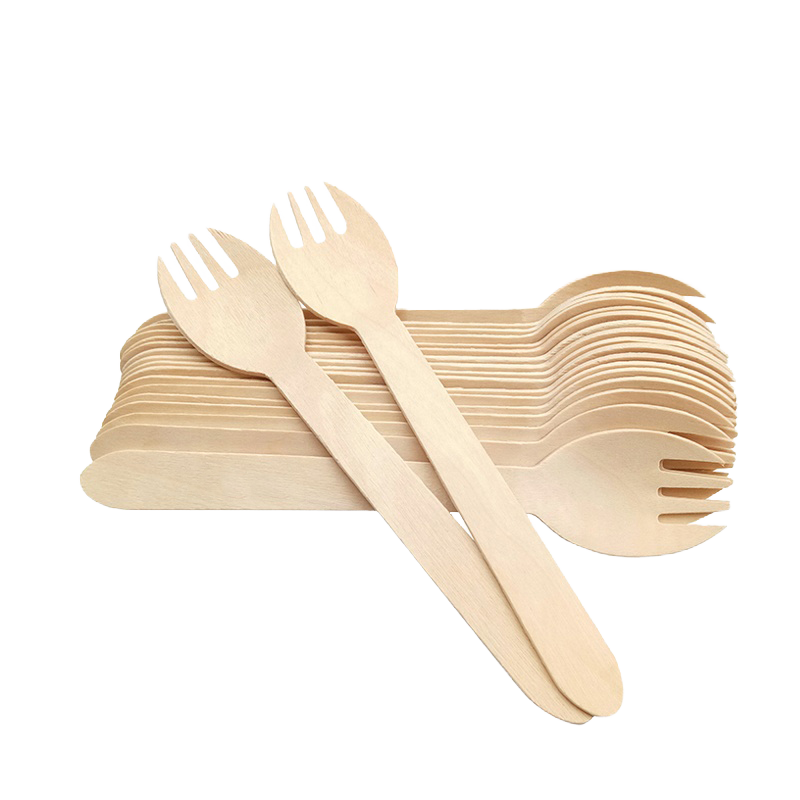
| Wood (birch) | Good, but softer than bamboo | Slightly rougher grain unless well-sanded | Standard disposable dessert service |
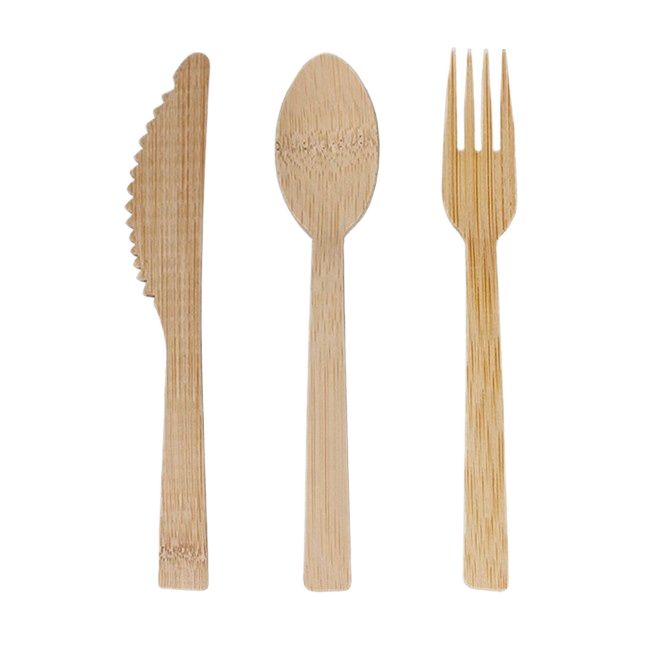
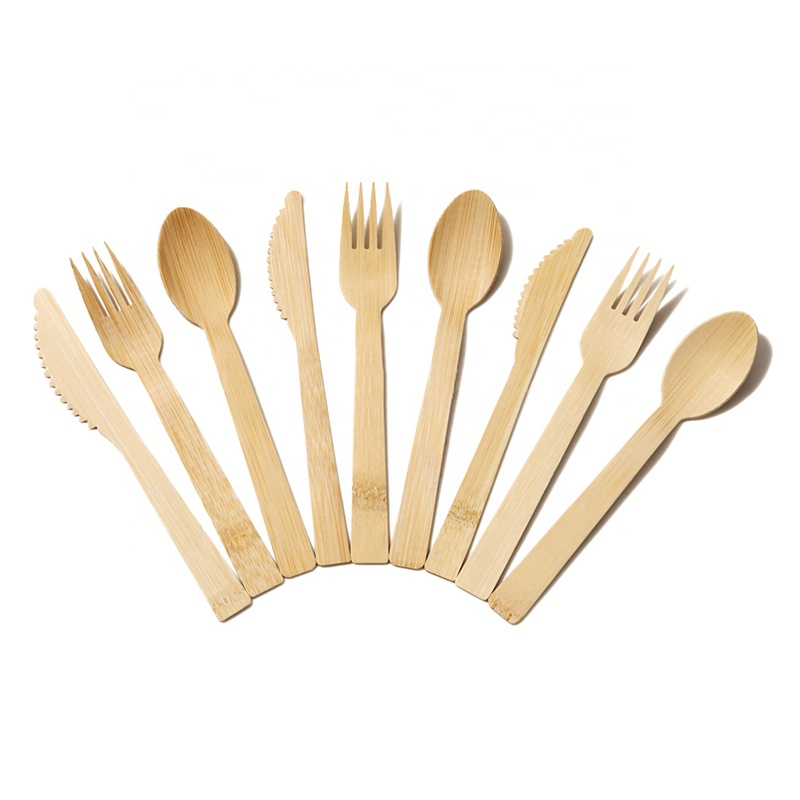
| Bamboo | Highest rigidity of the disposable options | Smooth, splinter-free with proper finishing | Premium gelato, ice cream parlors, catering |
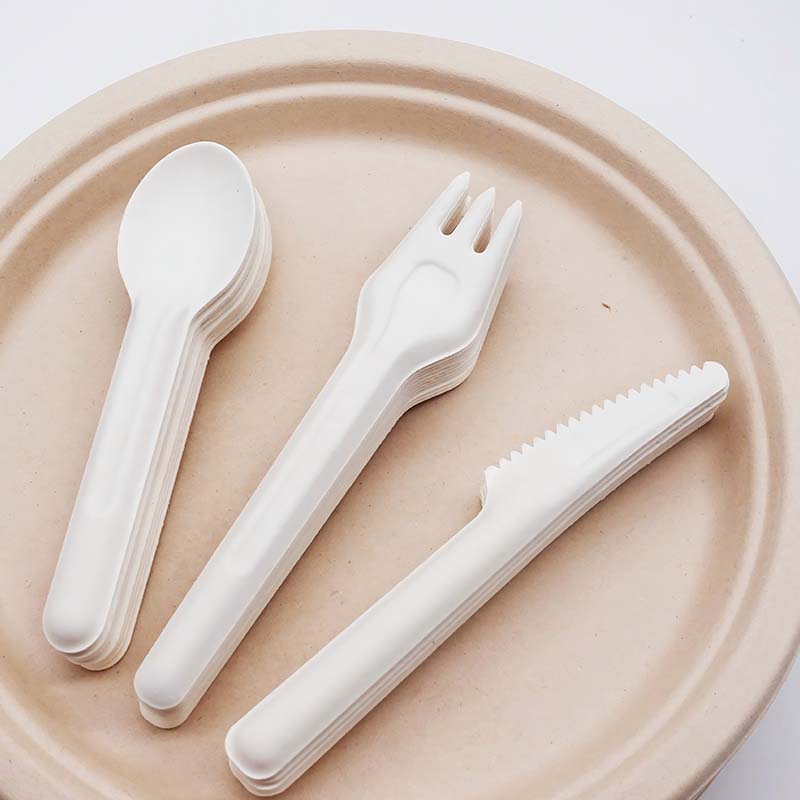
| Sugarcane bagasse / PLA | Moderate, product-dependent | Smooth but less rigid than bamboo | Compostable-focused brands prioritizing certification over feel |
| Stainless steel | Highest overall, but reusable, not disposable | Cold to the touch, premium feel | Dine-in restaurants, reusable table settings |
The rigidity difference matters more for ice cream specifically than it does for most other disposable cutlery, because the spoon is working against real resistance from frozen product rather than just carrying food to the mouth. A thin plastic or under-processed wood spoon that’s perfectly fine for eating yogurt can bend, crack, or snap trying to cut into a firm scoop of gelato.
Also read – pint vs quart chinese
Why Bamboo Outperforms Wood and Plastic for This Specific Job
Bamboo’s higher density compared to most soft woods gives it more rigidity for the same thickness of material, which is exactly the property that matters when a spoon needs to cut into hard-frozen product without flexing. A well-manufactured bamboo ice cream spoon holds a straighter edge under pressure than an equivalent-thickness wooden spoon, and it resists moisture absorption better too, which matters because an ice cream spoon spends its whole working life going from a cold, often slightly melting product straight to someone’s hand.
The finishing quality matters as much as the material choice. A bamboo spoon that hasn’t been properly sanded can still feel rough or risk splintering, so a smooth, splinter-free finish is worth checking for specifically rather than assuming “bamboo” alone guarantees comfort. For high-volume dispensing, specifically ice cream machines that drop a spoon with each serving, spoon dimensions also need to be consistent enough not to jam the dispenser, a detail that matters more to an ice cream shop’s operations than it might seem from the outside.
Getting Ice Cream on the Spoon: Why Shape Actually Matters
The flatter, straighter-edged bowl on a proper ice cream spoon isn’t just an aesthetic choice — it changes how easily the spoon actually gets ice cream onto it in the first place. A rounded teaspoon bowl tends to glance off the curved surface of a hard scoop, requiring more force and more attempts to get a clean bite. A flatter-edged ice cream spoon shears into the surface more directly, which is why a properly shaped spoon feels noticeably easier to use on genuinely hard ice cream, not just a marketing distinction between product categories.
This is also why size matters beyond just portion control: a spoon that’s too small relative to the scoop struggles to get enough purchase on the ice cream’s surface, while a spoon that’s too large for a small tasting cup feels clumsy and can crack a delicate small serving vessel.
Custom Branding for Ice Cream Spoons
Because an ice cream spoon is small, handled directly, and often the only physical item a customer takes away from a sample or dessert, it’s a genuinely effective — if easy to overlook — branding surface. Logo engraving on the handle, custom color runs, and branded packaging for retail or gift sets are all standard options for businesses ordering at wholesale volume, and a bamboo spoon’s smoother, more uniform surface generally takes engraving more cleanly than a rougher wood finish.
Sourcing Ice Cream Spoons for Your Business
Getting the size and material wrong on ice cream spoons shows up immediately in service — a flimsy plastic spoon snapping mid-scoop in front of a customer, or a rough wooden spoon that feels unpleasant against the mouth, undermines a dessert experience a business has otherwise gotten right. It’s a small, inexpensive item, but it’s also one of the most directly, physically handled products in a dessert menu, which makes it a poor place to cut corners purely on unit price.
Bamboo cutlery includes spoon formats suited to dessert and tasting service, manufactured to the same FDA and LFGB food-contact standards as the rest of the bamboo tableware range, with custom branding available once volume is proven. For businesses also serving popsicles or bars alongside scooped ice cream, bamboo ice cream sticks round out a full frozen-dessert product line from one supplier. Request a bulk quote to compare sizes and pricing before committing to a full order — a small sample run is worth the extra step given how directly customers interact with this particular product.
Frequently Asked Questions
It depends on the serving format: 75–100mm mini spoons suit tasting cups and samples, while 4.3–5.5 inch spoons suit a full dessert serving meant to be eaten with, not just sampled from.
For rigidity specifically, yes bamboo’s density gives it more resistance to flexing or snapping when cutting into hard-frozen product, a common failure point for thin, cheap plastic spoons. Bamboo also avoids the “flimsy” feel that’s a common complaint about low-cost plastic sampling spoons.
Bamboo and wood ice cream spoons are generally compostable, though it’s worth confirming the specific certification (such as BPI or OK Compost) with a supplier rather than assuming all wood-based spoons are certified for the same composting conditions. Standard plastic spoons are not compostable.
The flatter bowl and straighter edge are built to cut into hard-frozen product rather than scoop soft or liquid food, which a standard teaspoon’s rounded bowl isn’t well-suited for.
Machines that dispense a spoon along with each serving generally require a consistent, specific spoon dimension to avoid jamming the dispenser — worth confirming with your machine’s specifications before ordering spoons in bulk for that kind of automated service.