Why Compostable and Biodegradable Tableware Is Becoming Mainstream
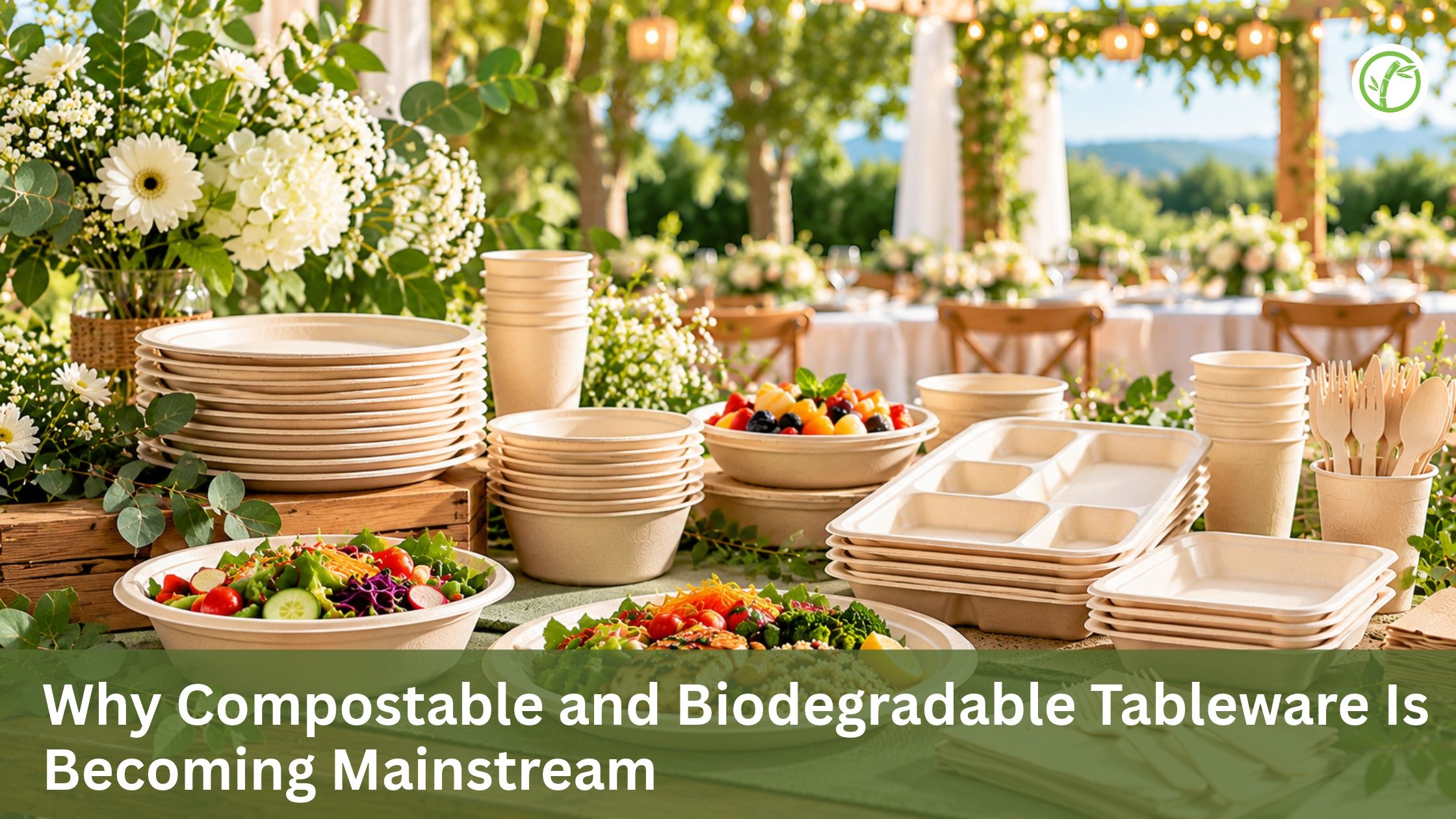
But “mainstream” doesn’t mean every eco-labeled product is welcome everywhere. Countries define banned items differently, and that decides what a buyer can sell where.
 Friendly Bamboo
But “mainstream” doesn’t mean every eco-labeled product is welcome everywhere. Countries define banned items differently, and that decides what a buyer can sell where.
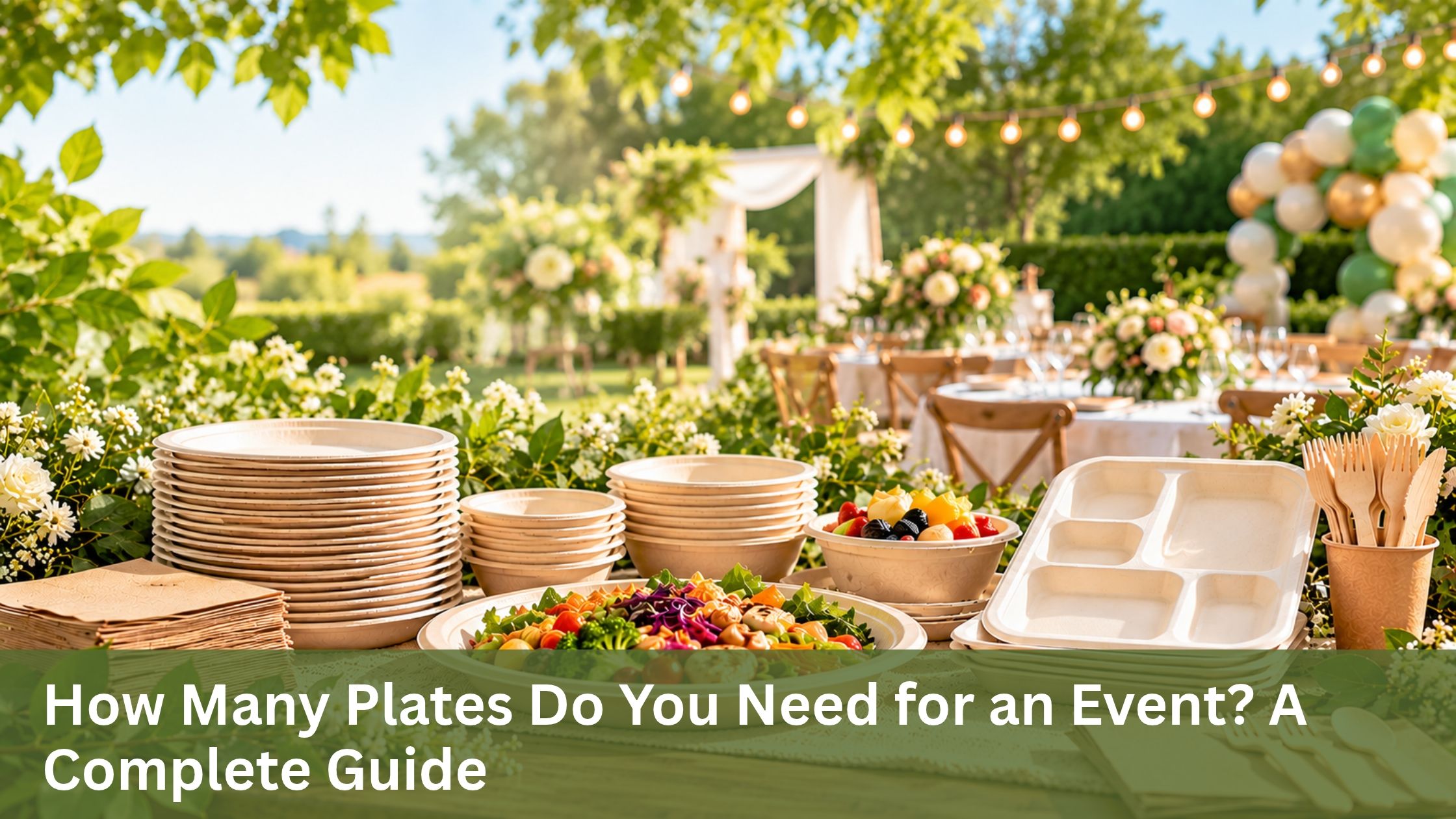
Published guides give answers from 1.25 to 6 plates per guest because they assume different menus and service styles. The formula below lets you work out the right number for your own event.
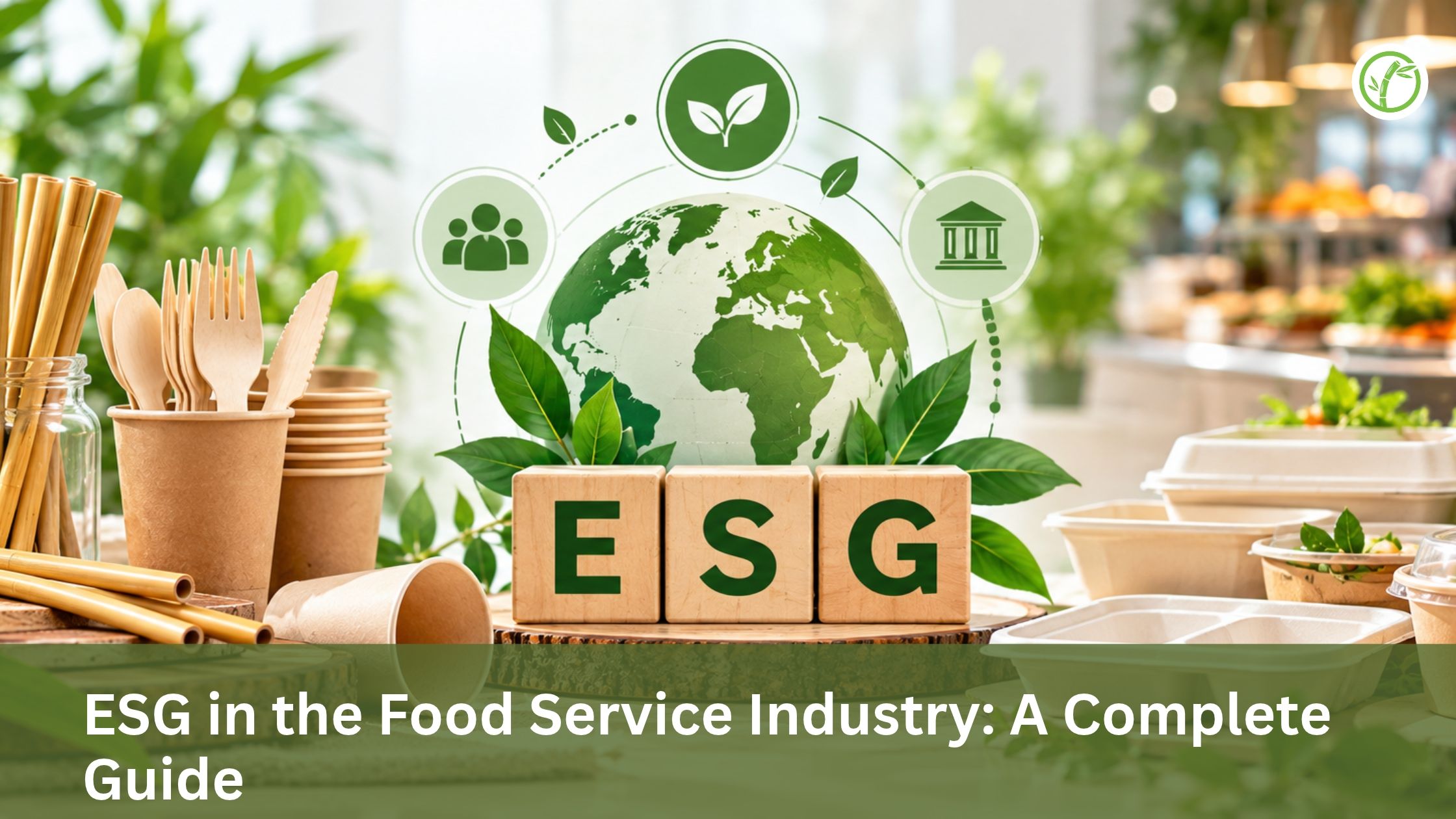
The practical work sits in places kitchens already manage: food waste, packaging, staff training, supplier files and the claims printed on menus and boxes.
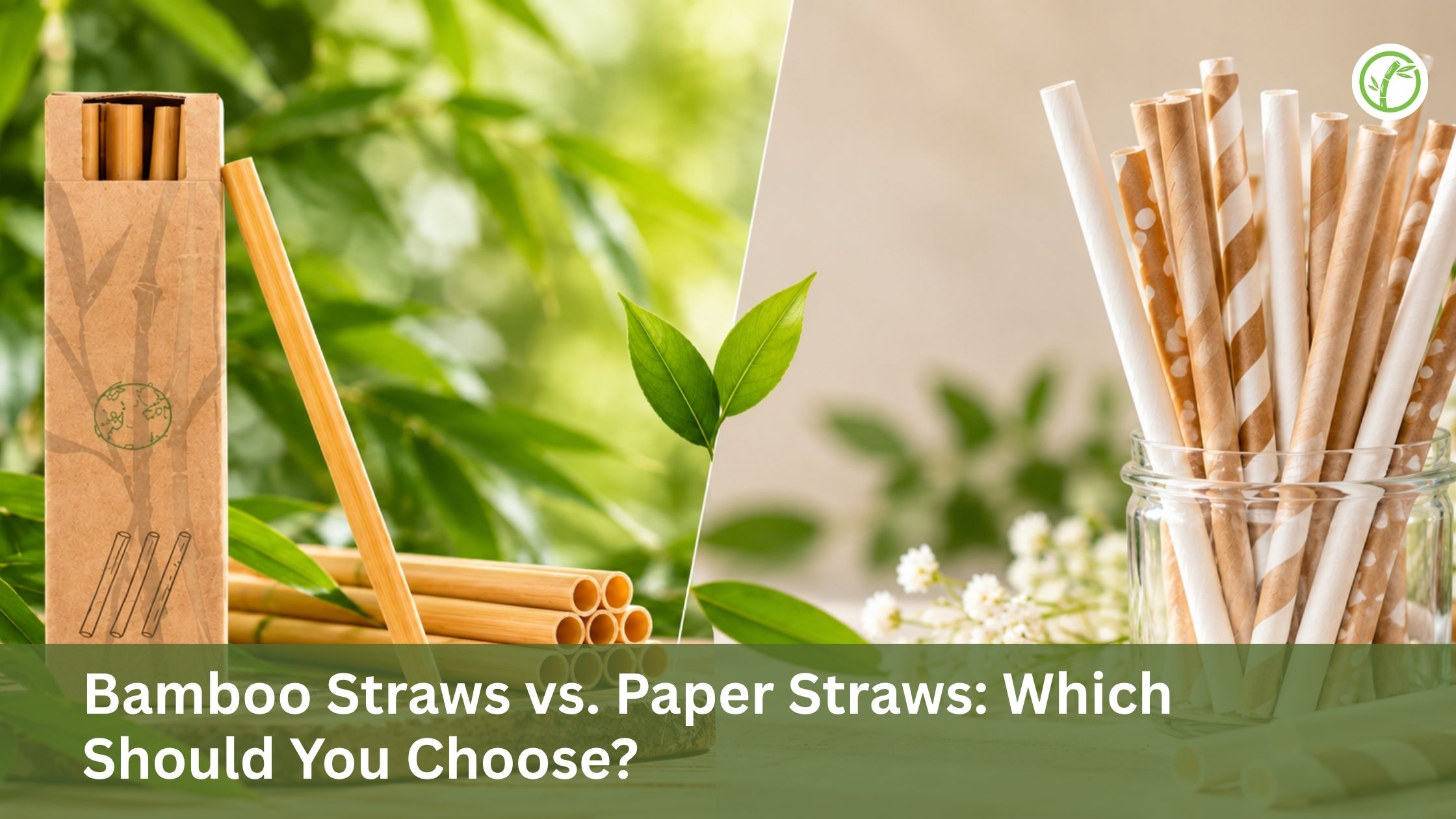
Neither material is automatically safer or greener. Both can contain PFAS, both need the right disposal route, and the better choice depends on how you serve your drinks.
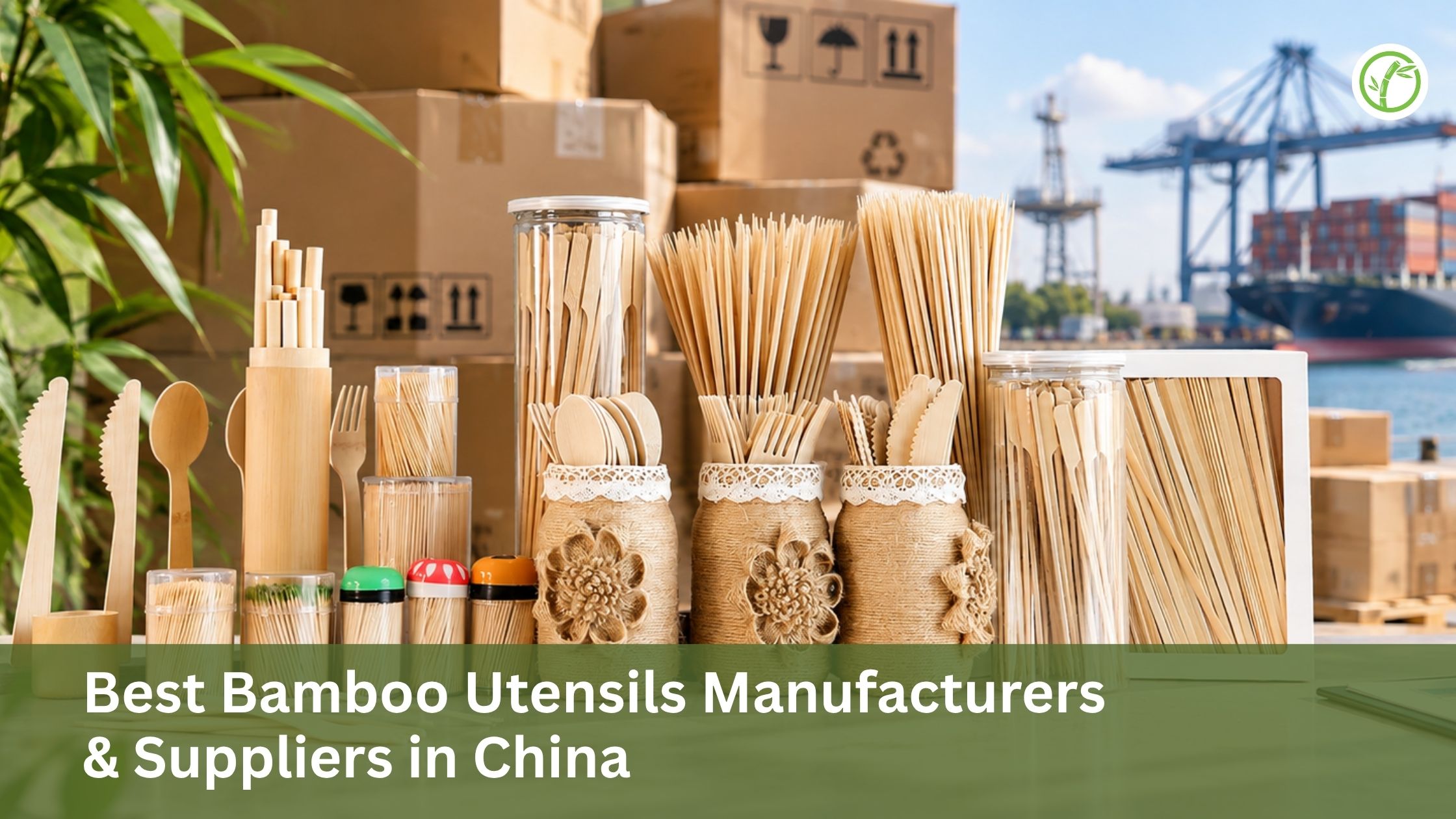
This 2026 guide to choosing eco-friendly bamboo utensils (Best Bamboo Utensils Manufacturers for bamboo utensils bulk) serves all bamboo utensil buyer types
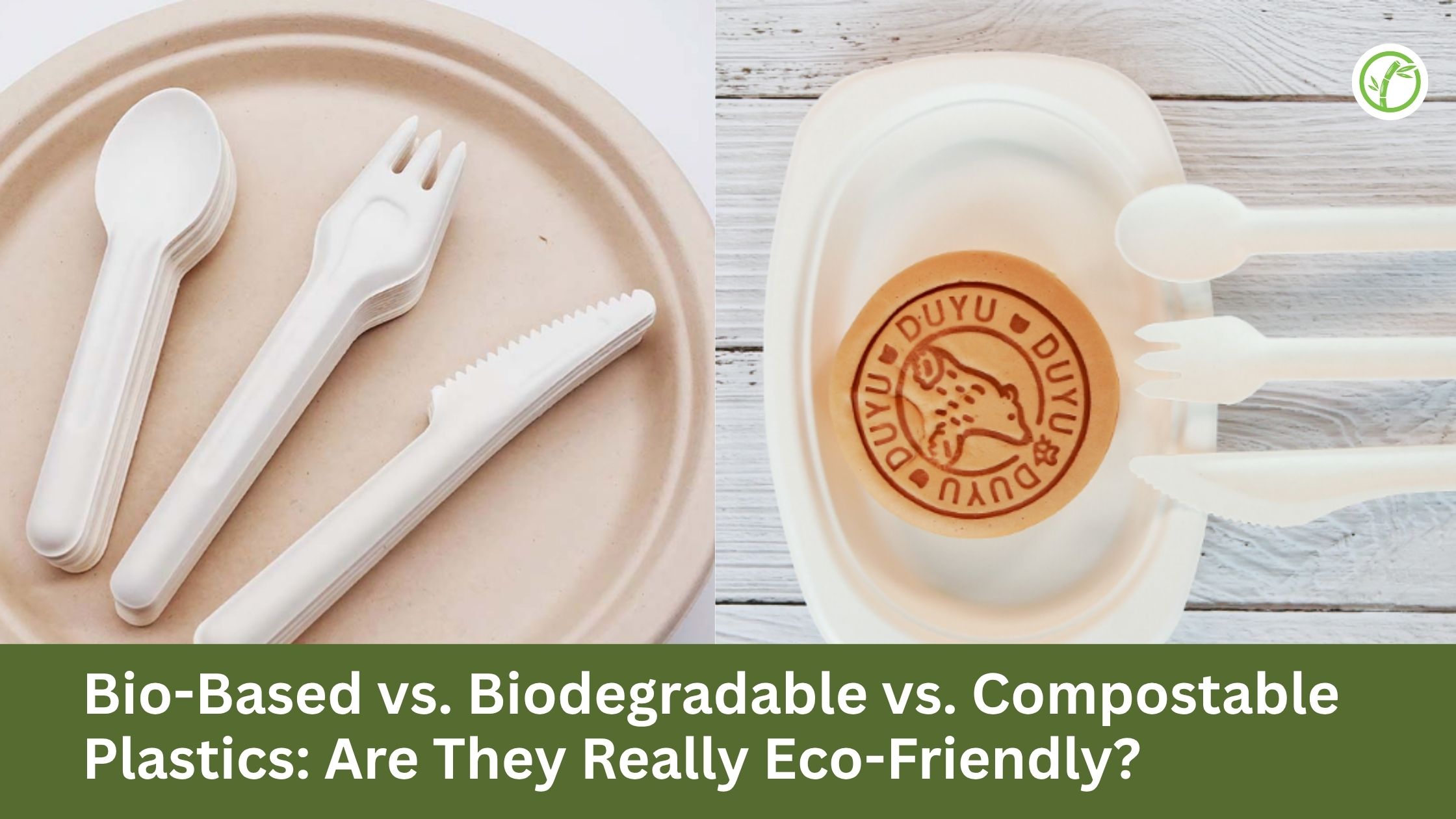
A plant-based bottle can be chemically identical to a petroleum one. A “compostable” fork can sit in a landfill for years. And in the EU and England, single-use cutlery and plates made from these plastics are already banned.
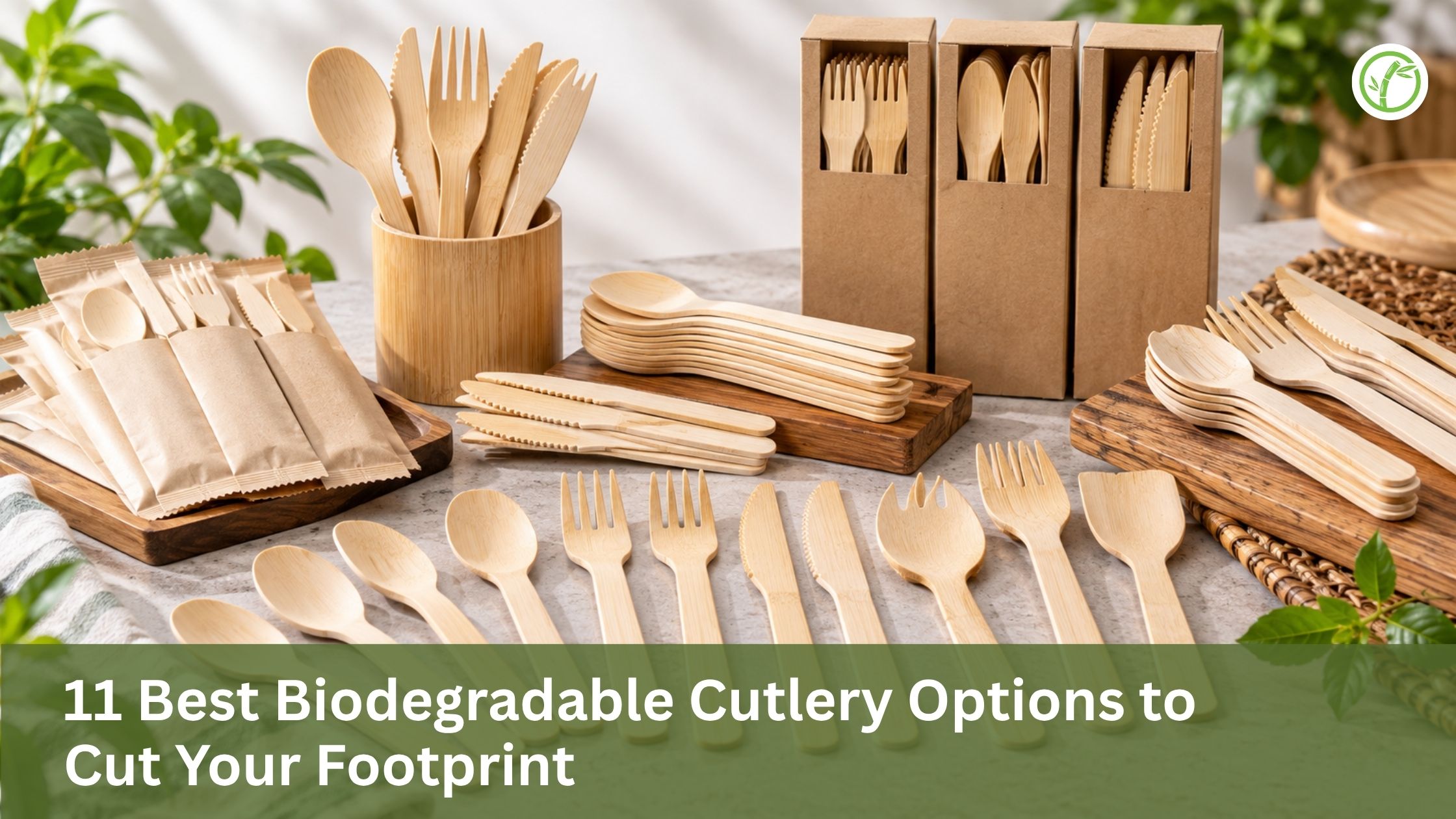
This guide breaks down the 11 best biodegradable cutlery options — their strengths, limitations, heat tolerance, and composting requirements — so you can match the right material to your business.
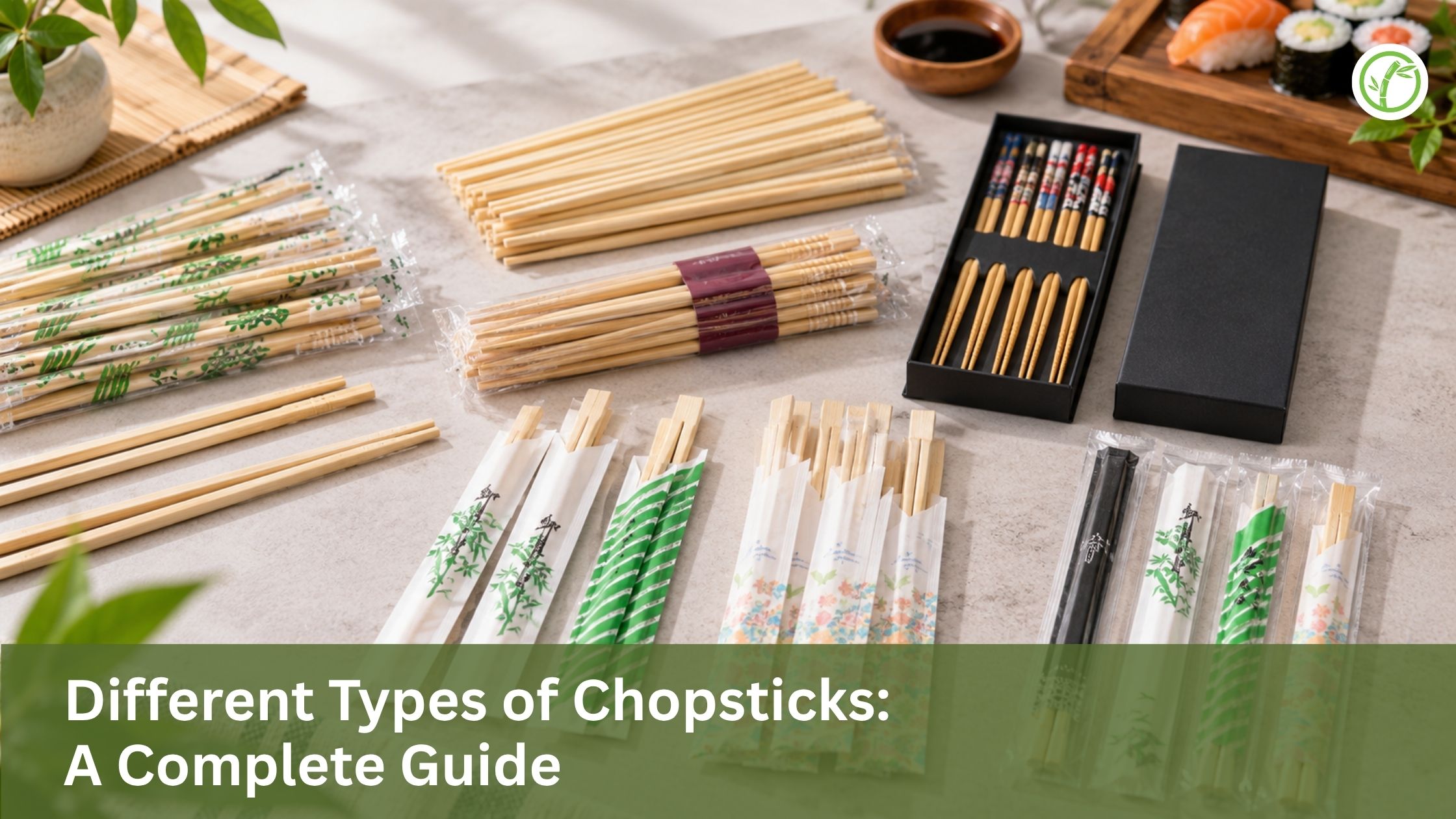
Chopsticks are one of the oldest eating tools still in everyday use and one of the most misunderstood by the businesses that buy them. Billions of people reach for a pair every day, yet the differences between a Chinese, Japanese, or Korean chopstick, or between bamboo and lacquered wood, are exactly the details that decide … Read more
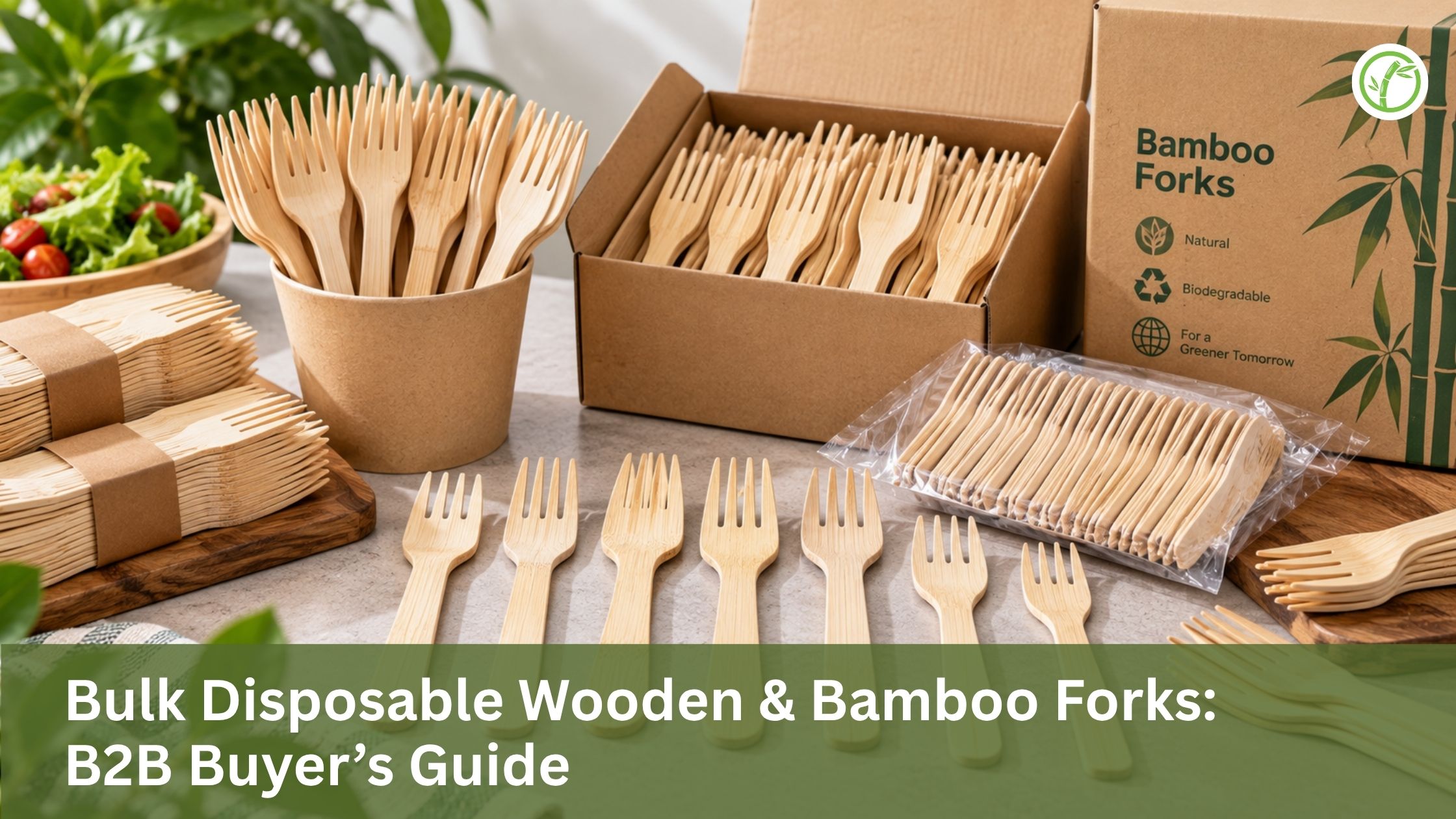
This guide walks through everything a B2B buyer needs to evaluate before placing a bulk order — and where bamboo, in particular, gives you an edge.
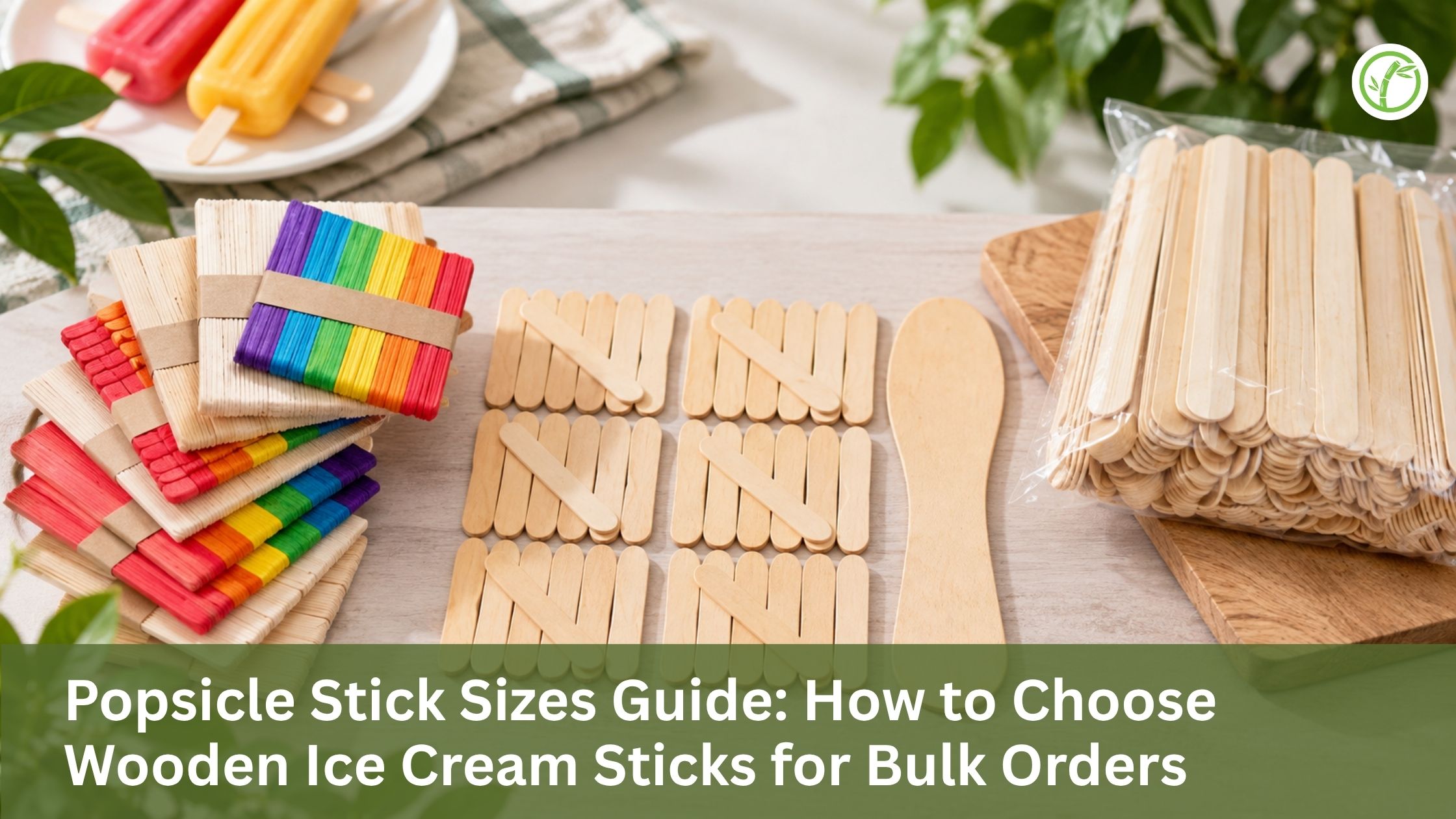
Popsicle stick sizes fall into four standard bands: mini (55–65mm), small/classic (93–94mm), standard (114mm), and jumbo (140–150mm), with widths typically 9–11mm and thickness around 2mm.
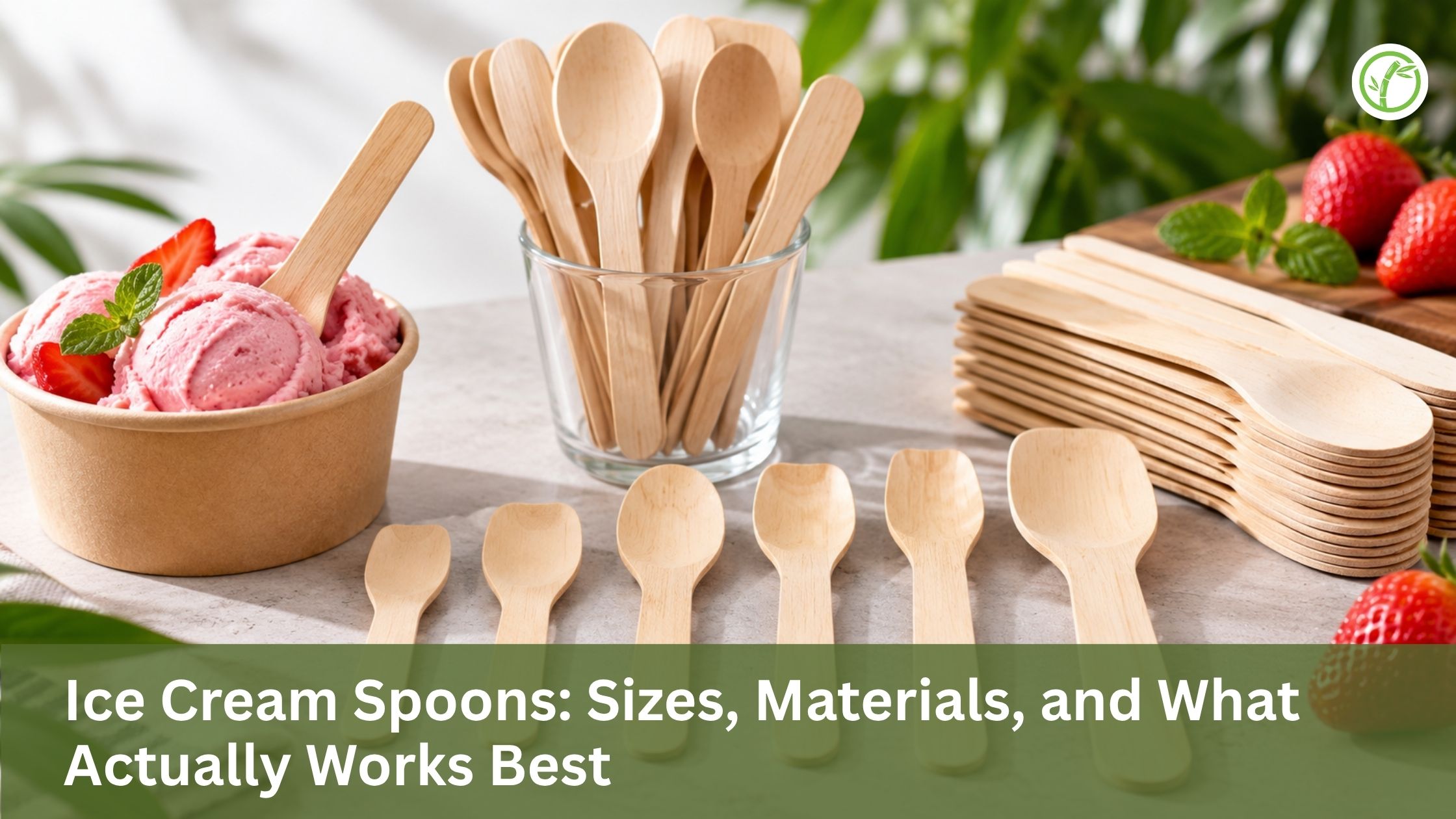
Ice cream spoons are built differently from regular teaspoons on purpose: a flatter, wider bowl and a shorter, sturdier handle designed to cut into hard-frozen product rather than scoop soft food, and they typically range from a 75mm mini tasting size up to a full 5.5-inch serving spoon
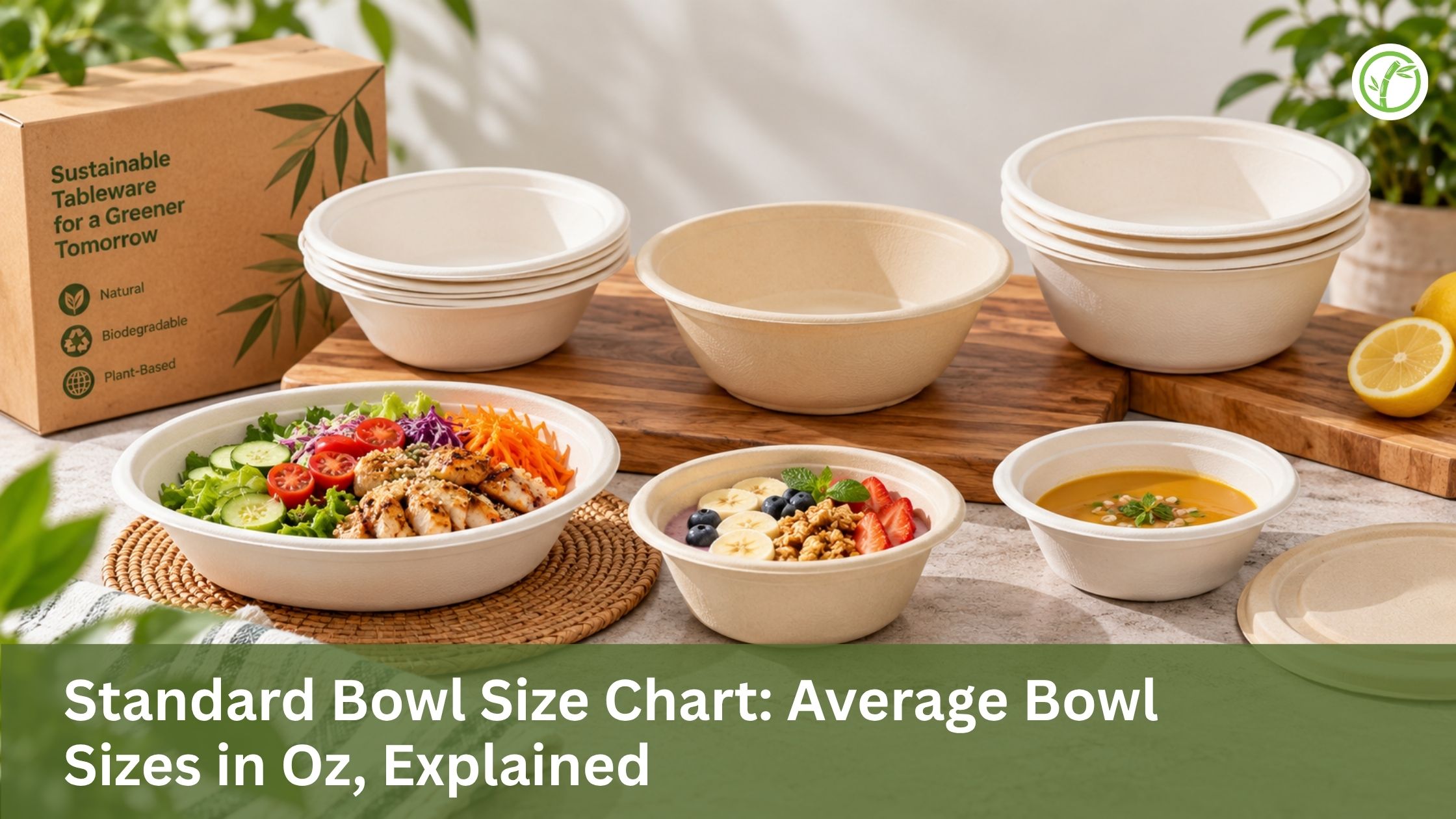
it affects presentation, spill risk, and how well a bowl travels for takeout and delivery. Below is the full breakdown by ounce size, food type, and use case.
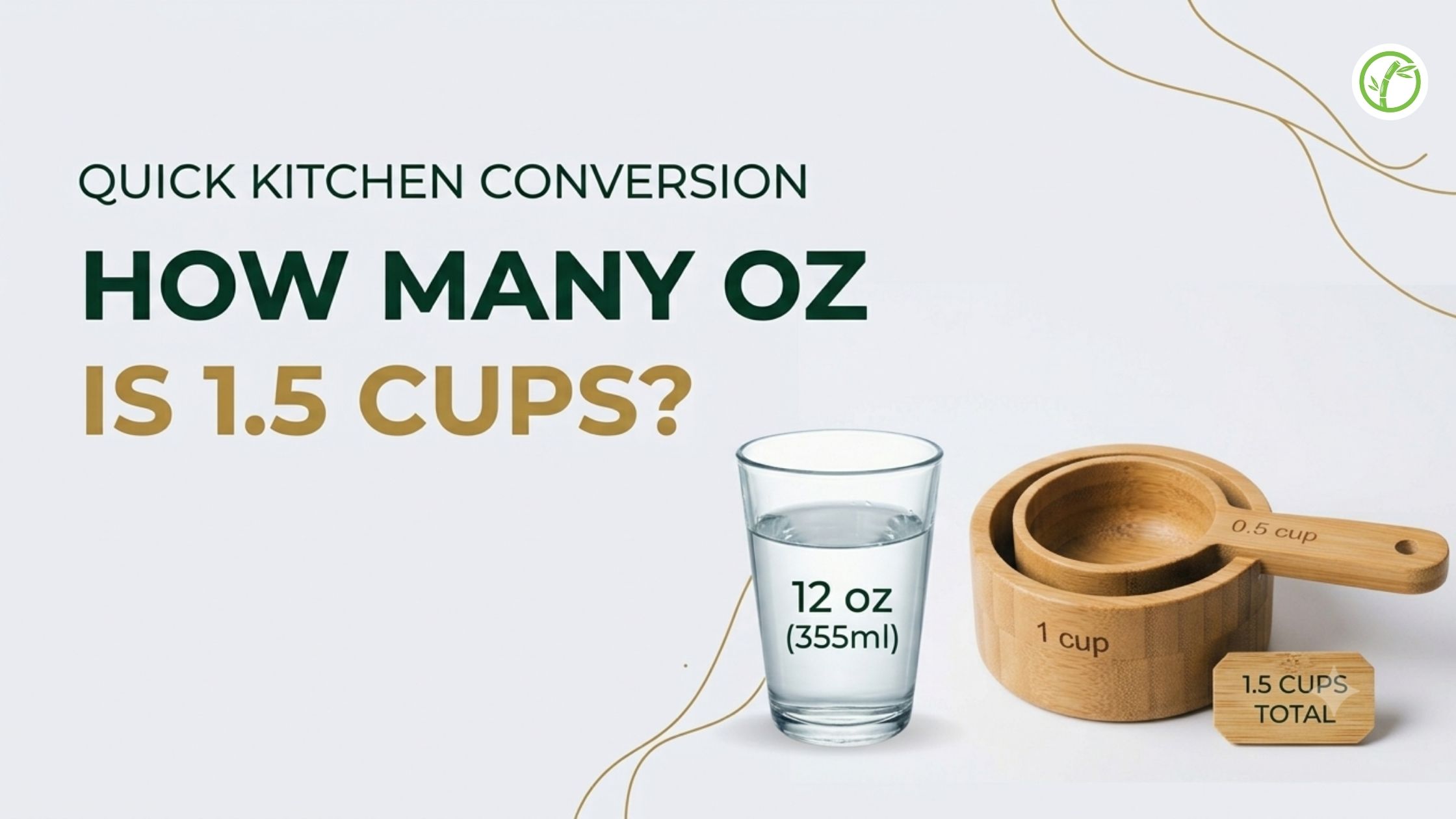
How many oz is 1.5 cups? The answer is exactly 12 fluid ounces, since 1 US cup is fixed at 8 fl oz, and 1.5 × 8 = 12. Flip the question around and it’s the same fact from the other direction: 12 oz to cups is 1.5 cups.
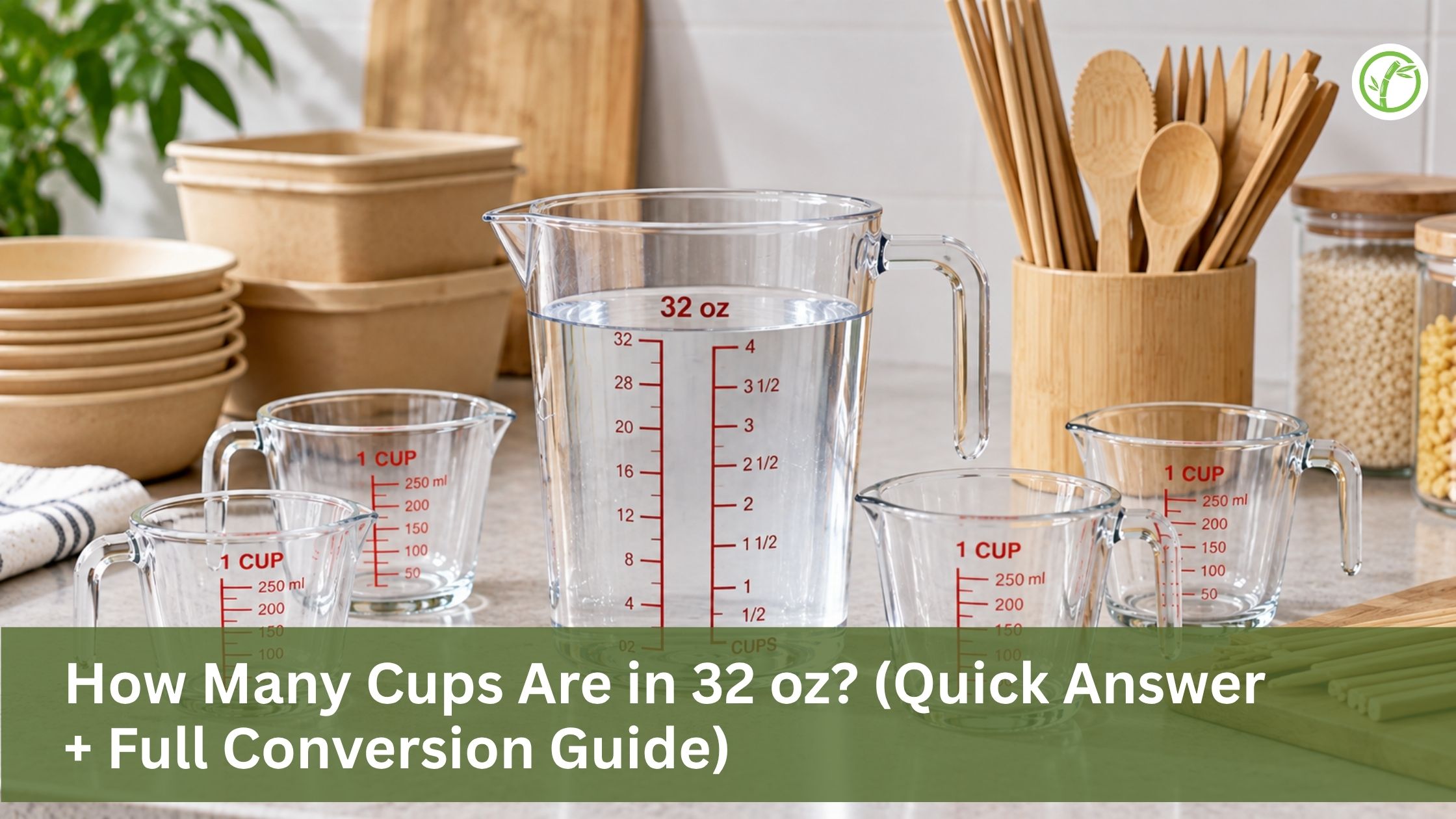
How many cups are in 32 oz? For any liquid water, milk, juice, coffee 32 fl oz always equals exactly 4 cups, because 1 cup is fixed at 8 fluid ounces.
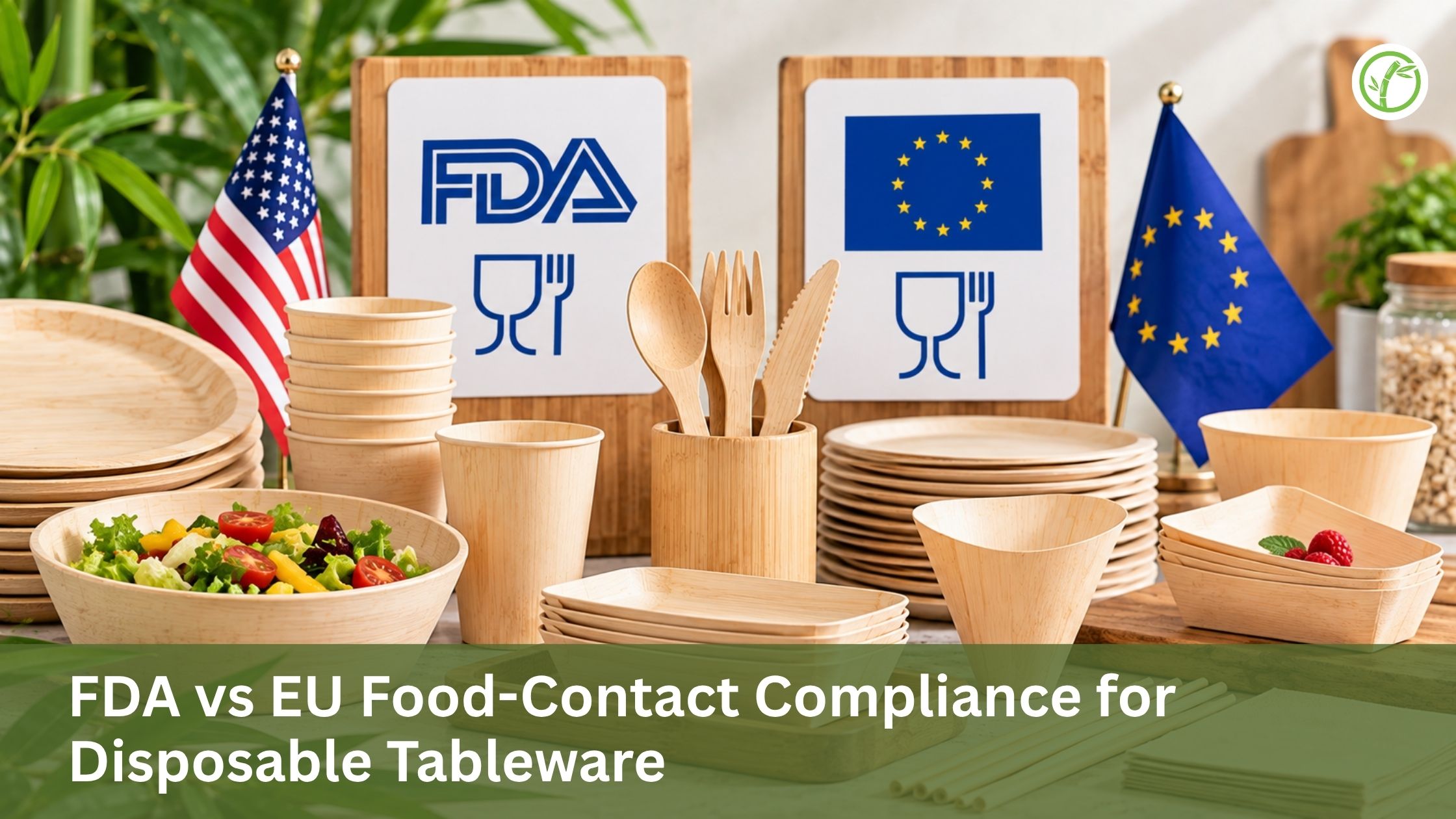
For a buyer sourcing the same disposable plate or fork into both markets, that difference shows up as two separate documentation packages, two different testing approaches, and, as of 2026, two very different PFAS rules — not one certificate that happens to satisfy both.