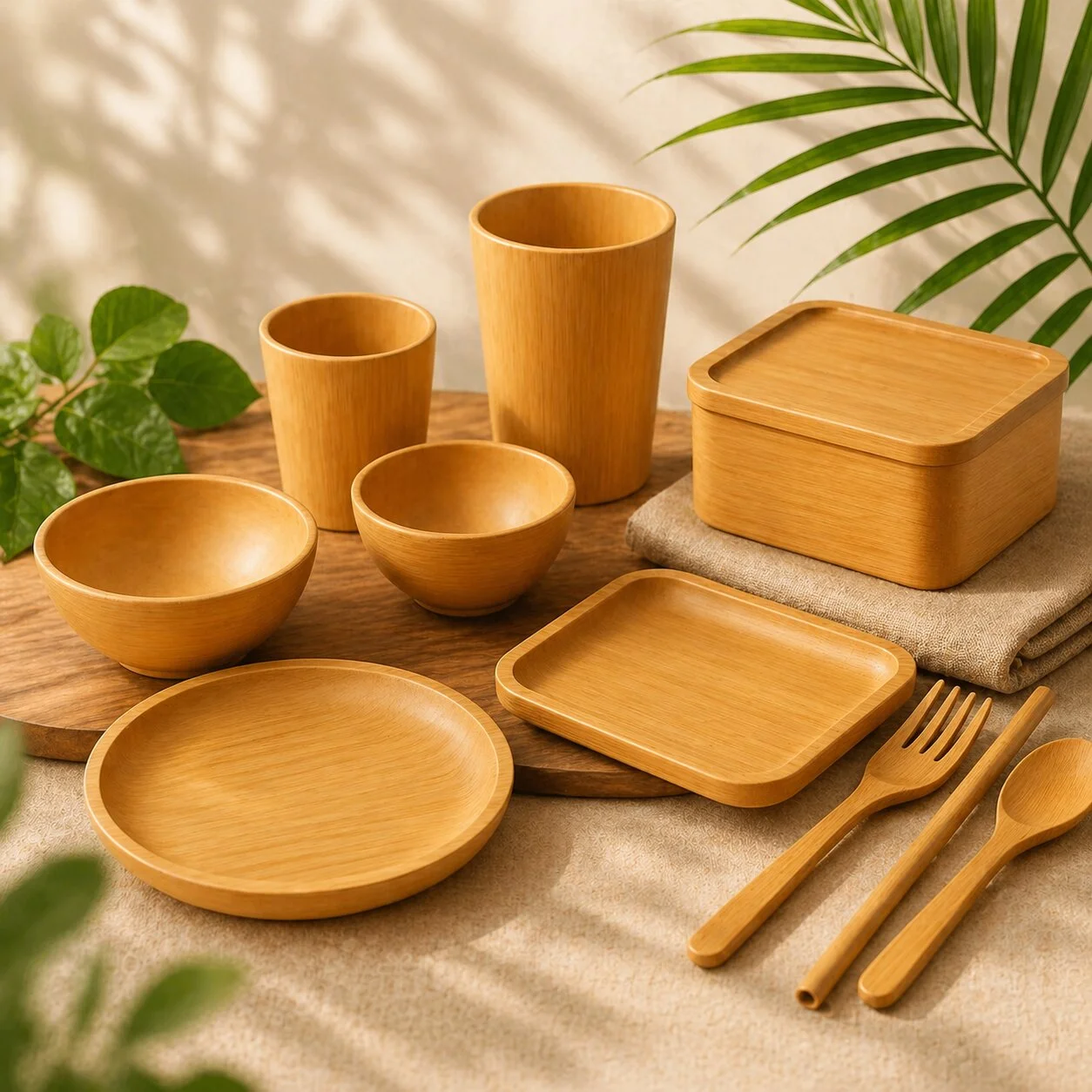
Wholesale Wooden Tableware Products – Bulk Supply & OEM Factory
From packaging and tableware to private label products, our catalog is designed to meet the needs of restaurants, hotels, event organizers, and distributors worldwide.
Showing(All)
All Wooden Tableware
Showing all 17 results
-
 ECO
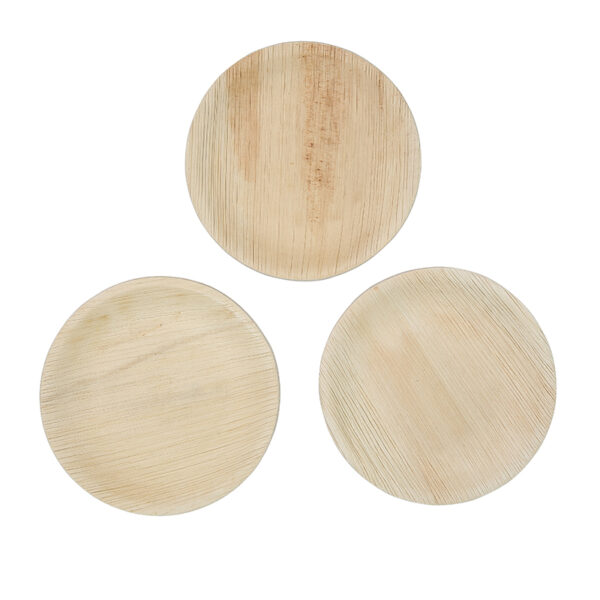
ECOBiodegradable Round Palm Leaf Plate – Premium Round Leaf Plate...
MOQ:10 CartonsMATERIAL:Bamboo -
ECO
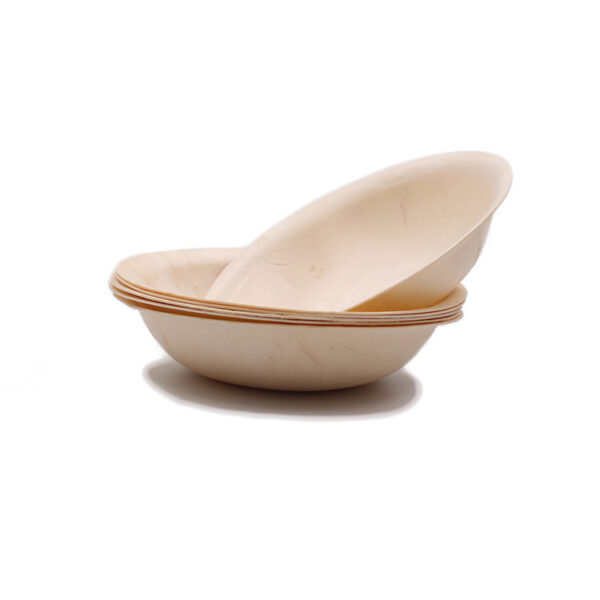
Disposable Biodegradable Wooden Bowl – Eco-Friendly...
MOQ:10 CartonsMATERIAL:Wooden -
ECO
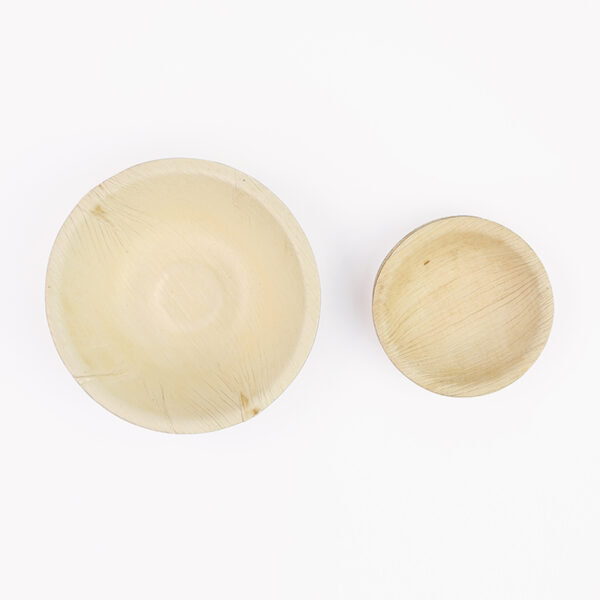
Disposable Palm Leaf Round Bowl – Premium Palm Leaf Bowl...
MOQ:10 CartonsMATERIAL:Bamboo -
ECO
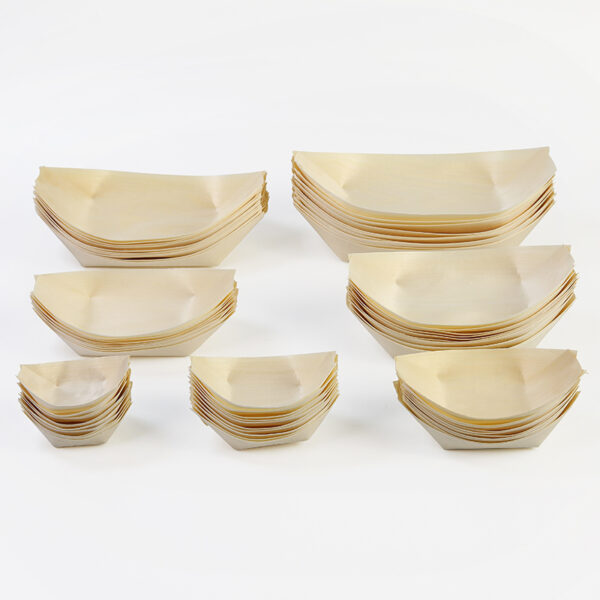
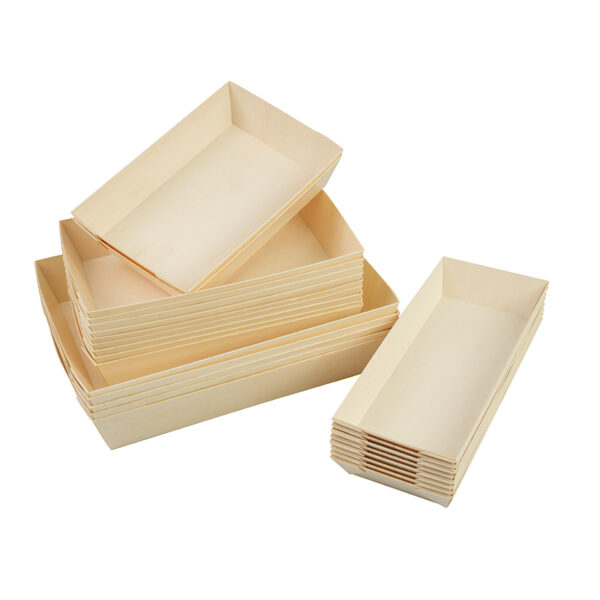
Disposable Pine Wooden Sushi Boat – Premium Wholesale Supply...
MOQ:10 CartonsMATERIAL:Wooden -
ECO
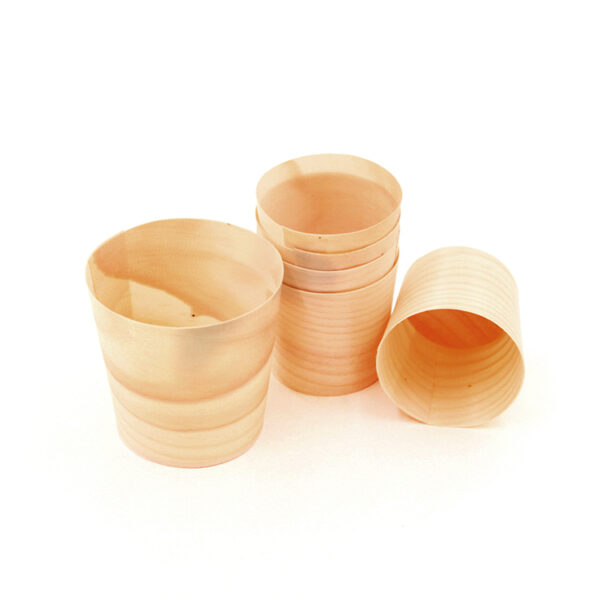
Eco-Friendly Disposable Wooden Cup – Premium Wooden Cup...
MOQ:10 CartonsMATERIAL:Wooden -
ECO
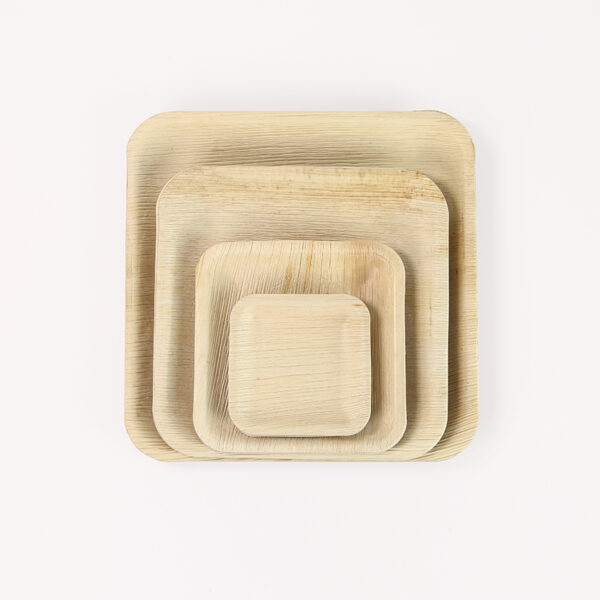
Eco-Friendly Square Palm Leaf Plate – Premium Square Leaf Plate...
MOQ:10 CartonsMATERIAL:Bamboo -
ECO
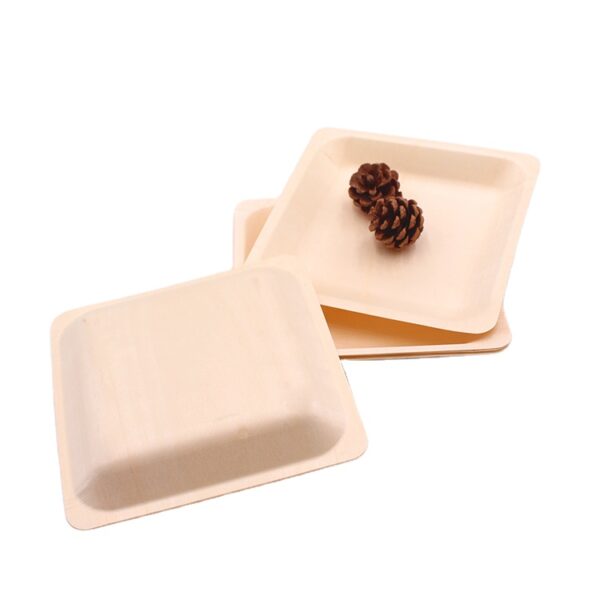
Eco-Friendly Wooden Square Plate – Premium Wholesale Supply...
MOQ:10 CartonsMATERIAL:Wooden -
ECO
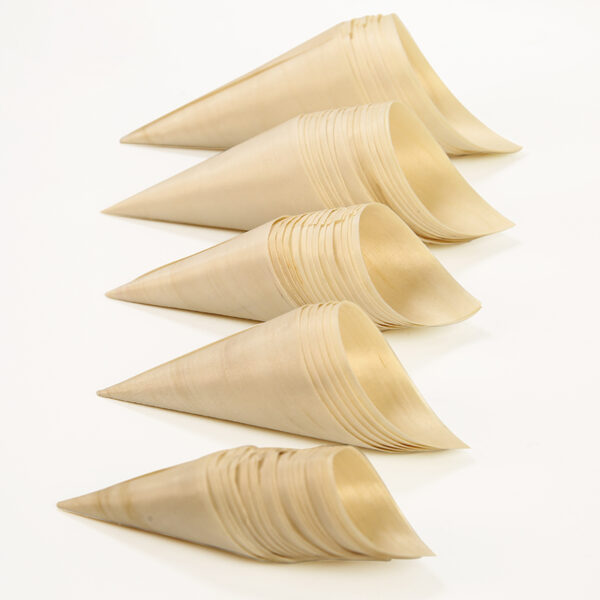
Nature Compostable Wooden Cone – Eco-Friendly Wooden Cone...
MOQ:10 CartonsMATERIAL:Wooden -
ECO
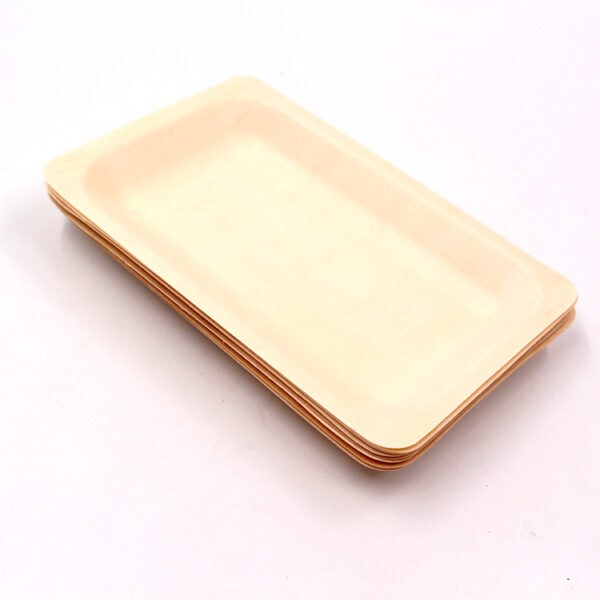
Nature Wooden Rectangle Plate – Premium Eco-Friendly...
MOQ:10 CartonsMATERIAL:Wooden -
ECO
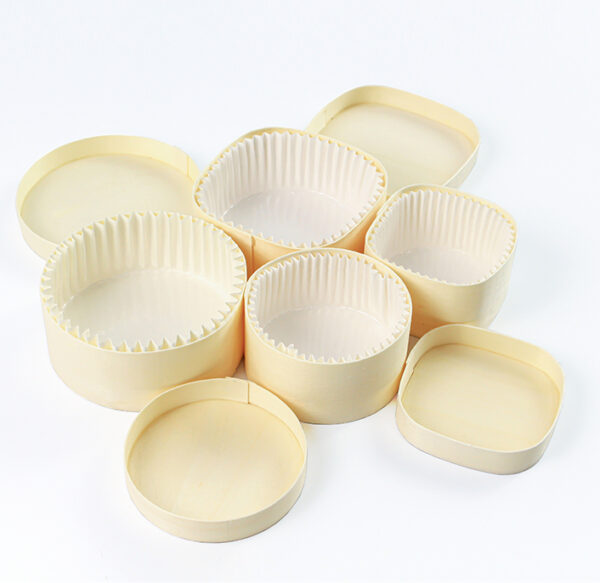
Wooden Baking Box – Friendly Long Disposable Wooden Box for Bak...
MOQ:5 CartonsMATERIAL:Wooden -
 ECO
ECOWooden Baking Box – Natural Poplar Disposable Baking Box...
MOQ:15 CartonsMATERIAL:Wooden -
ECO
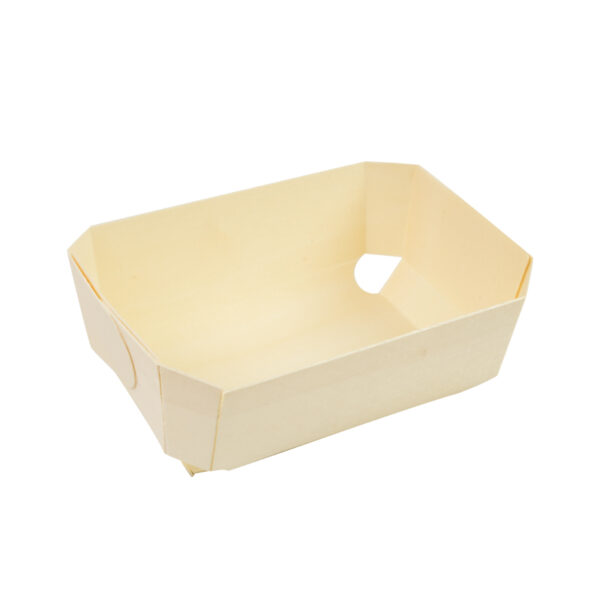
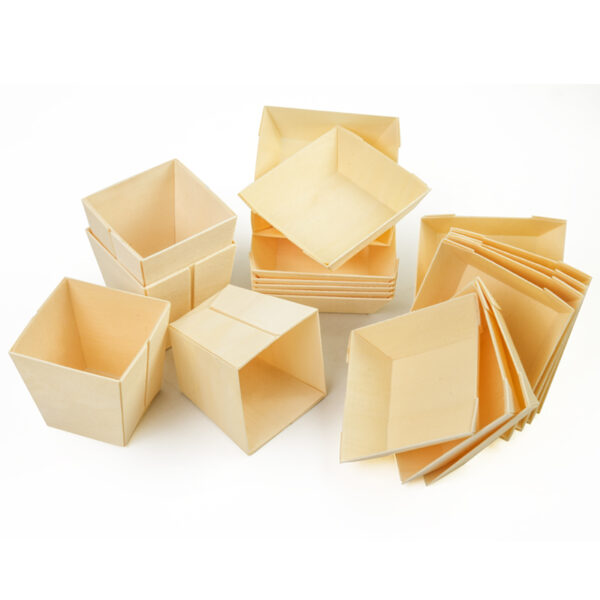
Wooden Baking Tray – Sustainable Disposable Packaging...
MOQ:10 CartonsMATERIAL:Wooden -
ECO
Wooden Bowl Tray – Degradable Packaging for Premium Gift...
MOQ:10 CartonsMATERIAL:Wooden -
ECO
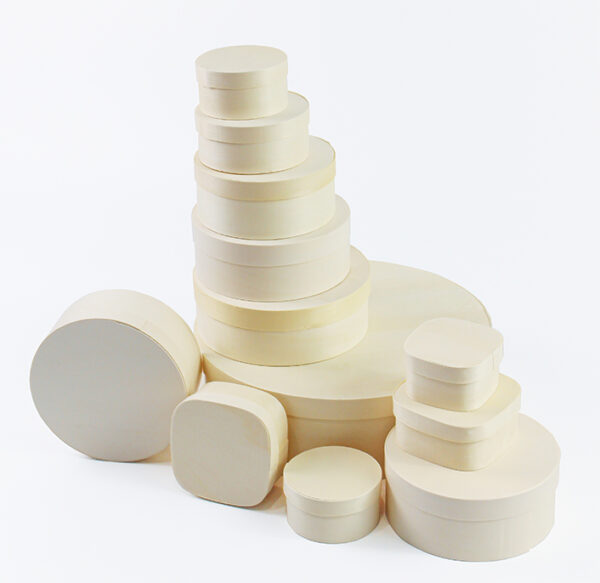
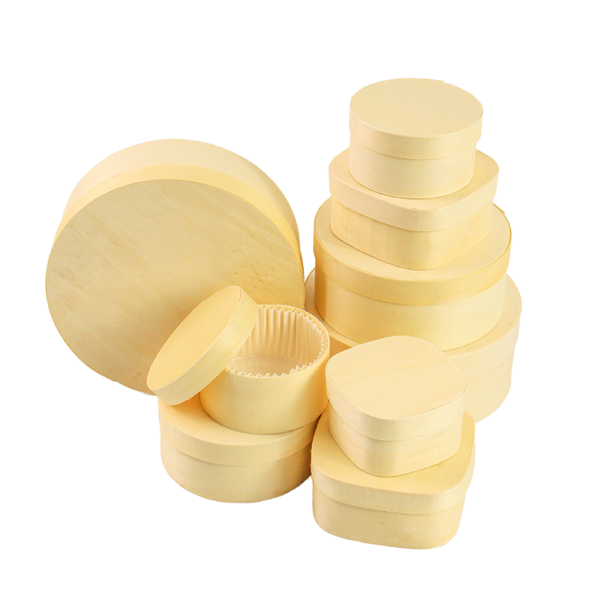
Wooden Box Round – Disposable Baking Wooden Box...
MOQ:15 CartonsMATERIAL:Wooden -
ECO
Wooden Bread Box – Nature Wooden Mini Toast Box...
MOQ:10 CartonsMATERIAL:Wooden -
ECO
Wooden Round Box – Natural Disposable Packaging...
MOQ:15 CartonsMATERIAL:Wooden -
ECO
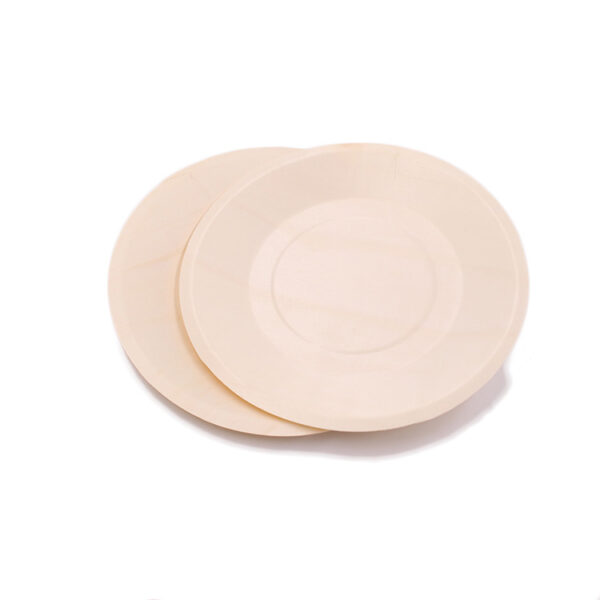
Wooden Round Plate – Durable & Elegant Natural Serving Sol...
MOQ:10 CartonsMATERIAL:Wooden
Bamboo Twin Chopsticks Wholesale Supplier
A pair of chopsticks that arrives already separated is a utensil. A pair of chopsticks that arrives joined smooth on the outside, ready to be broken apart at the table — is an experience. The split is a ritual. The clean break is a signal of freshness. The grain revealed at the split point is proof that what the guest is holding has never been touched.
A cheap chopstick splinters when it breaks. A quality bamboo twin chopstick splits cleanly and evenly, every time. One side in each hand, a smooth flat face where they were joined, no slivers, no uneven break, no rough edge catching the hand. That is what a guest expects when they reach for the chopstick paper sleeve and pull. The split is the first moment of the meal. It should not be the worst one.
Bamboo twin chopsticks are the most used, most replaced, and most taken-for-granted disposable utensil in any Asian dining operation. Every table, every cover, every service. At the right cost, in the right quality, with the right sleeve — they are invisible when they work and catastrophic when they do not. The goal is the former.
FriendlyBamboo manufactures and supplies wholesale bamboo twin chopsticks in bulk to Japanese restaurants, Chinese restaurants, sushi bars, pan-Asian dining, ramen shops, noodle bars, conveyor belt sushi operations, food courts, airline catering, hotel room service, food delivery operators, party supply companies, and wholesale distributors across 30+ countries for over 12 years. Round-end twin chopsticks, square-end twin chopsticks, pointed-end twin chopsticks, half-round twin chopsticks, and ribbed-tip twin chopsticks — all from natural bamboo. Splinter-free, food-safe, and manufactured to split cleanly on every break.
Available Types
Round-End Twin Chopsticks — Cylindrical body tapering to a smooth rounded tip. The most widely used chopstick profile across Chinese restaurant and general Asian dining service. The round tip is food-neutral — suitable for noodles, rice, dim sum, stir-fry, and all general Asian dishes. Available in natural bamboo and white-bleached finishes. The default twin chopstick for any Asian dining operation that has not yet specified a type.
Pointed-End Twin Chopsticks — Cylindrical body tapering to a fine pointed tip. The chopstick of Japanese cuisine — sushi, sashimi, yakitori, ramen, and udon. The pointed tip allows precise pick-up of individual pieces of fish, thin noodles, and delicate food without crushing. Used in Japanese restaurants, sushi bars, and any operation where precision eating is part of the food culture. The pointed tip is a functional specification, not an aesthetic preference.
Square-End Twin Chopsticks — Square cross-section body with a flat-edged tip. The square profile provides more grip surface on food than a round body — more control on slippery noodles, dense dumplings, and thicker food pieces. Also, less prone to rolling off the table when lying down. Used in operations where grip performance matters more than traditional round aesthetics, and in modern pan-Asian dining where a contemporary utensil profile is appropriate.
Half-Round Twin Chopsticks — Flat on one side, round on the other. The flat side prevents the chopstick from rolling when placed on the table or on a chopstick rest. The round side maintains the traditional visual profile from the guest-facing angle. The functional design solves the rolling problem without changing the visual language of the table. Used in high-volume service where misaligned chopsticks on a table are a presentation concern.
Ribbed-Tip Twin Chopsticks — Standard round or square body with a textured ribbed section near the tip. The ribbing provides additional grip on food — particularly useful for novice chopstick users, slippery food types, and international dining audiences where chopstick skill varies widely. Used in hotel dining, airline catering, international fusion restaurants, and any operation serving a mixed-skill guest audience.
Bamboo Chopsticks with Printed Sleeve — Any twin chopstick type supplied individually wrapped in a printed paper sleeve. Sleeve carries your restaurant name, logo, address, QR code, or brand message. The sleeve is the only branded element of the table that every single guest handles before the meal begins. Used across all Asian restaurant formats, hotel room service, and food delivery packaging, where the chopstick sleeve is a touchpoint for brand communication before the food arrives.
Sizes
Type
Length
Diameter / Profile
Best For
Standard
200mm (8″)
4–5mm round
General Asian dining, Chinese restaurants
Long standard
210mm (8.3″)
4–5mm round
Hotel service, formal restaurant setting
Japanese
200mm (8″)
3.5–4mm tapered point
Sushi bars, Japanese restaurants, ramen
Thick
210mm (8.3″)
5–6mm round or square
Noodle bars, heavy food, novice users
Slim
195mm (7.7″)
3–4mm round
Sashimi, delicate food, precise service
Half-round
200mm (8″)
5mm half-round
High-volume table service, rolling prevention
Ribbed-tip
200–210mm
4–5mm with ribbed tip
Hotel, airline, mixed-skill dining audience
Which size? 200mm (8″) round-end or pointed-end for most restaurant applications — the most ordered globally. Pointed-end for Japanese cuisine. Ribbed-tip for international hotel dining. Most operations stock a single standard specification and supplement with pointed-end for Japanese menu items. The 200mm length fits all standard chopstick sleeves and rests.
Wholesale Pricing
Product
Volume
Price Per Pair
Round-end twin chopsticks (natural)
100,000+ pairs
$0.018 – $0.045
Round-end twin chopsticks (bleached)
100,000+ pairs
$0.020 – $0.050
Pointed-end twin chopsticks
100,000+ pairs
$0.018 – $0.045
Square-end twin chopsticks
100,000+ pairs
$0.020 – $0.048
Half-round twin chopsticks
100,000+ pairs
$0.022 – $0.050
Ribbed-tip twin chopsticks
100,000+ pairs
$0.022 – $0.052
Twin chopsticks with plain sleeve
100,000+ pairs
$0.025 – $0.055
Twin chopsticks with a custom-printed sleeve
100,000+ pairs
$0.030 – $0.070
Custom branded (chopstick + full packaging)
100,000+ pairs
$0.035 – $0.080
A pair of bamboo twin chopsticks costs under 8 cents at volume. The meal they are used to eat costs twenty to one hundred times more. Every table that receives a split pair of clean, smooth, freshly sleeved chopsticks starts the meal with a correct first impression. Every table that receives a pair that splinters, sticks, or arrives with a damaged sleeve starts the meal on the wrong note. At under 8 cents, the correct choice is not a budget decision.
→ Get My Wholesale Quote
Why the Split Matters — and What It Tells You About Chopstick Quality
The split is a quality test every guest performs. When a guest breaks apart a pair of twin chopsticks, they are — without thinking about it — testing the product. A clean split with two smooth faces tells them the bamboo was properly dried, properly processed, and properly made. A splintered split, a stuck pair, or an uneven break tells them the opposite. The split is the first tactile interaction the guest has with the table’s quality standard. It should pass.
Consistent split requires consistent bamboo drying. Twin chopsticks that split unevenly or produce splinters are almost always the result of inconsistent moisture content in the bamboo during manufacturing. Bamboo dried too quickly checks and splinters. Bamboo with uneven moisture content splits unpredictably. Proper kiln drying at controlled temperature and humidity produces bamboo with even grain structure that breaks cleanly along the split line every time.
The split face is the freshness signal. The internal face of a twin chopstick — the side that is revealed when the pair is broken apart — has never been exposed to air, handling, or the environment. It is the purest part of the chopstick. A clean split face communicates freshness in the same way a sealed package does. This is why twin chopsticks are used rather than pre-separated pairs in food cultures where hygiene perception is paramount.
Surface quality matters beyond the split. A chopstick that passes the split test but has a rough body, visible fibres, or uneven sanding creates friction during eating. Smooth bamboo surface — achieved through proper sanding and finishing — is the difference between a chopstick that disappears into the eating experience and one that the guest is aware of throughout the meal.
How Asian Restaurants and Food Operators Use Bamboo Twin Chopsticks Strategically
Sleeve as the first brand touchpoint. At a restaurant table, the chopstick sleeve is the first piece of branded material the guest touches — before the menu, before the food, before any service interaction. A custom-printed sleeve with the restaurant name, logo, address, and social handle is a brand communication that costs under 3 cents extra and reaches 100% of guests at 100% of tables. No other table element has that reach at that cost.
Type matching to cuisine identity. Pointed-end chopsticks at a Japanese restaurant. Round-end at a Chinese restaurant. Square-end at a modern pan-Asian concept. The chopstick type is part of the restaurant’s cultural accuracy. A Japanese restaurant serving sushi with round-end chopsticks introduces a small but noticeable inconsistency that guests with chopstick literacy will register, even if they do not articulate it.
Volume reliability in high-turnover operations. Conveyor belt sushi, ramen bars, and food courts turn tables at a rate that makes chopstick quality variance operationally significant. A 1% splintering rate across 500 covers per day is five table incidents per day. At the right quality and the right price, the chopstick disappears from operations management and stays there.
Delivery and takeaway packaging identity. Food delivery is the fastest-growing chopstick consumption channel. The chopstick sleeve in a delivery bag is the only physical branded element the customer receives alongside the food. A plain sleeve is a missed opportunity. A custom-printed sleeve with the restaurant name, QR code linking to the menu, and social handle is a brand impression inside the customer’s home. At under 7 cents per pair delivered, it is the cheapest branded insert in the delivery package.
Hotel and airline catering specifications. Hotel room service and airline catering have specific chopstick requirements — consistent dimensions for tray assembly, individual sleeve wrapping for hygiene compliance, ribbed-tip for mixed-skill audiences, and often custom-printed sleeves for brand or route identity. FriendlyBamboo supplies to specification across all standard hotel and airline chopstick requirements.
Eco positioning in sustainability-driven markets. Natural bamboo twin chopsticks are biodegradable and compostable. In markets where guests are actively making dining choices based on sustainability commitments, bamboo chopsticks with a clear material statement on the sleeve — “natural bamboo, biodegradable” — are a tangible eco signal at the table. Plastic-sleeve bamboo chopsticks undermine this signal. Paper sleeve, bamboo body, coherent sustainability message.
Bamboo Twin Chopsticks vs Pre-Separated Bamboo Chopsticks vs Plastic Chopsticks
Factor
Bamboo Twin Chopsticks
Pre-Separated Bamboo
Plastic Chopsticks
Freshness signal
High — clean split reveals unused interior
None — pre-separated, already handled
None
Hygiene perception
High — individually wrapped, never touched
Low — loose, exposed
Moderate — wiped before use
Guest ritual
Yes — the break is part of the meal
No ritual
No ritual
Custom sleeve branding
Yes — sleeve is a brand touchpoint
No sleeve
No sleeve
Eco-friendly
Yes — bamboo, paper sleeve, biodegradable
Yes — bamboo
No — plastic, non-biodegradable
Plastic ban compliant
Yes
Yes
Increasingly restricted
Cost per pair
$0.018–$0.08
$0.010–$0.040
$0.005–$0.020
Splintering risk
Low (quality product)
Low
None
Cultural appropriateness
High — standard across Asian dining globally
Moderate
Low in traditional contexts
Guest perception signal
“This restaurant uses the correct utensil.”
“Functional.”
“This restaurant chose convenience over quality.”
Pre-separated chopsticks are cheaper. They are also unwrapped, pre-exposed, and carry no hygiene signal or brand opportunity. The twin chopsticks with sleeves cost marginally more and deliver a freshness signal, a brand touchpoint, and cultural accuracy that pre-separated chopsticks structurally cannot. The difference per cover is under 4 cents. The difference in what the guest receives is significant.
Performance Features
Consistent Clean Split — Twin chopstick pairs are scored at the join point to a precise depth that guides the split cleanly along the grain. Consistent scoring depth across the batch ensures uniform split quality. No guesswork, no variable force required.
Kiln-Dried Bamboo — All bamboo dried in controlled kiln conditions to a consistent moisture content of 8–12%. Proper moisture content is the primary determinant of split quality and splinter resistance. Bamboo at the correct moisture content splits evenly and does not check or crack during storage or service.
Splinter-Free Body Finish — All surfaces sanded to a smooth, splinter-free finish. Body sanding grade consistent across the full chopstick length. No rough fibres at the tip or along the body. Safe for lip, mouth, and hand contact throughout the meal.
Food-Safe Natural Bamboo — Natural Moso bamboo body. No bleach on natural finish variants. Bleached variants use food-safe hydrogen peroxide bleaching only — no chlorine bleach, no formaldehyde. FDA 21 CFR 177 compliant for direct food contact. LFGB compliant for European markets.
Individually Sleeved — Each pair individually wrapped in a paper sleeve before bulk packing. The sleeve maintains hygiene from manufacturing through transport through table placement. Sleeve paper is food-safe and biodegradable.
Uniform Dimensions — Length, diameter, and taper consistent to tight manufacturing tolerances across the batch. Consistent dimensions ensure uniform fit in all standard chopstick dispensers, tray assemblies, and packaging configurations.
Lightweight and Balanced — Bamboo twin chopsticks are lighter than wood chopsticks of equivalent size. Weight balance is consistent along the body — tip-light, comfortable in the hand, naturally balanced for both novice and experienced users.
High-Density Packing — Chopsticks pack at very high density — 10,000 pairs per carton is standard. Sea freight cost per pair is among the lowest of any disposable tableware item. Bulk packing efficiency makes bamboo twin chopsticks one of the most economical items to import at volume.
Packaging Options
Bulk Box — Plain — Twin chopsticks individually sleeved in plain white or kraft paper sleeves, packed in export cartons of 1,000, 2,000, 5,000, or 10,000 pairs. Standard for restaurant and food service buyers who apply their own branding at service.
Bulk Box — Pre-Printed Sleeve — Twin chopsticks individually sleeved in pre-printed branded sleeves. Your restaurant name, logo, address, and any additional information printed on the sleeve before bulk packing. Ready to place on the table directly from the box.
Retail-Ready Pack — Chopstick pairs in consumer packaging for homeware, Asian grocery, and kitchen retail. Individual packs of 10, 20, or 50 pairs. Barcoded for shelf display.
Catering Pack — High-volume chopstick packs in easy-access catering format. Designed for kitchen workflow in high-turnover operations — conveyor belt sushi, food courts, and fast-casual Asian dining.
Delivery Pack — Individual sleeve-wrapped chopstick pairs packed for inclusion in food delivery bags. Compatible with standard meal kit and delivery bag dimensions. Custom sleeve printed with delivery brand identity.
Custom Branded Packaging — Your brand on chopstick sleeves, inner packs, and outer cartons. Full private-label programmes for Asian food distributors, restaurant supply companies, and chopstick product brands.
Custom Branding
Custom-Printed Chopstick Sleeve — Your restaurant name, logo, address, website, social handles, QR code, seasonal message, or promotional content printed on the individual chopstick sleeve. Full-colour printing. Sleeve is the first branded item the guest touches at the table. Available for all twin chopstick types. Digital proof provided before production.
Custom Chopstick Engraving — For reusable bamboo chopstick programmes, laser engraving of logo or text on the chopstick body. Available for polished reusable bamboo chopsticks supplied alongside the twin chopstick range. Contact us for reusable chopstick specifications.
Custom Sleeve Shape — Non-standard sleeve dimensions, fold styles, and opening configurations for specific tray assembly or presentation requirements. Available at volume for hotel and airline catering specifications.
Custom Bamboo Finish — Natural, bleached, or carbonised (dark) bamboo finish on the chopstick body. Carbonised bamboo twin chopsticks provide a distinctive dark aesthetic for modern Japanese restaurants, contemporary Asian dining, and premium delivery packaging.
Private Label — Your brand across chopsticks, sleeves, inner packs, and outer cartons. For Asian food distributors, restaurant supply companies, and branded chopstick product lines targeting the foodservice and retail markets.
→ Request Custom Branding Quote
Certifications
Certification
What It Verifies
FSC
Bamboo sourced from responsibly managed forests
FDA (21 CFR 177)
Safe for direct food and beverage contact
ISO 9001
Consistent manufacturing quality
ISO 14001
Environmental management systems
LFGB
European food safety standard compliance
PFAS-Free
No chemical coatings on the bamboo body
SGS
Third-party quality and safety testing
Get certificates here →
Industries We Supply
Japanese Restaurants and Sushi Bars — The precision market. Pointed-end twin chopsticks as the standard. Custom-sleeved for brand identity. Consistent split quality for every cover in every service. The chopstick that belongs on a sushi counter as much as the fish does.
Chinese Restaurants and Dim Sum — Round-end twin chopsticks as the standard. High-volume supply for large-format Chinese dining, dim sum trolley service, and banquet catering. Custom-printed sleeves for restaurant branding.
Pan-Asian and Fusion Restaurants — Square-end or half-round twin chopsticks for modern Asian dining concepts. Ribbed-tip variants for mixed-skill dining audiences. Custom sleeve design that reflects the restaurant’s contemporary identity.
Ramen and Noodle Bars — Pointed-end or square-end twin chopsticks for noodle-first dining. High-volume supply for fast-casual ramen formats. Ribbed-tip for international noodle bar audiences. Custom sleeve for delivery packaging identity.
Conveyor Belt Sushi Operations — Consistent-dimension twin chopsticks for dispenser and tray systems. High-volume orders with tight dimensional tolerance requirements. Individually sleeved for hygiene compliance at automated service.
Hotel Room Service and Restaurant — Ribbed-tip twin chopsticks for mixed-skill international guests. Custom-printed sleeves with hotel name and room service identity. Bleached or natural finish depending on hotel brand aesthetic.
Airline Catering — Dimension-specified twin chopsticks for in-flight meal tray assembly. Individually sleeved for hygiene compliance. Ribbed-tip standard for passenger chopstick skill variance. Meets all airline catering food contact and dimensional specifications.
Food Delivery Operators — Custom-sleeved twin chopsticks for inclusion in Asian food delivery packaging. The branded sleeve is the brand touchpoint inside the customer’s home. Delivery-format packing for integration into meal kit assembly lines.
Wholesale Distributors — Private-label bamboo twin chopstick programmes for Asian food distribution, restaurant supply, and foodservice wholesale.
How to Order
Step 1 — Choose your chopstick type, finish, size, sleeve option, and quantities.
Step 2 — Submit the bulk quote form with sleeve artwork (if custom-printed), packaging preference, and delivery destination.
Step 3 — We send your tailored proposal within 24 hours. Custom sleeve print orders include a digital proof before production.
→ Request My Bulk Quote Now
Frequently Asked Questions
What is the minimum order for bamboo twin chopsticks wholesale? Standard orders start at 100,000 pairs for all twin chopstick types and finishes. Custom-printed sleeve chopsticks from 100,000 pairs — sleeve print setup is included at this volume. Carbonised and ribbed-tip variants from 100,000 pairs. Trial quantities available for restaurants specifying a new chopstick type or sleeve design before committing to full volume.
How much do bamboo twin chopsticks cost in bulk? Round-end and pointed-end natural twin chopsticks $0.018 to $0.045 per pair. Bleached finish $0.020 to $0.050. Square-end and half-round $0.020 to $0.050. Ribbed-tip $0.022 to $0.052. With plain sleeve $0.025 to $0.055. With custom-printed sleeve $0.030 to $0.070. Full custom branded $0.035 to $0.080. All under 8 cents per pair at volume.
What is the difference between twin chopsticks and regular disposable chopsticks? Twin chopsticks are manufactured as a joined pair — two chopsticks bonded together along one face and scored at the join. The guest breaks them apart at the table. Regular disposable chopsticks are pre-separated and usually loose in a sleeve or unwrapped. Twin chopsticks deliver a freshness signal (the clean split face has never been exposed), a hygiene signal (individually sleeved, unbroken seal), and a ritual moment that pre-separated chopsticks do not. They are the standard format across Japanese, Chinese, and most Asian restaurant service globally.
What bamboo is used for twin chopsticks? Natural Moso bamboo — FSC certified, sustainably sourced. Kiln-dried to 8–12% moisture content for consistent split quality and splinter resistance. No formaldehyde. No chlorine bleach on natural finish. Food-safe hydrogen peroxide used for bleached finish variants only.
Why do some bamboo chopsticks splinter? Splintering is caused by incorrect moisture content in the bamboo during manufacturing — typically bamboo dried too quickly at too high a temperature. This causes the bamboo fibres to check and separate unevenly. Proper kiln drying at controlled temperature and humidity produces bamboo with even grain structure that splits cleanly. All FriendlyBamboo twin chopsticks are kiln-dried to specification and split-tested across production batches.
Can I get my restaurant logo printed on the chopstick sleeve? Yes. Full-colour custom printing on the individual chopstick sleeve. Restaurant name, logo, address, website, social handles, QR code, and any additional message. Digital proof provided before production. The sleeve is the first branded item every guest handles at the table — it is the most cost-effective per-cover brand touchpoint in any Asian dining operation.
What is carbonized bamboo? Carbonized bamboo is bamboo that has been heat-treated under pressure, which caramelizes the natural sugars in the bamboo and produces a rich dark brown colour throughout the body. Carbonized bamboo twin chopsticks have a distinctive dark aesthetic suitable for contemporary Japanese restaurants, premium Asian dining, and modern delivery packaging. Carbonization also slightly increases bamboo hardness. Available as a finish option at standard MOQs.
Are bamboo twin chopsticks eco-friendly? Yes. Natural Moso bamboo body — biodegradable and compostable. Paper sleeve — biodegradable. No plastic components in the chopstick or standard sleeve. Bamboo is FSC certified and sustainably sourced. Moso bamboo reaches harvest maturity in 4–5 years and regenerates without replanting. Significantly more eco-friendly than wood chopsticks (slower-growing trees) and plastic chopsticks (fossil fuel-derived, non-biodegradable).
What is the difference between pointed-end and round-end chopsticks? Pointed-end chopsticks taper to a fine point — designed for precise food pick-up in Japanese cuisine: individual sushi pieces, sashimi slices, thin noodles, and small garnishes. Round-end chopsticks taper to a smooth, rounded tip — suitable for general Asian dining across a wider range of food types. The tip shape is a functional specification aligned to the cuisine being served, not an aesthetic preference.
Do you supply individually wrapped chopsticks for hotel and airline use? Yes. All twin chopstick types are available individually sleeved in plain or custom-printed paper sleeves. For hotel and airline specifications, we supply ribbed-tip variants, custom-dimension specifications, and custom sleeve printing. We can meet specific dimensional tolerances required for tray assembly and dispenser systems. Contact us with your specification, and we will confirm feasibility and pricing.
Do you ship bamboo twin chopsticks internationally? Yes. 30+ countries. Sea freight (20–35 days) and air freight (3–7 days). Bamboo twin chopsticks pack at a very high density — 10,000 pairs per standard carton. Sea freight cost per pair is among the lowest of any disposable utensil. We handle all export documentation. FOB and CIF pricing available.
You May Also Need
Bamboo Tableware → Bamboo Cutlery → Bamboo Plates → Bamboo Bowls → Bamboo Serving Boards → Bamboo Straws → Bagasse Cups → Eco-Friendly Straws (All Types) →
Guides and Resources
Why Bamboo Is Outpacing Plastic Worldwide → Bamboo Straw Manufacturers in China → What Is Bagasse? Complete Guide →