Bamboo Tableware Products - Cutlery, Plates, Straws, Skewers and More
From packaging and tableware to private label products, our catalog is designed to meet the needs of restaurants, hotels, event organizers, and distributors worldwide.
Showing(All)
All Bamboo Products
Showing 1–12 of 108 results
-
 ECO
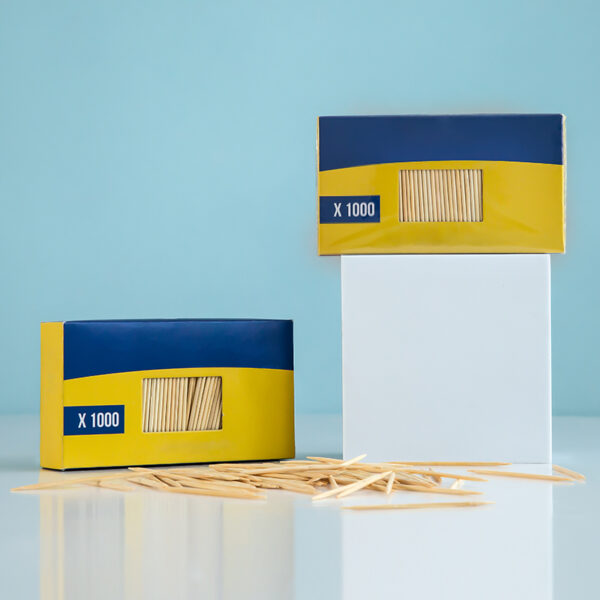
ECO1000 Count Boxed Bamboo Toothpicks
Rated 5.00 out of 5MOQ:1000000 pcsMATERIAL:Bamboo -
ECO
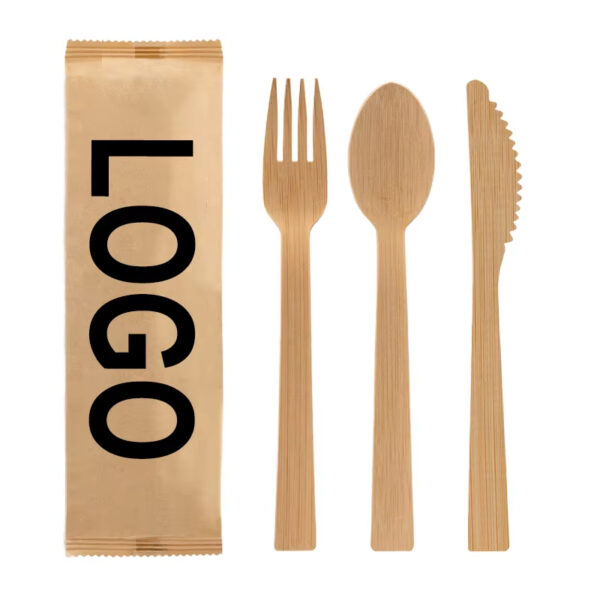
4 in 1 Disposable Bamboo Cutlery Set
MOQ:10 CartonsMATERIAL:Bamboo -
ECO
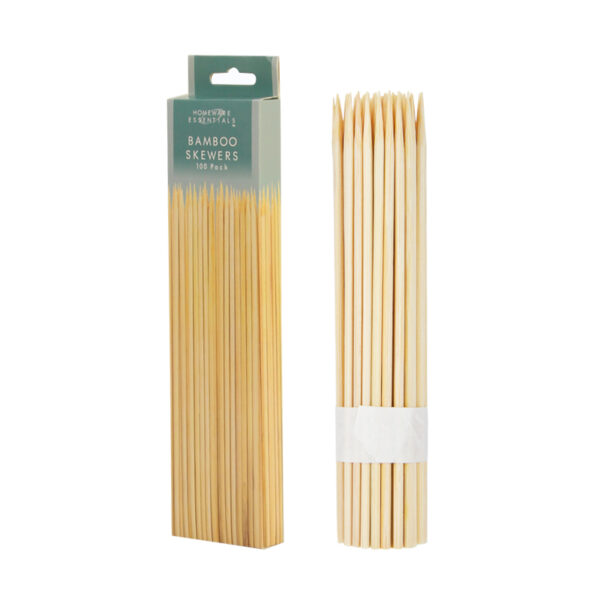
Bamboo BBQ Skewers for Grilling Meat
MOQ:5 CartonsMATERIAL:Bamboo -
ECO
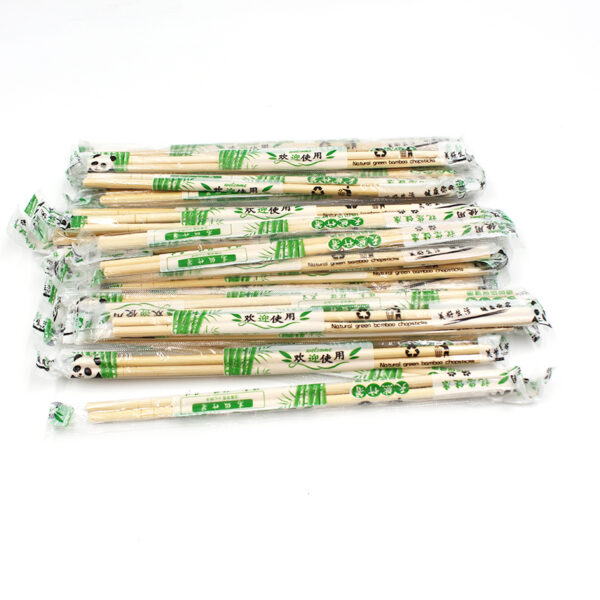
Bamboo Chopsticks Round Plastic Wrap 20 cm...
MOQ:10 CartonsMATERIAL:Bamboo -
ECO
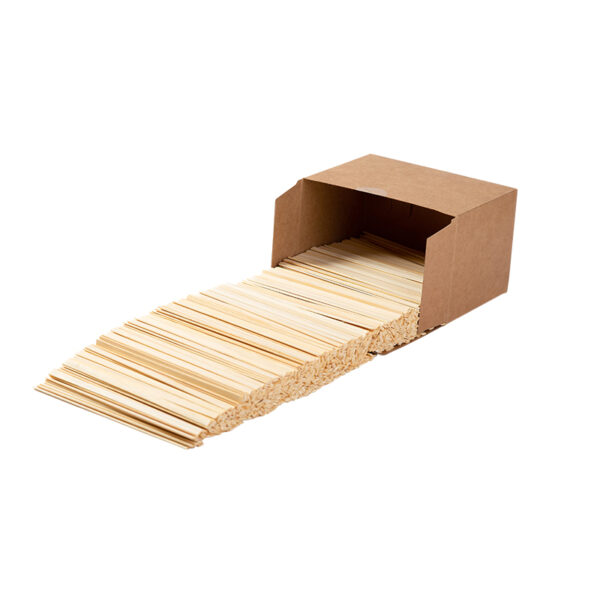
Bamboo Coffee Stirrer – Paper Box Packing...
MOQ:10 CartonsMATERIAL:Bamboo -
ECO
Bamboo Finger Skewers Global Supply
MOQ:10 CartonsMATERIAL:Bamboo -
ECO
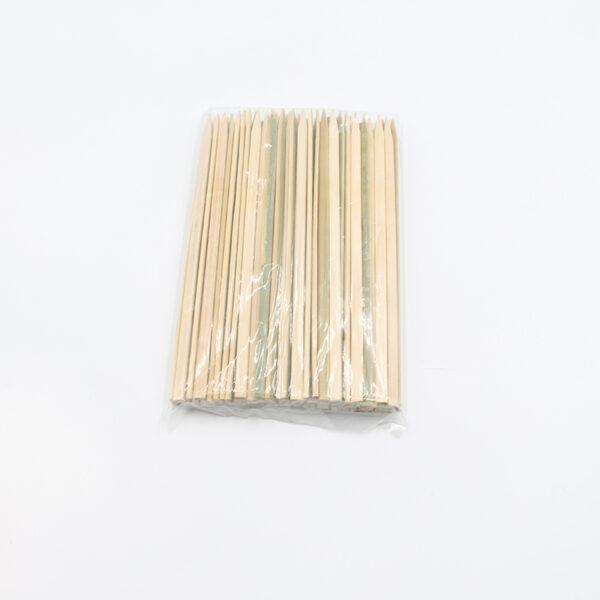
Bamboo Flat Skewers in Bulk Pack
MOQ:5 CartonsMATERIAL:Bamboo -
ECO
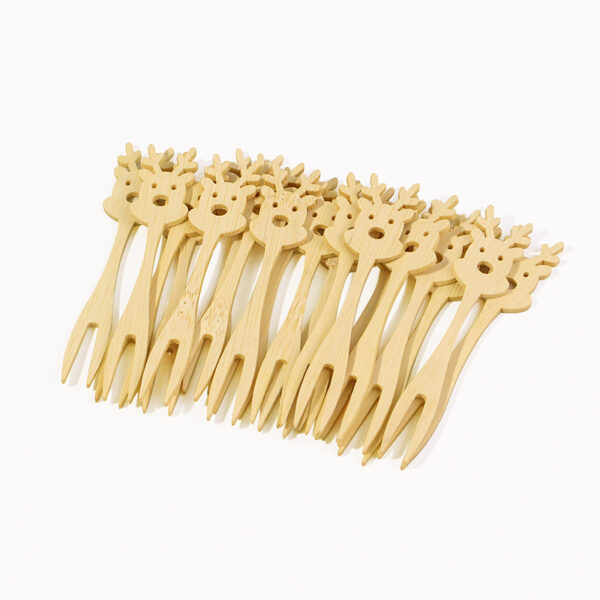
Bamboo Fruit Fork – Creative Elk Design Bulk & Wholesale S...
MOQ:5 CartonsMATERIAL:Bamboo -
ECO
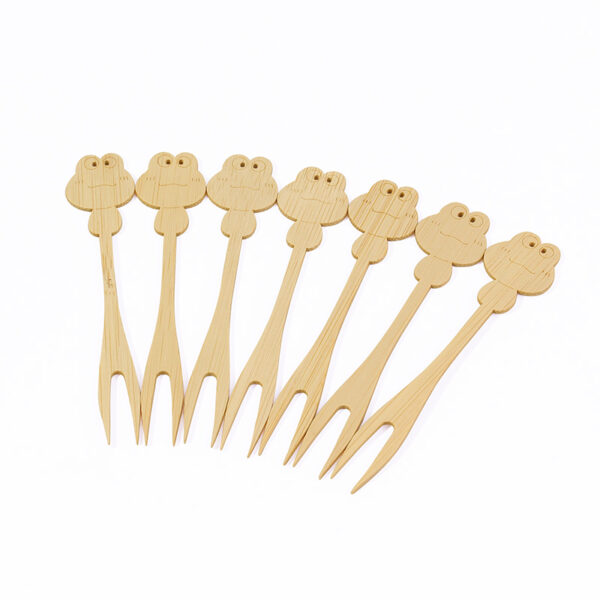
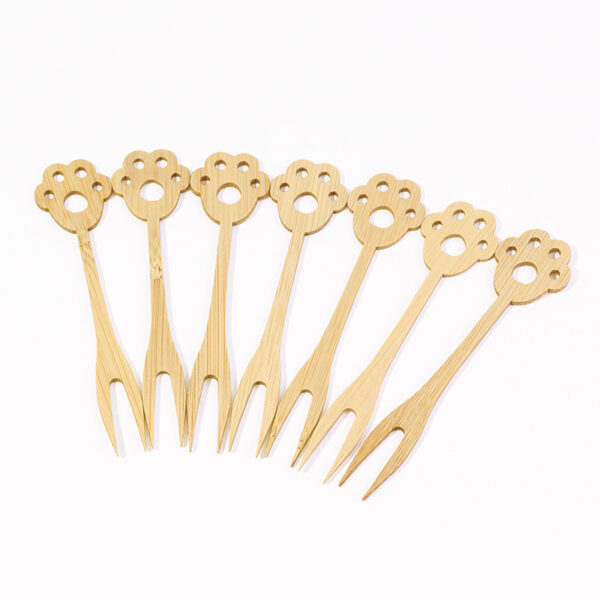
Bamboo Fruit Fork – Cute 9 cm Bulk & Wholesale Supply...
MOQ:5 CartonsMATERIAL:Bamboo -
ECO
Bamboo Fruit Fork – Cute Design 9CM Bulk & Wholesale Suppl...
MOQ:5 CartonsMATERIAL:Bamboo -
ECO
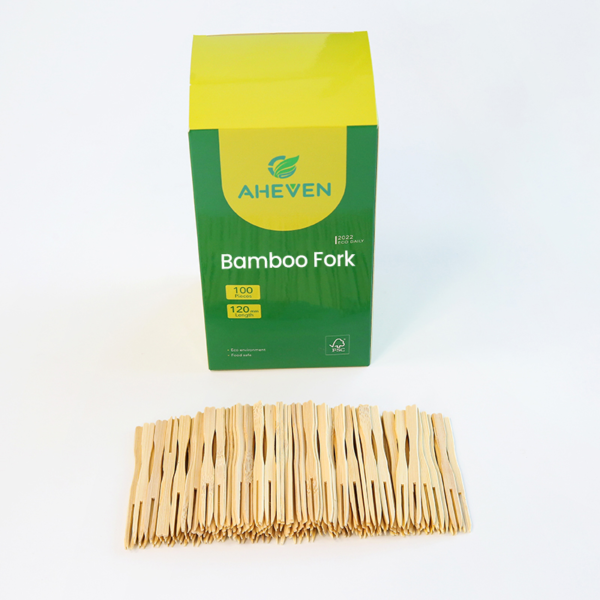
Bamboo Fruit Fork, 9 cm, OPP Bag / Polybag / PET Box / Color Box...
MOQ:5 CartonsMATERIAL:Bamboo -
ECO
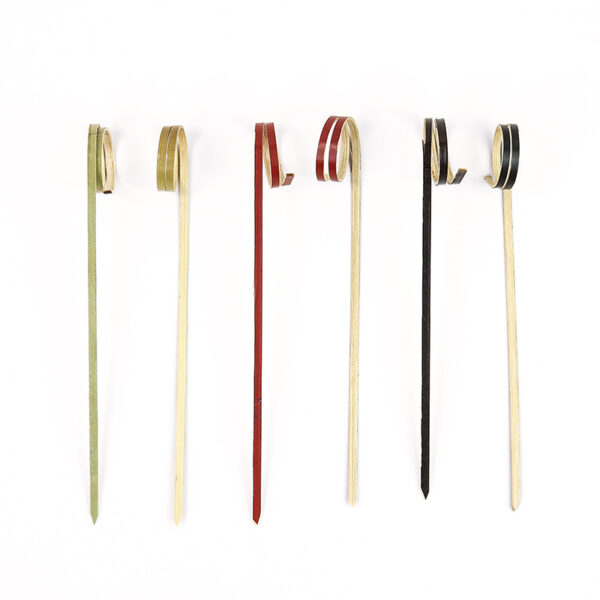
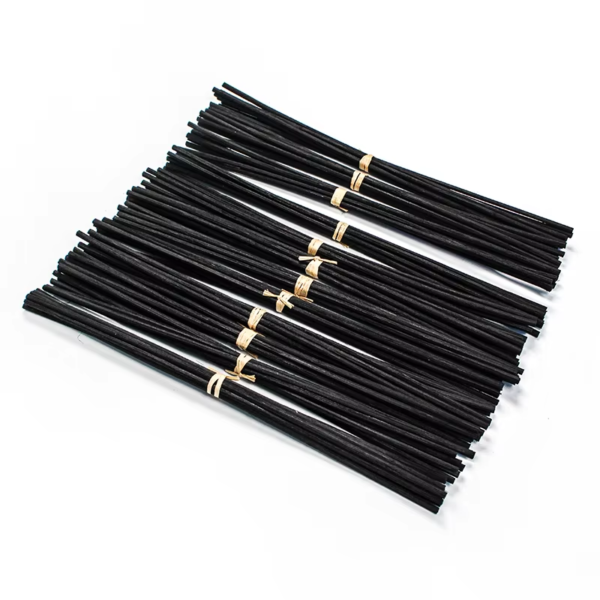
Bamboo Garden Sticks – Black & Green for Modern Floral Des...
MOQ:10 CartonsMATERIAL:Bamboo
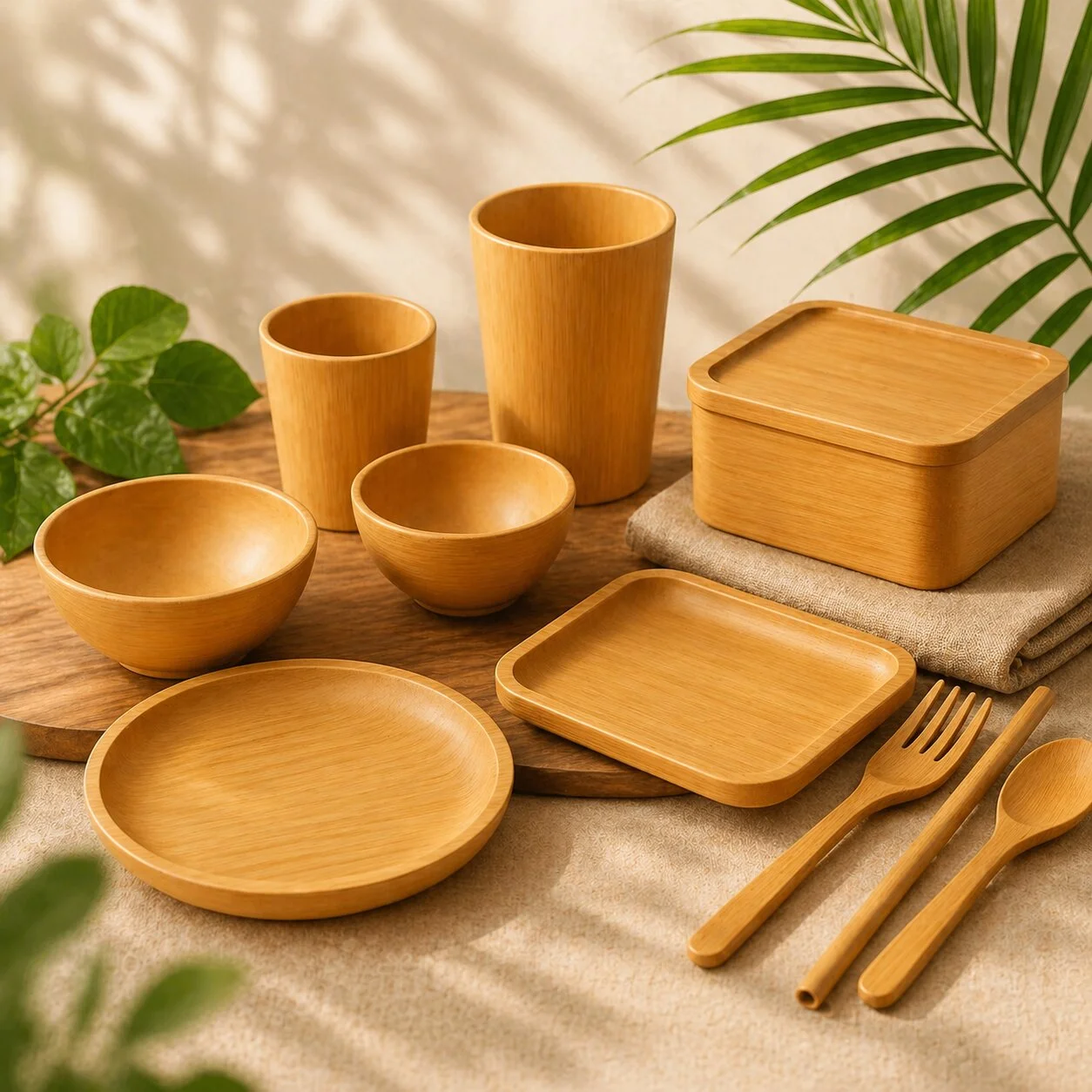
The Complete Bamboo Range Premium Eco Tableware From One Supplier
Bamboo is the material that started the eco-disposable revolution. Before bagasse containers and wooden cutlery entered the mainstream, bamboo was already replacing plastic in restaurants, hotels, and events worldwide. It was first because it deserved to be stronger than wood, smoother than paper, taste-neutral unlike most alternatives, and biodegradable in a fraction of the time plastic takes to decompose.
Today, bamboo disposable tableware is the premium tier of eco-friendly food service products. Not the cheapest (that is wood). Not the highest volume for containers (that is, bagasse). But the strongest, smoothest, most taste-neutral, and most versatile natural material for cutlery, chopsticks, skewers, straws, plates, picks, and every utensil that a customer touches directly during eating and drinking.
FriendlyBamboo supplies the complete range of bamboo disposable tableware in bulk: cutlery, chopsticks, skewers, straws, plates, picks, toothpicks, coffee stirrers, ice cream sticks, fruit forks, fruit sticks, flower sticks, poles, and party accessories. Every product from mature Moso bamboo with FSC, FDA, and ISO certification. One supplier for your entire bamboo tableware needs, shipping to 30+ countries for over 12 years.
Our Bamboo Tableware Categories
Bamboo Cutlery → The bamboo cutlery flagship product. Disposable forks, spoons, knives, and pre-wrapped sets. 140mm and 170mm. Stronger than wooden cutlery, completely taste-neutral, and with a smoother finish. The premium eco-friendly disposable cutlery for restaurants, hotels, events, and branded takeaway. From $0.02/pc.
Bamboo Chopsticks → Bamboo chopsticks like Tensoge, Genroku, Chinese Round, reusable, and custom sleeve. The #1 disposable utensil for Asian food service. Taste-neutral, oil-resistant, and available with custom-printed sleeves for restaurant branding. From $0.008/pair.
Bamboo Skewers → Round, flat, knotted, paddle, teppo, and cocktail picks. 3 inches to 36 inches. BBQ kebabs, cocktail garnishes, appetisers, festival food. The most versatile product in the range. From $0.003/pc.
Bamboo Straws → Reusable and single-use bamboo straws. 6mm to 12mm diameter. Natural, green, and yellow. The eco straw that does not go soggy like paper and does not cost like metal. Works for hot coffee, iced drinks, smoothies, and bubble tea. From $0.05/pc.
Bamboo Plates → Round bamboo plates, square plates, bowls, and skin boats. Natural bamboo grain makes the disposable look intentional. Each plate is unique. The premium eco-friendly disposable plate for events, styled dining, and food photography. From $0.08/pc.
Bamboo Picks → Round bamboo picks, paddle, knotted, flat, ball-top, and double-prong. Appetiser picks, sandwich holds, cocktail garnishes, and food markers. Paddle picks double as a laser-engraved branding surface. From $0.003/pc.
Bamboo Toothpicks → Round, flat, colored, mint-flavored, individually wrapped, boxed, and bottle-packed bamboo toothpicks. The everyday product every food service operation needs. From $0.001/pc.
Bamboo Coffee Stirrers → Flat and round stir sticks. 110mm to 190mm. Paper box dispensers, individually wrapped bamboo coffee stirrers. Completely taste-neutral will not affect coffee flavor, unlike some wooden stirrers. From $0.002/pc.
Bamboo Ice Cream Sticks → Flat edge and round edge popsicle sticks. 65mm to 150mm. Taste-neutral and moisture-resistant stays firm inside frozen products for 12-18 months, like bamboo ice cream sticks. The premium choice for gelato and artisan ice cream brands. From $0.002/pc.
Bamboo Fruit Forks → Elk, bird, cute character, kids, and plain designs. 9cm decorative picks for fruit platters, cheese boards, and dessert stations, bamboo fruit forks. The product where aesthetics drive the purchase. From $0.005/pc.
Bamboo Fruit Sticks → Bamboo fruit sticks Beaded, heart, star, flower, tulip, cactus, Christmas, and custom designs. 9-20cm. Decorative picks for cocktails, events, and themed food presentations. 12 designs and growing. From $0.005/pc.
Bamboo Poles → Natural, green plastic-coated, and carbonized black bamboo poles. 8mm to 100mm+ diameter. 60cm to 6 metres. Agriculture, landscaping, construction, events, interior design, and furniture. From $0.30/pc.
Why Bamboo Is the Premium Eco Material?
Every eco-friendly material has its strengths. Bamboo’s strength is that it has the most strengths.
Strongest natural disposable material. Moso bamboo has a Janka hardness comparable to hard maple and tensile strength comparable to steel. Bamboo cutlery pierces tough meats. Bamboo skewers hold heavy kebabs over open flame. Bamboo chopsticks grip oily food without slipping. No other disposable natural material matches bamboo for structural performance.
Completely taste-neutral. Unlike birchwood (faint woody note with hot food) and paper (papery taste in drinks), bamboo transfers zero taste to food or beverages. This matters for specialty coffee, delicate ice cream flavors, sushi, and any application where the utensil should be invisible to the palate.
Smoothest natural finish. Bamboo’s dense, tight fibre structure produces the smoothest surface of any natural material. Lower splinter risk than wood. Smoother lip feel than paper. The surface that touches your customer’s mouth should be the smoothest available — and bamboo delivers.
Fastest-growing plant on earth. Moso bamboo grows up to 91cm per day and reaches harvest maturity in 3-5 years. It regenerates from its root system without replanting. One bamboo grove produces material indefinitely. No deforestation. No replanting cost. The most renewable raw material in the eco-packaging industry.
Biodegradable in 3-6 months. Faster decomposition than wood (6-12 months) and comparable to bagasse (2-3 months). Compostable at home and commercially. Returns to soil as clean organic matter.
Bamboo vs Wood vs Bagasse — The Complete Material Guide
| Factor | Bamboo | Wooden (Birch) | Bagasse (Sugarcane) |
|---|---|---|---|
| Strength | Strongest — densest fibre | Good — can snap under force | Good — moulded fibre |
| Taste | Completely neutral | Faint woody note possible | Neutral |
| Surface finish | Smoothest natural material | Smooth with visible grain | Smooth, uniform |
| Splinter risk | Very low | Low | None (moulded) |
| Moisture resistance | Excellent — natural oil repellent | Moderate | Good |
| Biodegradable | 3-6 months | 6-12 months | 2-3 months |
| Cost | Mid-premium | Lowest eco option | Mid-range |
| Best product types | Cutlery, chopsticks, skewers, straws, plates, picks | Cutlery, plates, cups, stirrers, sticks | Bowls, containers, cups, plates, trays |
| Best for | Premium dining, hotels, events, branded, Asian food | Budget-first, high-volume, institutional | Takeaway, delivery, QSR, containers |
The strategy that works: Bamboo cutlery and chopsticks for premium dining and branded service. Wooden cutlery and stirrers for budget efficiency. Bagasse containers and plates for takeaway and delivery. All three materials from FriendlyBamboo — one supplier, one order, one shipment.
The Bamboo Supply Advantage
Unlike palm leaf (seasonal, limited supply) and some specialty woods (longer harvest cycles), bamboo supply is:
Scalable. Moso bamboo is farmed across millions of hectares in Asia. Supply grows with demand. No scarcity risk.
Year-round. Harvesting occurs throughout the year. No seasonal supply gaps. Consistent availability for recurring orders.
FSC certified. Our bamboo is sourced from FSC-certified forests — responsibly managed, independently audited, documented for your ESG reporting.
Vertically integrated. FriendlyBamboo controls the supply chain from bamboo forest to finished product. No middlemen inflating cost. No quality handoffs between multiple factories. One manufacturing partner manages your entire bamboo range.
Industries We Supply
Premium Restaurants and Hotels — Bamboo cutlery, chopsticks, plates, and picks for dine-in, room service, buffets, and events. The material that communicates quality at every touchpoint.
Asian Restaurants and Sushi Bars — Chopsticks, skewers, and cutlery. The core bamboo products for Japanese, Chinese, Thai, Korean, and Vietnamese food service.
Cocktail Bars and Lounges — Knotted picks, cocktail skewers, bamboo straws, and fruit sticks. Premium bar accessories from natural materials.
Event Caterers and Wedding Planners — Complete bamboo tableware sets: plates, cutlery, picks, and skewers. Eco-friendly, photogenic, and compostable.
Food Trucks and Street Food — Skewers, picks, and straws for grab-and-go service. Bamboo’s strength handles heavy, loaded food.
Ice Cream and Gelato — Bamboo ice cream sticks and stirrers. Taste-neutral for delicate flavors. Premium alternative to wooden sticks.
Agriculture and Landscaping — Bamboo poles for plant support, fencing, construction, and interior design. The non-food-service side of the bamboo range.
Wholesale Distributors — Complete private-label bamboo tableware programmes. The premium tier of any eco-product catalogue. Strongest margins on bamboo vs wood due to premium positioning.
How Bamboo Disposable Tableware Is Made
Bamboo tableware starts with the plant itself, not a factory input list. Moso bamboo is harvested at full maturity — five years or older — because younger canes lack the fibre density that gives bamboo its strength and smooth finish.
Step 1 — Harvesting. Mature culms are cut by hand at the base, leaving the root system intact so the grove regenerates without replanting.
Step 2 — Cutting and Splitting. Harvested bamboo is cut to length and split down into strips or blanks sized for the end product — flat stock for cutlery and plates, round stock for chopsticks, skewers, and picks.
Step 3 — Heat and Pressure Treatment. Strips are treated using heat and pressure to stabilise the fibre, even out moisture content, and kill any natural organisms — no chemical treatment, bleach, or adhesive involved at this stage.
Step 4 — Shaping. Depending on the product, blanks are carved, moulded, or pressed into final form: tines cut into fork blanks, chopsticks rounded and tapered, skewer tips sharpened, plates pressed into shape under heat.
Step 5 — Sanding and Finishing. Every piece is sanded to remove rough edges and splinters, which is what gives bamboo its characteristically smooth, mouth-safe surface.
Step 6 — Inspection and Packing. Finished pieces are checked for consistency, then packed loose, wrapped, or boxed to spec — including custom sleeve printing for restaurant branding.
Nothing synthetic enters the process at any point, which is part of why the finished product is completely taste-neutral. You can see how this plays out product-by-product in our complete guide to bamboo cutlery and how bamboo cutlery is made.
Quality Standards
Every product in the range is measured against the same bar before it ships, regardless of category:
- Structural strength — cutlery and skewers are tested against real-world stress: piercing tough meat, holding loaded kebabs over flame, gripping oily food without slipping.
- Taste neutrality — verified against hot food, cold drinks, and delicate flavours like specialty coffee and ice cream, where any woody or papery taste would be a defect, not a characteristic.
- Surface finish — sanded and inspected for splinter risk, since these are products that touch the customer’s mouth directly.
- Moisture resistance — checked for performance in frozen, iced, and hot-liquid applications, from bamboo ice cream sticks staying firm for 12-18 months in freezer conditions to bamboo straws holding shape through a drink rather than going soggy.
- Certified sourcing and manufacturing — FSC-certified bamboo, FDA 21 CFR 177 food-contact compliance, and ISO 9001 / ISO 14001 controls apply across the catalogue, from bamboo cutlery down to bamboo toothpicks.
One quality standard across cutlery, chopsticks, skewers, straws, plates, and picks is what makes private-label programmes possible without re-qualifying each product line separately.
Sustainability
Bamboo’s sustainability case starts with the plant, not the disposal method. Moso bamboo is the fastest-growing plant on earth, gaining up to 91cm a day and reaching harvest maturity in three to five years. Because it regenerates from its own root system, a single grove keeps producing indefinitely — no replanting, no deforestation, no land turnover between harvests.
That renewable advantage carries through the full lifecycle:
- Fast biodegradation. All bamboo products break down in 3-6 months under composting conditions — faster than wood (6-12 months) and close to bagasse (2-3 months) — and are compostable both at home and commercially.
- No chemical inputs. Products are shaped using only heat and pressure, with no adhesives, bleaches, or coatings, so what goes into the ground afterward is clean organic matter.
- Responsibly managed sourcing. Bamboo is sourced from FSC-certified forests, independently audited and documented for ESG reporting.
- Scalable without scarcity risk. Unlike seasonal materials such as palm leaf, bamboo is farmed across millions of hectares and harvested year-round, so supply grows with demand rather than constraining it.
For operations building a broader eco-packaging strategy, bamboo utensils pair naturally with bagasse containers for takeaway and delivery — see the full comparison in Why Bamboo Is Outpacing Plastic.
Country Regulations
Bamboo tableware sits ahead of most current and incoming packaging regulations, since it was never built around the chemical treatments now being restricted.
- European Union — The EU’s PFAS ban in food packaging takes effect August 2026. Bamboo products carry no PFAS or synthetic coatings of any kind, so no reformulation is needed to stay compliant.
- United States — State-level PFAS restrictions are leading federal policy, with Maine’s ban taking effect May 2026 and other states following similar timelines. Multi-state buyers increasingly standardize on PFAS-free products like bamboo to avoid managing different specs per state.
- FDA compliance (US) — Every food-contact product meets 21 CFR 177 standards for direct food and oral contact, verified with lab test reports available on request.
- Export and import markets — FSC sourcing and ISO 14001 environmental management give procurement and ESG teams a certification set that satisfies most import and retail-compliance checks without per-country documentation, and export paperwork including phytosanitary certificates is handled directly.
Certifications Across the Entire Range
| Certification | What It Verifies | Applies To |
|---|---|---|
| FSC | Bamboo sourced from responsibly managed forests | All products |
| FDA (21 CFR 177) | Safe for direct food and oral contact | All food-contact products |
| ISO 9001 | Consistent manufacturing quality | All products |
| ISO 14001 | Environmental management | All products |
| PFAS-Free | No chemicals, coatings, or treatments | All products |
One certification set covers your entire bamboo order. Simplifies procurement, ESG reporting, and audit compliance.
How to Order
Step 1 — Browse the categories above and select the products you need. Step 2 — Submit the bulk quote form with your complete product list, quantities, and delivery destination. Step 3 — We send a single consolidated proposal within 24 hours — all products, one quote, one shipment.
Consolidated bamboo ordering means lower per-unit freight, simpler procurement, one quality standard, and unified documentation. The more categories you order together, the more efficient your supply chain becomes.
Frequently Asked Questions
What bamboo disposable tableware products do you supply? Cutlery, chopsticks, skewers, straws, plates, picks, toothpicks, coffee stirrers, ice cream sticks, fruit forks, fruit sticks, and poles. The complete bamboo product range for food service, hospitality, events, agriculture, and retail — from one supplier.
What is bamboo tableware made from? Mature Moso bamboo harvested at 5+ years. Each product is processed using heat and pressure — no chemicals, adhesives, bleaches, or coatings. Bamboo is the fastest-growing plant on earth, regenerating from its root system without replanting. FSC certified for responsible sourcing.
Why choose bamboo over wooden tableware? Bamboo is denser, stronger, smoother, and completely taste-neutral. It resists moisture better and biodegrades faster (3-6 months vs 6-12 months for wood). Bamboo costs slightly more per unit but delivers premium quality, premium aesthetics, and premium brand perception. Choose bamboo when quality matters most.
Why choose bamboo over bagasse? Different products for different applications. Bamboo is best for items the customer handles directly — cutlery, chopsticks, skewers, straws, picks, plates. Bagasse is best for containers that hold food — bowls, boxes, cups, trays. Most operations use bamboo utensils with bagasse containers. We supply both.
Is bamboo tableware biodegradable? Yes. All bamboo products biodegrade in 3 to 6 months in composting conditions. Home compostable and commercially compostable. Made from natural bamboo with no plastic or synthetic materials. Returns to soil as clean organic matter.
Can I order multiple bamboo categories in one shipment? Yes. Cutlery, chopsticks, skewers, straws, plates, picks, toothpicks, and stirrers all in one consolidated shipment. One invoice, one freight cost. Consolidated ordering reduces per-unit shipping by 10-20% compared to sourcing each product separately.
Can I private-label the entire bamboo range? Yes. Private-label across all categories — your brand on cutlery wrappers, chopstick sleeves, skewer packaging, straw boxes, plate wraps, and all outer cartons. Build a complete premium eco tableware brand from one manufacturing partner.
Is bamboo tableware more expensive than wooden? Slightly. Bamboo cutlery costs roughly $0.02-$0.05/pc vs wooden at $0.01-$0.02/pc. The premium is 1-3 cents per piece — recovered through premium brand positioning, better taste neutrality, and stronger structural performance. For budget-first operations, wooden tableware is the alternative.
Is all bamboo tableware FDA certified? Yes. Every product meets FDA 21 CFR Part 177 for food and oral contact. No coatings or chemical treatments. Pure bamboo processed with heat and pressure only. Lab test reports available for the entire range.
Do you ship internationally? Yes. 30+ countries across North America, Europe, the Middle East, Asia-Pacific, and Australia. Sea freight and air freight available. Consolidated shipments optimise container loading. We handle all export documentation including phytosanitary certificates where required. FOB and CIF pricing available.
You May Also Need
Cocktail Picks → Bamboo Skewers → Bamboo Fruit Forks → Bamboo Fruit Sticks → Bamboo Toothpicks → Bamboo Pole → Bamboo Cutlery → Bamboo Chopsticks → Bamboo Straws → Bamboo Plates → Bamboo Toothpicks →
Guides & Resources
The Complete Guide to Bamboo Cutlery → Why Bamboo Is Outpacing Plastic → Bamboo vs Plastic Cutlery → Bamboo Spoons vs Wooden Spoons → How Bamboo Cutlery Is Made → Disposable Wooden Forks → Are Bamboo Utensils Safe for Food → Custom Branded Bamboo Cutlery →