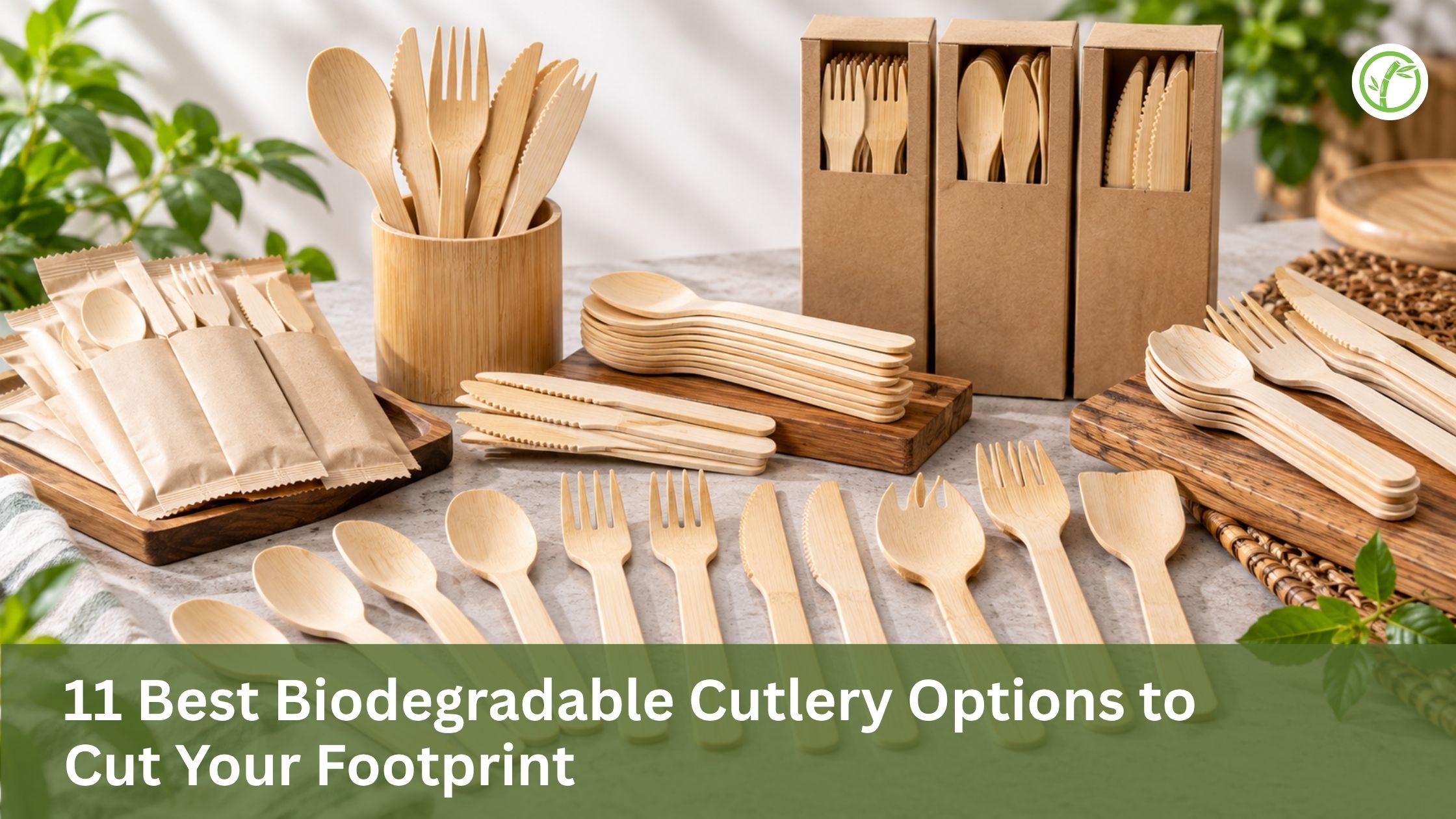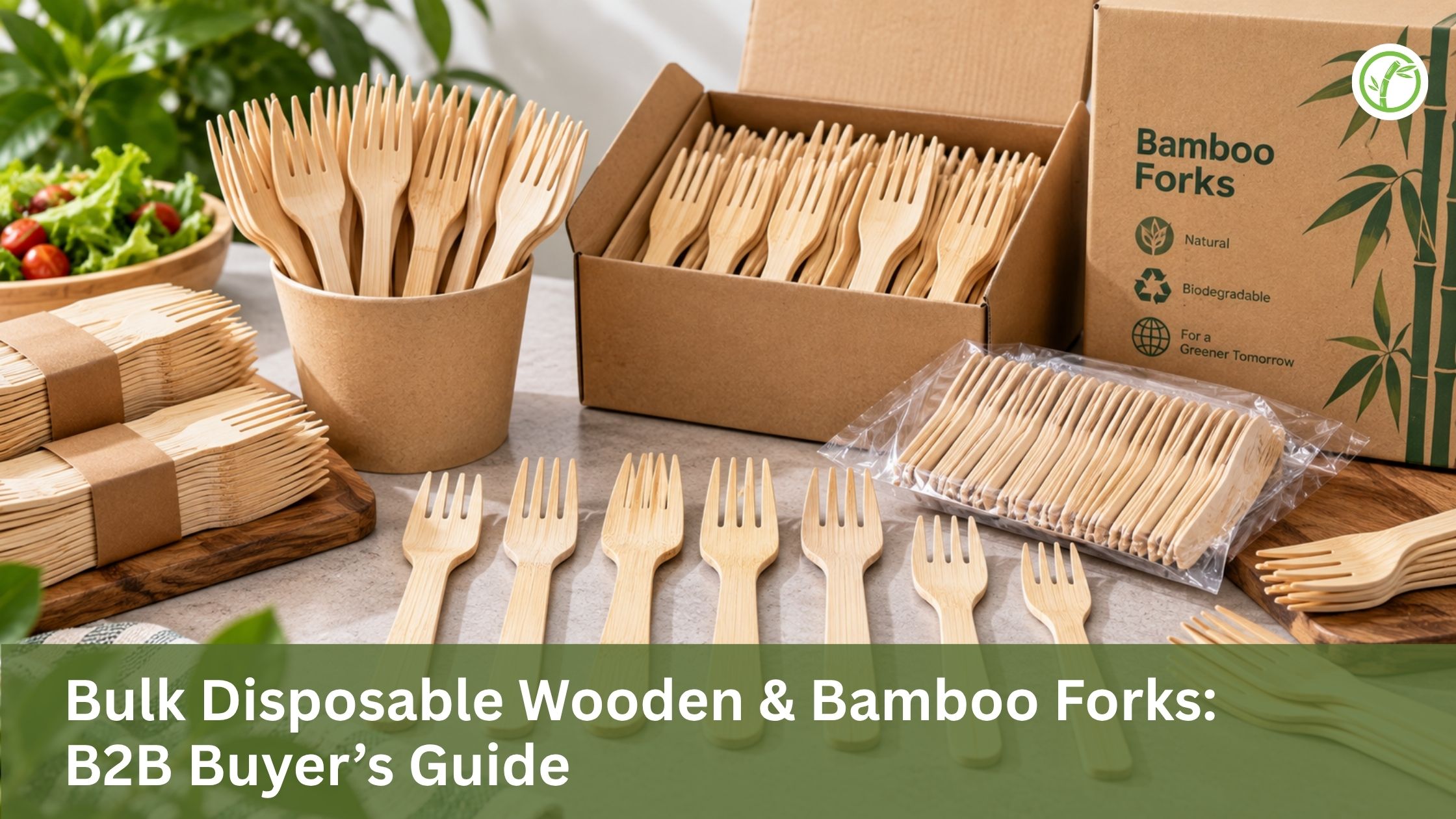
If you are sourcing bamboo cutlery for a restaurant, hotel, or food service operation, one question probably sits at the top of your mind: Are bamboo utensils safe for my customers?
It is a fair question. You are buying products that go directly into people’s mouths while they eat. You need certainty, not marketing claims. Here is everything you need to know about bamboo utensil safety, the science, the certifications, the manufacturing realities, and the red flags to watch for.
The Short Answer – Are Bamboo Utensils Safe
Yes, bamboo utensils are safe for food contact when manufactured correctly and sourced from a certified supplier. They are non-toxic, chemical-free, and approved for food contact under FDA and LFGB standards.
However, and this is important, not all bamboo products on the market are equal. The safety of your bamboo cutlery depends entirely on how it is made and who makes it. The material itself is safe. The manufacturing process is where quality control matters.
What Makes Bamboo Naturally Food-Safe
Bamboo has several inherent properties that make it well-suited for food contact.
It is naturally non-toxic. Raw bamboo contains no harmful chemicals, heavy metals, or synthetic compounds. Unlike some plastics that contain BPA, phthalates, or styrene, bamboo starts clean and stays clean, assuming nothing is added during manufacturing.
Bamboo contains a natural bio-agent called “bamboo kun.” This substance gives bamboo inherent antimicrobial properties, providing resistance to bacteria and fungi without any chemical treatment. This is one reason bamboo has been used for food preparation in Asian cultures for thousands of years.
Bamboo is also heat-stable. It can handle temperatures from -18°C to over 200°C without releasing any compounds or changing its structural properties. This makes it safe for hot soups, curries, grilled foods, and any other heated dish you might serve.
How Manufacturing Affects Safety
The raw bamboo is safe. The question is whether the manufacturing process keeps it that way.
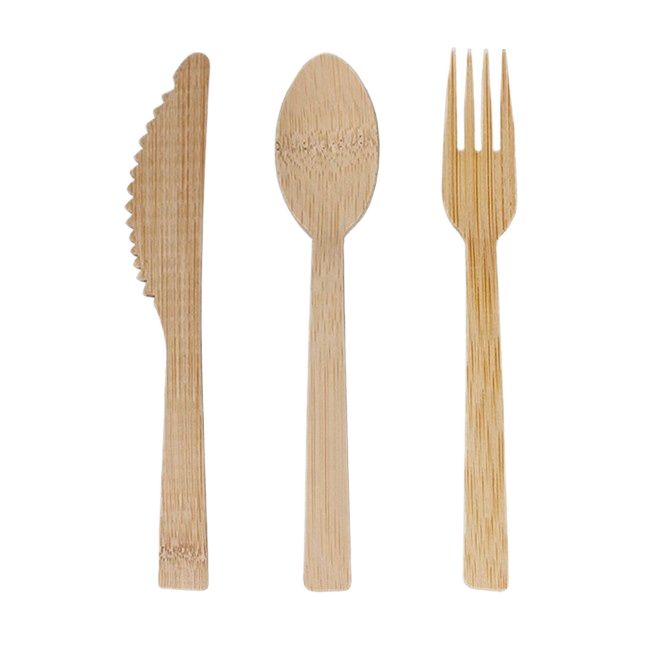
Quality bamboo cutlery manufacturing follows a straightforward process: harvesting mature Moso bamboo, splitting it into strips, steaming at high temperatures to remove natural sugars and starches, drying to controlled moisture levels, cutting into blanks, hot-pressing into shape, and sanding to a smooth finish.
The critical detail: this entire process is mechanical and thermal. No adhesives, no chemical coatings, no bleaches, no synthetic finishes. The heat and pressure of the hot-press process alone bonds the bamboo fibres and creates the final shape.
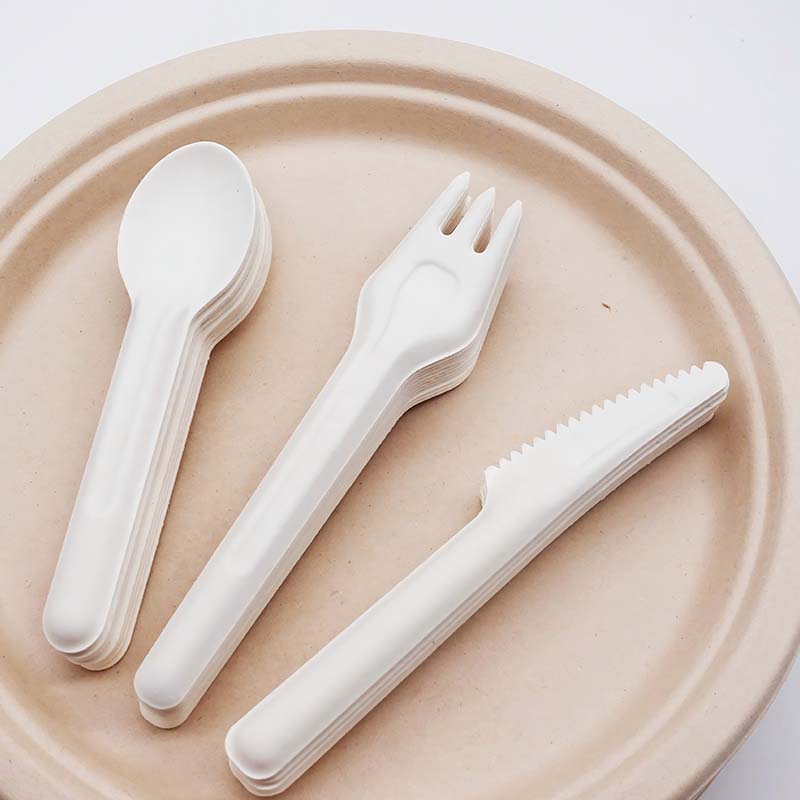
This is what separates legitimate bamboo cutlery from problematic products. Some cheaper bamboo composite products, particularly bamboo fibre plates and bowls, use melamine resin as a binding agent. Melamine-formaldehyde can leach into food at elevated temperatures and has been flagged by food safety authorities in Europe and elsewhere. These are not pure bamboo products; they are bamboo-composite products, and the distinction matters enormously.
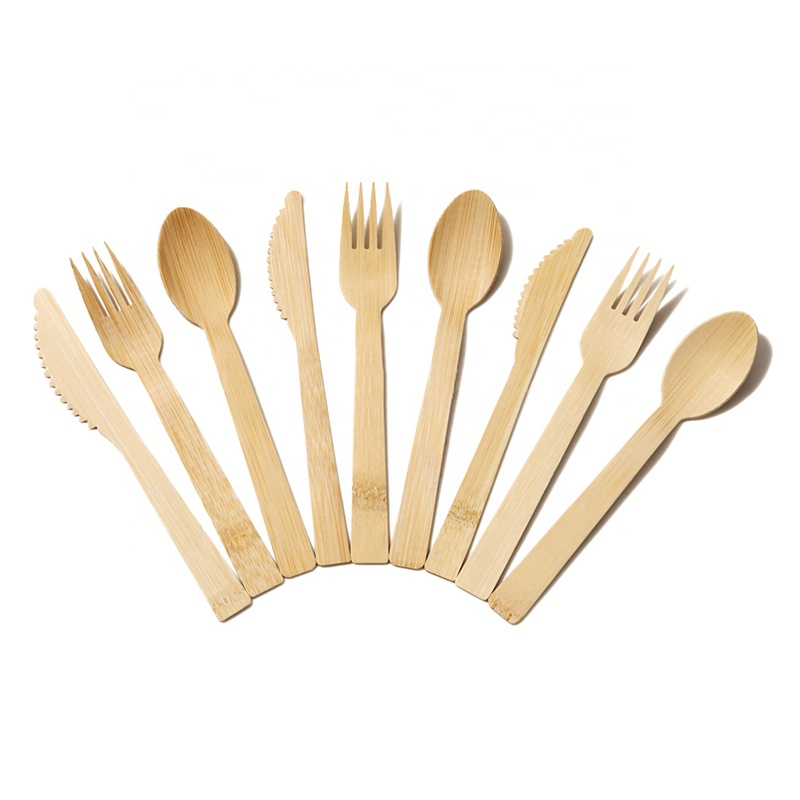
Disposable bamboo cutlery from reputable manufacturers is not made with melamine or any resin. It is solid bamboo, hot-pressed into shape. If your supplier cannot confirm this clearly and provide documentation, that is a red flag.
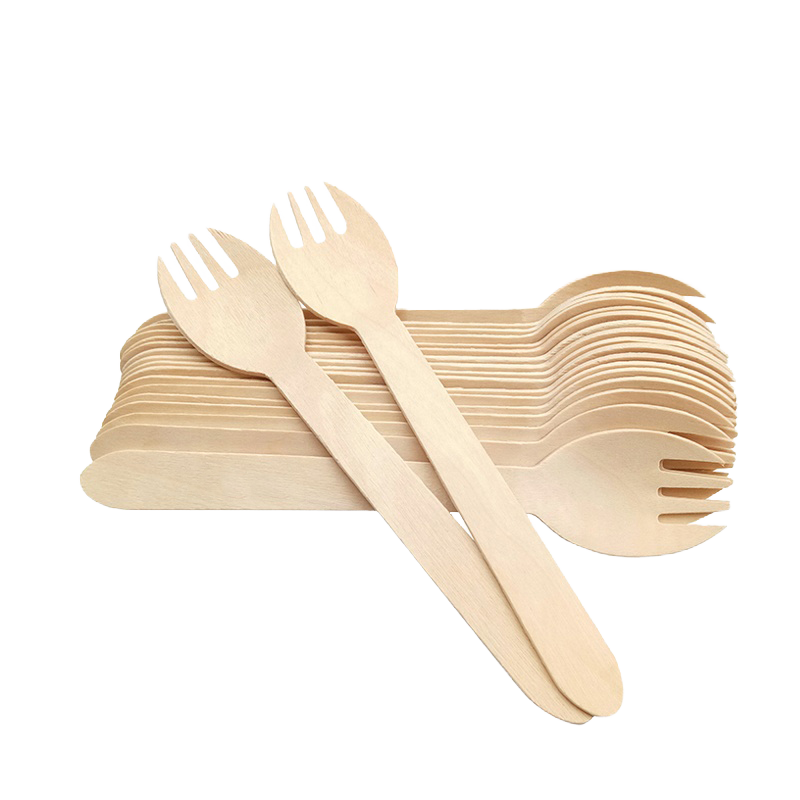
Also read – Wooden Cutlery Sourcing
FDA Compliance: What It Actually Means
When a bamboo cutlery supplier says their products are “FDA compliant,” it means the cutlery has been tested and meets the requirements of FDA 21 CFR Part 177 for food contact materials. This involves migration testing — verifying that no harmful substances transfer from the utensil to food under normal use conditions.
FDA compliance is not a one-time label. It requires ongoing testing, and responsible manufacturers maintain current test reports from accredited laboratories. When evaluating a supplier, ask for the specific FDA test report, not just a claim on their website.
For European markets, the equivalent standard is LFGB (Germany) or the broader EU Regulation (EC) No 1935/2004 for food contact materials. These standards require a Declaration of Compliance and supporting laboratory data.
PFAS: The Question You Should Be Asking
PFAS (per- and polyfluoroalkyl substances), sometimes called “forever chemicals,” have become a major concern in food packaging. They are used in some paper and fibre-based food packaging to provide grease resistance, and they do not break down in the environment or the human body.
Pure bamboo cutlery — made from solid bamboo with no coatings — does not contain PFAS. There is nothing in the manufacturing process that would introduce these chemicals. However, if a bamboo product has been coated or treated for water or grease resistance, PFAS could be present in the coating.
For disposable bamboo forks, knives, and spoons, coatings are unnecessary because the cutlery is not a container — it does not need to hold liquid or resist grease in the way a plate or bowl might. This makes bamboo cutlery one of the cleanest product categories in the eco-disposable space.
Still, when sourcing, it is worth explicitly asking your supplier: “Are your bamboo cutlery products PFAS-free?” A reliable supplier will say yes without hesitation and provide supporting documentation.
What About Mould and Bacteria?
One legitimate concern with any natural material is microbial contamination during storage and transport. Bamboo is an organic material, and if moisture control is poor during manufacturing or storage, mould can develop.
Quality manufacturers address this through several steps. High-temperature steaming during production kills existing bacteria and fungi. Controlled drying brings the moisture content to 6 to 10 percent — low enough to prevent microbial growth during storage. Proper packaging provides a moisture barrier during shipping and warehousing.
When your bamboo cutlery arrives, store it in a cool, dry environment below 65 percent humidity. Under these conditions, properly manufactured bamboo cutlery has a shelf life of 12 to 18 months with no safety concerns.
If you ever notice discolouration, spots, or an unusual smell on bamboo cutlery, do not use that batch. These are signs of moisture damage during manufacturing or transit, and they indicate a supplier quality control issue.
A Buyer’s Safety Checklist
Before you commit to a bamboo cutlery supplier for your food service operation, verify these five things:
First, confirm FDA or LFGB compliance with current lab test reports, not just a website claim.
Second, confirm that the cutlery is made from solid bamboo with no melamine, resin, or binding agents.
Third, confirm the product is PFAS-free with documentation to support the claim.
Fourth, request physical samples and inspect for splinters, rough edges, and consistent colour. The stocking test — running the cutlery across fine fabric — is a quick and effective quality check.
Fifth, verify that the manufacturer holds relevant certifications: FSC for sustainable sourcing, ISO 9001 for quality management, and ideally BPI for compostability verification.
If a supplier passes all five checks, you can serve their products to your customers with confidence.
For Further Readings:
eco friendly products for restaurant
eco friendly food packaging for small business
eco friendly products for hotels
eco friendly products for hospitals
eco friendly products for catering services
The Bottom Line
Bamboo utensils are among the safest food contact materials available — safer than many plastics, in fact. They are non-toxic, chemical-free, heat-stable, and naturally antimicrobial. The safety risk comes not from the material but from manufacturing shortcuts and poor quality control.
Choose a certified supplier. Ask for documentation. Inspect samples. And then stop worrying about safety — because properly made bamboo cutlery gives your customers a cleaner eating experience than the plastic it replaces.
Browse our FSC, FDA, and ISO certified bamboo cutlery range →