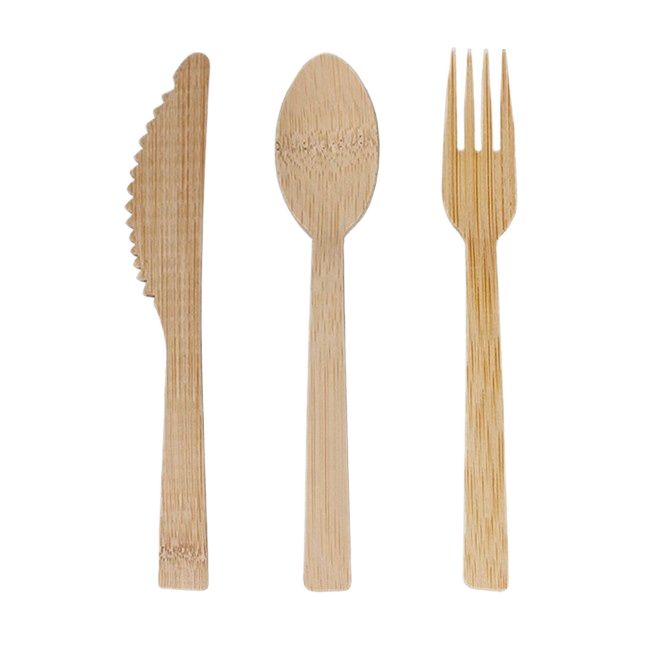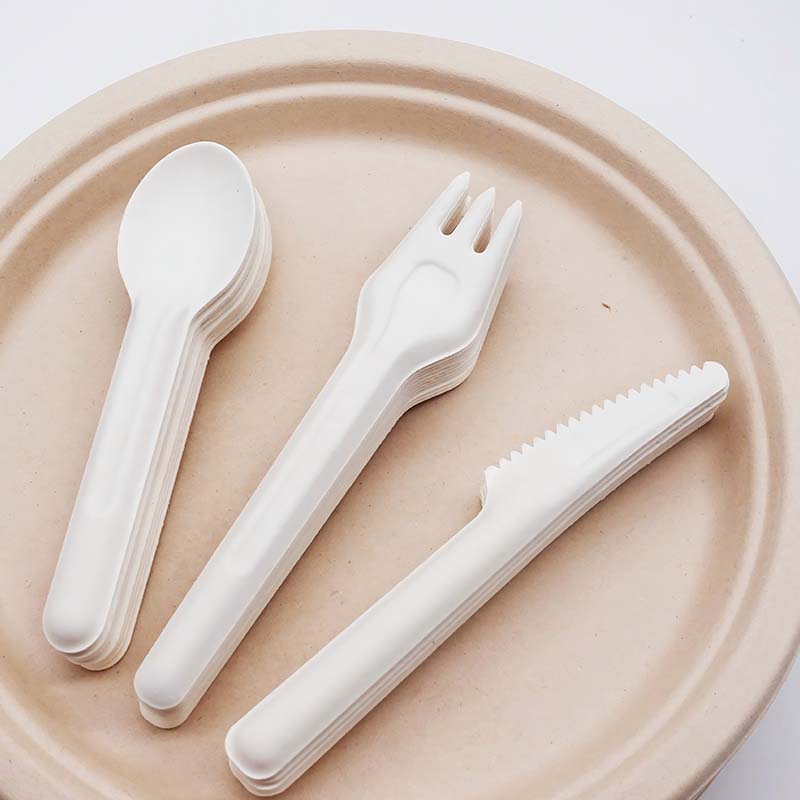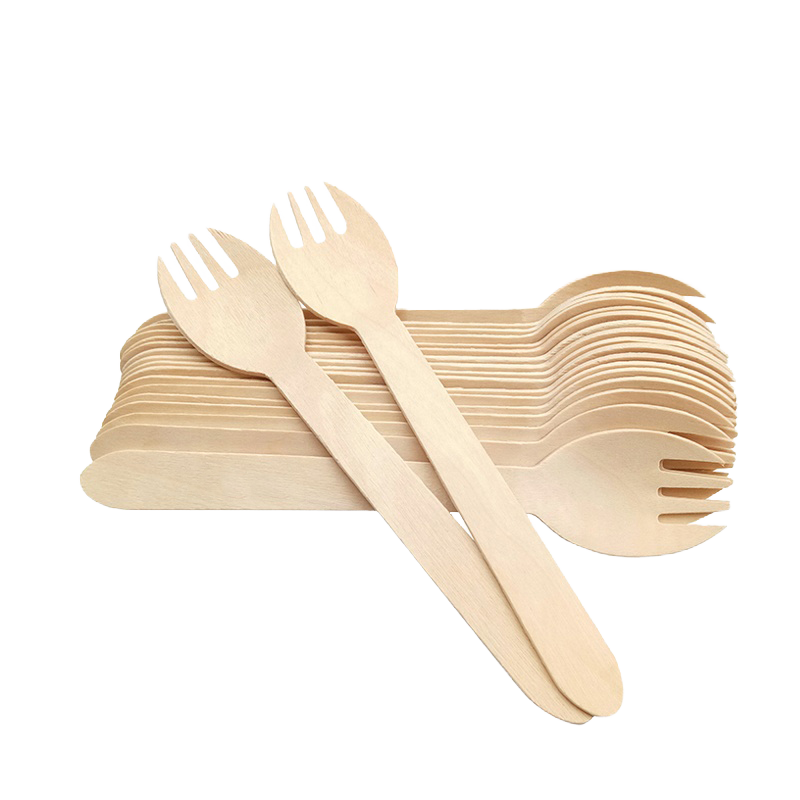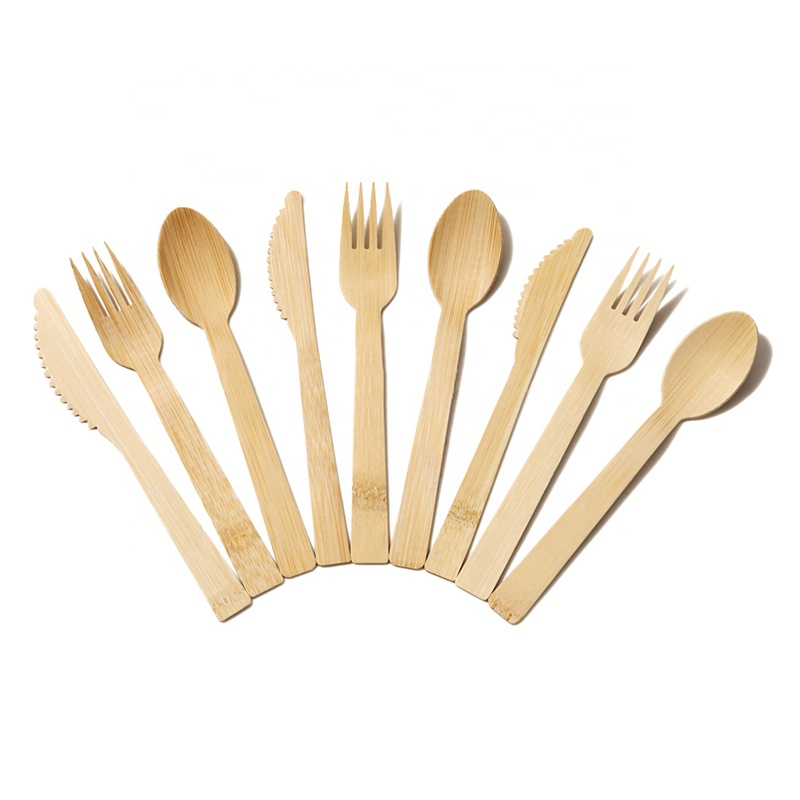
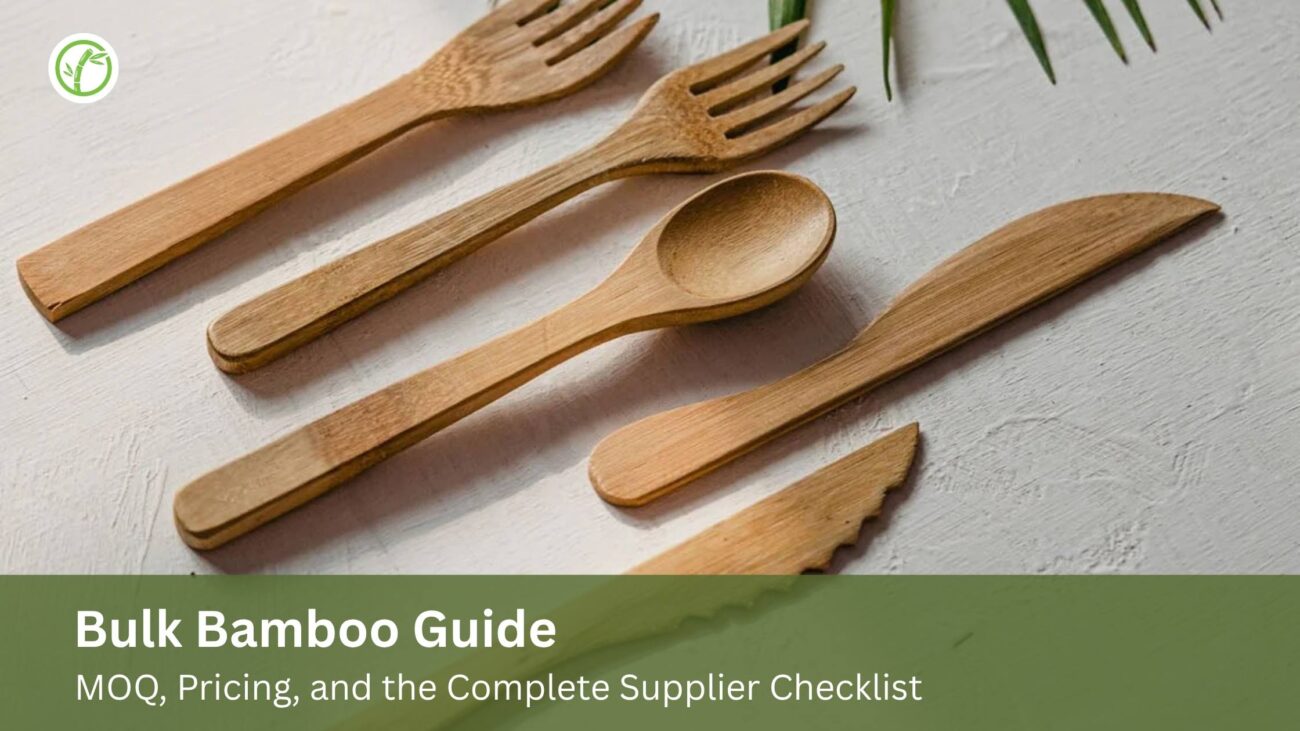
You have decided to buy bamboo utensils in bulk. The product makes sense. The sustainability credentials check out. Your customers want it. Now comes the part that actually determines whether this goes smoothly or turns into a procurement headache: choosing the right supplier and getting the order details right.
This article gives you the hard numbers — MOQs, pricing ranges, lead times — and a practical checklist for evaluating any bamboo utensil supplier before you commit to volume.
What MOQs to Expect
Minimum order quantities for bamboo utensils vary based on the product type and customisation level.
Standard unbranded products — forks, spoons, knives sold as individual items in bulk packing — typically start at 10,000 to 50,000 pieces per order. Some suppliers offer lower entry points of 5,000 pieces for first-time buyers who want to test the product before scaling.
Pre-packaged cutlery sets — fork, knife, spoon, and napkin in a wrapper — usually have MOQs of 5,000 to 20,000 sets because the assembly and packaging add complexity.
Custom branded products — laser-engraved utensils or printed wrappers with your logo — generally require 10,000 to 50,000 pieces minimum. The higher MOQ reflects the setup costs for engraving templates or print plates.
Full private-label programmes — your brand across all packaging and documentation — typically start at 20,000 to 50,000 sets.
Insight: Many first-time buyers over-order because they do not know their consumption rate. A smarter approach is to place a smaller initial order (at the supplier’s minimum MOQ), track your actual weekly usage for 4 to 6 weeks, and then calculate your ideal reorder volume and cadence. This avoids both stockouts and dead inventory.
At FriendlyBamboo, we offer flexible MOQs designed for businesses at every stage — from a single-location restaurant testing bamboo for the first time to a national distributor placing six-figure orders.
Pricing Benchmarks
Pricing depends on product type, size, volume, customisation, and shipping terms. Here are current benchmarks for reference.
Individual bamboo forks (170mm, unbranded, bulk packed) at 50,000+ units: $0.02 to $0.04 per piece.
Individual bamboo spoons (170mm, unbranded, bulk packed) at 50,000+ units: $0.02 to $0.04 per piece.
Individual bamboo knives (170mm, unbranded, bulk packed) at 50,000+ units: $0.03 to $0.05 per piece. Knives are slightly more expensive due to the serration process.
Three-piece cutlery set (fork, knife, spoon, napkin, kraft wrapper) at 20,000+ sets: $0.08 to $0.15 per set unbranded, $0.12 to $0.20 per set with custom branding.
Insight: Pricing in the bamboo cutlery market has dropped approximately 25 to 30 percent over the past five years as production volumes have scaled globally. The current pricing trajectory suggests further gradual decreases as manufacturing automation improves and raw material supply expands. For procurement planners, this means locking into annual volume contracts may secure better rates while the market continues to mature.
These benchmarks are FOB (Free on Board) prices. Your landed cost will include shipping, customs duties (if applicable), and local logistics. Always request a CIF (Cost, Insurance, and Freight) quote to get a true landed cost comparison.
Lead Times
Standard unbranded orders: 15 to 20 days production, plus shipping.
Custom branded orders: 20 to 30 days production (includes setup time for engraving or printing), plus shipping.
Shipping times vary by destination: 3 to 7 days by air, 20 to 35 days by sea. Sea freight is dramatically cheaper but requires more advance planning.
Insight: The single most common procurement mistake with bamboo utensils is ordering too late. If you need products for a specific event or seasonal peak, count backwards from your need date: shipping time plus production time plus 5 business days buffer. For a sea-shipped custom order, that means placing your order 8 to 10 weeks before the products need to be in your warehouse.
The 10-Point Supplier Evaluation Checklist
Before committing to any bamboo utensil supplier at volume, verify these ten points.
1. Certifications. Do they hold FSC, FDA, and ISO 9001? Can they provide current certificates and lab test reports? Verify FSC licence numbers on the FSC public database.
2. Physical samples. Have you received and tested physical samples? Run the stocking test on fork tines and spoon edges. Check colour consistency across samples.
3. Bamboo maturity. Do they use Moso bamboo harvested at five years or older? Can they confirm this?
4. Manufacturing process. Is the cutlery hot-pressed without adhesives, resins, or chemical coatings? Can they describe their process in detail?
5. Moisture control. What is the moisture content of the finished product? It should be 6 to 10 percent. Can they provide moisture testing documentation?
6. Production capacity. How many units can they produce per month? Can they scale if your orders grow by 50 percent?
7. Quality control process. What percentage of each batch is inspected? Is it automated, manual, or both? What is their defect tolerance?
8. Export experience. Do they ship internationally? Are they familiar with HS codes, customs documentation, and phytosanitary requirements for your destination market?
9. Communication. How quickly do they respond to enquiries? Do they assign a dedicated account manager? Can they communicate in your language?
10. References. Can they provide references from existing wholesale customers in your market? Have they supplied businesses similar to yours?
A supplier that passes all ten points is one you can build a long-term procurement relationship with. A supplier that fails on more than two should not get your business.
Insight: The most revealing question you can ask a potential supplier is: “What happens if a batch fails quality inspection?” The answer tells you everything about their quality culture. A good supplier has a documented rejection and rework process. A questionable supplier gets vague or defensive.
Placing Your First Order
Once you have selected a supplier and approved samples, your first order should follow this sequence:
Confirm product specifications in writing — size, quantity, packaging format, branding details. Get a formal proforma invoice with unit price, total cost, payment terms, and delivery timeline. Pay the deposit (typically 30 percent upfront, 70 percent before shipment). Receive production updates and pre-shipment inspection photos. Approve the final inspection and authorise shipment. Receive goods and verify against your order specification.
After your first successful order, establish a regular reorder schedule. Consistent ordering builds supplier trust, often unlocks better pricing, and ensures you never face a supply gap.