Wholesale Palm Leaf Plate Products – Bulk Supply & OEM Factory
FriendlyBamboo supplies bamboo straws wholesale to cafés, bubble tea chains, bars, hotels and distributors in 30+ countries. Choose natural or yellow Moso bamboo straws in 6–12mm diameters and 200–240mm lengths, packed in bulk bags, retail boxes or paper sleeves, with laser-engraved or private-label branding. Prices from $0.05 per straw at 10,000+ units.
Showing(All)
All Palm Leaf Plate
Showing all 4 results
-
 ECO
ECOBiodegradable Round Palm Leaf Plate – Premium Round Leaf Plate...
MOQ:10 CartonsMATERIAL:Bamboo -
ECO
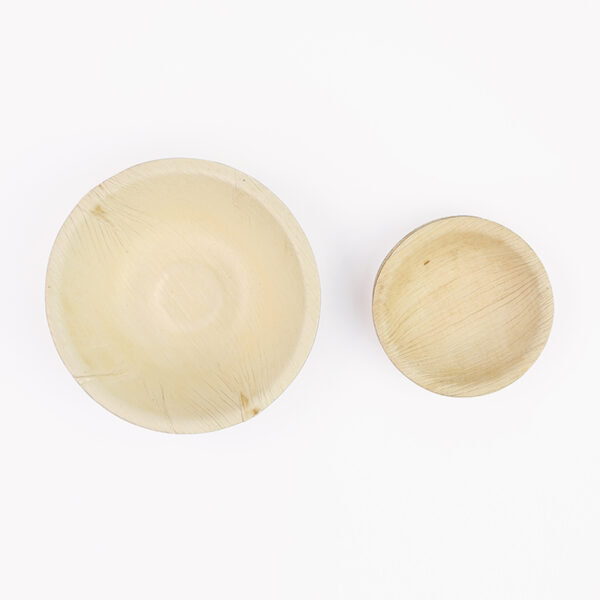
Disposable Palm Leaf Round Bowl – Premium Palm Leaf Bowl...
MOQ:10 CartonsMATERIAL:Bamboo -
ECO
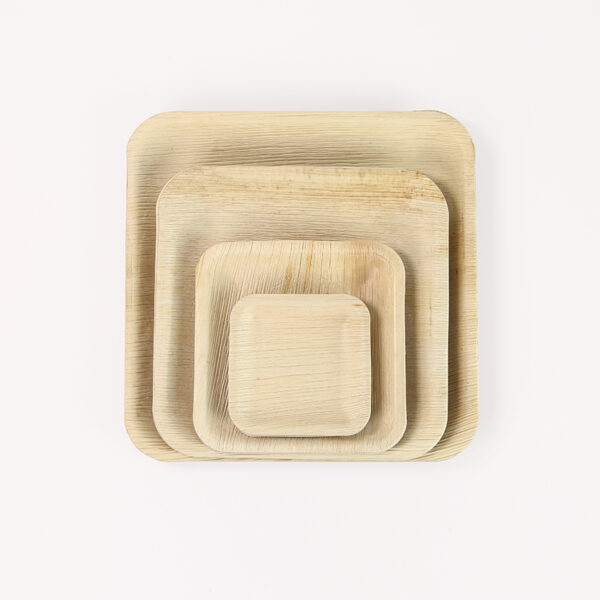
Eco-Friendly Square Palm Leaf Plate – Premium Square Leaf Plate...
MOQ:10 CartonsMATERIAL:Bamboo -
ECO
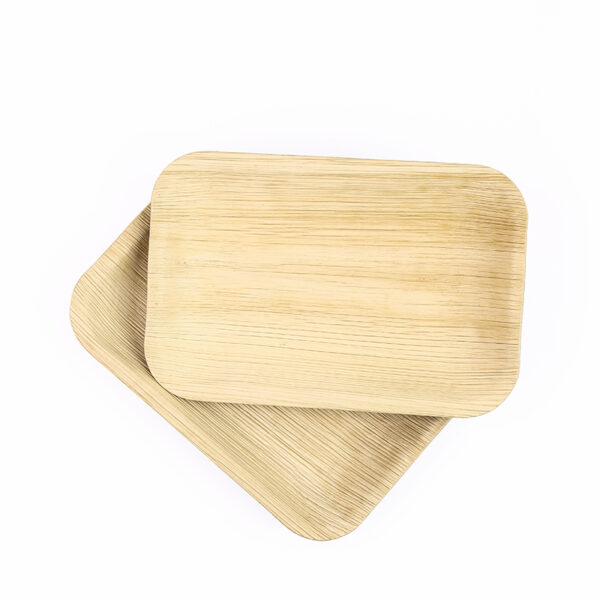
Nature Rectangle Palm Leaf Plate – Premium Rectangle Plate...
MOQ:10 CartonsMATERIAL:Bamboo
Your Palm Leaf Plates Wholesale Supplier
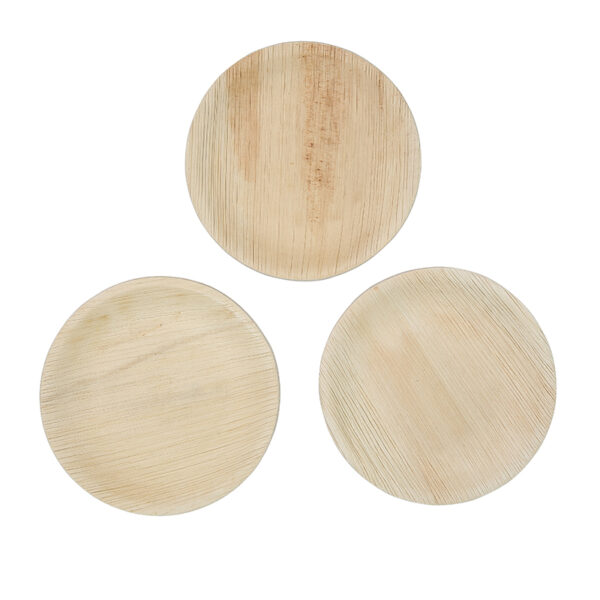
No two palm leaf plates are the same. That is not a quality control problem. That is the entire point.
Every palm leaf plate is pressed from a naturally fallen Areca palm leaf, collected from the ground, not harvested from a living tree. Each leaf has its own pattern of veins, ridges, and colour variation. When that leaf is cleaned, heat-pressed into a plate shape, and trimmed, the result is a disposable plate that looks like it was made by a craftsman, not a factory.
Palm leaf plates are the most visually distinctive eco-friendly disposable tableware on the market. No other material paper, bagasse, bamboo, wood, or plastic- offers the same combination of natural beauty, structural strength, and genuine sustainability. Each plate is a one-of-a-kind piece that turns a table setting into a conversation.
FriendlyBamboo supplies palm leaf plates in bulk to wedding planners, event caterers, premium restaurants, hotels, eco-product retailers, and wholesale distributors across 30+ countries for over 12 years. Round, square, and rectangle — every shape, every size, all from naturally fallen Areca palm leaves with FDA and ISO certification. Biodegradable, compostable, and truly zero-waste.
How Are Palm Leaf Plates Made?
The manufacturing process is as natural as the product.
Step 1 — Collection. Areca palm trees naturally shed their leaf sheaths as part of their growth cycle. These fallen sheaths are collected from the ground around palm plantations. No trees are cut. No branches are trimmed. No harm to any living tree. The raw material is literally waste that falls from the tree on its own.
Step 2 — Cleaning. Collected leaf sheaths are washed thoroughly with clean water to remove dirt, dust, and natural debris. No chemicals, bleaches, or detergents are used. Just water.
Step 3 — Heat-Pressing. The cleaned leaf sheath is placed in a heated press that moulds it into the desired plate shape — round, square, or rectangle. Heat and pressure are the only forces applied. No adhesives, no coatings, no binding agents. The natural fibres of the leaf bond under heat to create a rigid, food-safe plate.
Step 4 — Trimming and Inspection. The pressed plate is trimmed to its final dimensions and inspected for quality — surface smoothness, structural integrity, and dimensional consistency. Plates with significant defects are removed.
Step 5 — UV Sterilisation. Finished plates are UV sterilised to eliminate bacteria and ensure food safety. No chemical sterilisation. No gas treatment.
The result: a disposable plate made from one natural ingredient (a fallen leaf), processed with one input (heat and water), and finished with zero chemicals. From fallen leaf to finished plate with nothing added.
Available Types of Palm Leaf Plates
Palm Leaf Round Plates — Classic circular plates pressed from Areca palm leaf sheaths. Available in 6 inches (150mm) to 10 inches (250mm). The natural leaf vein patterns radiate across the plate surface, creating unique organic artwork on every piece. The round shape is the universal plate format — works for any cuisine, any occasion. Deep enough for saucy dishes with a natural rim that contains food. Rigid, sturdy, and surprisingly heavy for a disposable plate.
Palm Leaf Square Plates — Modern square profile with clean edges and the same distinctive leaf vein texture. Available in 6 inches to 10 inches. The geometric shape contrasts beautifully with the organic leaf pattern — contemporary form meets natural material. Popular with modern event styling, fusion dining, and design-forward food presentation. Stacks efficiently for storage.
Palm Leaf Rectangle Plates — Elongated rectangular plates for food items that suit a wider presentation. Available in medium and large sizes. Ideal for appetiser platters, sushi arrangements, charcuterie displays, and main courses where the food needs room to spread. The leaf pattern runs lengthwise along the plate, creating a natural grain direction that adds visual flow to food presentation.
Sizes Available of Palm Leaf Plates
| Shape | Sizes Available | Best For |
|---|---|---|
| Round | 6″ (150mm), 8″ (200mm), 10″ (250mm) | Main courses, appetisers, desserts, buffets, weddings |
| Square | 6″ (150mm), 8″ (200mm), 10″ (250mm) | Modern events, fusion dining, cocktail food, styled presentations |
| Rectangle | Medium, Large | Appetiser platters, sushi, charcuterie, sharing plates |
Which shape and size? Round 8-10 inch for main course service — the most popular for weddings and events. Square for contemporary, design-forward presentations. Rectangle for styled platters and sharing. Many event planners mix round for mains with square for appetisers to create visual variety across the table.
Wholesale Pricing of Palm Leaf Plates
| Product | Volume | Price Per Piece |
|---|---|---|
| Round plates 6″ | 5,000+ pcs | $0.10 – $0.18 |
| Round plates 8″ | 5,000+ pcs | $0.15 – $0.25 |
| Round plates 10″ | 5,000+ pcs | $0.20 – $0.35 |
| Square plates 6″ | 5,000+ pcs | $0.12 – $0.20 |
| Square plates 8-10″ | 5,000+ pcs | $0.18 – $0.35 |
| Rectangle plates | 5,000+ pcs | $0.18 – $0.40 |
| Custom branded / private label | 5,000+ pcs | $0.20 – $0.45 |
Palm leaf plates are the most premium-priced disposable plate on the market — and deliberately so. Each plate is handcrafted from a naturally fallen leaf. The supply is seasonal and limited by nature. The visual result is unmatched by any manufactured material. This is not a commodity product competing on pennies per piece. This is a premium eco-friendly disposable plate that commands premium pricing on your menu and at your events.
The math works because palm leaf plates justify premium food pricing. A $12 entrée on a paper plate looks like $12. The same entrée on a palm leaf plate looks like $18. Event planners charge more per head for palm leaf table settings. Restaurants charge more for dishes served on palm leaf. The plate pays for itself in perceived value.
How Palm Leaf Plates Wholesale Are Made
Most eco-tableware starts as a raw material that has to be grown, farmed, or manufactured specifically for the purpose. Palm leaf plates are the exception; the raw material already exists as waste before a single plate is made, which is exactly why sourcing from a genuine eco leaf plates wholesale exporter looks different from sourcing a manufactured “eco” product.
Step 1 — Collection. Areca palm trees naturally shed their leaf sheaths as part of their growth cycle. These fallen sheaths are collected from the ground around palm plantations; no tree is cut, no branch is trimmed, no living plant is touched. The raw material is agricultural waste that exists whether or not it’s turned into a plate.
Step 2 — Cleaning. Collected sheaths are washed with clean water only. No bleach, no detergent, no chemical whitening agent. This is also why no two plates ever look the same; the natural colour variation and vein pattern of each leaf survives cleaning untouched.
Step 3 — Heat-pressing. The cleaned sheath is placed into a heated mould and pressed into the target plate shape — round, square, or rectangle. Heat and pressure alone bond the leaf’s natural fibres into a rigid form. No adhesive, no resin, no binding agent is added at any point.
Step 4 — Trimming and inspection. Each pressed plate is trimmed to final dimensions and checked for surface smoothness, structural rigidity, and shape consistency before moving forward.
Step 5 — UV sterilisation. Finished plates pass through UV sterilisation to eliminate bacteria and confirm food safety — no chemical or gas-based sterilisation is used at any stage.
The complete input list, start to finish, is: one fallen leaf, water, heat, and UV light. Nothing else goes into the product. For a wholesale buyer comparing suppliers, that short input list is the single clearest signal of which exporters are running a genuine palm-leaf process and which are blending in cheaper pulp or coated fibre under the same label.
Quality Standards
A natural, variable raw material like a fallen leaf can’t be quality-controlled the way a uniform pulp or resin can so the standards that matter shift toward strength, hygiene, and consistency of shape rather than uniform colour.
Leaf intake grading. Collected sheaths are sorted before cleaning. Leaves that are torn, too thin, or degraded beyond an acceptable range are rejected before they reach the press, this is what keeps a “unique” plate from becoming a weak one.
Press temperature and pressure monitoring. Heat-pressing is tracked on every batch, since insufficient heat or pressure produces a plate that looks right but fails under a loaded meal. Under-pressed plates are removed at the trimming and inspection stage.
UV sterilisation verification. Because no chemical sterilant is used, UV dose and exposure time are logged per batch to confirm food-safety standards are actually met, not assumed.
Structural load testing. Finished plates are tested against the load palm leaf is known for holding hot, oily, saucy food one-handed without bending or leaking. This is the standard that separates palm leaf from thinner competing materials, and it’s checked on sample plates from every production run.
Dimensional consistency. Diameter, depth, and rim shape are checked against tolerance per shape and size, so a bulk order of 8-inch round plates arrives uniform in size even though every surface pattern is unique.
This is backed by documentation any legitimate eco leaf plates wholesale exporter should be able to produce on request:
| Certification | What It Verifies |
|---|---|
| FDA (21 CFR 177) | Safe for direct food contact — UV sterilised, no chemical residue |
| ISO 9001 | Consistent manufacturing quality across production runs |
| ISO 14001 | Environmental management in production |
| PFAS-Free | Zero chemicals — nothing added to the natural leaf |
Full certificate copies are available for procurement qualification and customs documentation on every wholesale order.
Sustainability
Palm leaf plates make a sustainability claim that few other single-use products can genuinely back up: the raw material was waste before it was a product, and it returns to waste organic, not synthetic, after use.
Zero cultivation impact. No land, water, or growing cycle is dedicated to producing the plate itself. Areca palms are grown for their nut crop; the leaf sheaths fall on their own as a by-product of that unrelated cultivation, and would otherwise be left to decompose in the field or be burned.
No water-intensive or chemical processing. Cleaning uses water alone. Shaping uses heat and pressure alone. Sterilising uses UV light alone. There is no pulping, bleaching, or chemical treatment stage of the kind moulded-fibre and coated-paper products require.
Genuinely fast biodegradation. Palm leaf plates compost in 60 to 90 days — faster than wooden plates (6–12 months) and comparable to bagasse, with no residue and no synthetic component to strip out at end of life.
A closed loop, not just a biodegradable product. This is the distinction worth making explicit to buyers: most eco-tableware is sustainable because of what happens after use. Palm leaf plates are sustainable at both ends — waste going in, organic matter coming out. It’s the strongest single sourcing story in our entire eco-tableware range, ahead of bamboo or wood.
Seasonal by nature, not by manufacturing shortcut. Supply follows the natural leaf-shedding cycle of Areca palms rather than a factory schedule a limitation, but also proof that nothing is being force-grown or chemically accelerated to meet demand.
For wholesale buyers building sustainability claims into their own marketing or ESG reporting, this sourcing story backed by FDA, ISO, and compostability documentation is typically the strongest data point available across an entire disposable tableware programme.
Country Regulations
Because palm leaf plates contain no plastic, no PFAS, and no synthetic coating of any kind, they clear essentially every current single-use plastics and food-contact PFAS regulation, which is a major reason demand from a reliable eco leaf plates wholesale exporter has grown fastest in the markets tightening those rules.
European Union. The EU Single-Use Plastics Directive and PFAS restrictions under REACH both exempt uncoated, plastic-free products like palm leaf plates from restriction entirely.
United States. State and municipal bans (California, New York, and 250+ other jurisdictions) increasingly restrict both single-use plastic and PFAS-treated “compostable” foodware. Since palm leaf plates use no coating or chemical treatment, they clear FDA 21 CFR Part 177 and the newer PFAS-specific bans that some coated fibre and moulded pulp products fail.
United Kingdom. Single-use plastics restrictions and food-contact material rules both permit uncoated natural-leaf tableware without additional exemption filings.
India. As the country of origin for Areca palm leaf, India’s national single-use plastics ban has driven strong domestic demand alongside export growth, with palm leaf recognised as a compliant, locally sourced alternative.
Middle East & GCC. The UAE and Saudi Arabia’s single-use plastic bans cover foodware broadly; palm leaf plates meet requirements as-imported, with no plastic content to restrict.
Australia, Canada, and other markets with active or proposed single-use plastic and PFAS rules treat uncoated palm leaf the same way, compliant by default, since there’s no synthetic material for the regulation to catch.
The practical upshot for wholesale buyers: working with an established eco leaf plates wholesale exporter means import compliance is rarely the bottleneck — supply-cycle timing is. Full certificates and compostability lab reports for customs filing across our 30+ export markets are available on the certifications page, and given the seasonal nature of the leaf supply, we recommend confirming destination requirements 6–8 weeks ahead via your bulk quote.
What Makes Palm Leaf Plates Unique
Every plate is one-of-a-kind. No two leaves have the same vein pattern. Every plate has unique markings, colour variations, and natural texture. This is the defining characteristic that separates palm leaf from every other disposable material. Manufactured materials (paper, bagasse, plastic) look identical piece to piece. Palm leaf looks handcrafted piece to piece.
They are made from waste — literally fallen leaves. The Areca palm tree naturally sheds its leaf sheaths. They fall to the ground. Workers collect them. No tree is harmed. No branch is cut. No plantation is modified. The raw material is agricultural waste in the purest sense it exists whether you make plates from it or not.
Zero chemicals in the entire process. Water for cleaning. Heat for pressing. UV for sterilisation. That is the complete list of inputs. No bleach. No coating. No adhesive. No chemical treatment of any kind. The product is as natural as the leaf it comes from.
They are structurally superior. Palm leaf plates are thick, rigid, and heavy. They hold hot, oily, saucy food without bending, leaking, or losing structural integrity. A loaded palm leaf plate can be carried one-handed across a wedding reception without concern. They outperform paper, bagasse, and most wooden plates on pure structural strength.
They handle heat, oil, and moisture. Naturally heat-resistant up to 180°C. Naturally oil-resistant — palm leaf fibre repels grease without coating. Naturally moisture-resistant for the duration of food service. No treatment needed for any of these properties. The leaf provides them inherently.
Palm Leaf Plates vs Bamboo Plates vs Bagasse Plates vs Wooden Plates
| Factor | Palm Leaf | Bamboo | Bagasse | Wooden |
|---|---|---|---|---|
| Aesthetic | Most unique — every plate different | Smooth grain, warm | Clean, uniform | Natural grain, warm |
| Visual uniqueness | Highest — leaf veins, colour variation | Subtle variation | No variation | Moderate grain variation |
| Strength | Excellent — thick, rigid | Very good | Good | Very good |
| Oil resistance | Excellent — inherent | Excellent | Good | Good |
| Heat resistance | Up to 180°C | Up to 200°C | Up to 120°C | Up to 180°C |
| Microwave safe | Yes (short durations) | Yes (short durations) | Yes | Yes (short durations) |
| Compostable | Yes — 60-90 days | Yes — 90-180 days | Yes — 60-90 days | Yes — 6-12 months |
| Supply consistency | Seasonal — limited by leaf fall cycle | Year-round — scalable | Year-round — scalable | Year-round — scalable |
| Cost (bulk) | $0.10-$0.40/pc — highest | $0.08-$0.35/pc | $0.03-$0.10/pc | $0.05-$0.20/pc |
| Best for | Weddings, premium events, boutique dining | Premium hotels, branded dining | High-volume takeaway, QSR | Events, food photography |
Where palm leaf wins: When the plate must be a talking point. Weddings, styled events, premium catering, boutique restaurants, food photography, and any occasion where guests will notice, comment on, and photograph the tableware. No other disposable material creates conversation the way palm leaf does.
Where other materials win: Bagasse for high-volume takeaway (lower cost, scalable supply). Bamboo for premium hotel dining (smoother, more consistent). Wood for food photography and rustic events (warm grain, lower cost). We supply all four — choose the material that fits your occasion.
Also Visit – wooden cutlery manufacturers china
Performance Features of Palm Leaf Plates
Thick and Rigid — Palm leaf plates are noticeably thicker and heavier than bagasse, paper, or standard wooden plates. They do not flex, bend, or sag under any normal food load. Hold a full plate one-handed at a standing reception with zero structural concern.
Oil and Grease Resistant — Natural palm leaf fibre repels oil without any coating. Oily curries, buttery sauces, and greasy grilled food are contained without soaking through. PFAS-free — no chemical treatment needed.
Heat Resistant (Up to 180°C) — Hot food goes directly onto the plate. Grilled meats, steamed dishes, and warm food are handled without warping.
Water Resistant — The pressed leaf surface resists moisture for the duration of food service (1-2 hours). Not designed for prolonged liquid storage, but handles sauces, dressings, and condensation without softening.
Biodegradable (60-90 Days) — Composts in commercial facilities within 60 to 90 days. Home compostable. Pure fallen leaf — no plastic, no coating, no chemicals. The most natural compostable plate available.
PFAS-Free — Zero chemicals in the entire product. No coatings, no treatments, no forever substances. From fallen leaf to finished plate with nothing added.
Food-Safe (FDA Certified) — Meets FDA food contact standards. UV sterilised. Safe for direct contact with all food types including hot, oily, acidic, and wet food.
Packaging Options for Palm Leaf Plates
Shrink-Wrapped Stacks — Plates stacked and wrapped in clear film. Pack counts: 10, 25, or 50 per stack. Standard for event caterers and restaurants.
Bulk Carton — Plates packed in master cartons with dividers. Lowest per-unit shipping cost.
Retail-Ready Box — Eco-friendly disposable plates in branded boxes for supermarket, kitchen store, and e-commerce sale. Party packs, wedding packs, and eco-starter kits.
Custom Branded Packaging — Your brand on wraps, boxes, or cartons. Private-label programmes available.
Custom Branding
Laser Engraving — Your palm leaf plates bulk logo engraved on the plate surface. The engraved mark against the natural leaf texture creates a striking, organic branded look. Popular for wedding monograms, event logos, and restaurant branding.
Branded Packaging — Your logo on retail boxes, shrink-wrap labels, and outer cartons. For palm leaf plates bulk
Private Label — Your brand on plates and all packaging. We supply eco-friendly disposable plates under your name. Ideal for eco-product retailers, wedding supply companies, and premium tableware distributors.
→ Request Custom Branding Quote
Certifications
| Certification | What It Verifies |
|---|---|
| FDA (21 CFR 177) | Safe for direct food contact — UV sterilised |
| ISO 9001 | Consistent manufacturing quality |
| ISO 14001 | Environmental management |
| PFAS-Free | Zero chemicals — nothing added to the natural leaf |
Industries We Supply
Wedding Planners and Event Caterers — The #1 market. Palm leaf plates are the wedding industry’s favourite eco-friendly disposable. The unique leaf pattern creates a natural, organic table setting that photographs beautifully. Brides and event planners choose palm leaf for the aesthetic — the sustainability is a bonus.
Premium Restaurants and Boutique Dining — Palm leaf plates for outdoor dining, pop-up events, tasting menus, and special occasions. The plate becomes a design element, not just a container.
Hotels and Resorts — Eco-friendly disposable plates for garden events, beach dining, pool parties, and outdoor banquets. When ceramic is impractical, palm leaf delivers the premium look without breakage risk.
Food Stylists and Photographers — The most photogenic disposable plate available. The leaf texture adds depth, warmth, and authenticity to food photography that no other material can match.
Eco-Product Retailers — Palm leaf plate sets in retail packaging for home entertaining. Wedding registries, party supply stores, and eco-lifestyle brands. Premium price point with strong margins.
Wholesale Distributors — Private-label palm leaf plate programmes for premium event supply and eco-product distribution.
How to Order Your Palm Leaf Plates Bulk
Step 1 — Choose your plate shape and size.
Step 2 — Submit the bulk quote form with quantities, branding needs, and delivery destination.
Step 3 — We send your tailored proposal within 24 hours.
Seasonal supply note: Palm leaf plates depend on the natural leaf-shedding cycle of Areca palms. Supply is consistent but not unlimited like manufactured materials (bagasse, wood). For large events or recurring orders, we recommend placing orders 6-8 weeks in advance to secure your allocation.
Frequently Asked Questions
What is the minimum order for palm leaf plates bulk? Standard orders start at 5,000 pieces for all shapes and sizes. Custom branded orders may require higher MOQs. Trial quantities available for event planners testing palm leaf for a specific event.
How much do palm leaf plates cost in bulk? Round 6-inch plates cost $0.10 to $0.18. 8-inch cost $0.15 to $0.25. 10-inch cost $0.20 to $0.35. Square plates are priced similarly. Rectangle plates cost $0.18 to $0.40. Palm leaf is the most premium disposable plate — priced for occasions where the plate is part of the experience, not just a container.
What are palm leaf plates made from? Naturally fallen leaf sheaths from Areca palm trees. Leaves are collected from the ground (no trees harmed), washed with water, heat-pressed into plate shapes, trimmed, and UV sterilised. Zero chemicals in the entire process. The most natural disposable plate possible.
Why does every palm leaf plate look different? Because every leaf is different. Palm leaf plates are pressed from natural leaves, and each leaf has its own unique pattern of veins, ridges, and colour. This natural variation is the defining characteristic — it is what makes palm leaf plates look handcrafted rather than factory-made. It is a feature, not a defect.
Are palm leaf plates strong enough for heavy food? Yes. Palm leaf plates are among the strongest disposable plates available. Thick, rigid, and heavy — they hold grilled meats, loaded buffet servings, and saucy dishes one-handed without bending. Structurally superior to paper, most bagasse, and many wooden plates.
Are palm leaf plates compostable? Yes. 100% biodegradable and compostable. Decompose in 60 to 90 days in commercial facilities. Home compostable. Made from a single fallen leaf with no chemicals, coatings, or additives. The plate returns to soil as organic matter.
Are palm leaf plates microwave safe? Yes for short durations at moderate power. Palm leaf plates can handle brief reheating. They are primarily designed as serving plates, not microwave containers. For regular microwave use, consider bagasse plates.
Are palm leaf plates waterproof? Water-resistant for normal food service duration (1-2 hours). They handle sauces, dressings, and food moisture without softening during a meal. Not designed for prolonged liquid storage or serving soup. For liquid food, use bagasse bowls.
What is the difference between palm leaf plates and bamboo plates? Palm leaf plates have dramatic, unique natural patterns — every plate is different. Bamboo plates have smoother, more consistent grain. Palm leaf is thicker and heavier. Bamboo is lighter and more uniform. Palm leaf is seasonal supply. Bamboo is year-round. Palm leaf costs more. Both are eco-friendly, biodegradable, and compostable. Choose palm leaf for visual impact. Choose bamboo for consistency. See bamboo plates →
Is the supply of palm leaf plates reliable year-round? Palm leaf supply depends on the natural leaf-shedding cycle. Supply is consistent but seasonal — more abundant in warm months, slightly limited in cooler months in some regions. We maintain stock to buffer seasonal variation. For large events or recurring orders, order 6-8 weeks in advance. For year-round scalable supply, consider bagasse plates or bamboo plates.
Can I get my logo on palm leaf plates? Yes. Laser engraving on the plate surface — the mark against natural leaf texture looks striking. Branded packaging for retail. Private-label programmes for distributors and event supply companies. Laser-engraved wedding monograms are particularly popular.
Do you ship internationally? Yes. 30+ countries. Sea freight (20-35 days) and air freight (3-7 days). Plates stack efficiently. We handle all export documentation. FOB and CIF pricing available.
You May Also Need
Bamboo Plates → Wooden Plates → Bagasse Plates → Bamboo Cutlery → Wooden Cutlery → Bagasse Bowls →
Guides and Resources
Why Bamboo Is Outpacing Plastic Worldwide → Top 5 Eco Trends in Food Packaging for 2026 → What Is Bagasse? Complete Guide → Are Bamboo Utensils Safe for Food? →