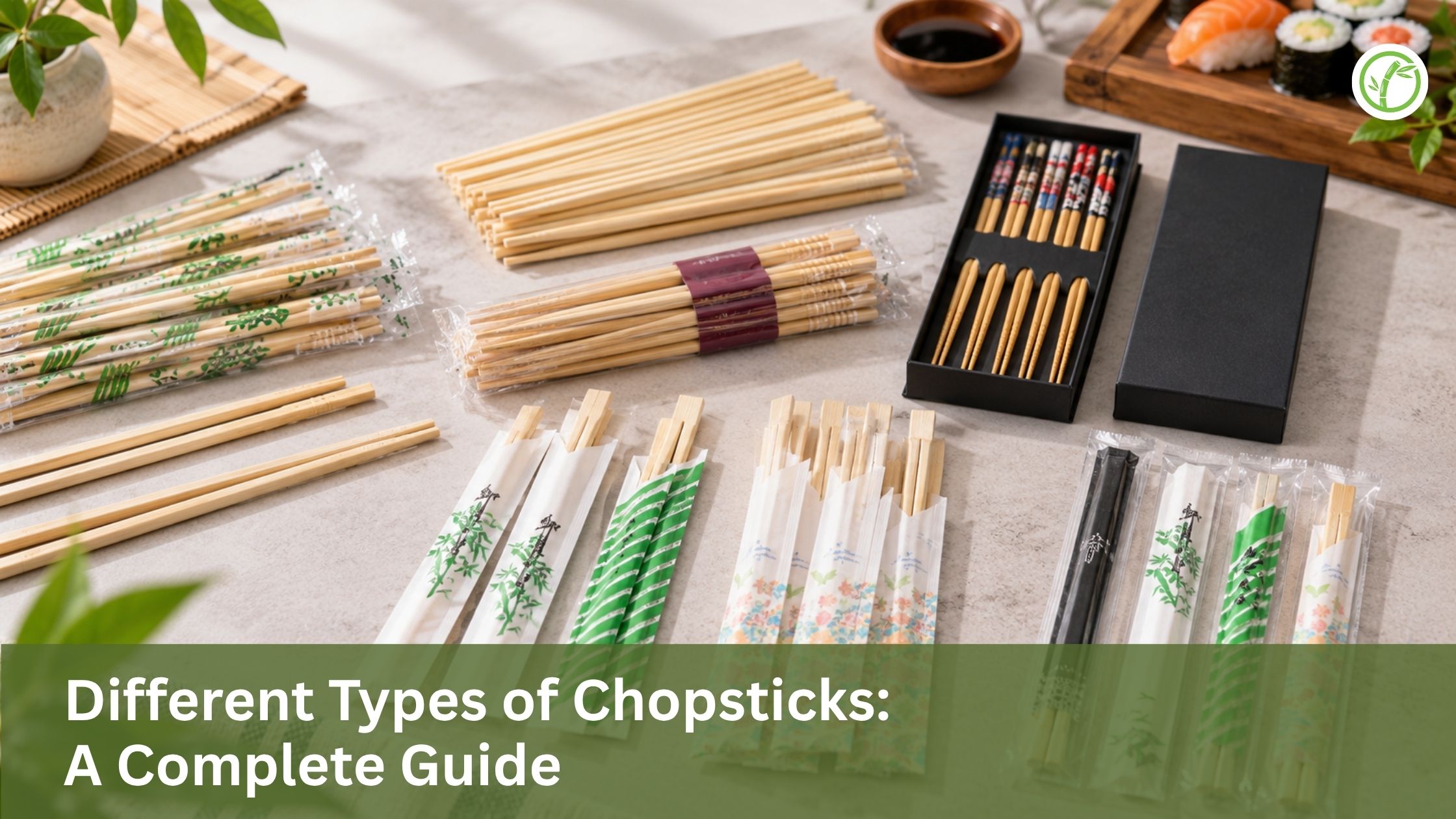
Chopsticks are one of the oldest eating tools still in everyday use and one of the most misunderstood by the businesses that buy them. Billions of people reach for a pair every day, yet the differences between a Chinese, Japanese, or Korean chopstick, or between bamboo and lacquered wood, are exactly the details that decide whether a restaurant’s cutlery feels authentic or off.
This guide covers the full picture: where chopsticks come from, how they differ by country, material, and design, and for the wholesalers, distributors, and foodservice buyers reading this how to source the right disposable chopsticks in bulk without ending up with splinters, warping, or compliance problems.
A Quick History: From Cooking Tool to Cultural Icon
Chopsticks first appeared in China more than 3,000 years ago, but not as eating utensils. Long sticks were originally kitchen tools, ideal for reaching into boiling pots or turning food over an open flame.
The shift to the dining table came later. As cooks increasingly cut food into bite-sized pieces before serving, table knives became unnecessary, and chopsticks emerged as the natural tool for picking up small portions cleanly. From China, the practice spread to Korea, Japan, Vietnam, and beyond each culture adapting the design to its own cuisine, etiquette, and materials, from humble bamboo to silver and gold.
That regional evolution is why “a chopstick” isn’t one product. It’s a family of them.
Types of Chopsticks by Country
The clearest differences show up when you compare chopsticks region by region. For any business serving a specific cuisine, matching the chopstick to the culture is a small detail that signals authenticity.
| Region | Length | Shape | Traditional Material | Why It’s Designed That Way |
|---|---|---|---|---|
| China | 25–30cm (longest) | Cylindrical/square, blunt tip | Bamboo, wood | Length reaches shared dishes on round tables; blunt tips grip larger portions |
| Japan | 20–23cm | Tapered to a fine point | Lacquered wood, bamboo | Pointed tips handle delicate foods like fish and deboning |
| Korea | 20–22cm | Flat, rectangular, blunt | Metal (stainless/brass) | Durable, hygienic; flat shape lifts banchan side dishes |
| Vietnam | 25–28cm | Long, slender, blunt | Bamboo, lacquered wood | Suited to noodle dishes and shared plates |
A few cultural notes worth knowing as a buyer:
- Japan has specialized sub-types: shorter children’s chopsticks, extra-long saibashi cooking chopsticks (up to 40cm), and disposable waribashi — the split-apart wooden pairs standard in restaurants.
- Korea almost always pairs chopsticks with a spoon, since rice and soup are eaten with the spoon. Historically, silver chopsticks were royal tools believed to detect poison.
- Thailand and Nepal use chopsticks mainly for noodle dishes, often influenced by Chinese culinary tradition.
Types of Chopsticks by Material
Material is the decision that most affects cost, sustainability, and the eating experience. Here’s how the main options compare.
Bamboo Chopsticks — The Sustainable Standard
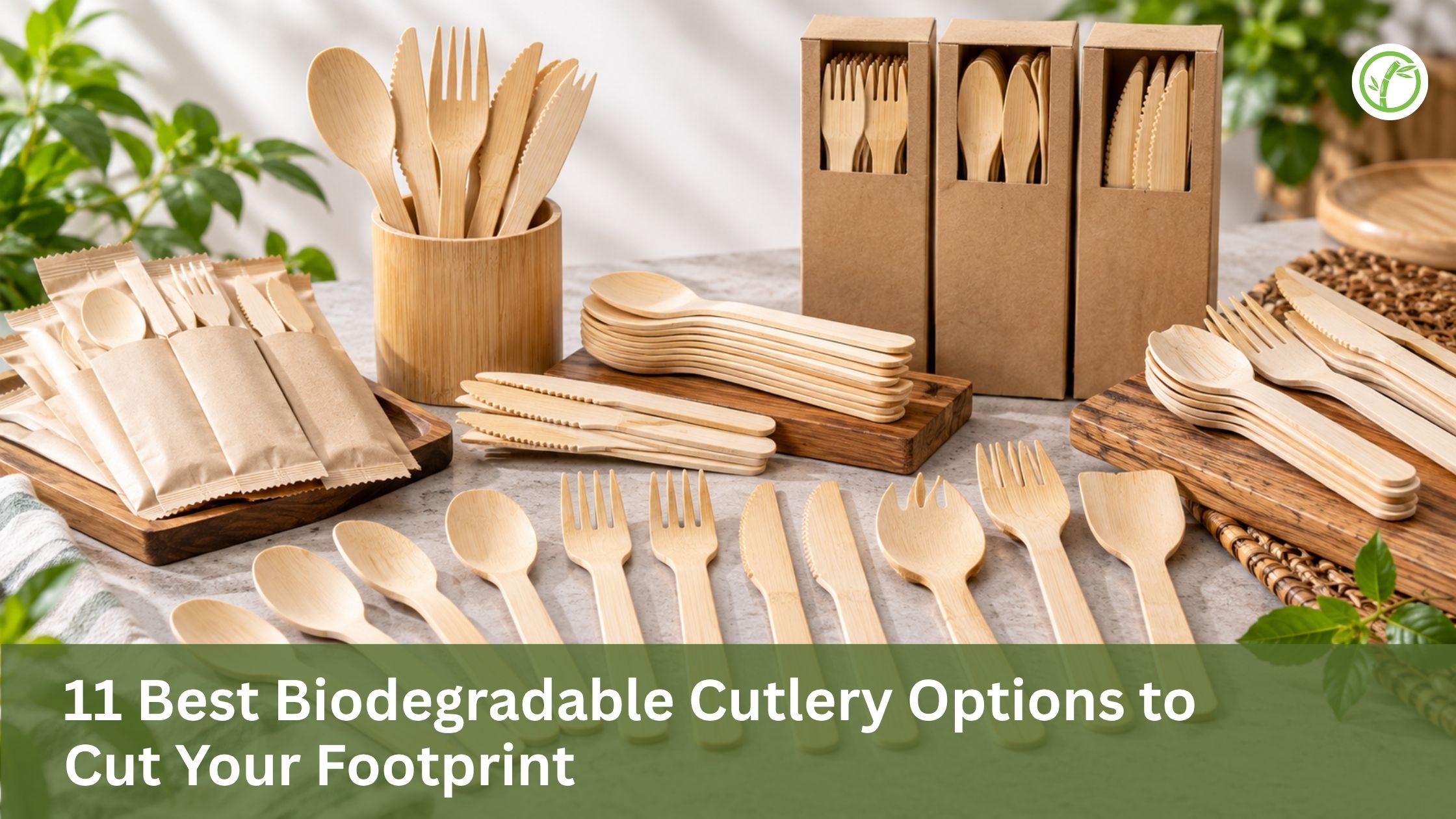
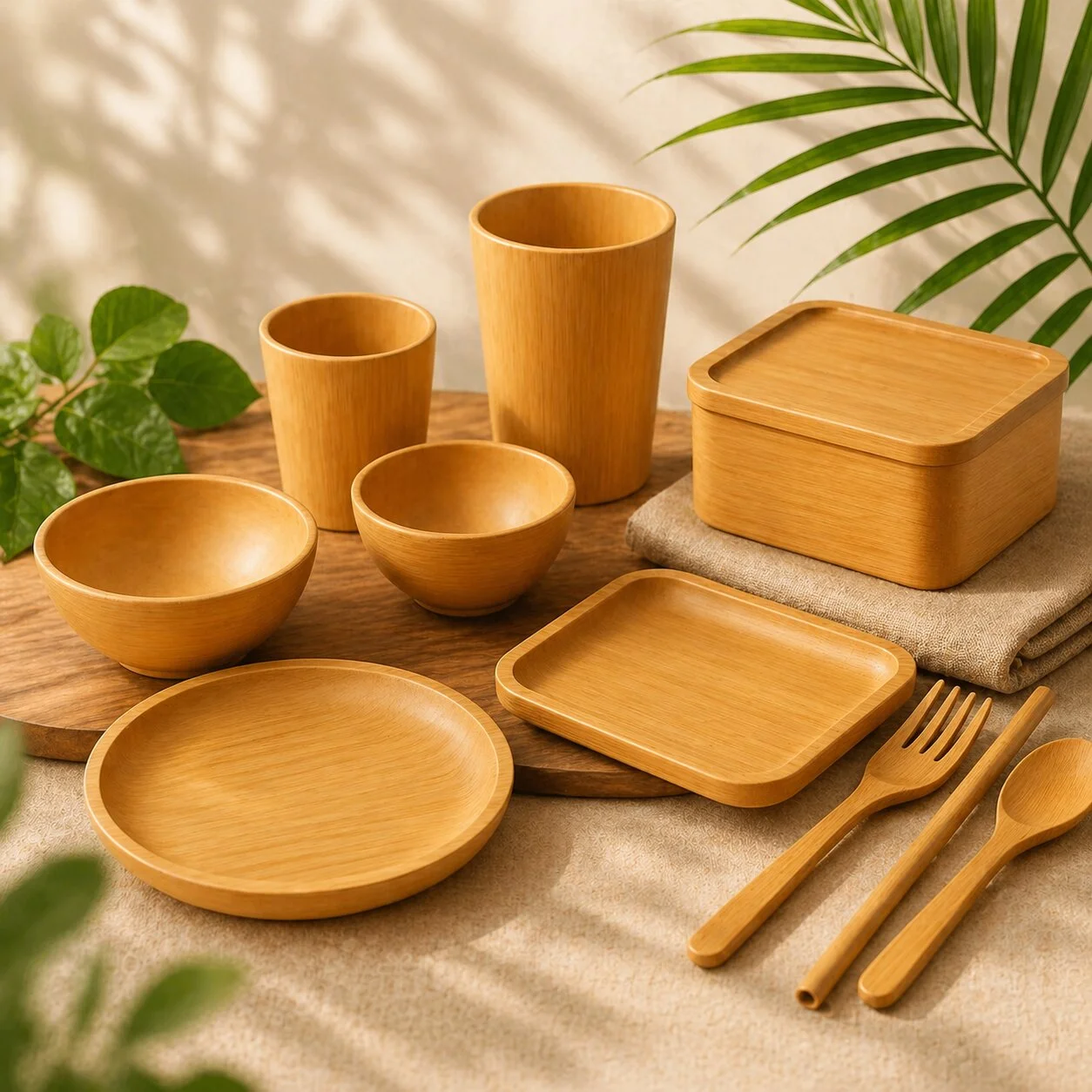
Bamboo has become the leading material for disposable chopsticks worldwide, and for good reason. It’s smooth, lightweight, naturally strong, and — crucially — rapidly renewable, regrowing in a few years without replanting. That makes disposable bamboo chopsticks more sustainable than most disposable hardwoods, which is exactly why eco-conscious restaurants and takeaways are standardizing on them.
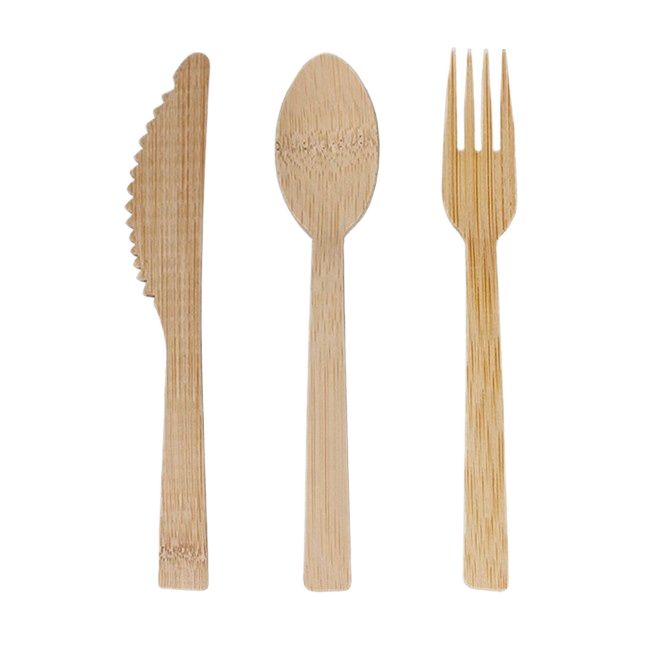
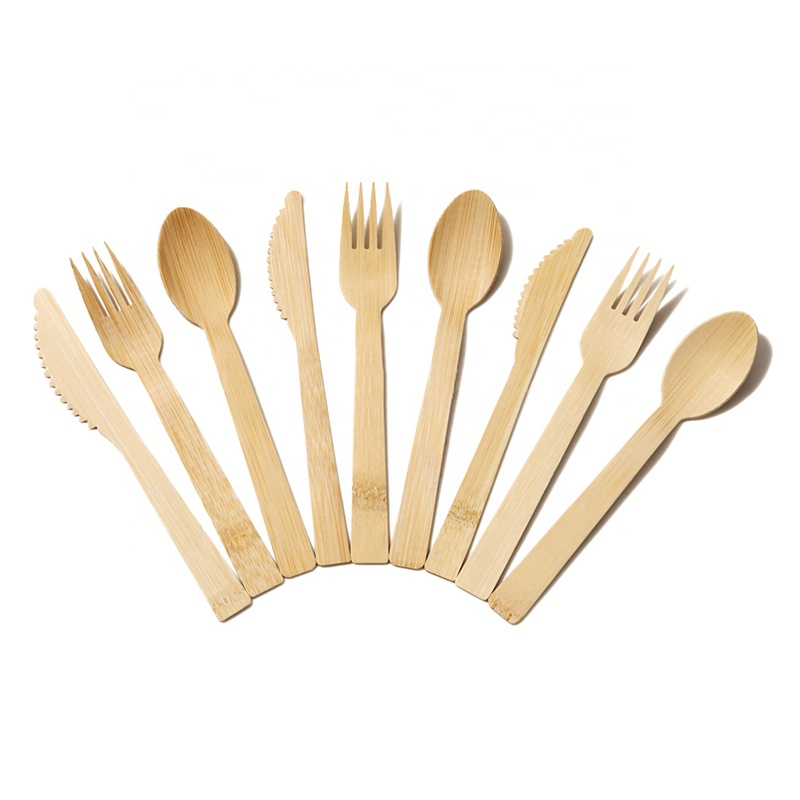
Bamboo chopsticks also come in several finishes and styles, including round, twin (split-apart), tensoge, and carbonized (heat-treated for a darker, refined look). Reusable bamboo versions are durable and stain-resistant, though they need proper drying to avoid warping. Bamboo chopsticks sit within our broader range of bamboo disposable tableware, making them easy to bundle into a coordinated, plastic-free service line.
Wooden Chopsticks
Wood is the classic material: lightweight, comfortable, and easy to grip. Disposable wooden chopsticks are a staple in restaurants and takeaways, while reusable, lacquered versions can last for years when cared for. The main consideration is sourcing — sustainably harvested wood carries a far better environmental story than uncertified alternatives.
Metal, Plastic, Porcelain & Precious Metal
- Metal (mostly Korean): hygienic and near-indestructible, but heavier and trickier for beginners.
- Plastic: cheap and colorful, but not heat-resistant and increasingly restricted under single-use plastic bans.
- Porcelain/ceramic: elegant for special occasions, though slippery for everyday use.
- Silver/gold: historically royal, now luxury or wedding gifts.
For most foodservice and retail buyers, the practical choice comes down to bamboo vs. wood — and bamboo usually wins on sustainability, strength, and story.
Chopstick Shapes & Designs
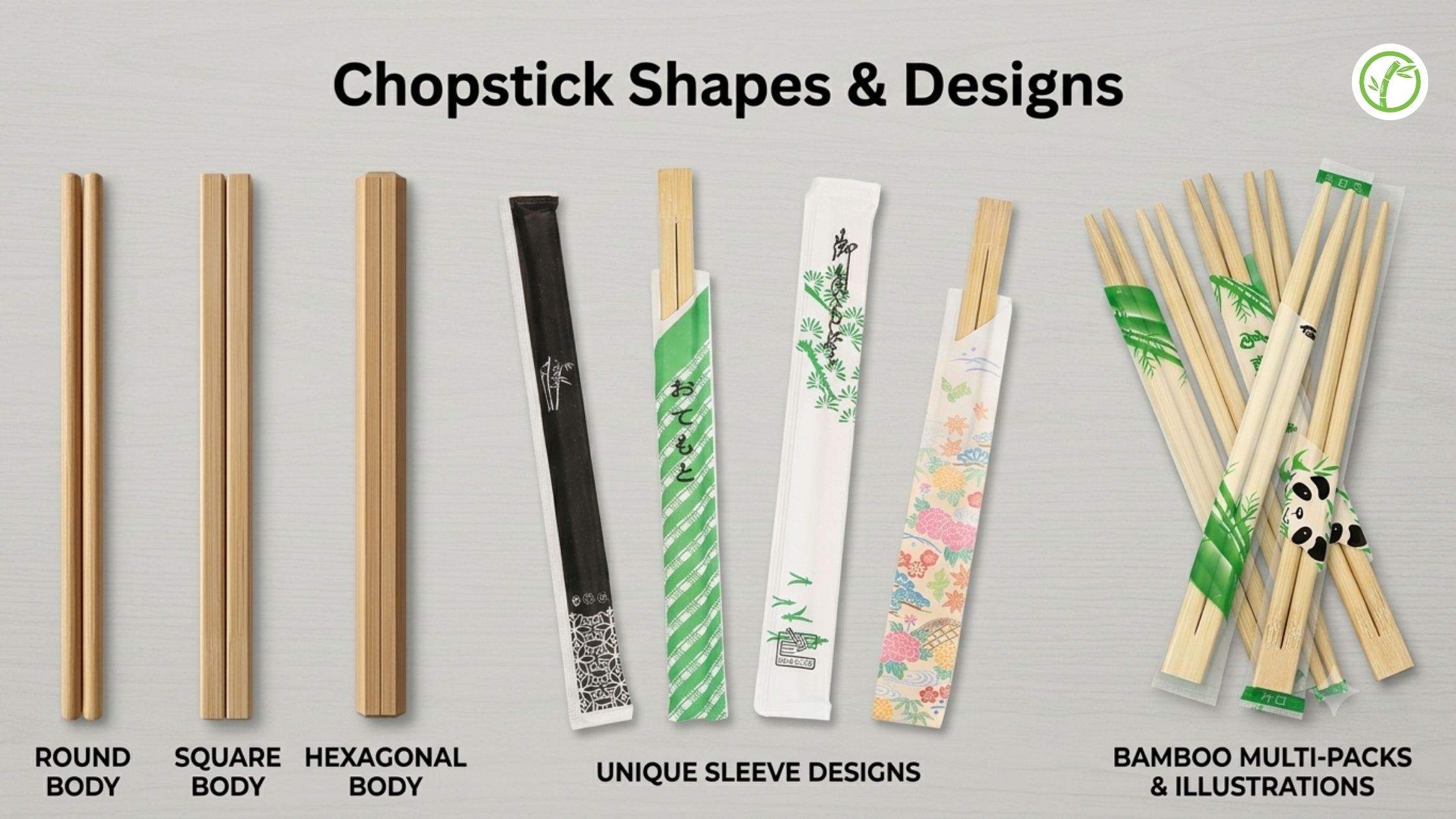
Shape isn’t just aesthetic — it changes how the chopstick performs:
- Round vs. square: round chopsticks feel smooth and elegant; square ones resist rolling off the table.
- Tapered tips: favored in Japan for precision with delicate foods.
- Blunt tips: thicker Chinese-style ends grab rice, noodles, and larger portions.
- Flat profile: the Korean shape excels at lifting side dishes.
Decorative options — painted artwork, engraved patterns, lacquer coatings — add both grip and visual appeal, and are a natural entry point for branding.
Sourcing Disposable Chopsticks in Bulk: A B2B Buyer’s Guide
For restaurants, caterers, and distributors, chopstick choice affects customer satisfaction, brand image, and your bottom line. Here’s what actually matters when buying at scale.
1. Match the Product to the Use Case
- Dine-in: reusable or premium lacquered chopsticks add elegance.
- Takeaway & delivery: disposable bamboo or wooden chopsticks are the practical, hygienic choice.
- Cuisine-specific venues: stock the length and tip style that fits the food (pointed for Japanese, longer blunt for Chinese/Vietnamese).
2. Prioritize Finish and Consistency Over Price
The cheapest chopsticks are rarely the cheapest in practice. Poorly finished products bring rough surfaces, splinters, an off “woody” taste, and inconsistent sizing — all of which generate customer complaints. A slightly higher unit price from a quality manufacturer protects the brand you’re supplying.
3. Insist on Certifications and Food Safety
For export and reputable retail, request:
- FSC certification for responsibly sourced bamboo or wood
- Food-contact compliance for your destination market
- No harmful chemical treatment and smooth, splinter-free finishing
You can review FriendlyBamboo’s test reports and certificates as an example of the documentation to expect before ordering.
4. Choose the Right Packaging
Packaging is a genuine value-add in wholesale supply. Common formats include:
- Individual paper/kraft sleeves — hygiene and a premium feel, standard for takeaway and hospitality
- Bulk cartons — lowest cost per unit, best for distributors and high-volume accounts
- Custom-branded packs — logo-printed sleeves or boxes that turn a commodity into brand exposure
5. Confirm Capacity, MOQ, and Lead Time
Before committing, ask about production capacity, minimum order quantities (which rise with custom printing and shapes), and realistic lead times — especially through seasonal peaks when demand for Asian cuisine supplies spikes.
The Market: Why Chopstick Demand Keeps Growing
The global chopstick market is substantial and expanding, driven by a few clear forces:
- The worldwide rise of Asian cuisine — sushi, ramen, Korean BBQ, and pho are now mainstream in North America and Europe.
- The shift away from plastic toward biodegradable bamboo and wood, accelerated by single-use plastic bans.
- Growing customization demand as restaurants and events seek branded, differentiated tableware.
Within all of this, disposable bamboo chopsticks lead in volume — the segment growing fastest as eco-conscious businesses transition away from plastic without giving up convenience.
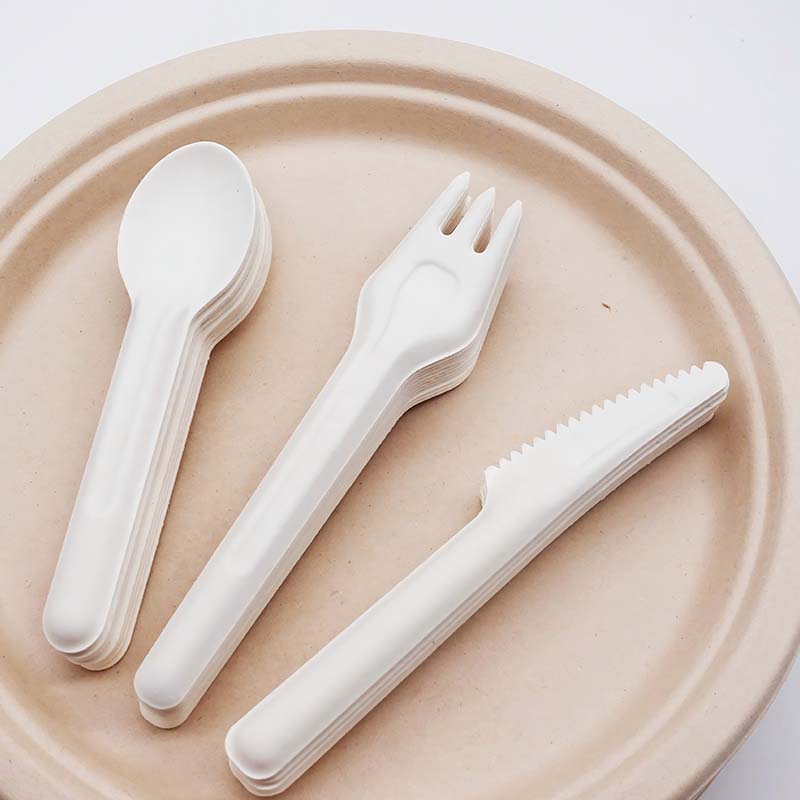
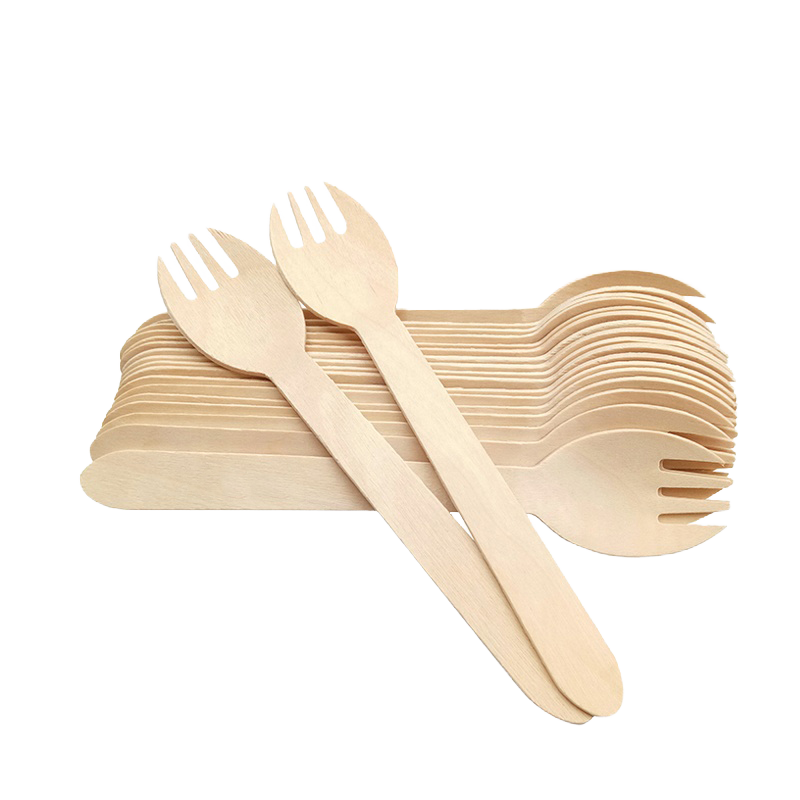
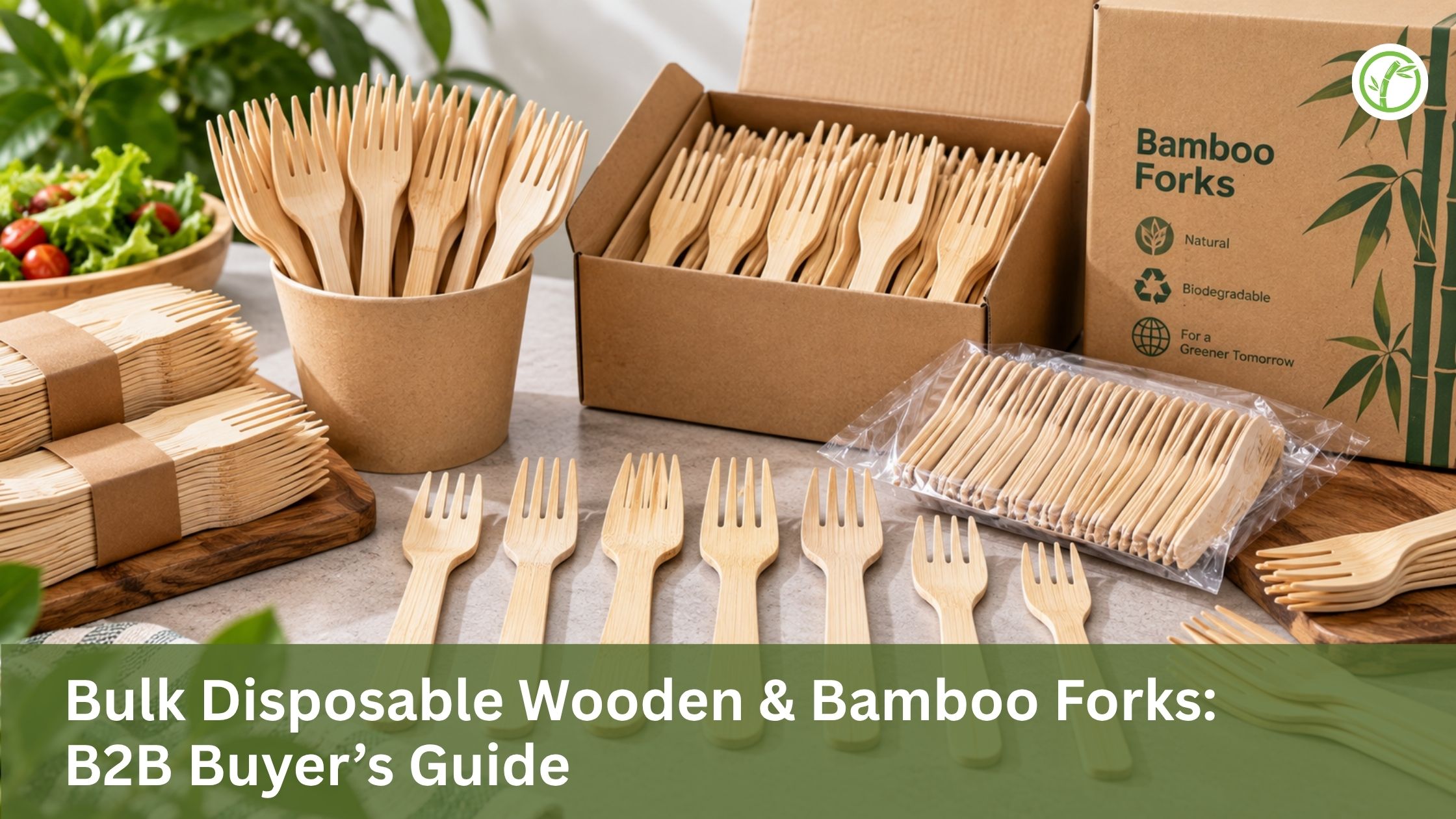
Also read – Bulk Disposable Wooden & Bamboo Forks
How to Use Chopsticks: A Quick Beginner’s Guide
Useful to share with staff or print on packaging — and a natural fit for markets new to chopsticks:
- Anchor the bottom stick. Rest one chopstick in the crook between thumb and index finger, supported on the ring finger. This one stays still.
- Hold the top stick like a pencil, between thumb, index, and middle fingers. This one moves.
- Practice the pinch. Move the top chopstick up and down against the fixed bottom one.
- Start big, then go small. Begin with larger items like sushi or vegetables, then progress to rice and noodles.
Most beginners get comfortable within a few meals.
Conclusion: Choosing Chopsticks That Fit Your Market
Chopsticks are a small utensil carrying thousands of years of culture — and a surprising amount of buying nuance. From regional shapes to material trade-offs, the right choice isn’t just about product selection; it’s about building a supply chain that keeps pace with global dining trends and rising sustainability expectations.
For businesses moving away from plastic, disposable bamboo and wooden chopsticks offer the best of both worlds: authentic dining, everyday convenience, and a genuine eco-friendly story. As a bamboo tableware manufacturer with 12+ years of experience, FriendlyBamboo produces high-quality, certified bamboo chopsticks and cutlery for restaurants, caterers, and distributors worldwide.
Looking to source bamboo chopsticks at scale? Request a bulk quote and our team will help you match the right style, length, and packaging to your market.
Frequently Asked Questions
Chopsticks vary by country (Chinese, Japanese, Korean, Vietnamese), by material (bamboo, wood, metal, plastic, porcelain, precious metal), and by design (round, square, tapered, or flat tips). Bamboo and wood dominate the disposable market.
For disposables, bamboo is often the stronger choice — it’s naturally sturdy, taste-neutral, and rapidly renewable, giving it a better sustainability profile than most disposable hardwoods.
Chinese chopsticks are longer (25–30cm) with blunt tips for shared dishes; Japanese chopsticks are shorter (20–23cm) with fine pointed tips for delicate foods like fish.
Yes. Untreated natural bamboo chopsticks are biodegradable and made from a fast-regrowing resource, making them a strong plastic-free alternative for takeaway and foodservice.
Yes. Chopstick sleeves and packaging can be printed with your logo and information, and shapes or sizes can be customized on larger orders — a simple way to add brand visibility.