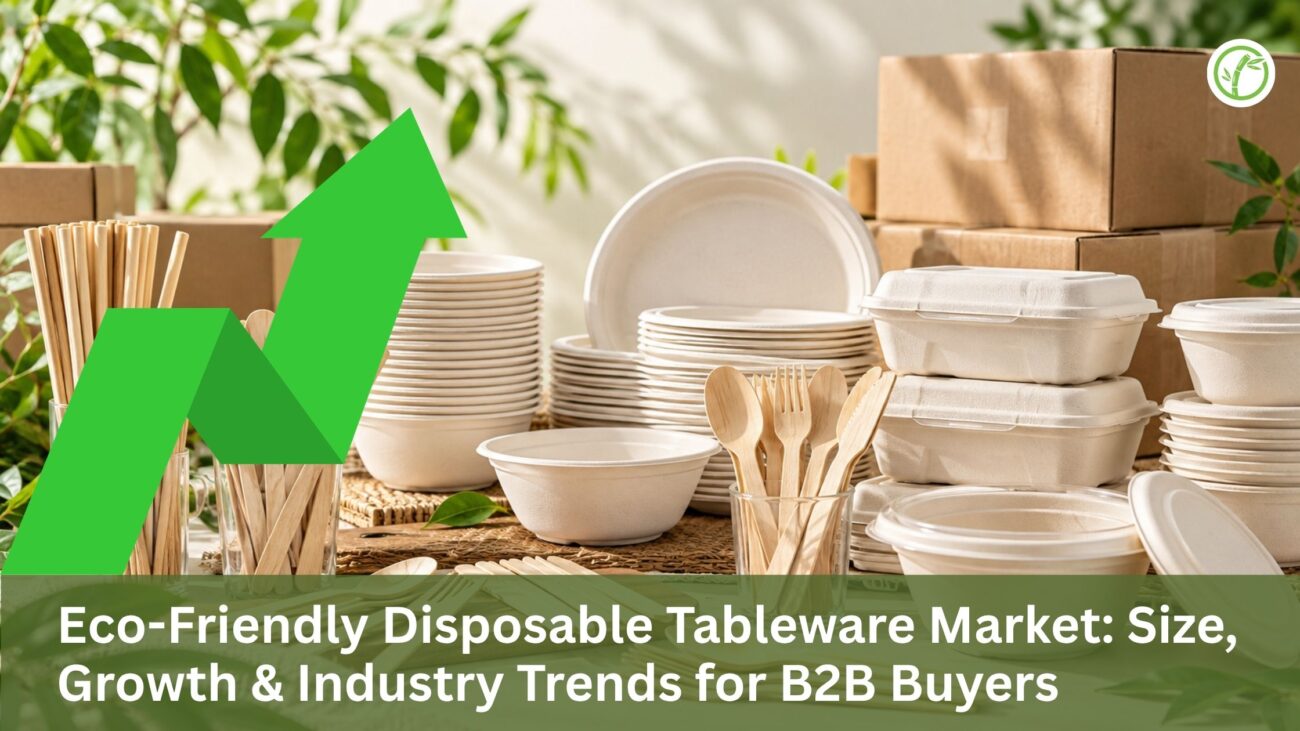
The eco-friendly disposable tableware market was valued at approximately USD 6–8 billion in 2024 and is projected to grow at a 6–9% CAGR through 2030, driven by plastic bans, corporate sustainability mandates, and rising consumer preference for natural materials. This guide breaks down market size, buyer segments, sourcing economics, and legislative drivers that B2B buyers and distributors need to plan around.
How Big Is the Eco-Friendly Disposable Tableware Market, and How Fast Is It Growing?
The eco-friendly disposable tableware market was valued at approximately USD 6–8 billion in 2024 and is projected to grow at a CAGR of 6–9% through 2030. Growth is driven by three converging forces:
- Single-use plastic legislation across multiple regions
- Corporate sustainability mandates from major foodservice and retail brands
- Rising consumer preference for natural materials over plastic alternatives
Why Are Nearly 60% of Consumers Now Choosing Brands That Use Sustainable Tableware?
Consumer sustainability awareness has reached a tipping point across Western markets, particularly among millennials and Gen Z, who account for an increasing share of food and hospitality spending. Packaging is a highly visible signal of brand values — bamboo, bagasse, and wooden tableware immediately communicate eco-consciousness in a way that resonates with this demographic, driving purchase preference and brand loyalty.
Which Industries Are the Biggest Buyers of Bamboo and Bagasse Disposable Tableware Globally?
The primary wholesale buyer segments in the eco-friendly disposable tableware market are:
- Foodservice and restaurants — the largest volume segment
- Event and catering companies
- Supermarkets and grocery retail
- Hotels and hospitality groups
- Airline and travel catering
- Food delivery and meal kit services
- Institutional buyers — schools, hospitals, corporate canteens
Is Buying Bamboo and Wooden Tableware Directly from a Chinese Manufacturer Cheaper Than Sourcing Locally?
Yes — typically 30–60% cheaper than equivalent products sourced through local distributors, depending on the product category and local market. Sourcing directly from a China-based manufacturer allows for highly competitive wholesale pricing directly from the source, without middlemen. At container volumes, the landed cost — including sea freight and import duties — is generally well below local distributor pricing. Buyers evaluating direct sourcing can review the bulk order process for container-volume pricing.
What Are the Most Profitable Product Categories Within Eco-Friendly Tableware for Wholesale Distributors?
The highest-margin categories for distributors in the eco-friendly disposable tableware market are typically:
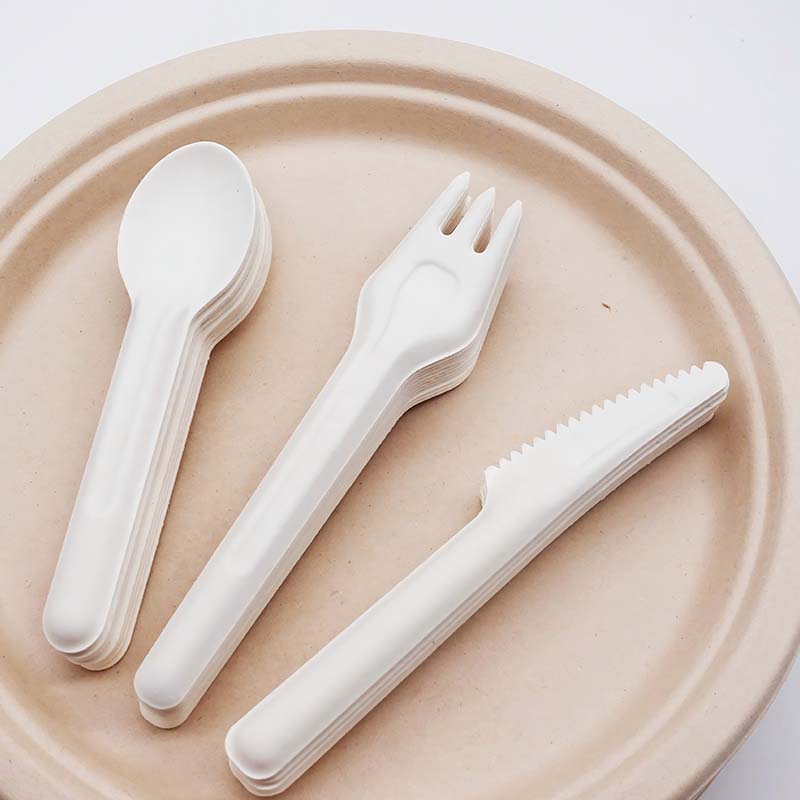
- Custom-branded bagasse food packaging — meal boxes and containers
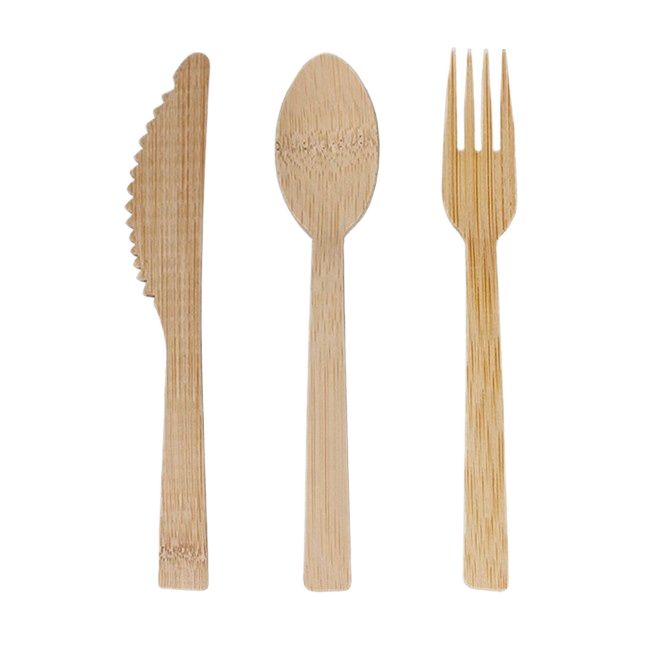
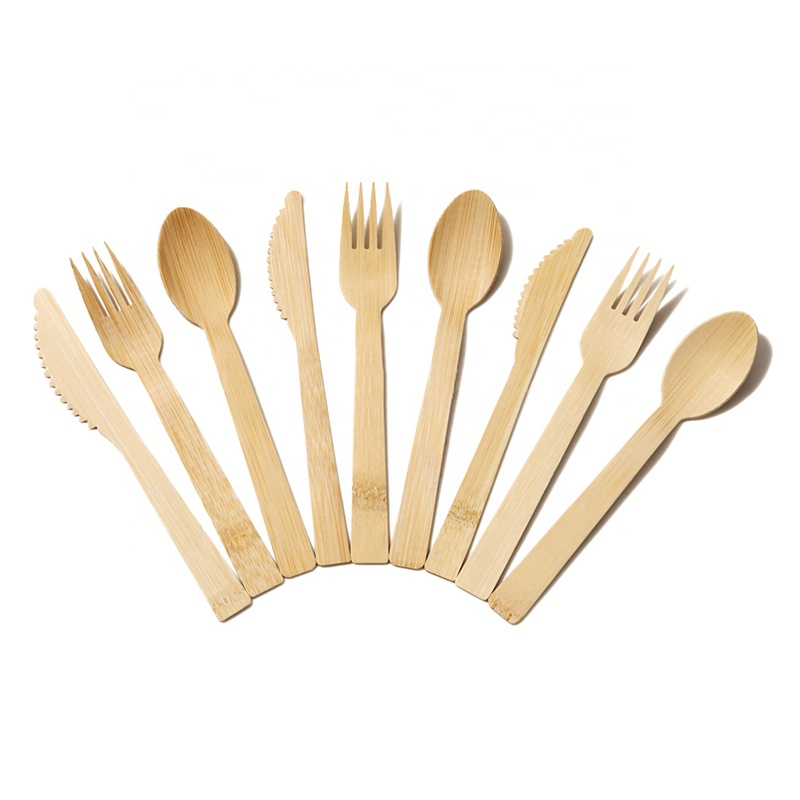
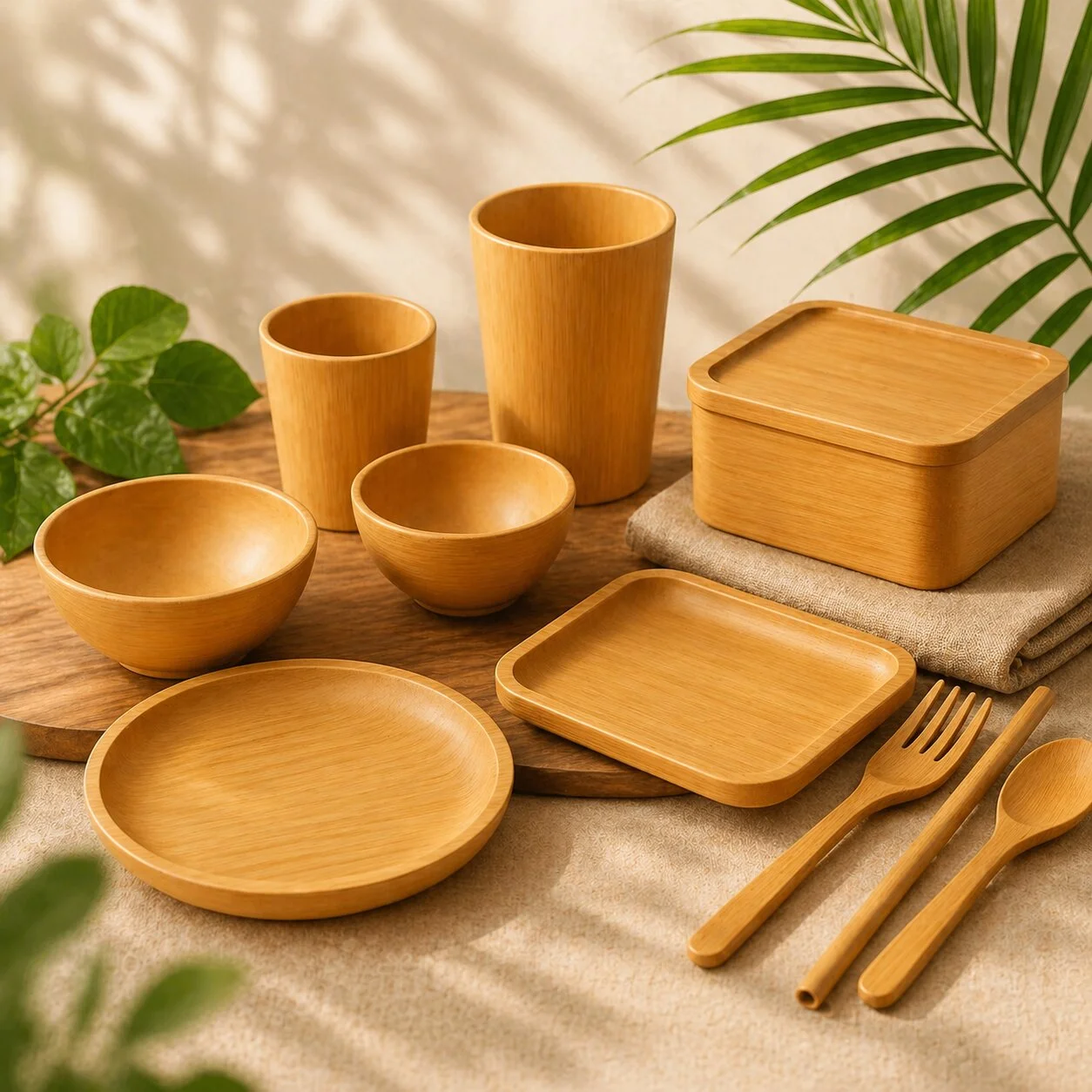
- Premium bamboo cutlery sets in retail-ready packaging
- Bamboo BBQ skewers and cocktail picks — high volume with strong repeat demand
- Bamboo straws — particularly branded or custom-length for hotel and bar chains
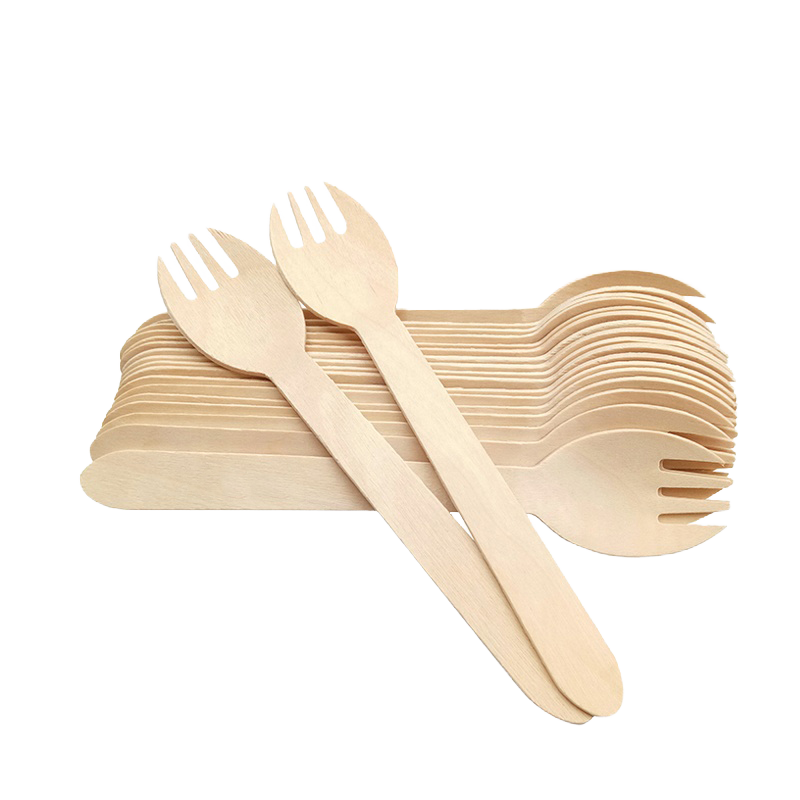
Products with custom branding consistently command the strongest margins across all four categories. Distributors can review bamboo cutlery and bamboo chopsticks ranges directly.
How Are Plastic Bans in Europe, the US, and Australia Driving Demand for Bamboo Alternatives?
Legislative mandates have created demand for eco-friendly disposable tableware that isn’t optional for the businesses affected:
- EU Directive 2019/904 banned single-use plastic plates, cutlery, straws, and stirrers across EU member states from 2021 onward.
- England introduced its own single-use plastic cutlery, plates, trays, and bowls ban in October 2023, under the Environmental Protection (Plastic Plates etc. and Polystyrene Containers etc.) (England) Regulations 2023. Scotland and Wales have enacted similar restrictions separately.
- Multiple Australian states have enacted comparable bans.
These mandates create structural, mandatory switching demand: restaurants, caterers, and retailers in affected regions have no choice but to source alternatives, which means this demand persists regardless of consumer sentiment.
What Are the Biggest Disposable Tableware Trends Heading Into 2026?
The leading trends shaping the eco-friendly disposable tableware market heading into 2026:
- Home compostability certification becoming a differentiator over industrial compostability, since most consumers don’t have access to industrial composting facilities
- Bamboo fiber composite products for premium retail positioning
- Whole-palm-leaf and natural-leaf plates for premium catering aesthetics
- Custom branding on compostable packaging becoming standard rather than a premium add-on for food brands
- Expanded regulatory scrutiny, driving demand for full documentation packages (test reports, Declaration of Conformity, FSC) as table stakes for supermarket supply chain entry — buyers can review test reports and certificates as an example of this documentation.
Frequently Asked Questions
Approximately USD 6–8 billion in 2024, projected to grow at a 6–9% CAGR through 2030, driven by plastic legislation, sustainability mandates, and consumer preference.
Sustainability awareness among millennials and Gen Z, who represent a growing share of food and hospitality spending, has made packaging a visible signal of brand values.
Foodservice and restaurants (largest volume), event and catering companies, supermarkets and grocery retail, hotels and hospitality, airline catering, food delivery/meal kits, and institutional buyers like schools and hospitals.
Yes, typically 30–60% cheaper than local distributor pricing, even accounting for sea freight and import duties at container volumes.
Custom-branded bagasse food packaging, premium bamboo cutlery sets, bamboo BBQ skewers and cocktail picks, and branded bamboo straws — with custom branding driving the strongest margins across all four.