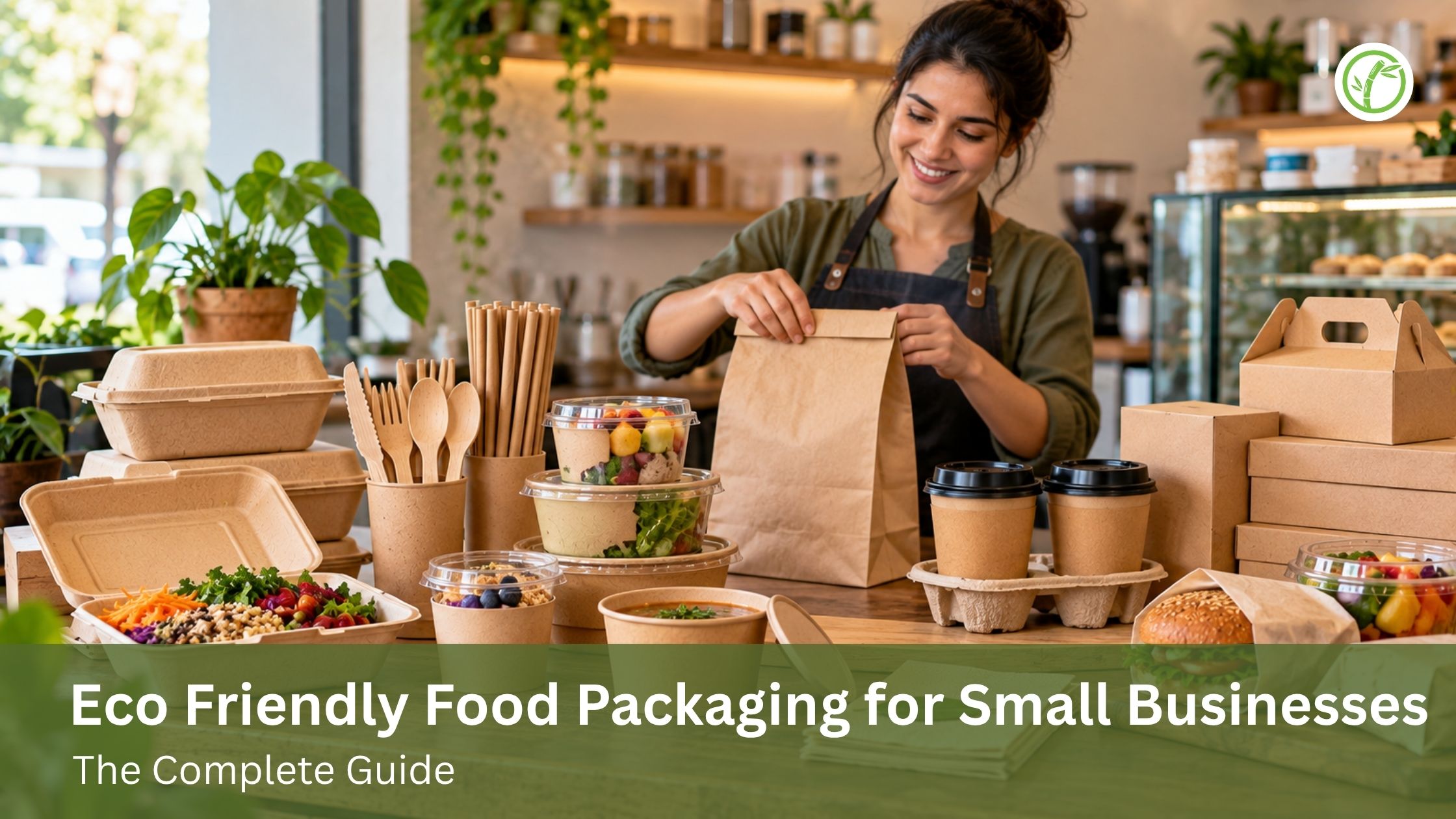
The best eco friendly food packaging for small businesses isn’t the most expensive option; it’s the one that fits your food, your budget, and your customers’ expectations. This guide breaks down every material, every trade-off, and every cost-saving strategy so you can make the switch without overcomplicating it.
Why Does Eco Friendly Food Packaging Matter for Small Businesses?
Small businesses often assume sustainable packaging is a “big brand” thing. It isn’t. A 2025 McKinsey study found that 44% of consumers consider the environmental impact of packaging “extremely” or “very important.” And a 2025 Shorr report shows 90% of consumers are more likely to buy from eco-friendly brands, with 39% actively switching brands because of packaging alone.
That’s not a soft preference. That’s buying behaviour you can measure.
Beyond consumer demand, the regulatory pressure is real and growing. Multiple US states have passed Extended Producer Responsibility (EPR) laws, many cities have already banned foam containers and plastic straws, and new packaging legislation is being introduced frequently. Getting ahead of it now saves you the cost of a reactive scramble later.
Is Eco Friendly Packaging Too Expensive for Small Businesses?
No, and this is the most persistent myth in this space. Material costs represent only 15–20% of total packaging expenses. The remaining cost comes from logistics, storage, and handling areas where sustainable packaging often wins.
Lighter, more efficient sustainable materials cut shipping costs. Optimised sizing reduces dimensional weight charges. And brands that switch report 12–18% higher customer repeat rates among eco-conscious shoppers, which more than offsets a modest per-unit cost increase.
For most small businesses, ROI on sustainable packaging appears within 3–6 months. The cost gap between eco-friendly and conventional options has also narrowed significantly — recycled kraft paper and paperboard, for example, run just 5–15% higher than standard cardboard at comparable volumes.
What Types of Eco Friendly Food Packaging Are Available?
Here’s a breakdown of every major material category, with honest assessments of performance, cost, and best use cases.
Kraft Paper and Recycled Cardboard
Kraft paper and recycled cardboard are the most affordable and widely accessible entry points into eco-friendly packaging/food packaging for small businesses. Recycled cardboard boxes typically cost $0.20–$0.50 per unit, depending on size and volume, making them accessible even at low order quantities.
They work well for dry goods, bakery items, meal kits, and secondary packaging. For food-direct contact, uncoated kraft paper handles dry and lightly oily foods without issue. Look for FSC-certified options to verify responsible sourcing.
Best for: Bakeries, dry snack brands, meal kits, take-home food boxes.
Also read – Bamboo BBQ Skewers & Sticks Manufacturers in China
Bagasse Containers and Packaging
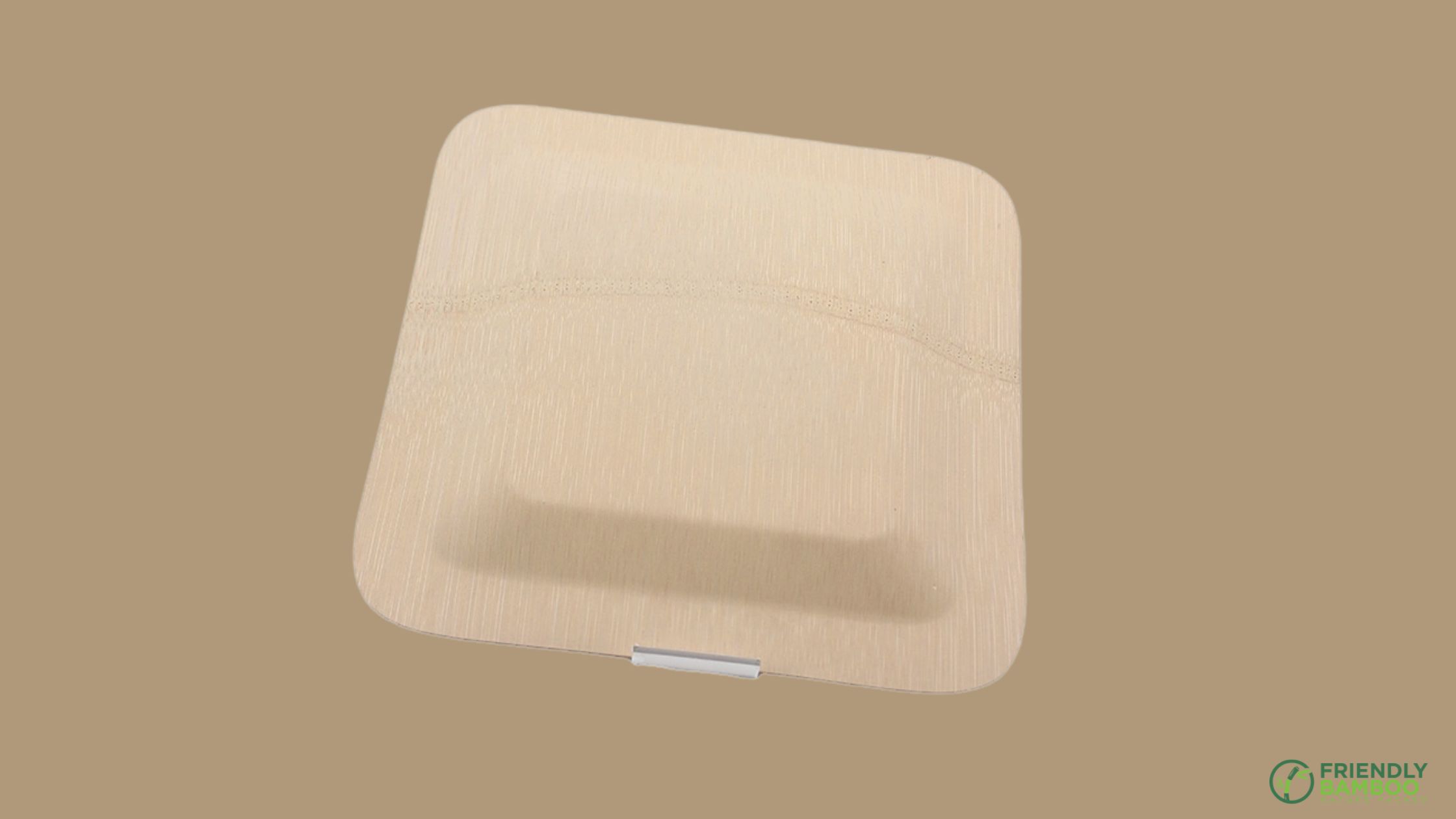
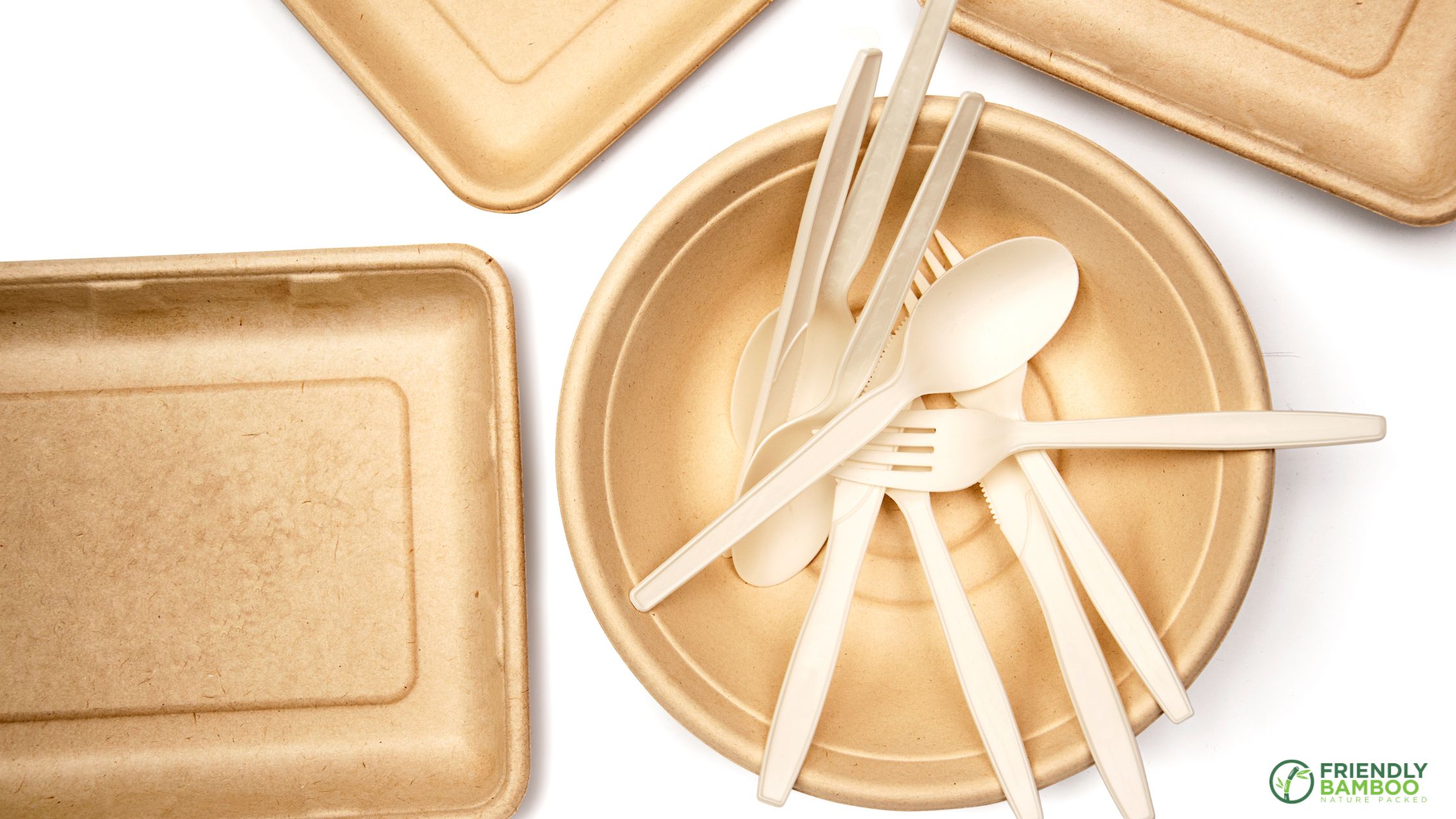
Bagasse, the fibrous pulp left after sugarcane juice is extracted, is one of the most practical, eco-friendly materials for direct food contact. It handles heat, grease, and liquids without warping, composts in 60–90 days under industrial conditions, and is widely available from manufacturers in bulk.
For small food businesses sourcing takeaway containers, bagasse clamshells and boxes offer an excellent balance of performance and price. They’re oil-resistant, microwave-safe in most formulations, and hold up for hot dishes, soups, and curries without leaking.
One important note: bagasse works best for food service and takeaway. For primary branded retail packaging, kraft paper or paperboard typically offers more customisation options.
Best for: Takeaway food businesses, caterers, cloud kitchens, and meal prep services.
Compostable PLA (Polylactic Acid) Containers
PLA is a plant-based bioplastic derived from cornstarch. It looks and behaves similarly to conventional plastic: clear, rigid, and lightweight, making it a common choice for salad containers, cold drink cups, and deli packaging.
The key limitation: PLA requires industrial composting to break down properly. It will not decompose in a home compost or general waste within a useful timeframe. Before adopting PLA, verify that industrial composting facilities are accessible in your area or in your customers’ areas; otherwise, the eco benefit doesn’t materialise.
Look for BPI-certified PLA products to confirm genuine compostability credentials.
Best for: Cold food packaging, salad bars, juice brands, and deli counters.
Also read – eco-friendly products for a restaurant
Recycled Kraft Mailers and Paper Bags
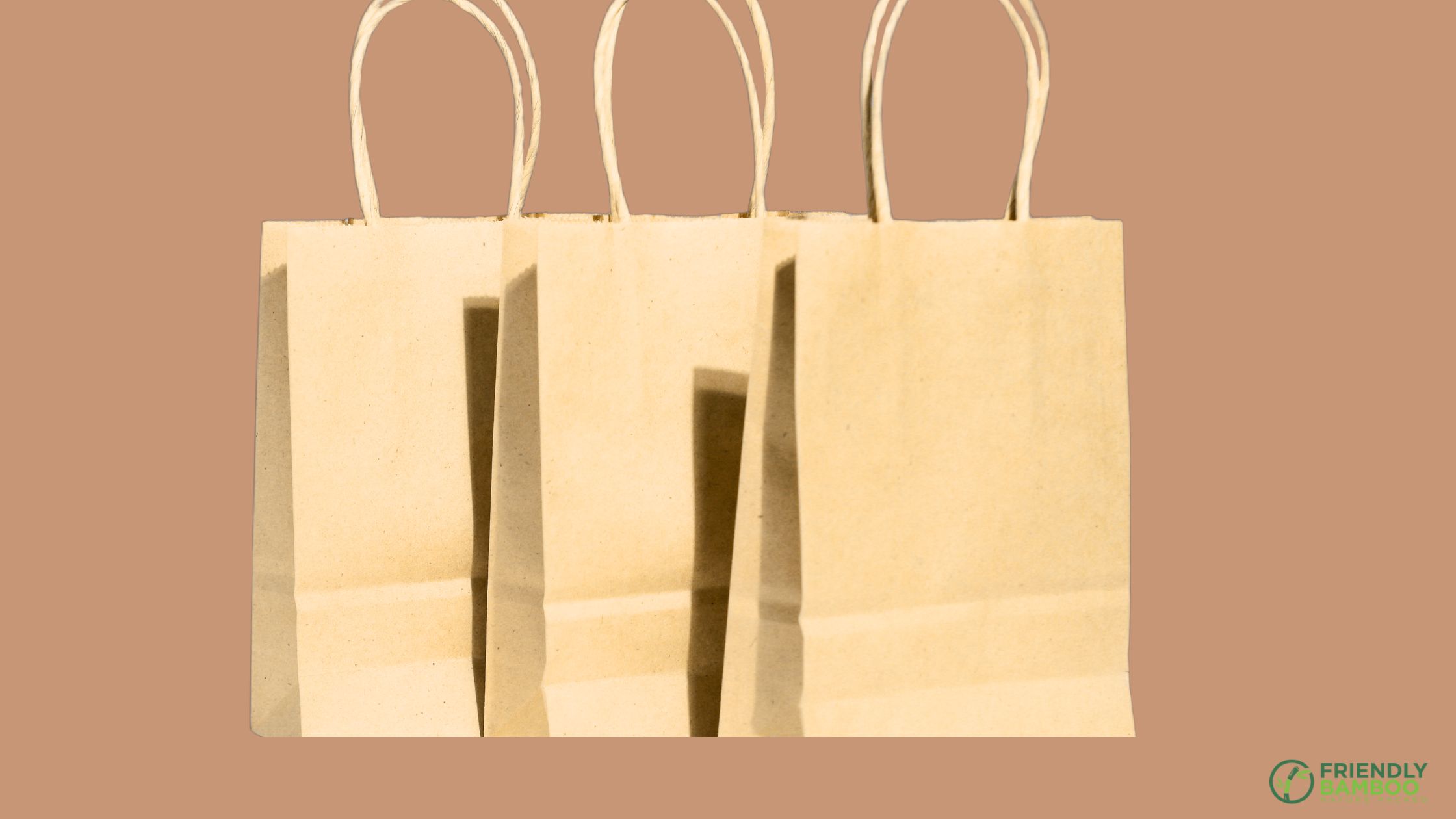
For delivery-focused small businesses, recycled kraft mailers and paper bags are a clean, simple swap from plastic alternatives. They’re widely available without high minimum order quantities, recyclable at kerbside in most markets, and compostable.
For takeaway bags, look for options labelled “No PFAS Added”; some conventional coated paper products contain per- and polyfluoroalkyl substances (forever chemicals) that defeat the eco purpose. Uncoated recycled kraft bags avoid this entirely for dry goods, while grease-resistant coated options are available for hot food.
Best for: Bakeries, takeaway restaurants, food market vendors, subscription food boxes.
Glass Jars and Containers
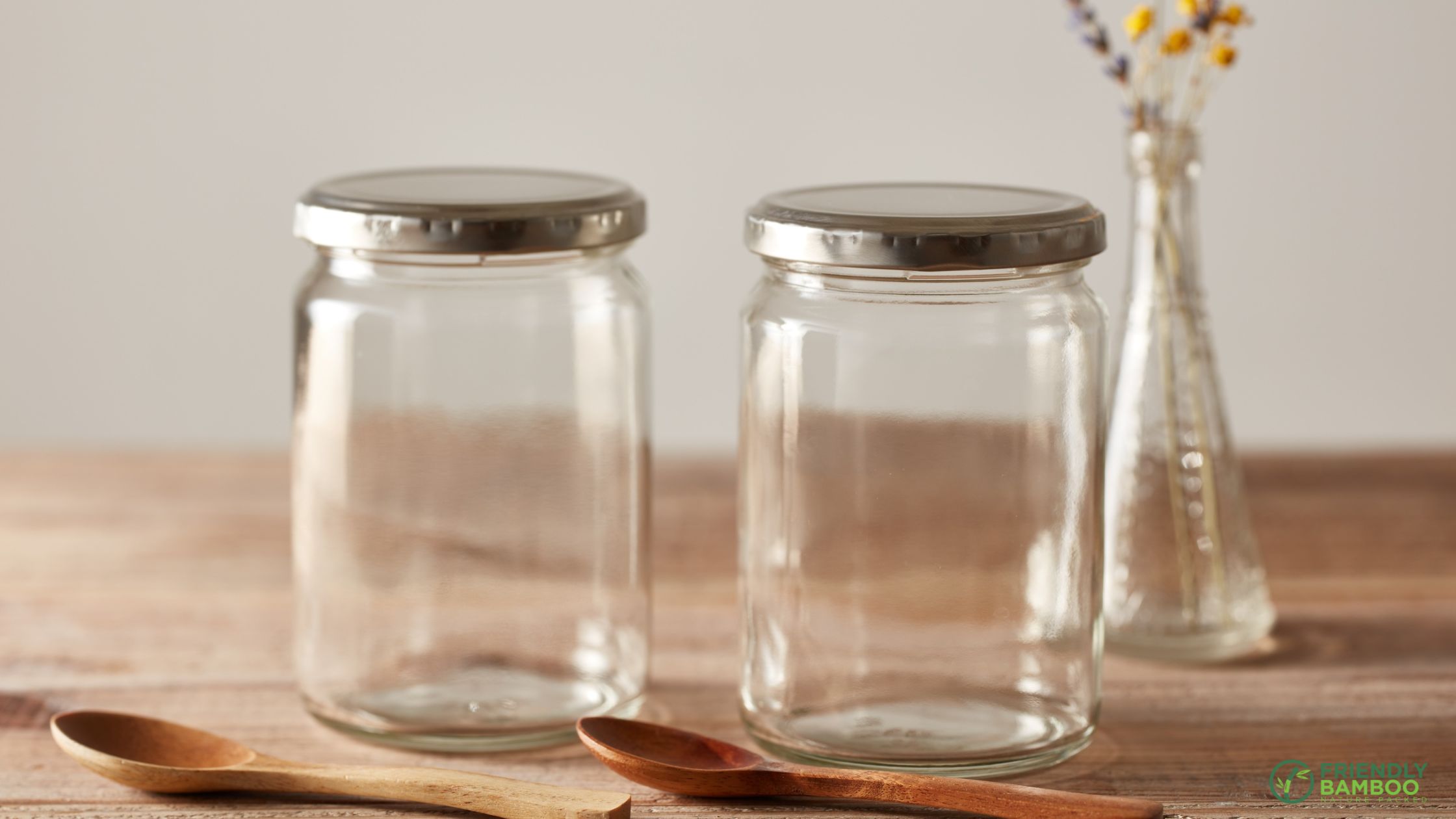
Glass is infinitely recyclable and one of the most durable packaging materials available. For small businesses selling jams, sauces, condiments, or fermented foods, glass jars telegraph quality and sustainability simultaneously.
The trade-off is weight. Glass increases shipping costs relative to plastic or paperboard, and breakage risk in transit requires more protective secondary packaging. For businesses selling direct (farmers’ markets, local retail, in-person pickup), glass is an excellent choice. For high-volume mail-order, the logistics cost needs careful modelling.
Best for: Artisan food producers, preserves and condiment makers, direct-to-consumer food brands.
Also read – how much does it cost to import bamboo products from China
Mushroom Packaging
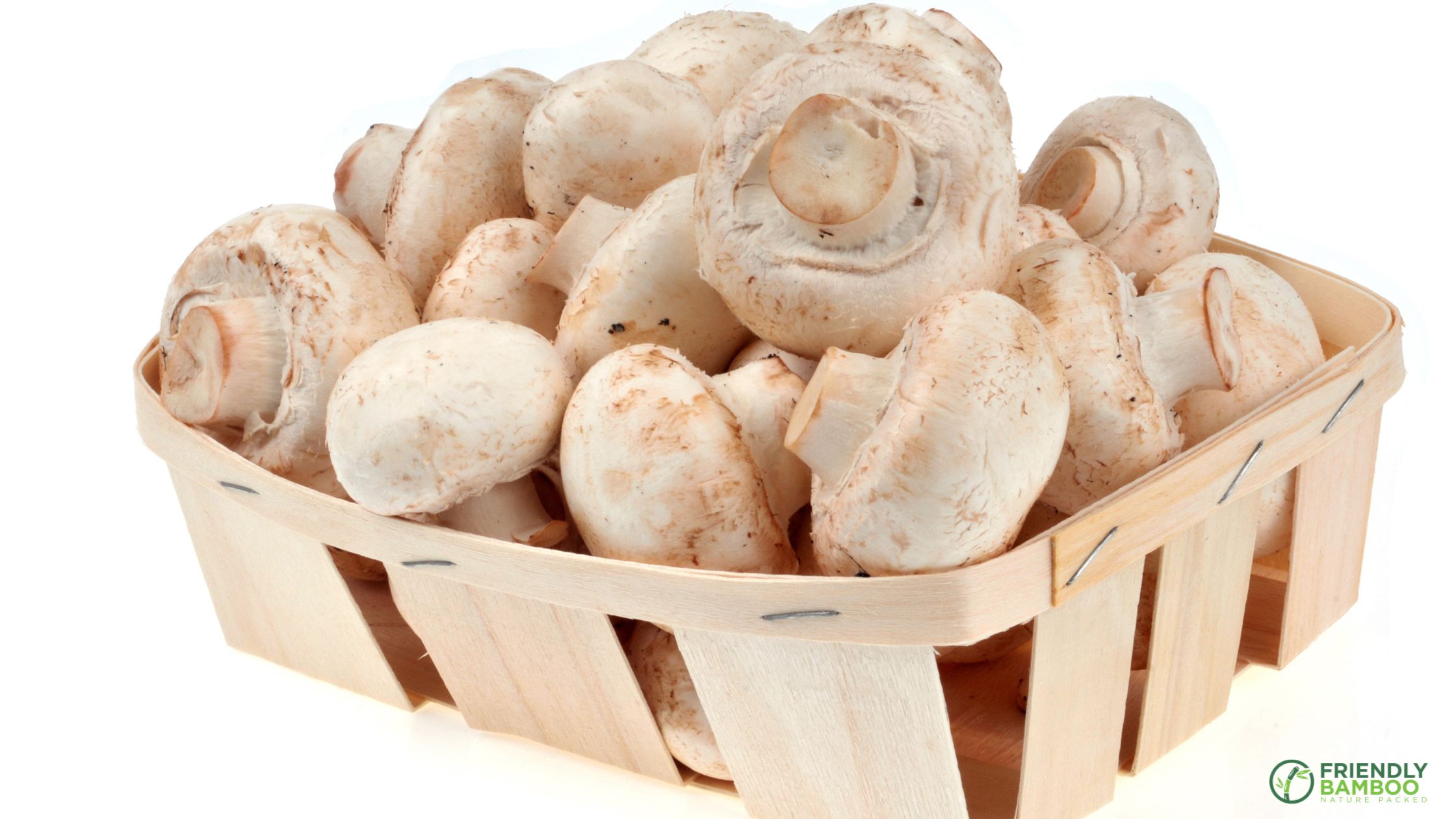
Made from agricultural waste bound together by mycelium (mushroom roots), mushroom packaging is a fully biodegradable alternative to styrofoam. It’s particularly useful as protective secondary packaging for fragile food products being shipped.
It’s not yet a mainstream option for food-direct packaging, but for brands shipping glass jars, fragile items, or premium gift food hampers, it’s a strong differentiator and composts at home within weeks.
Best for: Premium food gift companies, fragile product shippers, artisan brands.
Compostable Films and Flexible Packaging
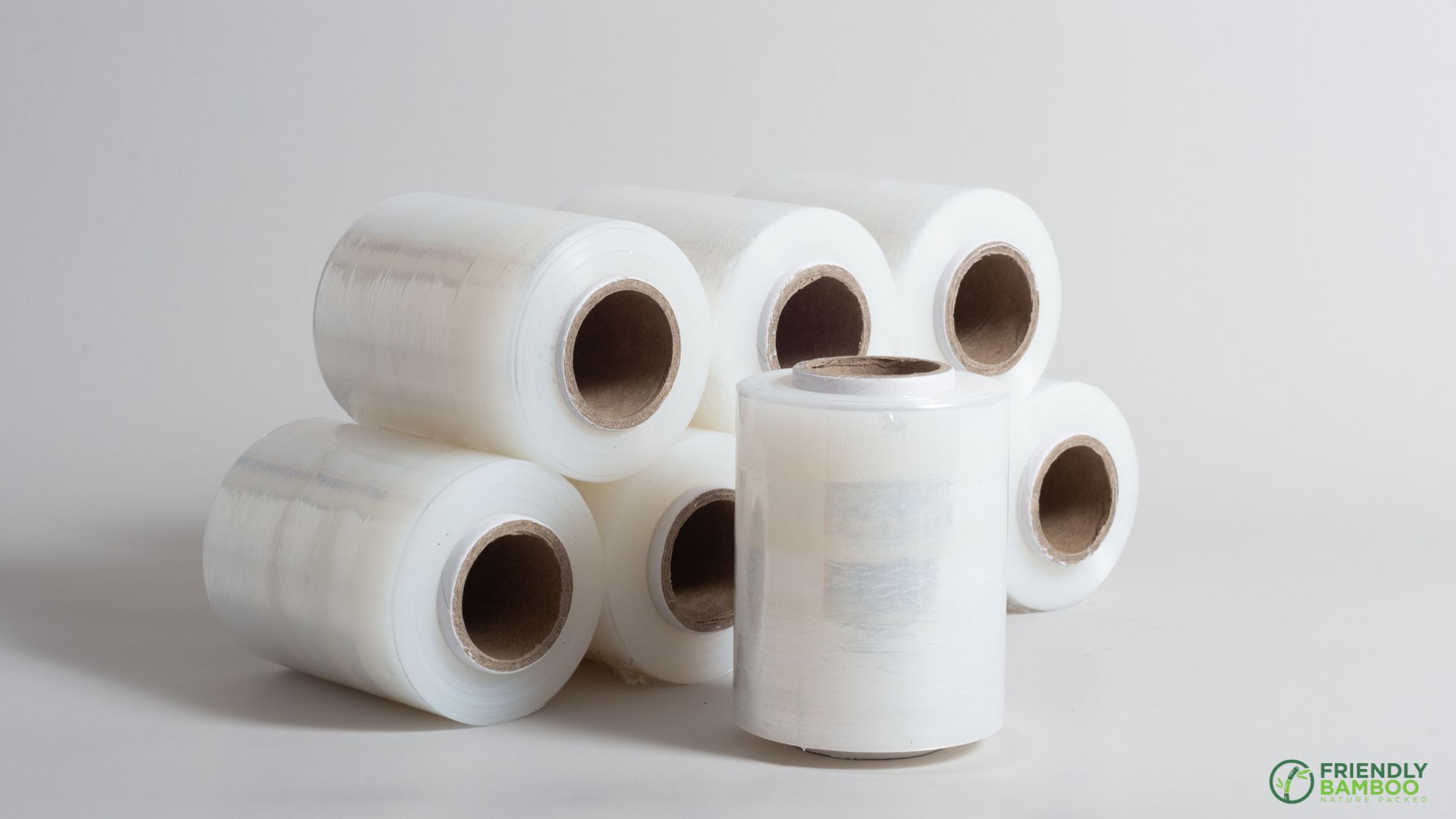
Compostable films made from PLA-coated paper or starch blends are used for wrapping perishable foods — sandwiches, fresh produce, deli items, and baked goods. They break down under composting conditions and are free of the chemical concerns associated with conventional plastic.
The challenge here is functional performance. Barrier properties (moisture, oxygen) vary significantly by product, and not all compostable films achieve the shelf-life extension of conventional plastic wrapping. Test thoroughly before switching to products where freshness is critical.
Best for: Sandwich shops, fresh produce retailers, deli counters, bakeries.
Eco Friendly Food Packaging Materials: Comparison Table
| Material | Compostable | Recyclable | Cost Level | Best Food Use | Key Watch-Out |
| Recycled Kraft / Cardboard | Yes | Yes | Low | Dry goods, bakery, boxes | Avoid for wet/greasy food without lining |
| Bagasse | Yes (industrial) | No | Low–Medium | Hot takeaway, soups, curries | Not suitable for branded retail packaging |
| PLA | Yes (industrial only) | No | Medium | Cold food, salads, cold drinks | Needs industrial composting to break down |
| Recycled Kraft Mailers/Bags | Yes | Yes | Low | Takeaway bags, delivery | Check for PFAS-free labelling |
| Glass | No (but infinitely recyclable) | Yes | Medium–High | Preserves, sauces, condiments | Heavy; higher shipping cost |
| Mushroom Packaging | Yes (home) | No | Medium–High | Fragile item protection | Not for food-direct contact |
| Compostable Films | Yes (variable) | No | Medium | Fresh wrapping, sandwiches | Barrier properties vary by product |
How to Choose the Right Eco Friendly Packaging for Your Food Business
Choosing the right packaging isn’t just about material — it’s about matching the material to your specific food, fulfilment model, and customer.
Consider your food’s properties first. Hot, oily, or wet foods need a heat- and grease-resistant bagasse or coated kraft paper. Cold foods and salads work well with PLA. Dry goods are the easiest category and work with almost any material.
Consider your fulfilment model. In-person or local delivery? Weight doesn’t matter much, and glass or rigid containers work well. Nationwide mail-order? Weight and breakage risk make lighter materials like kraft and PLA more practical.
Consider your composting infrastructure. If your customers don’t have access to industrial composting, PLA’s benefits don’t materialise in practice. Kraft paper and bagasse compost more reliably across varied disposal environments.
Consider your MOQs. The biggest practical barrier for small businesses isn’t price; it’s minimum order quantities. Most large sustainable suppliers require 50,000+ unit minimums that small businesses can’t meet. Solutions include buying cooperatives that aggregate smaller orders, packaging brokers who access lower MOQs, or starting with standard (non-custom) eco options and adding custom branding as volume grows.
How to Keep Eco Friendly Packaging Affordable as a Small Business
The cost challenge is real, but manageable. Here’s what works in practice:
Order strategically, not reactively. Last-minute orders are expensive regardless of material. Plan your inventory needs around your sales projections and order ahead to qualify for volume pricing.
Start with high-visibility items. You don’t need to switch everything at once. Start with the packaging your customers interact with most — the takeaway box, the bag, the outer container. That’s where perception is formed.
Use QR codes instead of printed inserts. For subscription food boxes and delivery orders, QR codes printed directly on packaging replace costly printed cards, leaflets, and recycling-instruction inserts. This is a small-business trend gaining serious traction in 2025.
Source locally where possible. Local sourcing reduces shipping costs, supports lower MOQ access, and speeds up lead times. It also adds a credible “locally sourced packaging” story for your brand.
Time bulk orders around supplier promotions. End-of-quarter and seasonal promotions from packaging suppliers offer meaningful discounts. Set reminders and plan purchases accordingly.
What Certifications Should You Look For?
Not all “eco-friendly” claims are equal, and some are actively misleading. A 2021 Bloomberg investigation found that nearly half of eco-friendly product claims could be breaking consumer protection law. Certifications cut through the noise.
- FSC (Forest Stewardship Council) — for paper, cardboard, and wood-based packaging. Confirms responsible forest management.
- BPI (Biodegradable Products Institute) — for compostable packaging. Confirms industrial compostability to the ASTM D6400 standard.
- OK Compost — European standard for compostability, both industrial (OK Compost Industrial) and home (OK Compost Home).
- No PFAS Added — specifically for coated paper and fibre products. Confirms freedom from forever chemicals.
- PCR (Post-Consumer Recycled) content labelling — for packaging made from recycled materials. Look for the percentage of recycled content stated clearly.
Avoid vague terms like “biodegradable” or “eco-friendly” without third-party certification backing. They’re marketing language, not verified claims.
A Real Small Business Example: The Switch Done Right
A home-based bakery business selling subscription boxes direct-to-consumer made the following changes over one quarter:
- Plastic outer bags → uncoated recycled kraft paper bags (FSC-certified)
- Styrofoam inserts → mushroom packaging for fragile items
- Printed inserts → QR code printed directly on the box
- Conventional cardboard boxes → recycled content paperboard (70% PCR)
Per-unit packaging cost increased by approximately $0.18. In their next quarterly customer survey, 68% of respondents said the new packaging made them feel better about their subscription. Cancellation rate dropped by 11% in the following quarter.
This pattern- a small per-unit cost increase with an outsized impact on retention and brand perception- is consistent with broader data showing eco-conscious customers have 12–18% higher repeat purchase rates.
Pairing Packaging With Eco-Friendly Tableware
If your small food business includes takeaway dining or catering, not just retail packaging, your eco-friendly story should extend to what’s inside the package too. Switching containers is visible; switching the fork in the customer’s hand is what they remember.
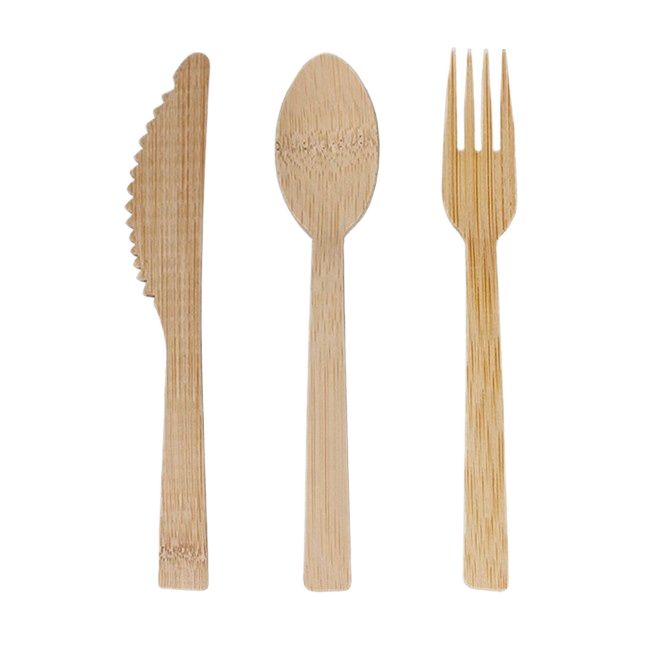
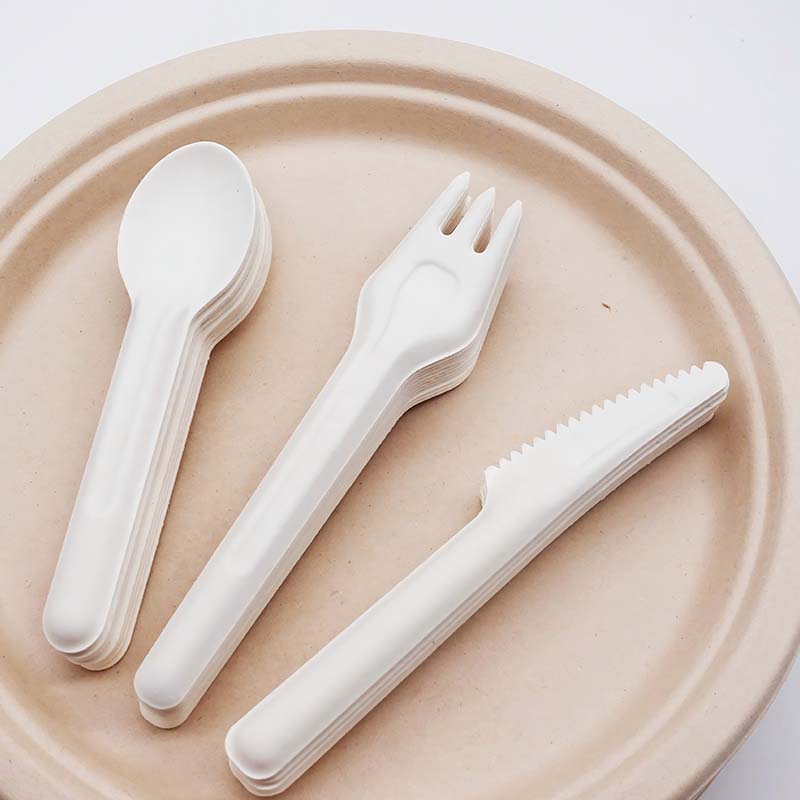
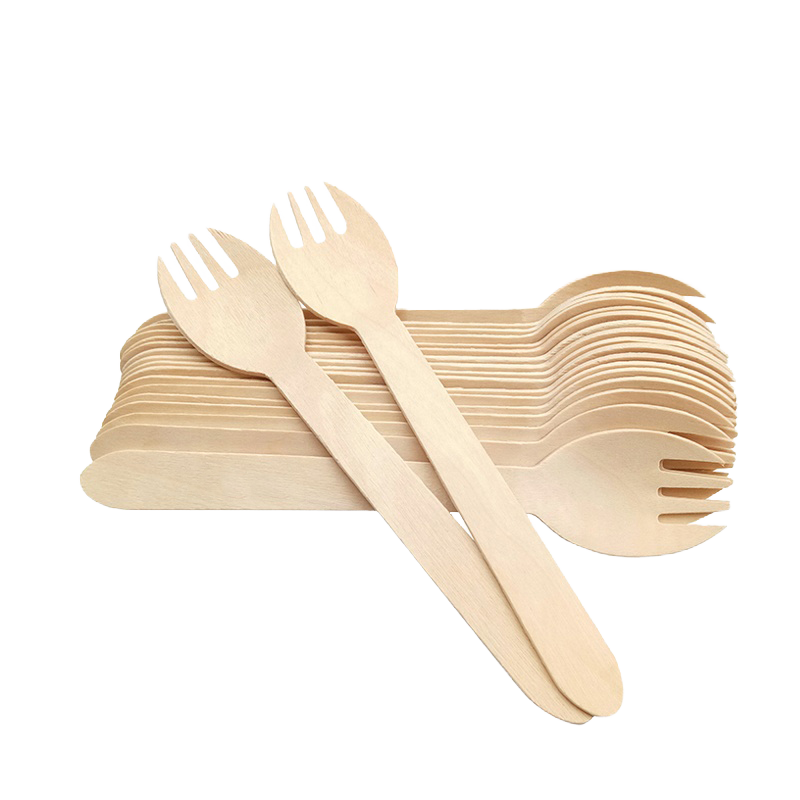
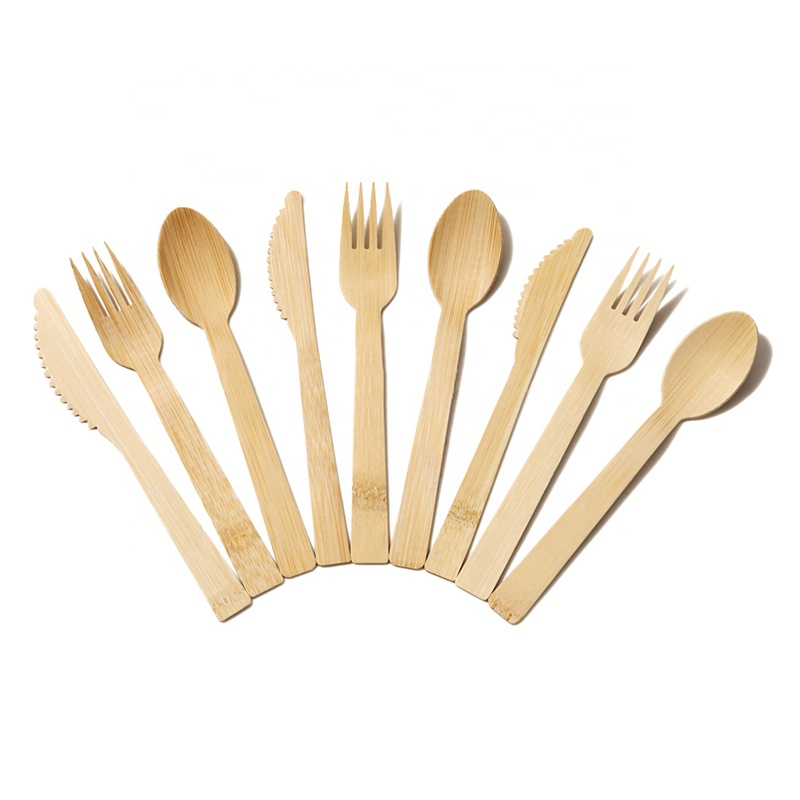
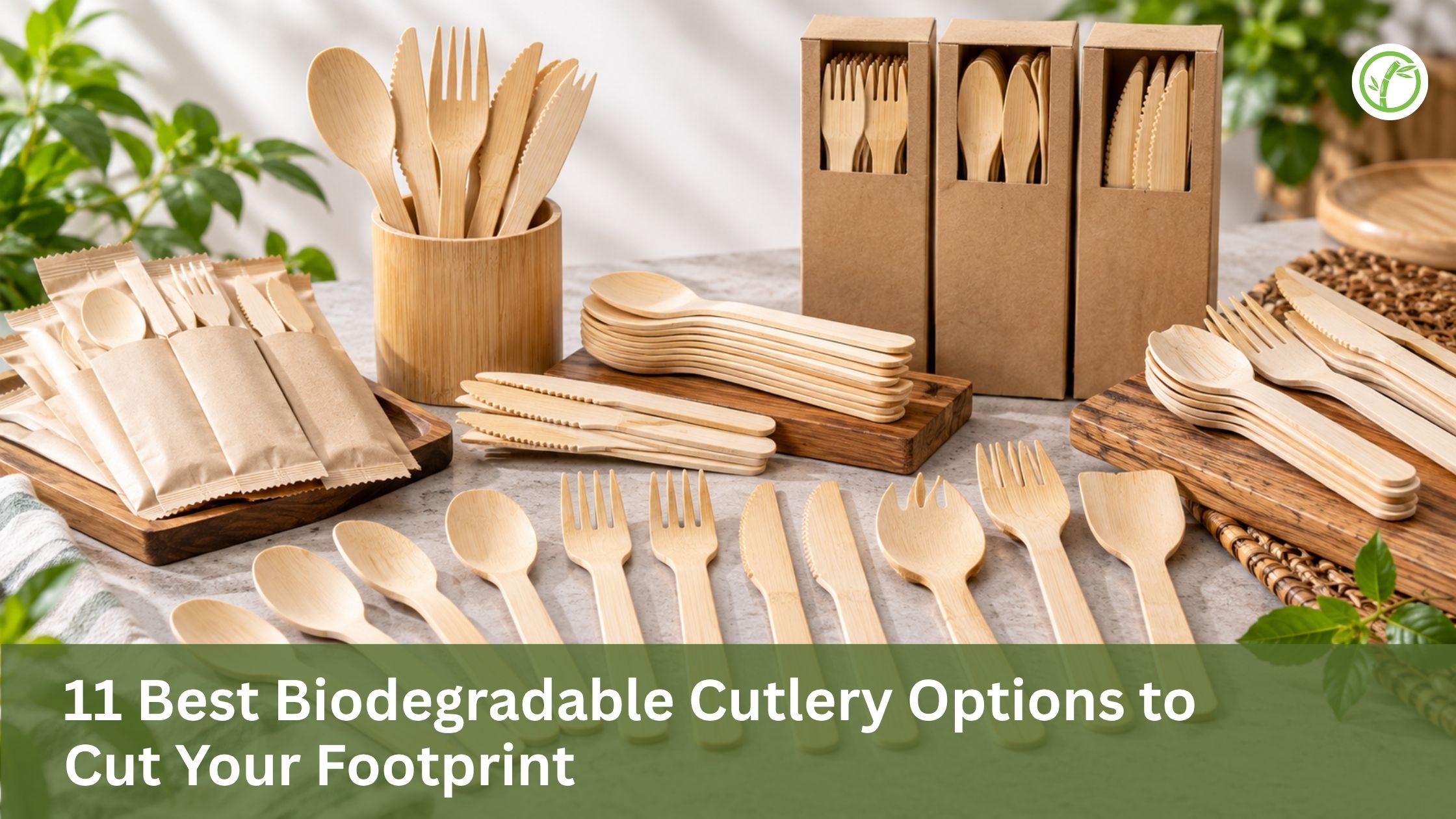
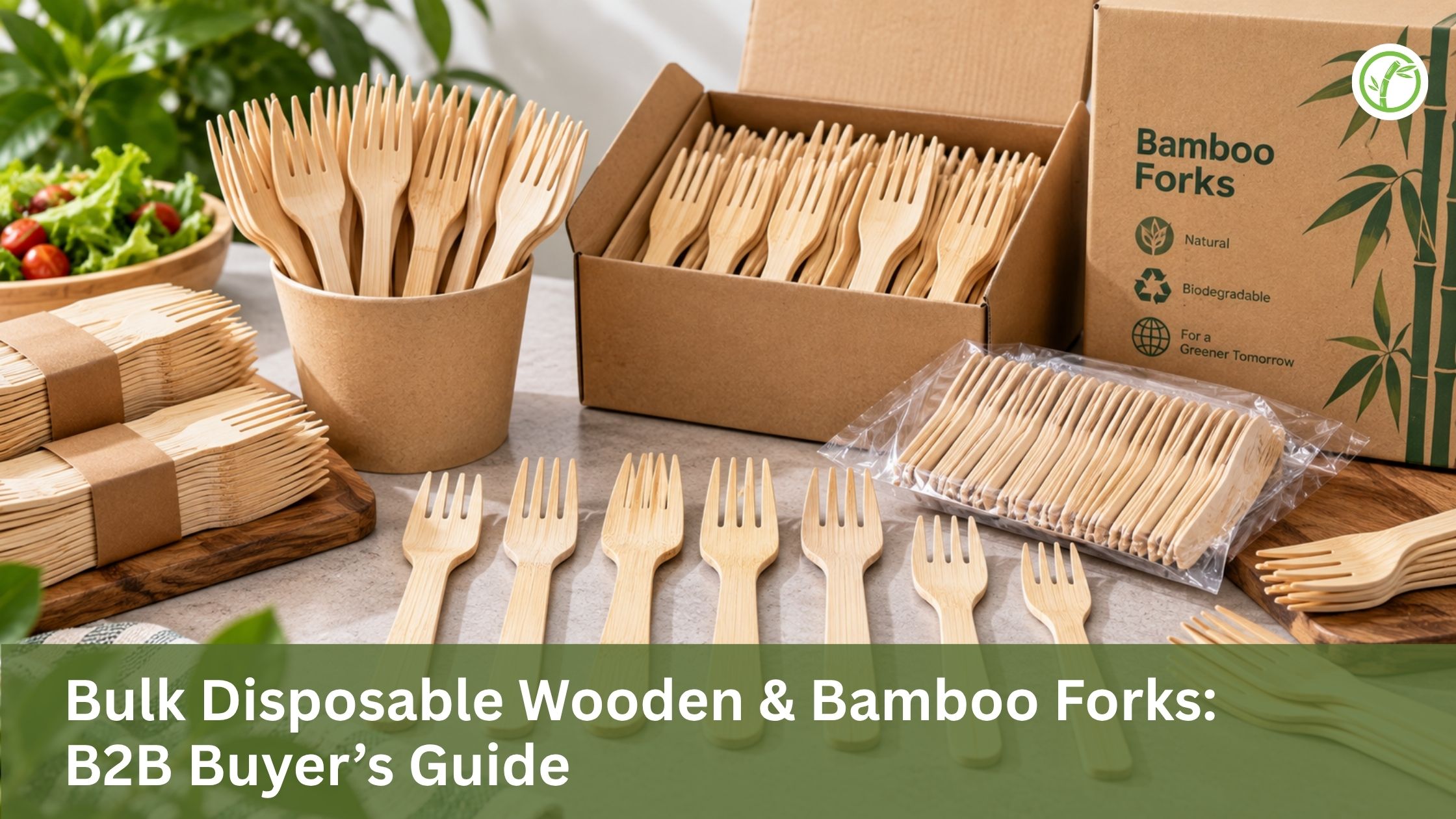
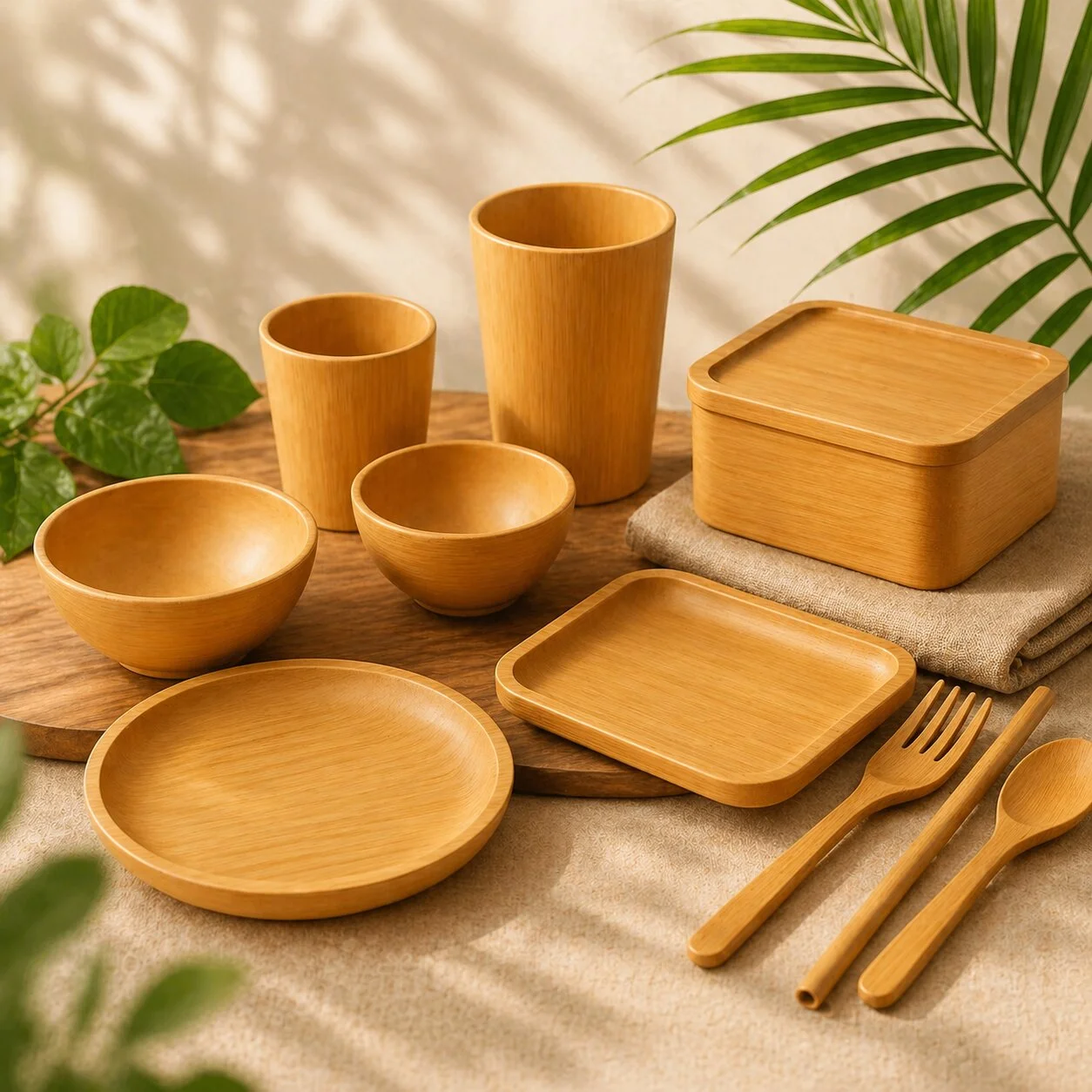
Bamboo cutlery, wooden utensils, and bagasse plates pair naturally with compostable packaging to create a cohesive, on-brand, sustainable presentation. If you’re sourcing these items alongside your packaging from manufacturers in China, this guide on how to import eco-friendly products from China covers the logistics end-to-end — from supplier selection to customs. And if cost is a concern, how much it costs to import bamboo products from China gives realistic per-unit pricing benchmarks to plan against.
The Bottom Line
Eco-friendly food packaging for small businesses is more accessible, more affordable, and more impactful than most owners realise. The barrier isn’t budget — it’s knowing which materials to use, which certifications to trust, and how to source at the right volume.
Start with your highest-visibility packaging: the box, the bag, the container your customer carries out. Switch to recycled kraft paper or bagasse first — both are affordable, widely available, and perform well across most food types. Then layer in custom branding, certifications, and premium materials as volume grows.
The businesses that go green early aren’t just doing the right thing. They’re building a customer base that stays.
For Further Reading:
eco friendly products for restaurant
eco friendly food packaging for small business
eco friendly products for hotels
eco friendly products for hospitals
eco friendly products for catering services
FAQ: Eco Friendly Food Packaging for Small Businesses
Not necessarily — and often no. Recycled kraft paper and cardboard run just 5–15% more than conventional options at comparable volumes. The real cost driver is minimum order quantities, not the materials themselves. The solution is buying cooperatives, packaging brokers, or starting with standard eco options before moving to custom-branded versions. Most businesses recover the cost difference within 3–6 months through improved customer retention.
Recycled kraft paper and FSC-certified cardboard are consistently the most affordable entry points. Recycled cardboard boxes typically run $0.20–$0.50 per unit depending on size and quantity. Bagasse containers are the next most cost-effective choice for hot food takeaway. Both are widely available without prohibitively high minimum orders.
These terms sound interchangeable but mean different things. Biodegradable simply means the material will eventually break down — which technically applies to most materials, including conventional plastic, just over vastly different timescales. Compostable has a specific technical meaning: it breaks down into non-toxic compost within a defined timeframe under defined conditions. Look for BPI or OK Compost certification to verify genuine compostability claims rather than relying on the word alone.
Yes. Custom branding — logo printing, bespoke sizing, branded tissue paper — is available from most sustainable packaging suppliers. The practical barrier is minimum order quantities, which vary by supplier and product type. Digital printing technology has lowered MOQs significantly in recent years, making short-run custom eco packaging accessible to small businesses that would have been priced out five years ago.