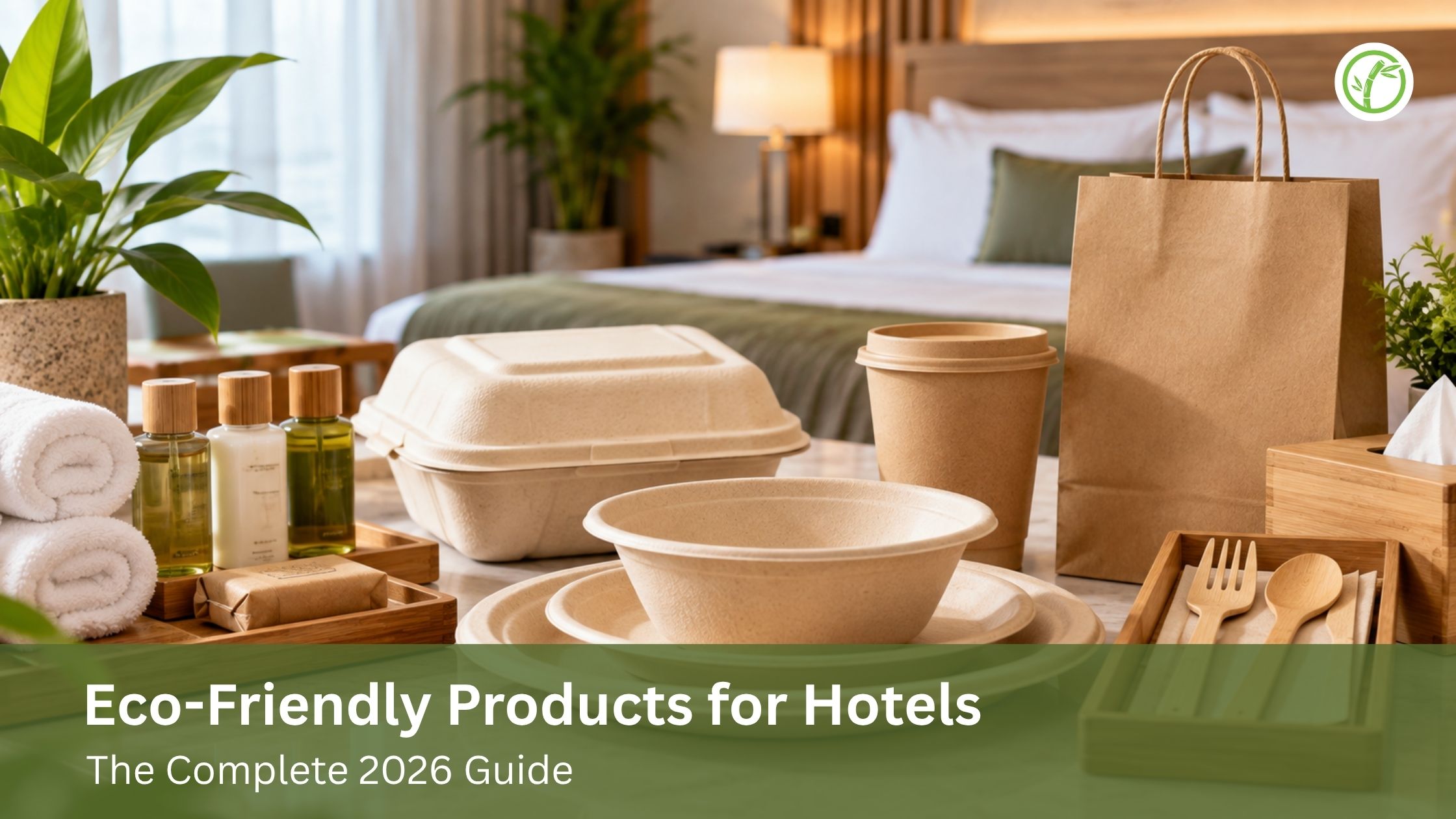
In 2026, eco friendly products for hotels aren’t a differentiator; they’re a baseline expectation. A single 200-room hotel burns through roughly 300,000 pieces of single-use plastic every month. This guide covers every category you need to address, from bathroom amenities to dining, and how to source the right products at scale.
Why Are Eco-Friendly Hotel Products Non-Negotiable in 2026?
Guests are now researching a hotel’s sustainability practices before they book. A Hilton survey of 72,000 guests found that one-third research environmental practices before booking — and that number jumps to 44% among guests under 25.
The regulatory pressure is equally clear. California banned mini plastic toiletry bottles in hotels in 2023. New York and Illinois followed with their own bans in 2025. The EU has proposed banning miniature toiletries and single-use food packaging outright as part of its European Green Deal. Hotels that don’t adapt face fines up to $500 per day per violation, and the tightening won’t stop there.
The financial case closes the argument. NYU Stern Center for Sustainable Business found that sustainability-marketed products have consistently grown faster than conventional goods, accounting for nearly a third of all consumer growth in recent years, during a period of inflation. Eco-conscious guests don’t just stay once; they return, and they recommend.
1. Bathroom Toiletries: The Highest-Impact Starting Point
Why Are Mini Toiletry Bottles Still a Problem?
The US throws away 550 million shampoo bottles annually from hotels alone. IHG alone averaged 200 million mini toiletries across its 843,000 guest rooms before committing to eliminating them. Marriott, Radisson, and Hilton have all made public pledges to phase out single-use plastic toiletries — which means guests now expect this as standard, not a premium.
Refillable Wall-Mounted Dispensers
The most practical and cost-effective switch is replacing individual plastic bottles with refillable wall-mounted dispensers for shampoo, conditioner, and body wash. A wellness resort in Kerala made this exact change and eliminated over 12,000 plastic bottles in a single year.
Modern dispenser systems come in ceramic, glass, and brushed metal formats that complement both luxury and boutique aesthetics without looking institutional. For mid-range properties, high-quality plastic dispensers with refillable cartridges achieve the same result at a lower upfront cost.
Zero-Plastic Soap Bars
Organic glycerin-based soap bars wrapped in biodegradable kraft paper or sugarcane paper eliminate plastic from the vanity. They perform comparably to liquid soap in guest satisfaction surveys, and the packaging presents as premium rather than budget, which matters for brand perception.
Look for cruelty-free, vegan, and plant-based certified formulas. Ayurvedic and botanical-infused options are growing in popularity for wellness-positioned hotels, where the story behind the product becomes part of the guest experience.
2. Dry Amenities and Room Essentials

Bamboo and Wheat-Straw Amenity Kits
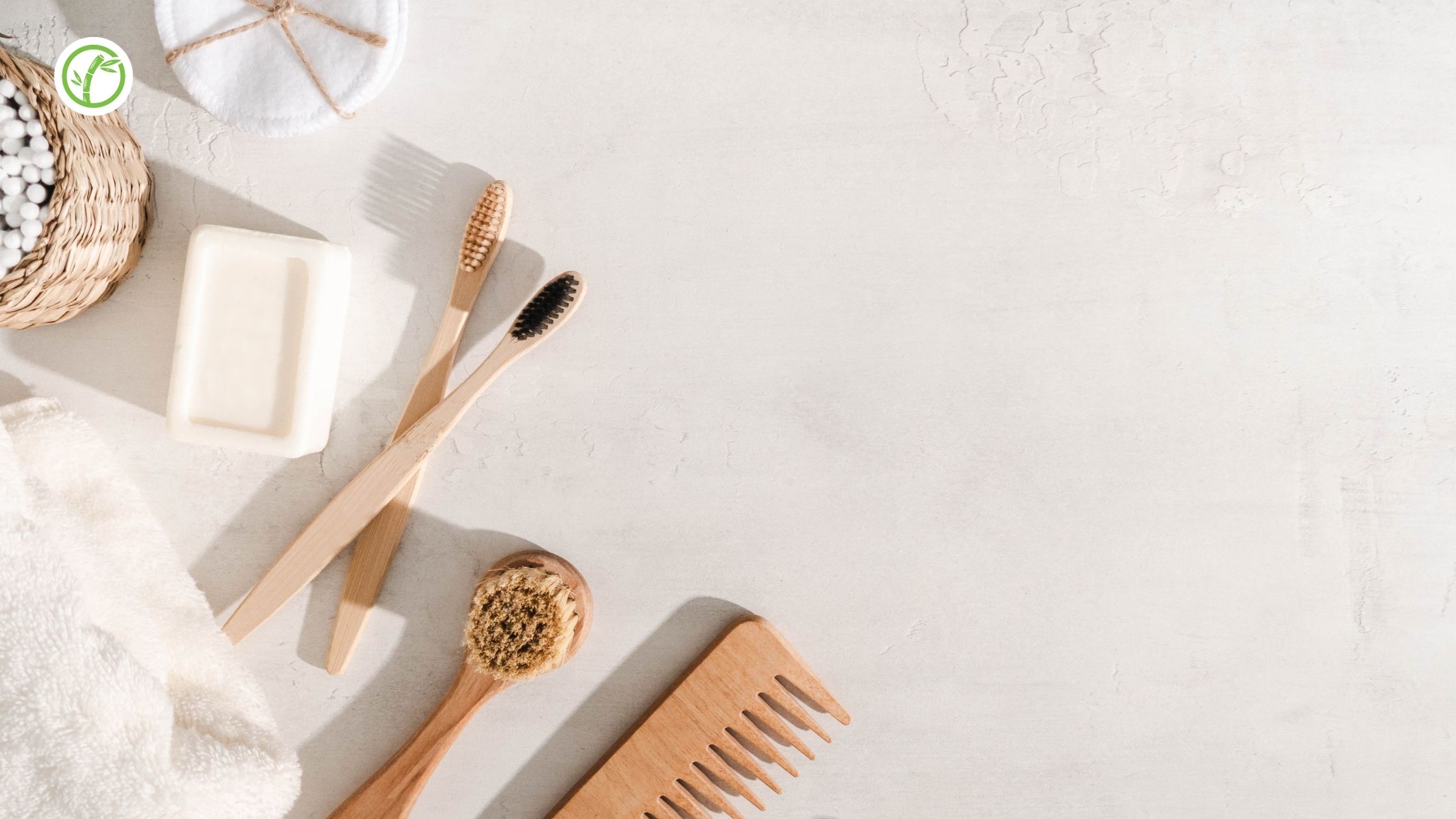
Plastic dental kits, plastic combs, and plastic razor handles are among the most wasteful items in any hotel room. The alternative is simple: biodegradable bamboo and wheat-straw versions that perform identically but decompose cleanly.
Bamboo toothbrushes have a noticeably warmer, more natural feel than plastic a sensory difference guests register and often comment on positively. Bamboo razor handles with replaceable heads extend product life without generating plastic waste. Bamboo comb and hairbrush handles look great in any room tier.
Stone Paper and Recycled-Content Accessories
Stone paper made from calcium carbonate rather than wood pulp is tear-resistant, waterproof, and produced without trees or water. Vanity kits, sleeping mask packaging, and loofah wrapping made from stone paper carry genuinely differentiated sustainability credentials for eco-storytelling.
Compostable Slippers
Room slippers are one of those items guests rarely think about, but hotels that switch to natural-fiber slippers with compostable packaging get noticed in reviews. Materials like organic cotton, jute, and bamboo fabric blends decompose cleanly and feel noticeably softer and more natural than synthetic alternatives.
Also read – eco friendly products for restaurant
3. Hotel Dining, Room Service, and Bar: The Bamboo Opportunity
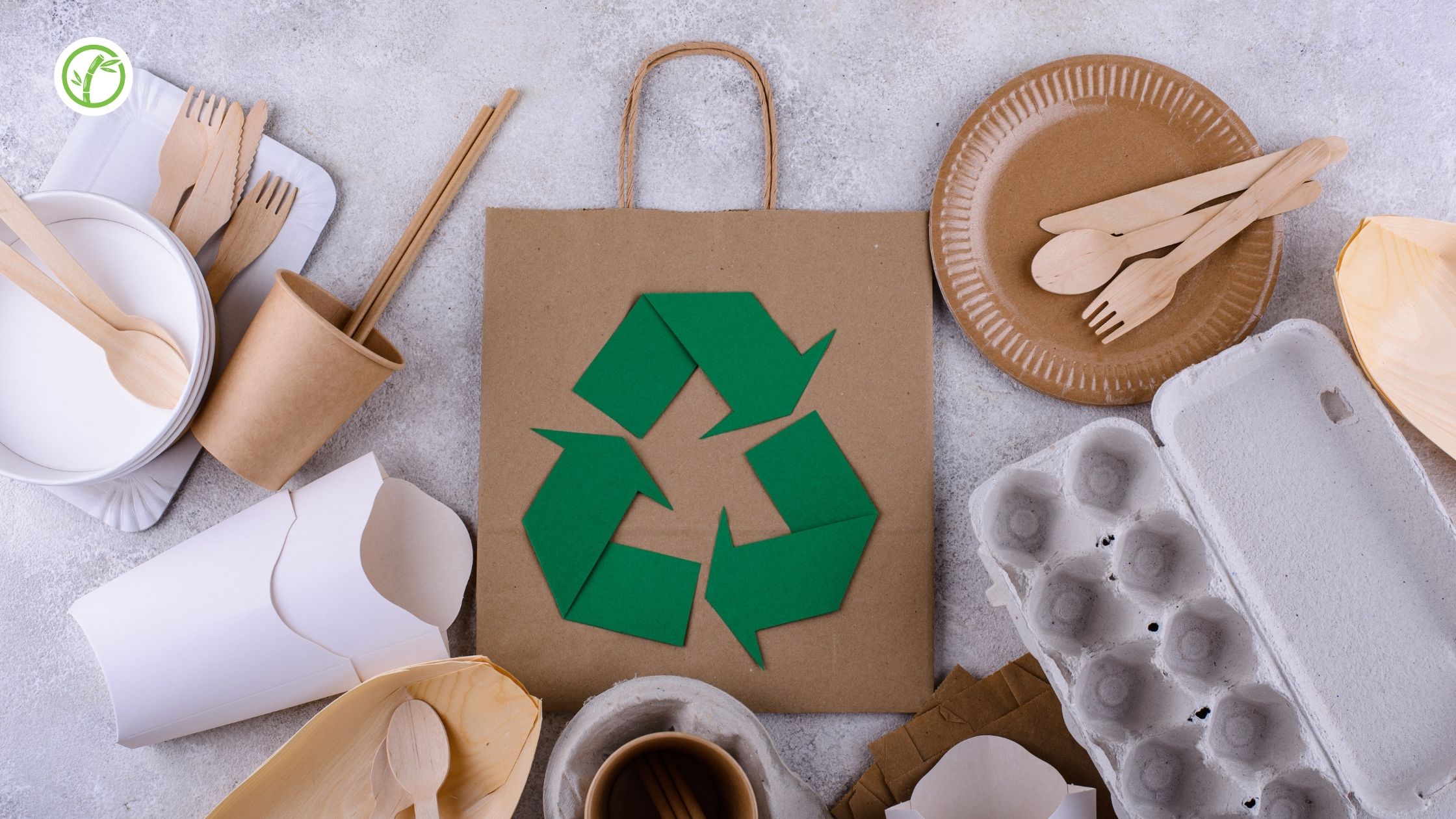
This is where Friendly Bamboo products fit directly into a hotel’s sustainability programme and where the visual impact is highest.
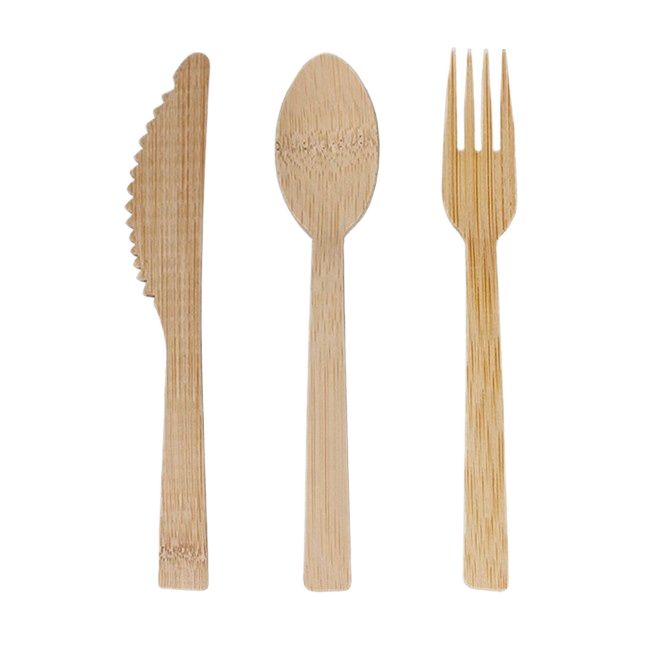
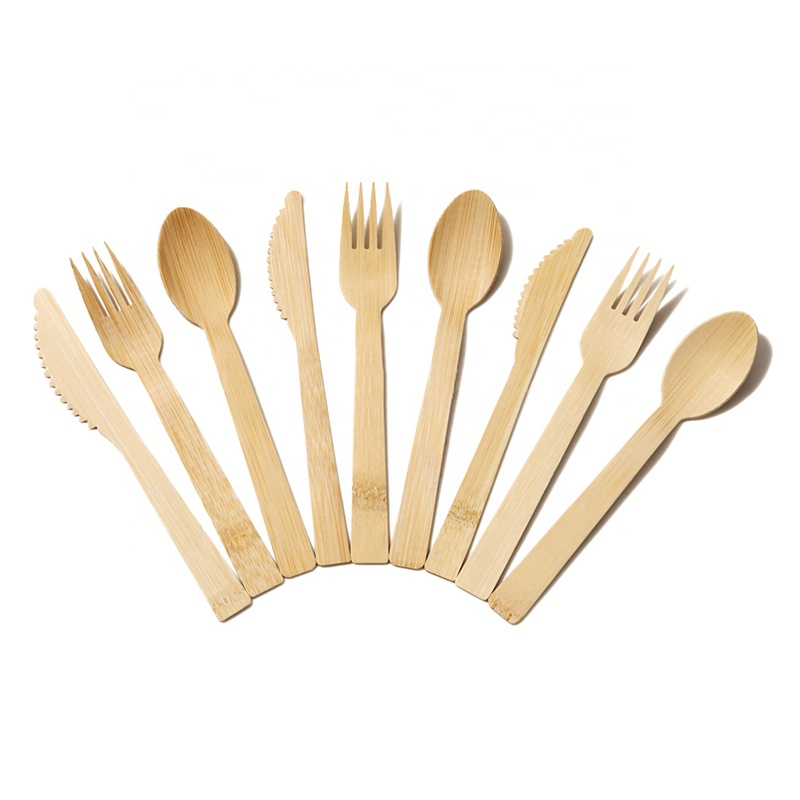
Bamboo Cutlery for Buffets, Room Service, and Events
Single-use straws, mini toiletries, and takeaway containers are being replaced with eco-friendly options like compostable containers and refillable dispensers as eco-friendly hotel amenities, but the cutlery on the room service tray and at the breakfast buffet is equally visible to guests.
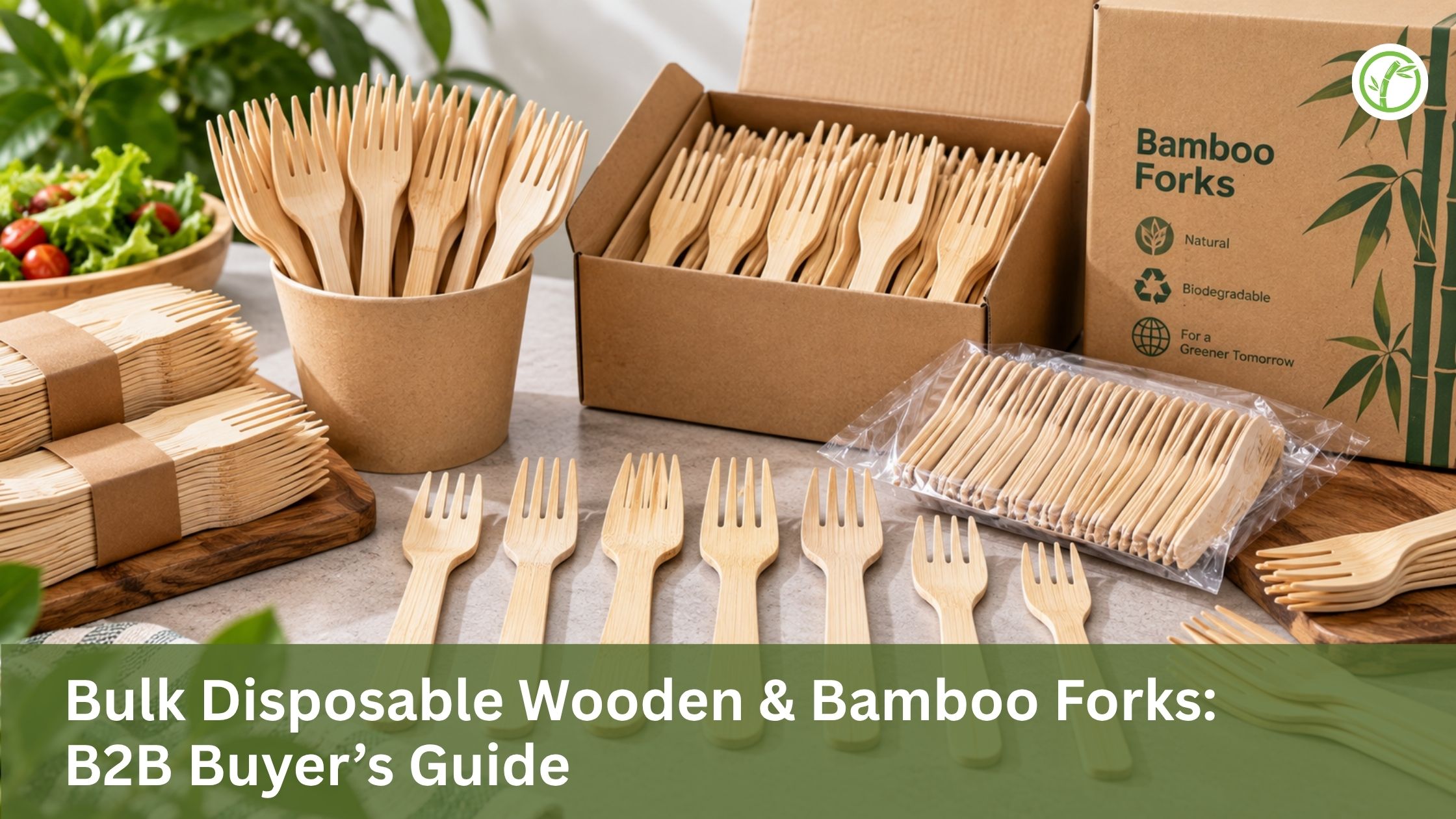
Bamboo cutlery is PFAS-free, home compostable, and strong enough to handle all standard meal types without bending or splintering. For hotels serving buffet breakfasts, in-room dining, or catered events, it pairs naturally with the organic aesthetic most eco-positioned properties are building.
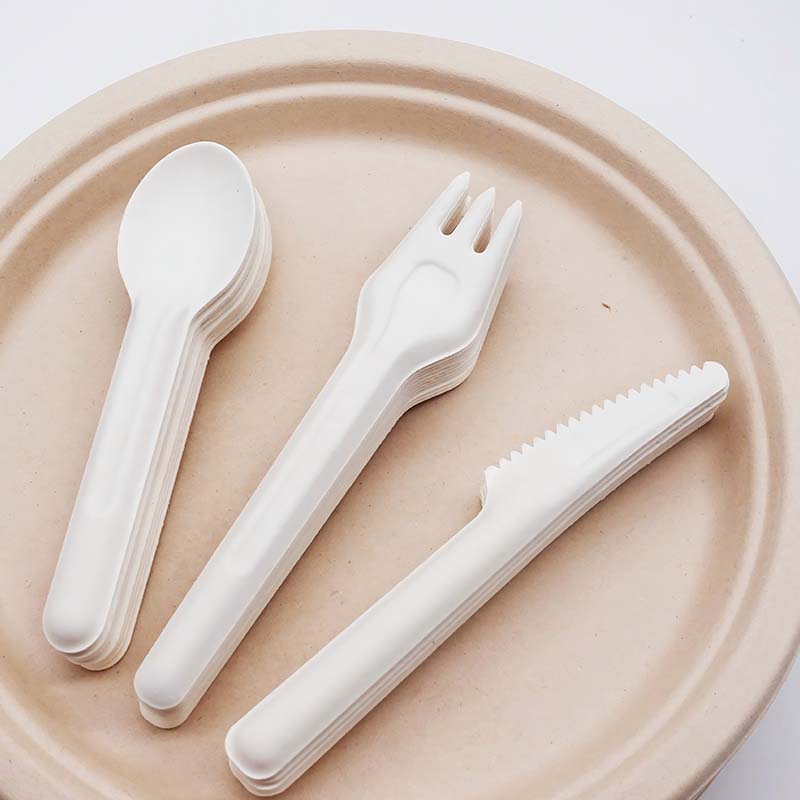
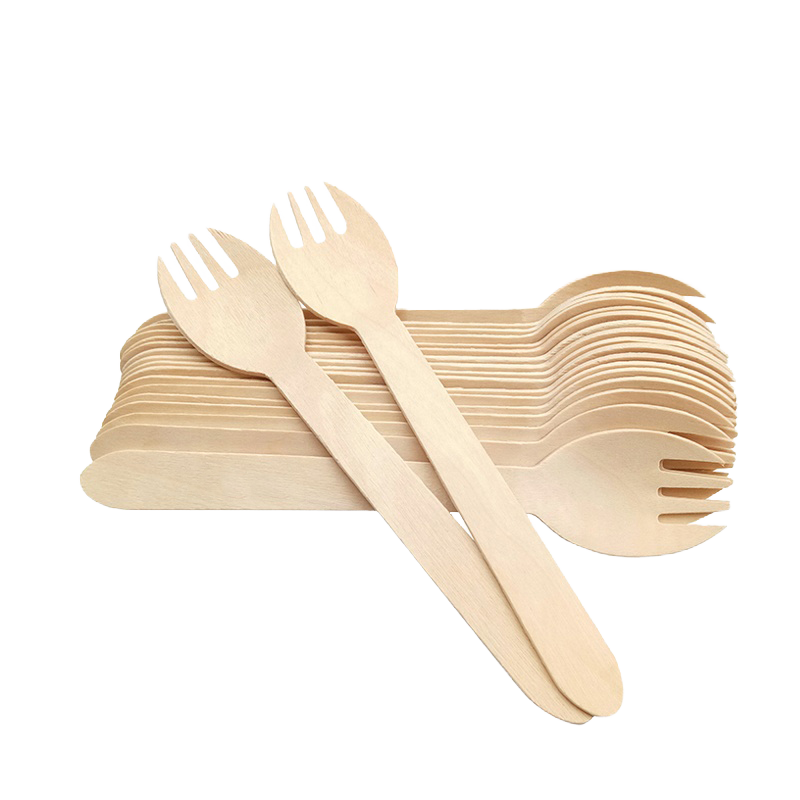
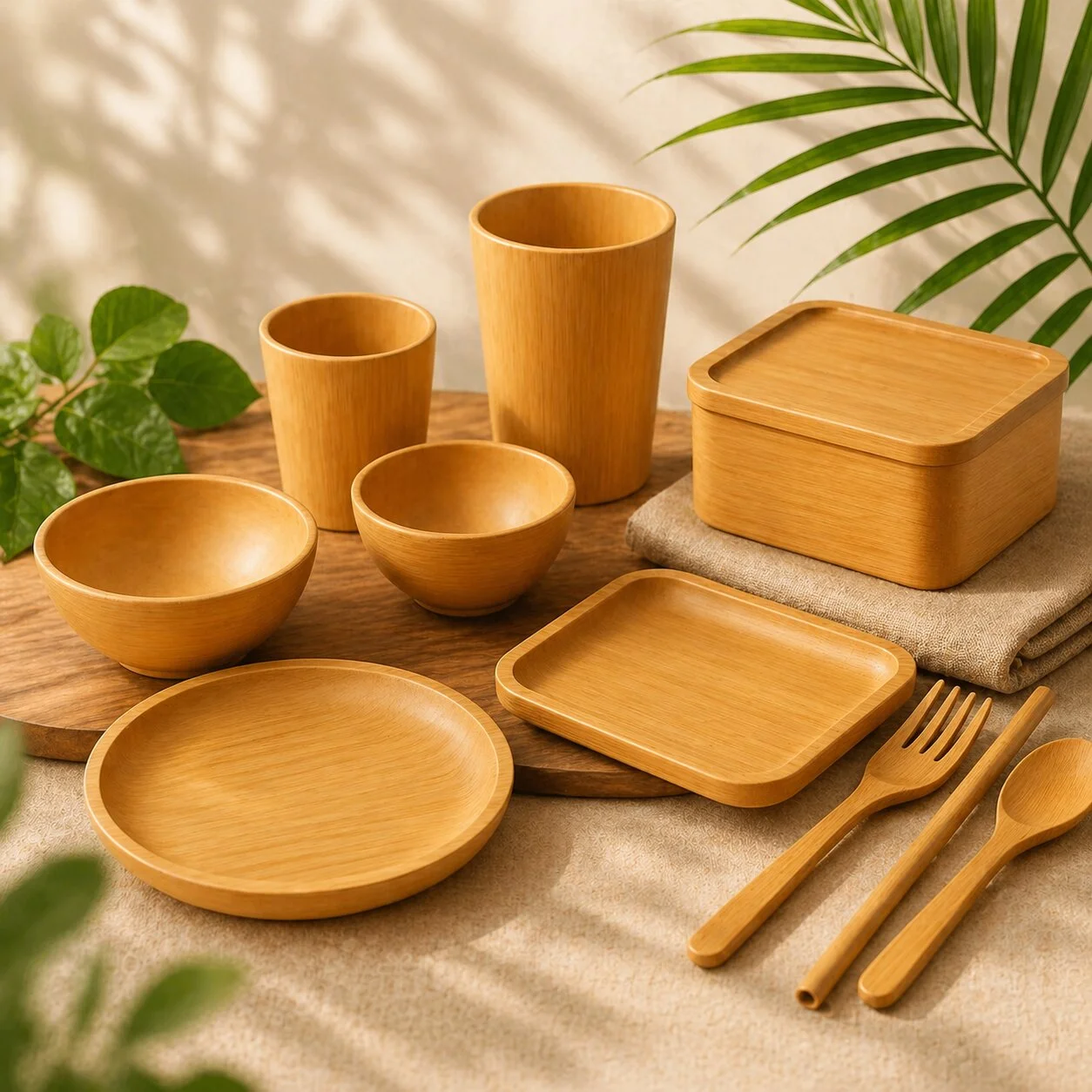
For full tableware coordination, wholesale bamboo tableware including serving spoons, tongs, and side plates creates a cohesive, on-brand presentation from kitchen to table. Hotels running high-volume buffets can also supplement with wooden cutlery, which offers greater rigidity for cutting through denser foods at lower per-unit cost.
Bamboo Straws for the Bar
Plastic straws are being replaced with eco-friendly alternatives across hospitality. Paper straws remain the most common swap — but guest complaints about sogginess are widespread and directly impact satisfaction scores.
Bamboo straws solve this entirely. They hold up for the full duration of any drink, add a natural aesthetic to cocktail presentation, and are home compostable. For hotel bars sourcing in volume, bamboo straw manufacturers supply both standard and custom-length options. Properties looking for variety can also explore wholesale reed straws and wheat straws wholesale as natural single-use alternatives that each carry a distinct visual story.
Cocktail Picks and Garnish Tools
Hotel bars and F&B operations often overlook the smallest items, but bamboo cocktail picks, skewers, and garnish tools are easy, low-cost sustainability wins that add up in volume.
Cocktail picks wholesale, bamboo umbrella picks, and bamboo knot cocktail picks replace plastic alternatives across the bar operation. For kitchen and catering, flat bamboo skewers are a direct drop-in for plastic versions at buffet stations and live-cooking events.
Bamboo Chopsticks for Asian Cuisine Hotels
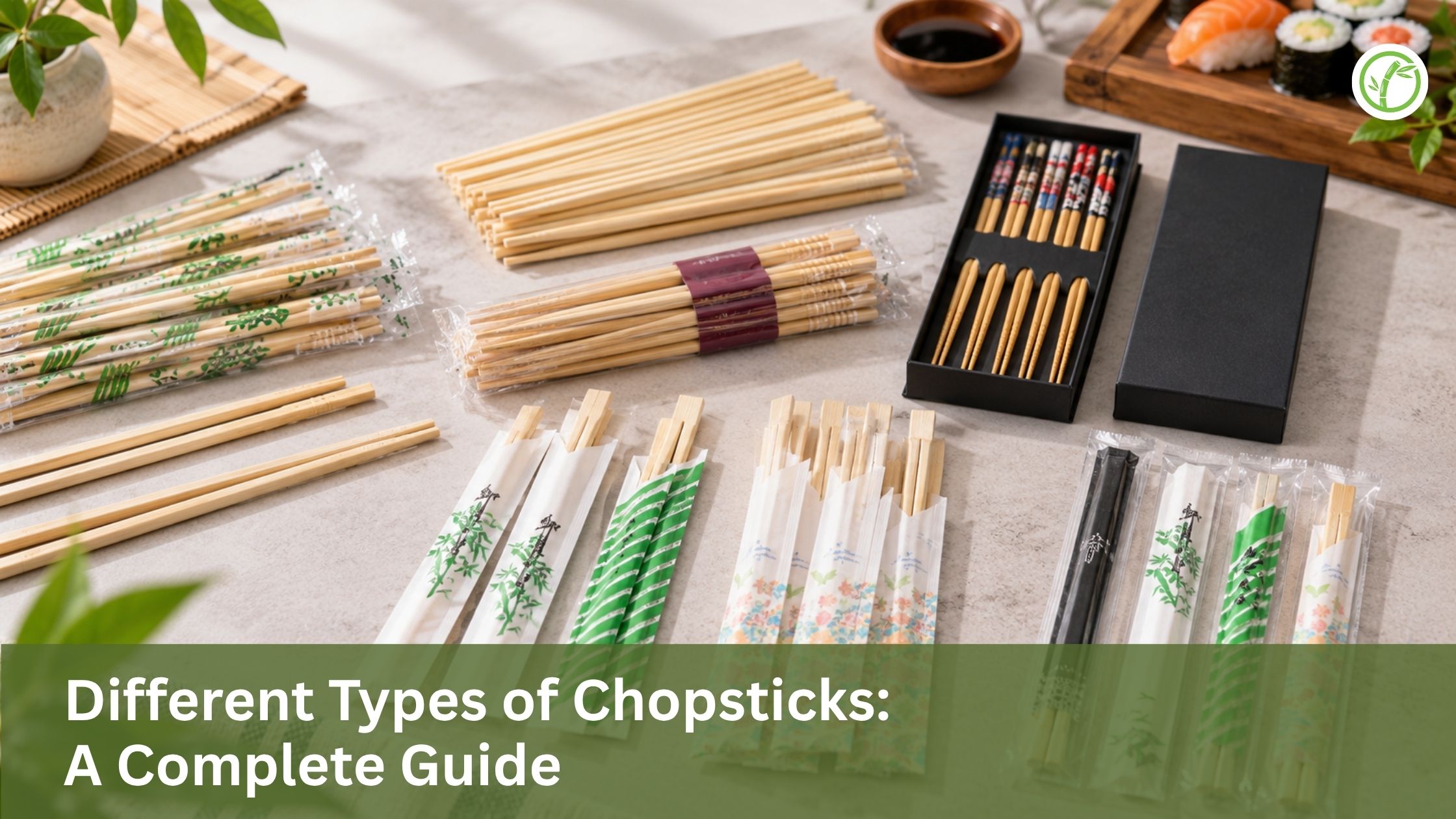
Hotels operating Asian restaurants or room service menus can replace disposable plastic chopsticks entirely. Sushi chopsticks wholesale, tensoge bamboo chopsticks, and bamboo twin chopsticks are available in bulk with optional custom branding. A branded bamboo chopstick sleeve is a detail guests photograph and share.
Bagasse Plates for Banquets and Catered Events
For high-volume hotel events, conferences, weddings, and banquets, reusable crockery isn’t always practical, but plastic plates are no longer acceptable. Bagasse plates offer a compostable, heat-resistant alternative that handles full meal service without leaking or warping.
For premium events where visual impact matters, bamboo disposable plates present a more upscale aesthetic and signal quality to guests. Pairing bamboo plates with bamboo cutlery creates a complete, cohesive eco table setting that photographs well, important for event venues competing on presentation as the best eco-friendly hotel amenities.
4. Housekeeping and Operations

Green Cleaning Products
Conventional cleaning chemicals contain volatile organic compounds (VOCs) that degrade indoor air quality and flush harmful substances into water systems with every rinse cycle. For housekeeping teams working in enclosed spaces throughout the day, this is also a staff health issue, not just an environmental one.
Bio-based, herbal, and non-toxic cleaning agents are now commercially available at hotel-grade concentrations. They perform comparably to conventional products for surface sanitation, and several are certified by third-party organisations for biodegradability and non-toxicity. Hotels switching to green cleaning report improved indoor air quality scores in guest satisfaction data — a measurable benefit beyond the environmental narrative.
Water Conservation Fixtures
Hotels are cutting back on water waste by adopting smarter systems and sustainable design choices. The highest-ROI interventions are low-flow faucet aerators, low-flush toilets, and sensor-activated taps all of which reduce water consumption substantially without any perceptible change to guest experience.
Motion-activated lighting in corridors, stairwells, and amenity spaces eliminates the baseline energy waste that accumulates in high-occupancy properties around the clock.
Digital Operations: Eliminating Paper Waste
Digital check-ins and mobile room keys reduce paper waste and eliminate the need for plastic keycards. QR-code menus in rooms and restaurants replace printed menus. Digital receipts replace paper ones. Each swap is individually small but collectively eliminates significant material waste and reduces supply chain complexity.
Smart thermostats and occupancy-based HVAC systems are increasingly standard in 2026 and represent one of the highest-ROI sustainability investments a property can make. Energy consumption accounts for roughly 60% of a hotel’s carbon footprint, making it the single highest-impact operational target.
5. Sourcing, Furnishings, and Procurement

Sustainable Materials in Interiors
More properties are choosing materials with a lower environmental impact, such as reclaimed wood, bamboo, and recycled metal for guest rooms, lobbies, and dining areas. These materials add character while reducing waste, and in a market where every hotel looks similar, the tactile and visual distinctiveness of natural materials is a differentiator guests notice.
Natural fiber carpets, low-VOC paints, and FSC-certified timber for furniture all contribute to healthier indoor environments and a credible sustainability story.
Local Sourcing for F&B
Partnering with local farms and food producers for in-room coffee, tea, minibar items, and restaurant ingredients reduces transport emissions and supports regional economies. The guest-facing story “sourced from farms within 50 miles” or “local single-origin coffee” is also a premium positioning tool that guests in 2026 actively respond to.
Also read – eco friendly food packaging for small business
Eco-Friendly Hotel Products: At-a-Glance Table
| Category | Conventional Product | Eco-Friendly Swap | Key Benefit |
| Bathroom | Mini plastic shampoo bottles | Refillable wall dispensers | Eliminates 12,000+ bottles/year per property |
| Bathroom | Plastic soap packaging | Kraft-wrapped soap bars | Zero plastic, biodegradable |
| Amenities | Plastic dental/shaving kits | Bamboo/wheat-straw kits | Biodegradable, premium feel |
| Dining | Plastic cutlery | Bamboo or wooden cutlery | Compostable, PFAS-free |
| Bar | Plastic straws | Bamboo/reed/wheat straws | No sogginess, home compostable |
| Bar | Plastic cocktail picks | Bamboo cocktail picks | Biodegradable, aesthetic upgrade |
| Events | Plastic/foam plates | Bagasse or bamboo plates | Compostable, heat-resistant |
| Housekeeping | Chemical cleaning agents | Bio-based, non-toxic cleaners | Better air quality, biodegradable |
| Operations | Plastic keycards, paper menus | Mobile keys, QR menus | Eliminates ongoing material waste |
| Furnishings | Standard timber/synthetics | FSC-certified wood, bamboo | Responsible sourcing, natural aesthetic |
What Do Eco Certifications Mean for Hotel Products?
Not all “eco-friendly” claims are verifiable. In a market where greenwashing is widespread, certifications are the shortcut to credibility both for procurement teams and for the guests hotels want to attract.
- FSC (Forest Stewardship Council) — verifies responsible forestry for wood and bamboo products
- BPI or OK Compost — confirms industrial compostability for plates, cutlery, and food-contact items
- LEED / Green Key / EarthCheck — property-level sustainability certifications are increasingly referenced in booking decisions
- Cruelty-Free / Vegan Certified — relevant for bathroom toiletries and amenity products
- No PFAS Added — for coated fiber products; confirms freedom from forever chemicals
- ENERGY STAR — for appliances and equipment; confirms independently verified energy performance
Pursuing at least one property-level certification (Green Key or EarthCheck is the most accessible for independent hotels) provides third-party credibility that increasingly influences OTA rankings and booking decisions.
How to Source Eco Friendly Hotel Products at Scale
For properties sourcing bamboo tableware, cutlery, straws, and disposables in volume, direct procurement from manufacturers, particularly in China, where the majority of the world’s bamboo and bagasse products are manufactured, significantly reduces per-unit cost.
This is particularly relevant for hotel groups or chains coordinating procurement across multiple properties. For a full breakdown of costs and logistics, these sourcing guides cover the process end-to-end: how much it costs to import bamboo products from China, how to import eco-friendly products from China, and how to import disposable tableware from China.
For properties looking to consolidate tableware and disposable sourcing, where to buy bulk bamboo products at factory price and which supplier offers wholesale bamboo products for distributors are practical starting points for procurement teams.
Real Example: What One Hotel Changed in 90 Days
A 120-room boutique property in Southeast Asia made the following product switches over a single quarter:
- Mini plastic shampoo/conditioner bottles → wall-mounted glass dispensers with organic botanical formulas
- Plastic dental kits → bamboo toothbrush + bamboo-handled razors in kraft paper packaging
- Plastic cocktail picks and stirrers → bamboo cocktail picks and bamboo coffee stirrers
- Plastic room service cutlery → bamboo cutlery sets
- Paper menus → QR code menus
- Plastic straws at the bar → bamboo straws
Estimated plastic eliminated in the first month: approximately 14,000 individual items. In their first post-switch guest satisfaction survey, the property saw a 22% increase in mentions of “sustainability” and “eco-friendly” as positive reasons for recommending the hotel without any change to room rates or other amenities.
The Bottom Line – Eco Friendly Hotel Amenities
Eco-friendly hotel products in 2026 span every corner of the property, from the bathroom vanity to the bar, the breakfast buffet to the supply closet. The starting point for most hotels is the same: eliminate the highest-volume single-use plastics first.
Refillable dispensers replace toiletry bottles. Bamboo and wooden cutlery replace plastic flatware. Bamboo straws replace paper or plastic ones. Bagasse or bamboo plates replace foam and plastic at events. Green cleaning products replace chemical-heavy alternatives.
Each switch is straightforward. Together, they add up to a property that guests trust, regulators don’t fine, and investors want to back.
External sources: Hotels Are Ditching Plastic Water Bottles – FloWater
FAQ: Eco Friendly Products for Hotels
Start with the items guests see and touch every day: bathroom toiletries, cutlery, and straws. These three categories generate the highest volume of single-use plastic waste and have the most visible impact on guest perception. Wall-mounted refillable dispensers, bamboo or wooden cutlery, and bamboo or reed straws are all straightforward switches with minimal operational disruption.
At comparable quality tiers, the gap is smaller than most procurement teams expect. Bamboo cutlery runs at a modest premium over plastic but substantially less than the reputational and regulatory cost of being seen as non-compliant. At a volume, which hotels typically order, the per-unit cost difference narrows further. The better frame is total cost of ownership: bamboo and bagasse products don’t carry the regulatory compliance risk, guest satisfaction penalty, or ESG audit exposure that plastic now does.
In the US, California banned mini plastic toiletry bottles in hotels in 2023. New York and Illinois enacted similar bans in 2025. Washington’s ban takes effect in 2027. Fines reach $500 per day for non-compliance. In the EU, proposed legislation under the European Green Deal targets miniature toiletries and single-use food packaging in hotels. Hotels in any regulated market should treat compliance as a floor, not a ceiling.
Positively and increasingly vocally. A Hilton survey found 44% of guests under 25 research a hotel’s environmental practices before booking. Booking.com’s 2024 sustainable travel report found 75% of global travelers want to travel more sustainably. Critically, eco-friendly switches generate positive review content; guests mention sustainability in five-star reviews, which has a compounding effect on bookings over time.
Yes — and in many cases, they perform better aesthetically than plastic alternatives. Bamboo and wooden tableware, glass refillable dispensers, kraft-wrapped organic soap bars, and ceramic amenity kits all present as premium rather than a compromise. The most respected luxury hotel groups, including properties within Accor, IHG, and Marriott portfolios, have committed to plastic elimination precisely because eco-credentials and luxury positioning are now compatible, not competing.