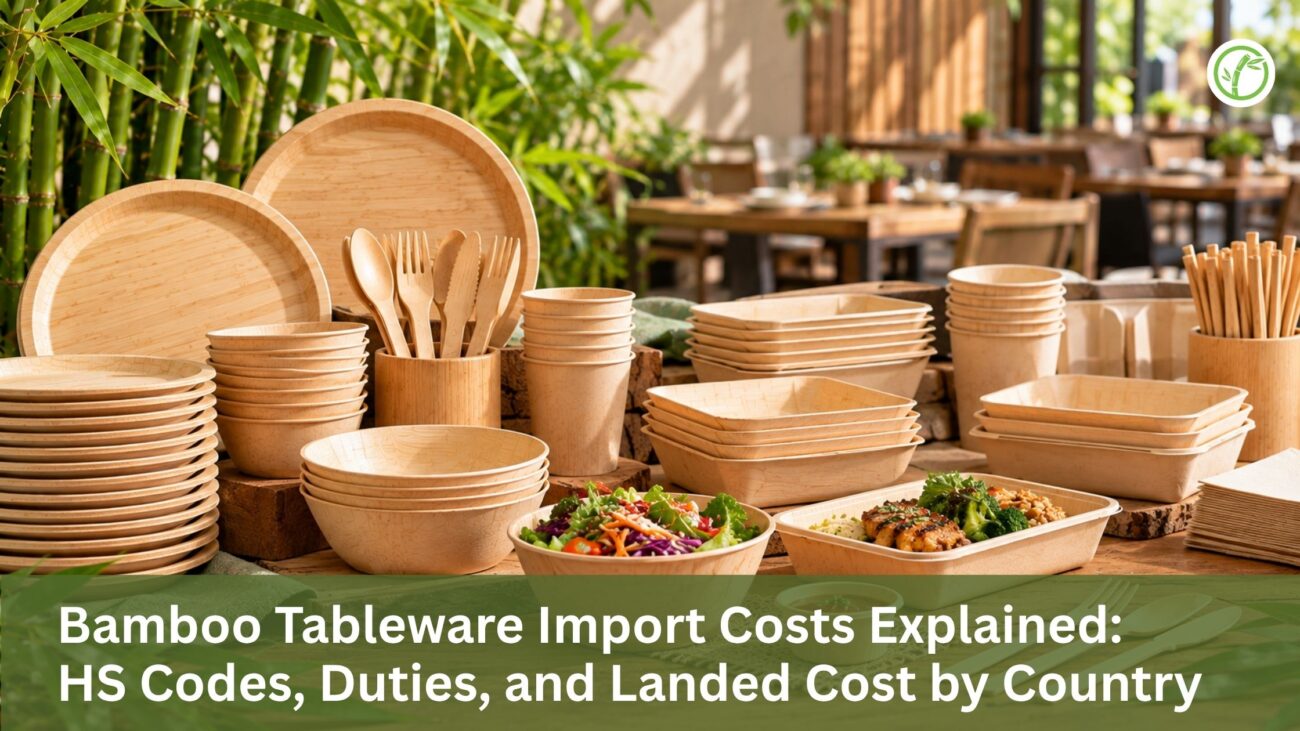
Bamboo Tableware Import Costs Explained: Bamboo tableware and kitchenware are classified under HS heading 4419 worldwide, but the actual duty owed depends on the destination country, the specific 8-to-10-digit subheading, and, for US-bound shipments from China, a stack of additional tariffs on top of the base rate that can roughly double or triple the effective duty. Landed cost is never just “unit price plus shipping”; it’s product cost, freight, insurance, duty, and any destination-market taxes or fees, and getting the HS subheading wrong is the single most common cause of customs delays and unexpected charges.
HS Codes for Bamboo Tableware
HS heading 4419 covers “tableware and kitchenware, of wood,” with bamboo-specific subheadings nested inside it. The exact subheading matters because duty rates differ between them:
| Product | HS Subheading (international 6-digit) | Notes |
| Bread/chopping boards | 4419.11 | Boards specifically |
| Chopsticks | 4419.12 | Its own dedicated subheading |
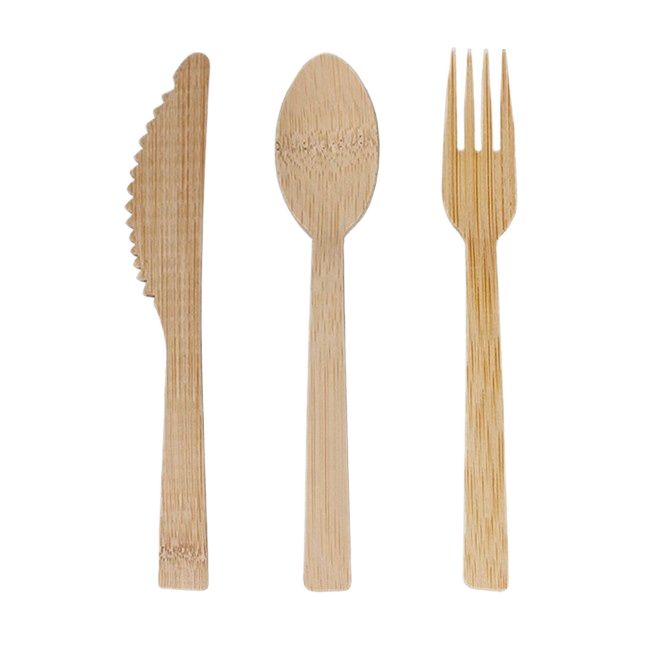
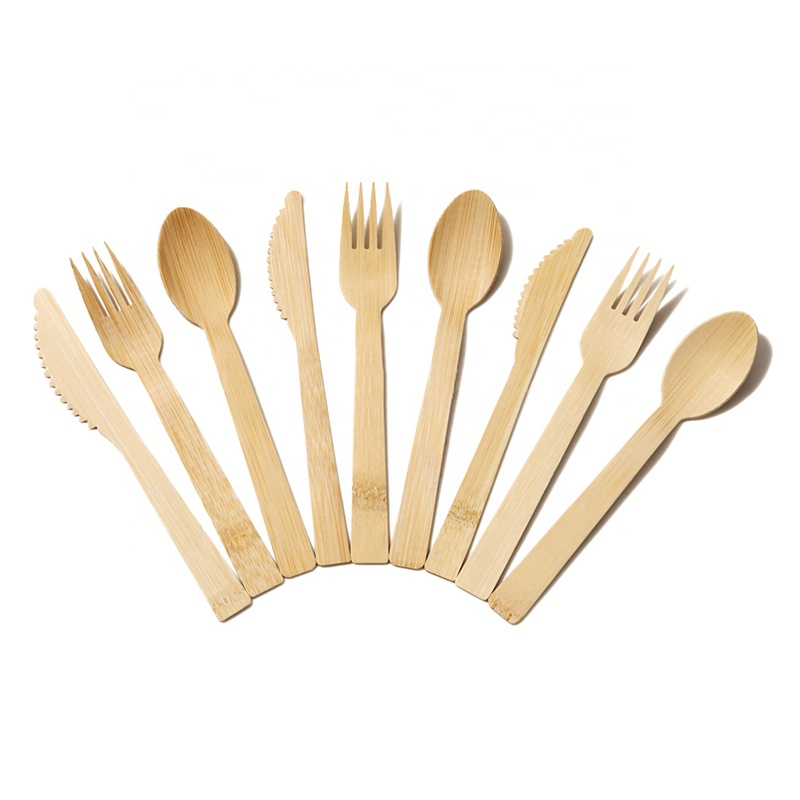
| Bamboo forks and spoons | 4419.19.10 (US-style 8-digit) | Cutlery-specific, often a different rate than “other” |
| Other bamboo tableware (plates, bowls, boards, trays) | 4419.19.90 (US-style) / 4419.19 (EU) | The general “catch-all” bamboo subheading |
| Wood tableware (non-bamboo) | 4419.20 (tropical wood) / 4419.90 (other wood) | Different subheading from bamboo specifically |
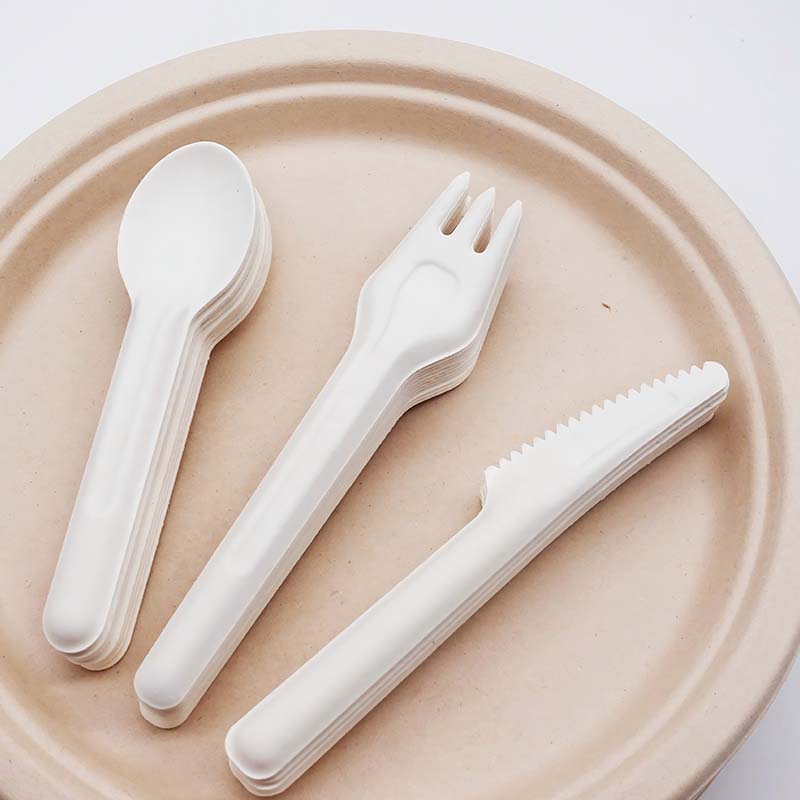
| Bagasse tableware (molded sugarcane fiber) | 4823.70 | Not under 4419 at all — classified as molded paper pulp articles |
This last row matters if your product range spans materials: bagasse plates and bowls are not classified the same way as bamboo plates and bowls, even though they often sit side by side in a supplier’s catalog and serve the same use case.
Duty Rates by Country (General Reference)
Duty rates vary by the exact subheading and by any trade agreement between the origin and destination country. As a general reference for standard (non-FTA) trade:
| Destination | Base MFN Duty on HS 4419 (approx.) | Additional Notes |
| United States | Roughly 3.2%–5.3% depending on exact subheading (e.g., forks/spoons vs. “other”) | China-origin shipments add Section 301 and other tariffs — see below |
| European Union | 0% on many bamboo/wood kitchenware subheadings under the EU’s Common Customs Tariff | Confirm the exact CN/TARIC code — some subheadings carry non-zero rates |
| United Kingdom | Broadly similar to EU rates post-Brexit under the UK Global Tariff, often 0% on wood/bamboo kitchenware | Confirm current UK Global Tariff schedule for the specific code |
| Canada | Generally low or 0% MFN duty on HS 4419 for most origins | GST/HST applies at the border regardless of duty rate |
| Australia | Generally low or 0% MFN duty on HS 4419 | GST applies at the border |
These are general reference points, not a substitute for checking the exact 8–10 digit code for your specific product with your destination country’s official tariff database or a licensed customs broker — duty rates for adjacent subheadings within HS 4419 can differ meaningfully (for example, chopsticks and bread boards each have their own subheading distinct from the general “other” category).
Also read – Custom Bamboo Cocktail Picks and Food Picks
Why US Imports from China Cost More Than the Base Rate Suggests
This is the detail that catches first-time importers off guard: for goods of Chinese origin entering the US, duty is not just the HS 4419 base rate. Multiple tariff layers can stack on top of it:
- Base MFN duty — the standard rate for the specific 8-digit HTS code, typically in the low single digits for bamboo tableware.
- Section 301 tariff — an additional tariff specifically on Chinese-origin goods, with wood and bamboo housewares/kitchenware generally falling under List 4A at 7.5%.
- Section 122 / additional China-specific tariffs — further duties that have been layered on in recent years, which can add another meaningful percentage depending on current policy.
Added together, importers report effective total duty rates in the rough range of 15–20%+ on Chinese-origin wood and bamboo tableware and cutlery once all applicable layers are counted — substantially higher than the base MFN rate alone would suggest. Because these additional tariff layers are a matter of active US trade policy rather than a fixed schedule, the specific combined rate should be confirmed against the current Section 301 tariff list for your exact HTS code before finalizing a landed-cost estimate, not assumed from a prior year’s rate.
How to Calculate True Landed Cost
Landed cost is the full cost of getting a product from the factory to your warehouse, ready to sell — not just the unit price on a supplier’s quote:
- Product cost (FOB or EXW price) — the base unit price from the manufacturer.
- Freight — sea freight (20–35 days typical from China) or air freight (3–7 days, higher cost) to the destination port or airport.
- Insurance — cargo insurance for the shipment value, typically a small percentage of goods value.
- Customs duty — base MFN rate plus any additional country-specific tariffs (as detailed above for US/China trade specifically).
- Destination taxes — VAT (EU, UK), GST (Canada, Australia), or sales tax, generally charged on the customs value plus duty, not on the goods value alone.
- Customs brokerage and clearance fees — a flat or percentage-based fee for handling the import declaration.
- Last-mile / inland freight — moving goods from the port or airport to your actual warehouse.
A simplified landed cost formula:
Landed Cost = (Unit Price × Quantity) + Freight + Insurance + Duty + Destination Taxes + Brokerage Fees + Inland Freight
Duty and taxes are calculated on the customs value (generally goods cost plus freight and insurance to the border, under the WTO valuation method most countries use), not on the unit price alone — so a low unit price with high freight costs doesn’t fully protect you from a proportionally higher duty bill.
Must read – MOQ Guide for Wholesale Bamboo Products
A Worked Example
For a hypothetical 10,000-unit order of bamboo plates from China at $0.15/unit FOB ($1,500 goods value), landed in the US:
| Cost Component | Approximate Amount |
| Goods cost (FOB) | $1,500 |
| Sea freight (shared container) | ~$300–$600 |
| Insurance | ~$15–$30 |
| Customs value (goods + freight + insurance) | ~$1,815–$2,130 |
| Duty (base + Section 301 + additional layers, ~15–20%+ combined) | ~$270–$425 |
| Customs brokerage fee | ~$100–$150 (often flat per entry) |
| Inland freight to warehouse | Varies by distance from port |
This example is illustrative only — actual freight rates, duty percentages, and brokerage fees vary by shipment size, carrier, current tariff policy, and destination, and should be confirmed with your freight forwarder and customs broker before committing to an order.
Also read – Wholesale Bamboo Tableware for Restaurants
Reducing Import Cost Exposure
- Confirm the exact 8–10 digit HS subheading before ordering, since chopsticks, boards, cutlery, and general tableware can sit under different subheadings with different rates within the same HS 4419 heading.
- Ask your manufacturer for their standard HS code recommendation and any prior customs documentation for the same product, since an experienced exporter will typically already know how their products have cleared customs previously.
- Consolidate shipments where practical to spread fixed costs like brokerage fees and inland freight across a larger goods value.
- Track current Section 301 and related tariff lists if importing from China into the US, since these tariffs are adjusted periodically and a rate that applied last year may not apply this year.
- Work with a licensed customs broker for first-time or large-volume shipments — misclassification is the most common source of customs delays, penalties, and unexpected duty bills, and a broker’s fee is typically small relative to the cost of a classification error on a full container.
Sourcing With Landed Cost in Mind
Because HS classification and duty exposure depend on the exact product, most experienced buyers request a specific HS code recommendation from their manufacturer alongside the wholesale quote, rather than estimating landed cost from the unit price alone. FriendlyBamboo ships bamboo, bagasse, and wooden tableware, cutlery, straws, and chopsticks to 30+ countries and can provide HS code references and export documentation for bamboo plates and tableware, bamboo cutlery, bamboo chopsticks, and bagasse products as part of a bulk order quote.
Frequently Asked Questions
Bamboo plates, bowls, and general tableware typically fall under HS 4419.19 (the “other” bamboo tableware subheading), separate from the dedicated subheadings for chopsticks (4419.12), boards (4419.11), and forks/spoons (4419.19.10 in the US 8-digit schedule). Bagasse products are classified separately under HS 4823.70, not under 4419 at all.
If your goods originate in China and are entering the US, the base MFN duty is only the starting point — Section 301 tariffs and other China-specific tariff layers add on top, which can bring the effective combined rate to roughly 15–20% or more depending on the exact product and current policy, well above the low single-digit base rate.
Many bamboo and wood kitchenware subheadings under HS 4419 carry a 0% MFN duty rate in the EU, though VAT still applies at the destination country’s rate. Always confirm the exact CN/TARIC code for your specific product, since not every subheading within 4419 is duty-free.
Add product cost, freight, insurance, customs duty (calculated on the customs value, not just the unit price), destination taxes like VAT or GST, customs brokerage fees, and inland freight to the warehouse. Duty and tax percentages apply to the customs value — goods cost plus freight and insurance to the border — not to the factory unit price alone.