
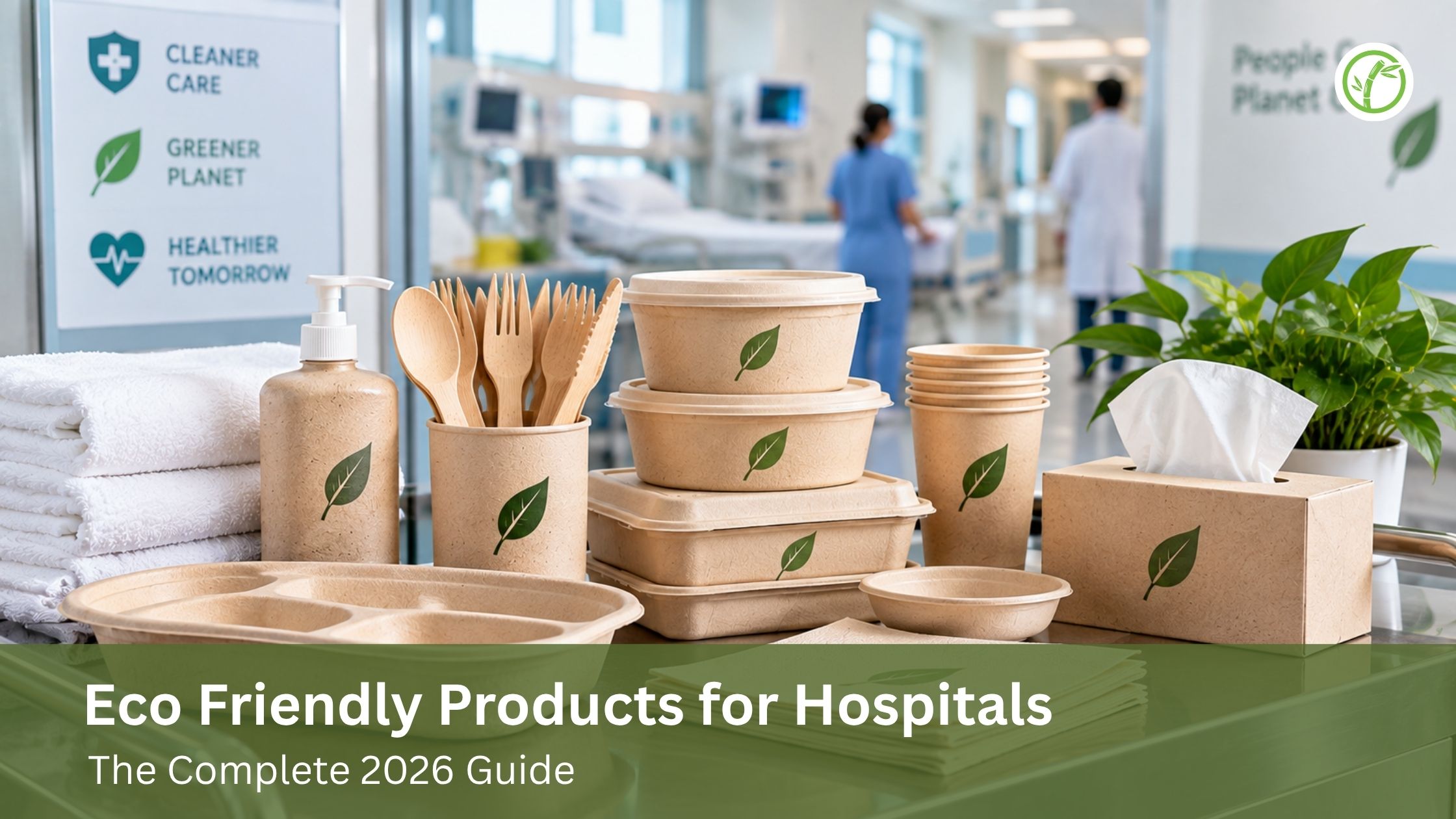
Hospitals can cut their environmental footprint without compromising a single standard of safety or sterility. The right eco friendly products for hospitals span surgical disposables, green cleaning, waste management, patient dining, and building infrastructure — and in 2026, the shift from intention to procurement is happening at scale.
Why Do Hospitals Need Eco Friendly Products?
The numbers frame the urgency clearly. US hospitals generate over 5.9 million tons of waste every year, roughly 33–42 pounds per bed per day. Of the 14,000 tons of waste produced daily in US healthcare facilities, 20–25% is plastic. And 91% of that plastic is never recycled.
Healthcare contributes around 8–10% of total US greenhouse gas emissions and roughly 4–5% of global emissions, more than aviation. An average hospital bed generates 4–5 tons of waste annually. That’s not just an environmental problem: it’s a cost, compliance, and reputational risk that hospital procurement and sustainability teams can no longer defer.
The regulatory environment is accelerating the shift. The EU’s Single-Use Plastics Directive covers healthcare. Extended Producer Responsibility (EPR) laws are expanding across US states. The NHS has committed to net-zero carbon by 2040. In 2025, hospitals participating in Practice Greenhealth’s Environmental Excellence Awards collectively saved more than $203 million through environmental programmes a 15% increase year-on-year.
Sustainability in hospitals in 2026 is not about optics. It’s about operational efficiency, regulatory compliance, and genuine environmental impact.

1. Biodegradable and Compostable Medical Disposables
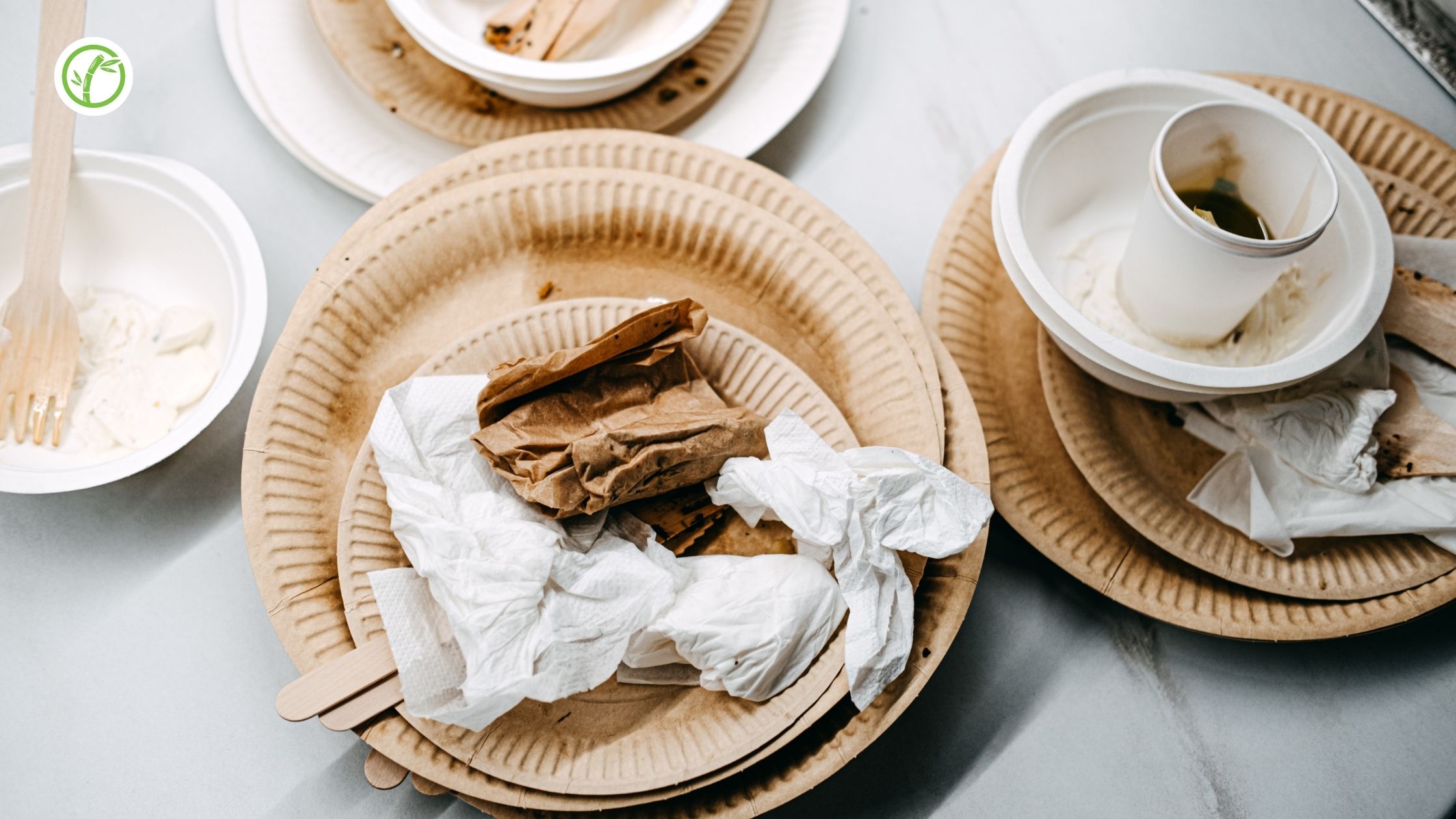
Are Eco Friendly Medical Disposables Safe for Patients?
Yes and this is the most important question procurement teams ask first. Eco-friendly medical disposables undergo the same safety, sterility, and barrier protection testing as conventional plastic alternatives. Patient safety is not compromised by switching to green materials; the material substrate changes, not the protection standard.
Surgical Gowns, Caps, Masks, and Shoe Covers
Conventional surgical gowns are made from petroleum-based polypropylene (PP) non-woven fabric. They protect effectively but generate significant plastic waste, and the WHO estimates healthcare activities generate over 5.9 million tons of plastic waste annually, much of it from surgical PPE.
Sustainable alternatives include:
- PLA-based gowns derived from corn starch, which under industrial composting conditions (55–60°C) can degrade over 90% within 180 days to the ASTM D6400 standard
- Recycled-content mono-material gowns made from 100% PP that can be mechanically recycled after use — NHS Scotland pilots achieved over 85% recyclability with this approach
- Wood pulp fabric gowns using biodegradable cloth-like material that maintains AAMI-rated barrier protection while decomposing cleanly
Japan’s National Hospital Organisation has mandated that 30% of all disposable gowns must be made from recycled content — a policy actively driving manufacturer innovation. The global market for eco-friendly medical textiles is projected to grow at a CAGR of 9.3% from 2024 to 2030, reaching $14.8 billion by 2030.
When sourcing, request material data sheets and certification proof. Many products marketed as “biodegradable” use standard PP SMS or PE/CPE, which are not inherently biodegradable without certified compostable biopolymer formulations.
Surgical Drapes and OT Wrapping Sheets
Pre-sterilised, compostable surgical drapes and instrument wrapping sheets made from plant-based or recycled-content materials replace petroleum-based equivalents without changing sterilisation or draping protocols. A European hospital that replaced traditional surgical disposables with green medical products reduced its total medical waste by 30% within one year.
Biodegradable Gloves
Nitrile examination gloves are the dominant single-use item in most clinical settings. Certified compostable gloves made from natural rubber or bio-nitrile blends are available from specialist suppliers and carry equivalent clinical protection ratings. Natural rubber latex gloves — where allergy protocols allow — are inherently biodegradable and remain the most sustainable glove option.
2. Patient Dining and Hospital Cafeteria: Where Bamboo Fits Directly
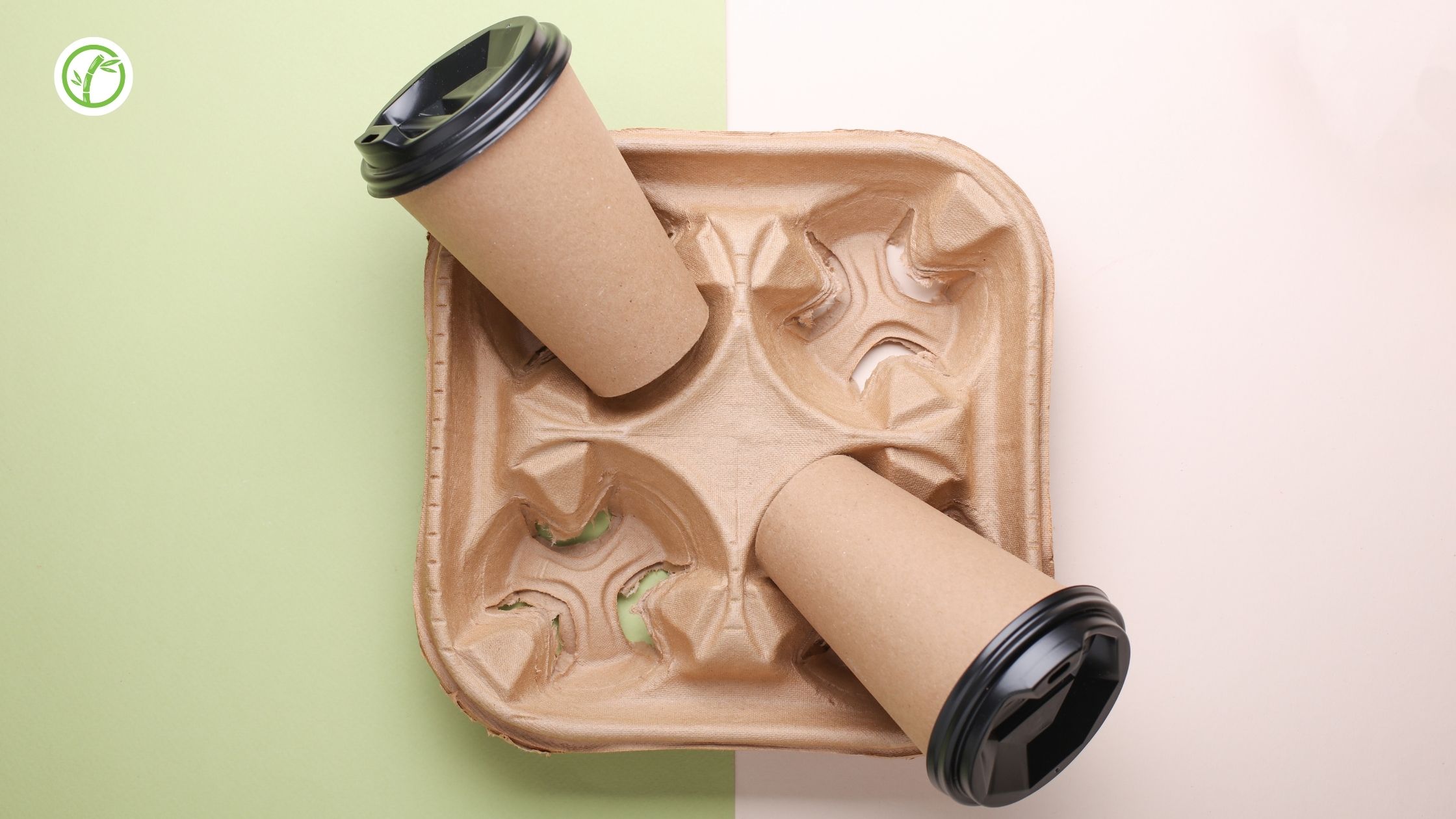
One of the most overlooked sustainability opportunities in hospitals is food service both patient meal trays and the cafeteria or café serving patients’ families, visitors, and staff.
Unlike clinical disposables, dining ware doesn’t require sterility certification at the same level. This is the area where switching to natural, compostable alternatives is most straightforward and where the visible environmental impact is most immediate.
Also read – eco friendly products for hotels
Bamboo Cutlery for Patient Meal Trays and Cafeterias
Plastic forks, knives, and spoons on patient meal trays are the hospital equivalent of a restaurant’s plastic cutlery problem: high volume, single-use, and entirely replaceable. Bamboo cutlery is PFAS-free, home compostable, strong enough for all standard meal types, and presents a noticeably more thoughtful, natural alternative.
For hospital cafeterias serving hundreds of staff and visitors daily, wholesale bamboo tableware — including serving spoons, tongs, and side items creates a consistent, on-brand eco presentation. For high-volume cafeterias where cost is the primary consideration, wooden cutlery offers comparable sustainability at a lower per-unit price point, with higher rigidity for cutting dense foods.
Bamboo Straws and Alternatives for Drinks Service
Hospital cafés and bedside drinks services often still rely on plastic straws. Bamboo straws are a direct replacement, chemical-free, naturally hollow, home compostable, and free from the sogginess problem that makes paper straws unpopular with patients. For volume operations, wholesale reed straws and wheat straws offer additional natural alternatives.
Bagasse Plates and Compostable Trays for High-Volume Meal Service
For patient meal delivery, cafeteria service, and catered hospital events, bagasse plates offer a heat-resistant, oil-resistant, compostable alternative to conventional plastic or foam trays. Bagasse handles hot soups, main courses, and wet foods without warping or leaking. For a more premium presentation in hospital visitor cafés or executive dining, bamboo disposable plates carry a quality aesthetic that conventional disposables can’t match.
Biodegradable Patient Trays and Hygiene Items
Paper-based bedpans and biodegradable patient trays for use during immobile patient care are now commercially available and compatible with standard clinical waste streams. These decompose significantly faster than polypropylene alternatives and reduce both the volume and processing cost of clinical waste disposal.
3. Green Cleaning and Sanitation
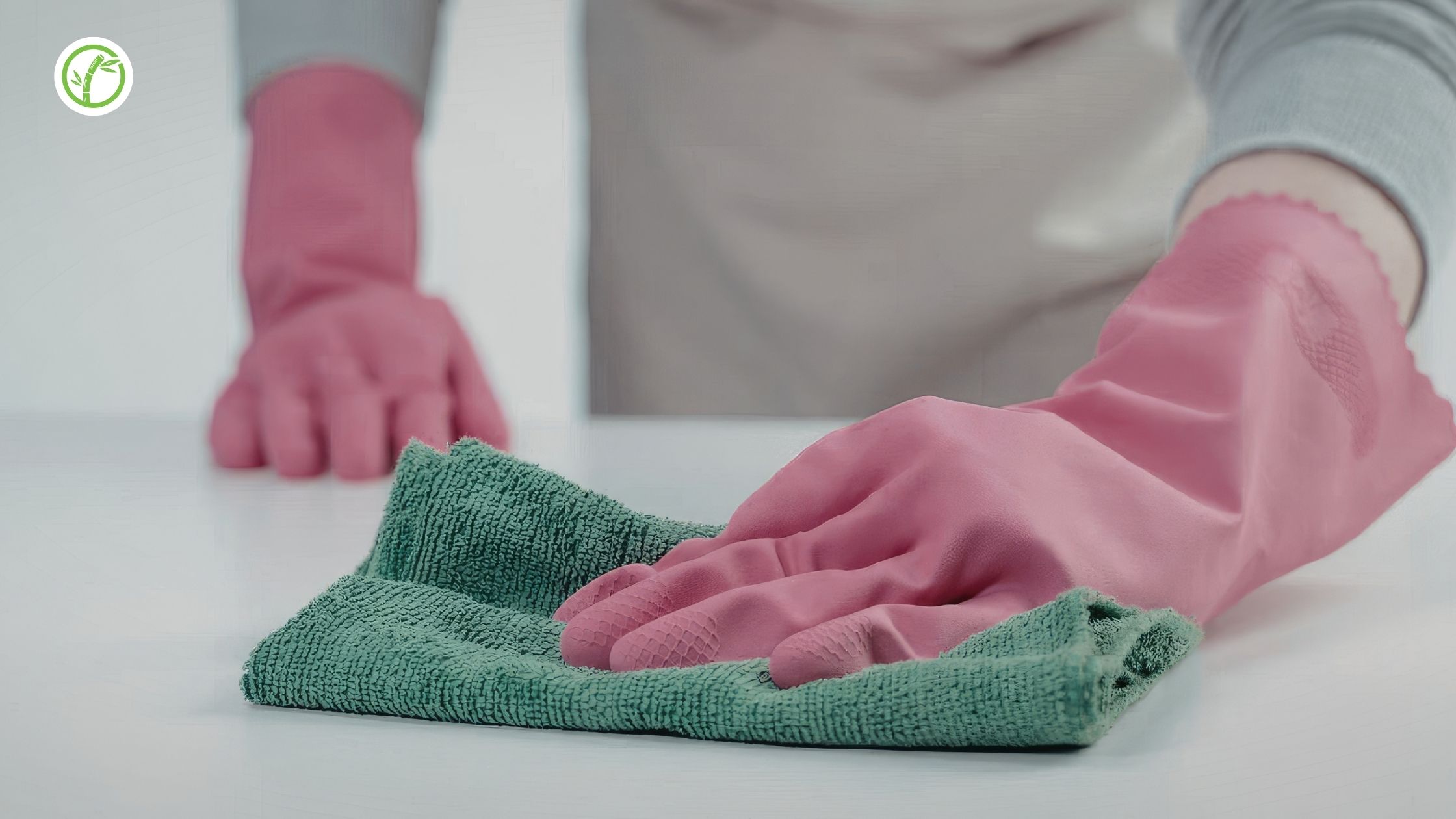
Organic and Bio-Based Disinfectants
Conventional hospital disinfectants contain quaternary ammonium compounds, chlorine-based agents, and other chemicals that are effective at killing pathogens but generate toxic runoff, contribute to indoor air quality problems, and expose housekeeping staff to chronic chemical loads.
Bio-based and organic hospital-grade disinfectants use plant-derived active agents and are formulated to eliminate hospital pathogens, including MRSA and C. difficile, without synthetic chemical byproducts. AYUSH-certified organic sanitisers and botanical disinfectants are available at hospital-grade concentrations and have passed the same bactericidal efficacy tests required for clinical use.
The staff health benefit is significant: housekeeping teams working with conventional chemicals in enclosed hospital spaces are exposed to VOCs and irritants throughout their working day. Switching to non-toxic formulations measurably improves indoor air quality and reduces respiratory complaints among cleaning staff.
Microfibre Mops and Reusable Janitorial Equipment
Single-use disposable mop heads and floor cleaning cloths generate substantial ongoing waste. Reusable, sterilisable microfibre mops achieve comparable surface pathogen reduction to disposable alternatives in some studies; microfibre mops reduce bacterial contamination more effectively than conventional cotton mops because of the finer fibre structure.
Laundering microfibre equipment at hospital-grade temperatures (above 60°C) restores sterility between uses. The lifecycle cost compared to single-use disposable alternatives is significantly lower, and waste volumes drop substantially.
Biodegradable liquid floor cleaners and detergents with full ingredient transparency and verified non-toxic formulations round out a green janitorial programme that protects both the environment and the people who clean the hospital every day.
4. Waste Management Products

Compostable Medical Waste Bags
Bio-medical waste bags designed for general clinical waste packaging materials, food waste, paper, and non-hazardous disposables — are now available in compostable formulations compatible with standard hospital waste bin systems. These decompose in industrial composting conditions without releasing toxic residues, unlike conventional plastic waste bags, which persist in landfills or require incineration.
Note: hazardous, infectious, and sharps waste must still follow regulated disposal protocols regardless of bag material. Compostable bags apply to the 85% of hospital waste that is non-hazardous.
Reusable and Autoclavable Sharps Containers
Standard sharps bins are single-use rigid plastic containers that generate significant ongoing plastic waste. Reusable, autoclavable sharps containers designed to be emptied, sterilized, and returned to service can reduce sharps container plastic waste by up to 75% in high-volume clinical departments. They’re compatible with standard autoclave cycles and maintain the same sharps containment and needlestick prevention standards as disposable alternatives.
Similarly, reusable autoclavable instrument trays and container systems for sterile surgical instruments replace single-use wrapped alternatives, reducing both material waste and the sterilization energy cost of processing individual wrapped items.
Pharmaceutical and Chemical Waste
Proper segregation of pharmaceutical and chemical waste for specialist disposal prevents contamination of general waste streams. Smart waste segregation systems — colour-coded bins with clear signage and regular staff training ensure that the 15% of hospital waste that is genuinely hazardous gets processed appropriately, while the 85% that is non-hazardous can be diverted to composting or recycling rather than expensive incineration.
Also read – Bamboo Disposable Plates Suppliers
5. Infrastructure, Energy, and Building Systems

LED Lighting and Smart Energy Systems
Energy consumption accounts for the largest single share of a hospital’s carbon footprint. Hospitals run 24/7, and lighting represents a significant and addressable portion of that load.
Full LED conversion, combined with occupancy-based lighting controls in corridors, waiting areas, and non-critical zones, reduces electricity consumption and maintenance requirements simultaneously. Motion-activated lighting in utility and circulation spaces eliminates baseline energy waste that accumulates continuously in high-occupancy buildings.
ENERGY STAR-certified HVAC systems offer independently verified performance credentials and are increasingly specified in hospital capital planning as ESG reporting requirements tighten.
Electronic Health Records and Paperless Operations
Hospitals generate substantial paper waste through patient records, prescription pads, test request forms, and administrative documentation. Full EHR (Electronic Health Record) implementation eliminates this stream while simultaneously improving data accuracy, reducing transcription errors, and enabling telehealth services that cut patient and staff travel emissions.
Digital consent forms, e-prescribing, and QR-code patient information packs remove printed materials from the patient journey without reducing the quality or completeness of information.
Sustainable Building Materials
For renovation and new construction, materials with lower environmental impact — FSC-certified timber, recycled metal, low-VOC paints, and natural fibre flooring are increasingly specified by architects and estates teams working to green certifications like LEED or BREEAM. These credentials have a measurable impact on institutional reputation, investor relations, and staff recruitment in competitive markets.
Eco-Friendly Hospital Products: Quick Reference Table
| Category | Conventional Product | Eco Friendly Swap | Key Standard/Cert |
| Surgical wear | Petroleum PP gowns/caps/masks | PLA or recycled-content gowns | ASTM D6400, AAMI Level rating |
| OT drapes | Single-use plastic drapes | Pre-sterilized compostable drapes | ISO 14855 |
| Gloves | Standard nitrile | Bio-nitrile or natural rubber | Equivalent EN/ASTM barrier rating |
| Patient dining | Plastic trays and cutlery | Bagasse trays, bamboo cutlery | BPI compostable |
| Drinks service | Plastic straws | Bamboo/reed/wheat straws | Home compostable |
| Disinfectants | Chemical-based agents | Bio-based, AYUSH-certified | Bactericidal efficacy test |
| Floor cleaning | Disposable mop heads | Reusable sterilisable microfibre | Autoclavable at 60°C+ |
| Waste bags | Conventional plastic | Compostable clinical waste bags | ASTM D6400 (non-hazardous) |
| Sharps containers | Single-use plastic bins | Autoclavable reusable containers | Compatible with standard autoclave |
| Lighting | Fluorescent/incandescent | LED with occupancy controls | ENERGY STAR |
| Patient records | Paper-based systems | EHR and digital documentation | N/A |
What Is the Difference Between Biodegradable and Compostable in Medical Contexts?
This distinction matters in hospital procurement because the disposal pathway determines whether the environmental benefit actually materializes.
Biodegradable means the material will break down through microbial activity over time. This applies to virtually all organic materials but the timescale varies from weeks to centuries depending on conditions. A product labelled “biodegradable” without certification may still take hundreds of years in a landfill.
Compostable has a defined technical meaning: the material breaks down into non-toxic compost within a specified timeframe (90–180 days) under specified conditions. For medical-grade compostable products, look for ASTM D6400 (US) or EN 13432 (Europe) certification, which confirms industrial compostability under controlled conditions.
For hospital waste streams, this matters practically: compostable items in a certified industrial composting stream will deliver their environmental benefit. Compostable items in a landfill or incinerator will not.
How to Implement an Eco Friendly Hospital Product Programme
Transitioning a hospital’s product portfolio is a procurement and operational challenge, not just a sustainability aspiration. Here’s the sequence that works:
Start with the highest-volume, lowest-risk categories. Patient dining ware, cafeteria disposables, and waste bags are the lowest-risk starting points no sterility or barrier protection certifications to navigate, high volume, and immediate visible impact.
Then address cleaning and sanitation. Bio-based disinfectants and microfibre mops involve a supplier transition but no procedural change. Staff training on the new products is the primary implementation task.
Approach clinical disposables as a pilot programme. Start with one department or surgical specialty. Audit waste volume before and after. Gather clinician feedback. Document compliance with safety standards. Then scale.
Verify certifications before committing to volume orders. Request material data sheets and third-party certification proof for every product described as “biodegradable” or “compostable.” Many products in this category don’t carry the certifications their marketing implies.
Align with waste disposal infrastructure. If your hospital’s waste contractor doesn’t have access to industrial composting facilities, compostable products will end up in incineration or landfill. Confirm your disposal pathway before specifying compostable materials.
For hospitals sourcing bamboo tableware, cutlery, and food-service disposables at an institutional scale — for cafeterias, patient meal delivery, and catered events — direct procurement from manufacturers reduces per-unit cost significantly. These guides cover the logistics: how to import eco-friendly products from China and how much it costs to import bamboo products from China.
Real Example: Operating Room Goes Green
A study published in 2024 from the Department of General Surgery at the University of Turin documented what happens when a single operating room implements separate waste collection for plastics, paper, TNT (non-contaminated non-woven fabric), and biohazardous waste over 18 months.
The findings: biohazardous waste volume decreased across the observation period, while clean recyclable materials plastic, paper, and uncontaminated surgical fabric — were diverted from incineration into recycling streams. The study identified that only 2–3% of hospital waste actually needs to be disposed of as infectious waste, against the 50–70% of garbage that routinely ends up in the biohazard waste stream due to poor segregation.
The operational change required was not a new product it was a labelled waste separation system and staff training. The environmental and cost benefits were immediate.
The Bottom Line
Hospitals in 2026 have a clear roadmap for eco-friendly product adoption: start with patient dining and waste management, build to green cleaning and surgical wear, and layer in infrastructure upgrades over time. The products exist, the certifications are established, and the financial case is documented.
The 85% of hospital waste that is non-hazardous is the starting point. That’s packaging, food service disposables, cleaning materials, and paper all of it addressable with products that are available now, safety-certified, and cost-competitive at volume.
Hospitals that lead on sustainability save money, satisfy regulators, attract mission-aligned staff, and build patient trust. The environmental argument and the operational argument point in the same direction.
FAQ: Eco Friendly Products for Hospitals
No. Eco-friendly medical disposables are tested to the same sterility and barrier protection standards as conventional plastic alternatives. The material changes; the performance standard does not. Always confirm that products carry the relevant AAMI level rating (for gowns) or equivalent clinical safety certification alongside their environmental credentials.
Approximately 85% of hospital waste is non-hazardous general waste packaging, food waste, paper, and plastics. Only around 15% is genuinely hazardous (infectious, chemical, sharps, or radioactive). This means the vast majority of hospital waste can be diverted to composting or recycling with the right segregation systems — but it routinely ends up incinerated due to poor waste separation practices.
Operating rooms are the highest-volume source, accounting for roughly one-third of hospital plastic waste in European studies. ICUs and high-dependency units are also high-volume due to intensive single-use equipment use. Patient dining and cafeteria operations generate significant ongoing plastic waste from cutlery, trays, and drink containers — and are among the easiest areas to address.
Yes, when properly certified. Bio-based hospital disinfectants must pass the same bactericidal, fungicidal, and virucidal efficacy tests as conventional chemical alternatives. Look for products tested to EN 13727 (bacteria), EN 13624 (fungi), and EN 14476 (viruses) standards. Products without third-party efficacy testing should not be substituted for clinically validated disinfectants, regardless of their environmental credentials.
Key certifications by product category: ASTM D6400 or EN 13432 for compostable items; AAMI Level 1–4 for surgical gowns and drapes; EN/ASTM barrier ratings for gloves; ENERGY STAR for equipment and lighting; FSC for timber-based materials; and bactericidal efficacy certifications (EN 13727, EN 14476) for disinfectants. Avoid unverified “biodegradable” or “eco-friendly” label claims without third-party backing.