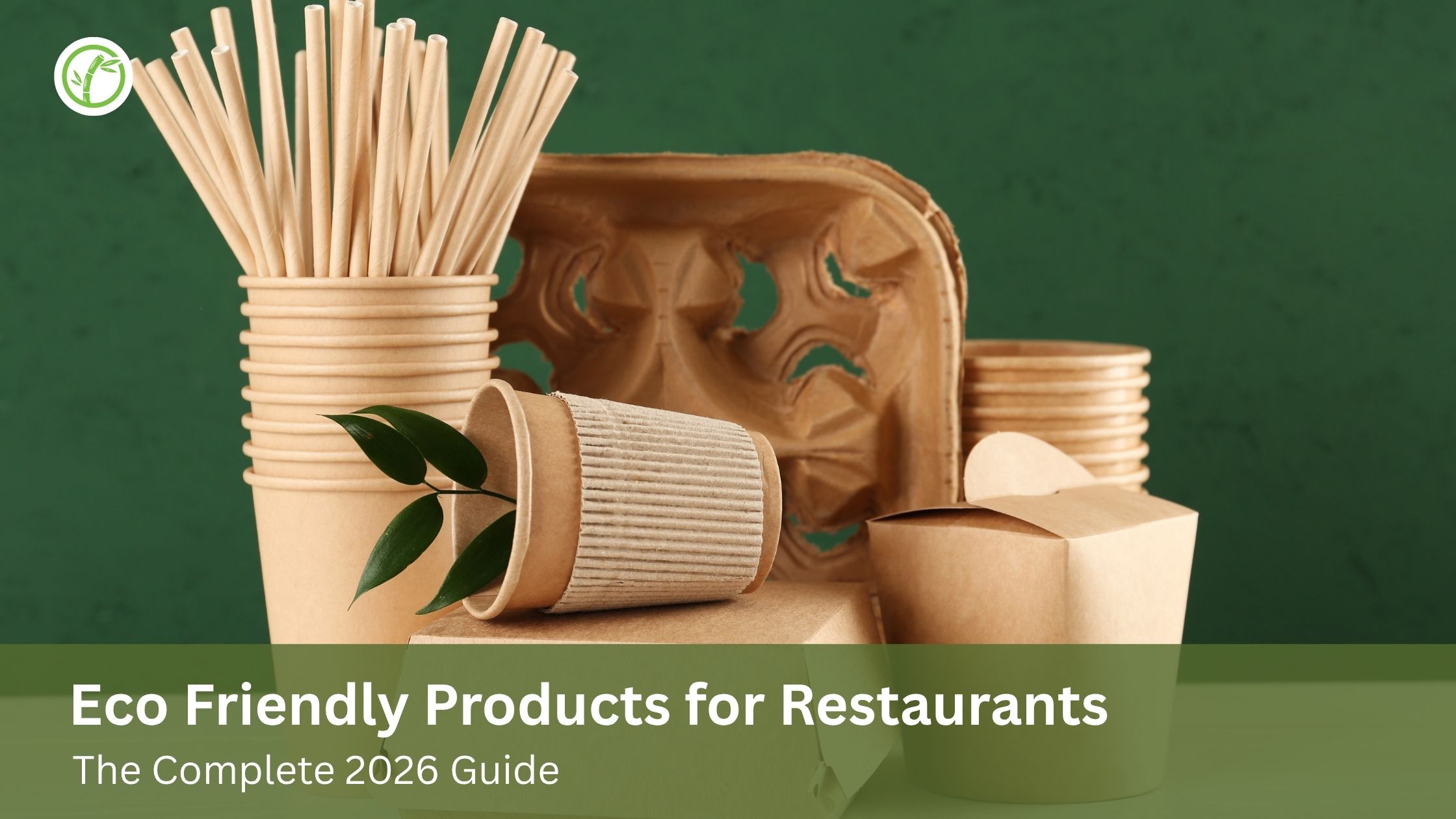
Switching to eco-friendly products for your restaurant is one of the smartest moves you can make right now. Customers notice, and they’re willing to pay more for it. This guide covers every sustainable swap you need, from tableware to straws, backed by real data and sourcing tips.
Why Are Restaurants Switching to Eco-Friendly Products?
The numbers don’t lie. Research shows that 67% of consumers prefer restaurants that use eco-friendly packaging, and Gen Z diners are willing to pay up to 20% more for sustainable meals. That’s not a niche trend; that’s your core customer base making buying decisions based on your choices.
Beyond customer appeal, the environmental case is hard to ignore. The UN reports that 36% of all plastics produced globally are used for packaging, and 85% of single-use plastic items end up in landfills. For restaurants, which rely heavily on single-use items, that’s a significant burden to carry.
Going green is also increasingly a legal requirement. Many cities across the US, Europe, and Asia have already banned or restricted plastic cutlery, straws, and foam containers, making the switch not just ethical, but necessary, and we as eco friendly restaurant supplies work for all.
What Are the Best Eco Friendly Products for Restaurants?
The best eco-friendly restaurant products replace single-use plastics across your entire operation, from the tableware your guests touch to the takeaway containers your delivery food travels in. Here’s a breakdown of every category worth switching.
Bagasse Tableware and Containers
Bagasse, the fibrous pulp left over after sugarcane juice is extracted, is one of the most cost-effective and widely adopted eco-friendly materials in foodservice. It’s compostable in 60–90 days under industrial conditions, oil- and water-resistant, and handles both hot and cold foods without warping.
For eco friendly restaurant supplies sourcing at scale, bagasse tableware offers an excellent price-to-performance ratio. Bagasse plates handle soups, curries, and grilled proteins without leaking, making them ideal for dine-in and takeaway alike.
You can also source bagasse containers for takeout meals and bagasse plates for buffet and catered events. For complete meal packaging, bagasse packaging manufacturers in China offer custom options that can be branded with your logo.
Best for: High-volume restaurants, catering companies, cafeterias, delivery-focused operations.
Bamboo Cutlery and Utensils

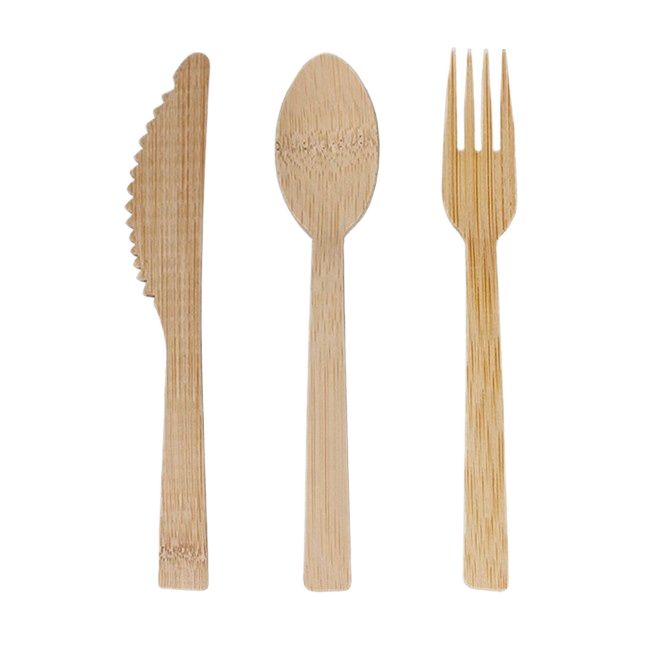
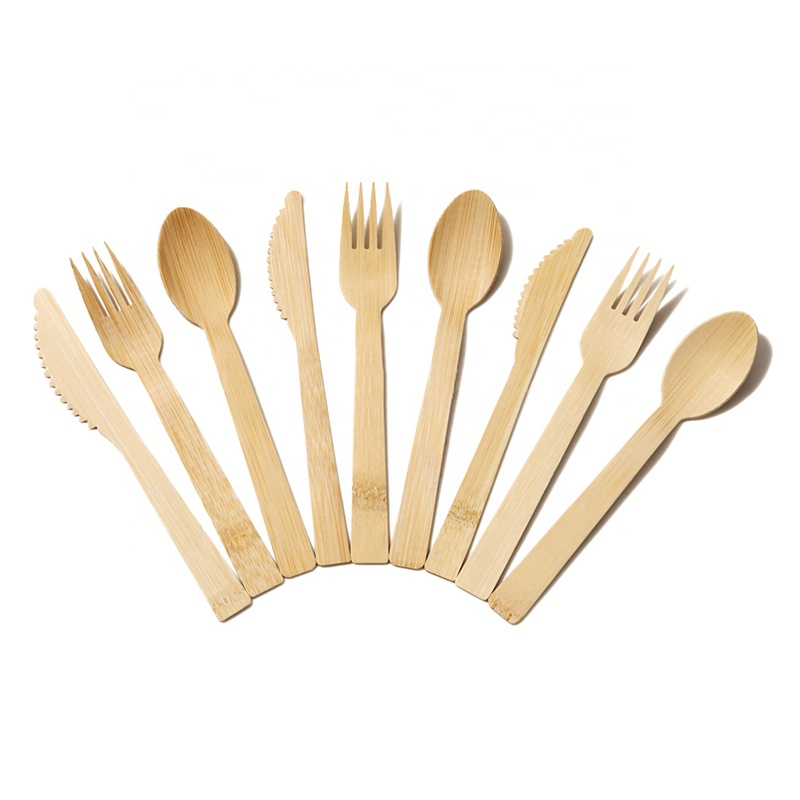
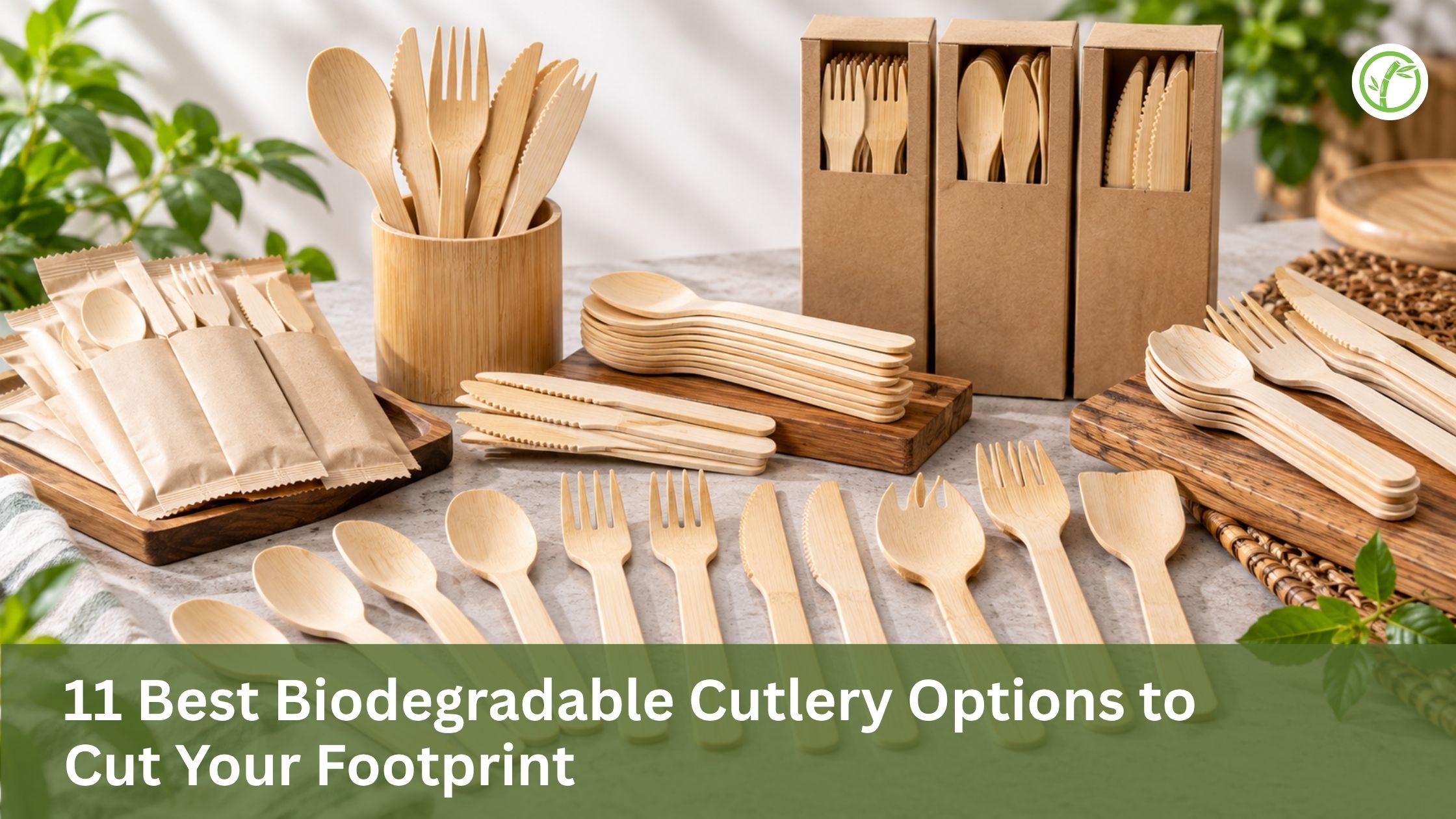
Bamboo is the most renewable material in foodservice — it grows up to 3 feet per day, requires no pesticides, and can be harvested without killing the plant. For restaurants positioning themselves as genuinely sustainable, bamboo cutlery tells a premium story that customers actually believe.
Bamboo cutlery is PFAS-free, home compostable, and performs reliably across all standard meal types — pasta, salads, curries, stir-fries. It has a slight flex compared to birch wood but provides sufficient strength for single-use applications.
For broader kitchen and table use, bamboo utensils, including serving spoons, tongs, and chopsticks, present a cohesive, natural aesthetic. Upscale sushi restaurants and Asian-concept eateries especially benefit from switching to wholesale bamboo tableware that completes their brand story at the table.
Best for: Premium casual dining, sushi restaurants, farm-to-table concepts, and eco-brand cafes.
Also read – sugarcane bagasse plates wholesale
Wooden Cutlery
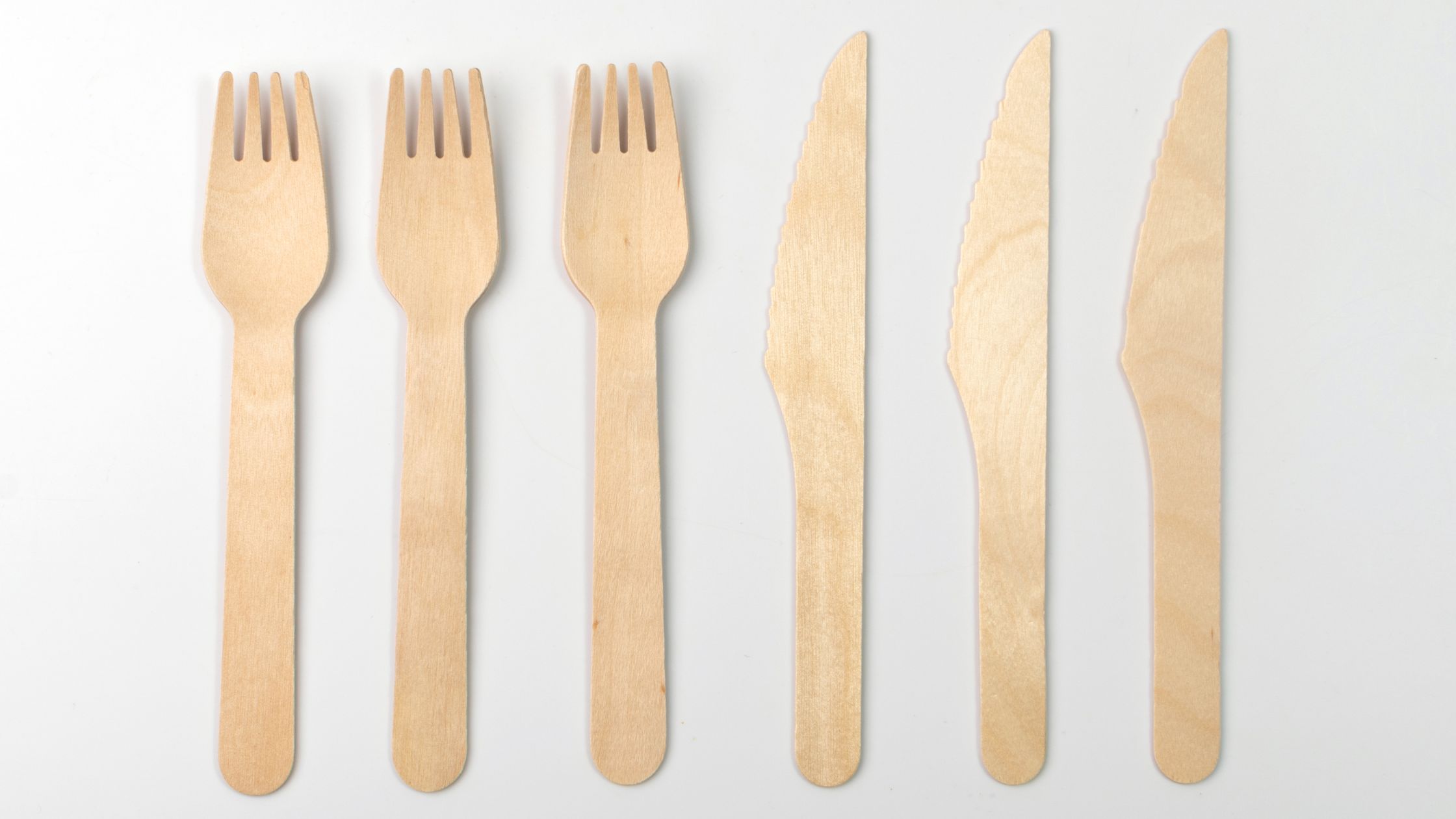
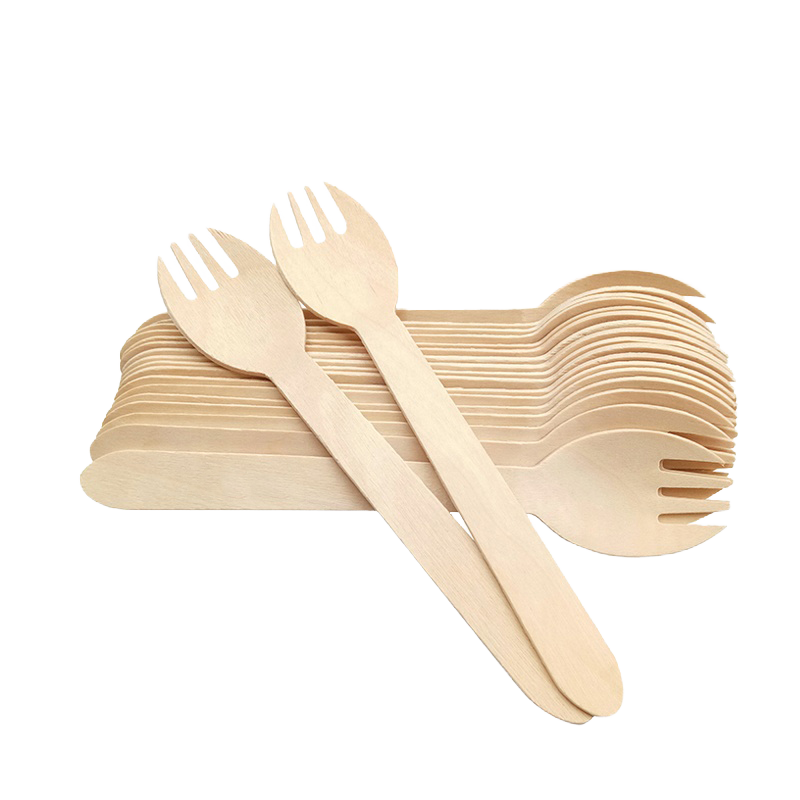
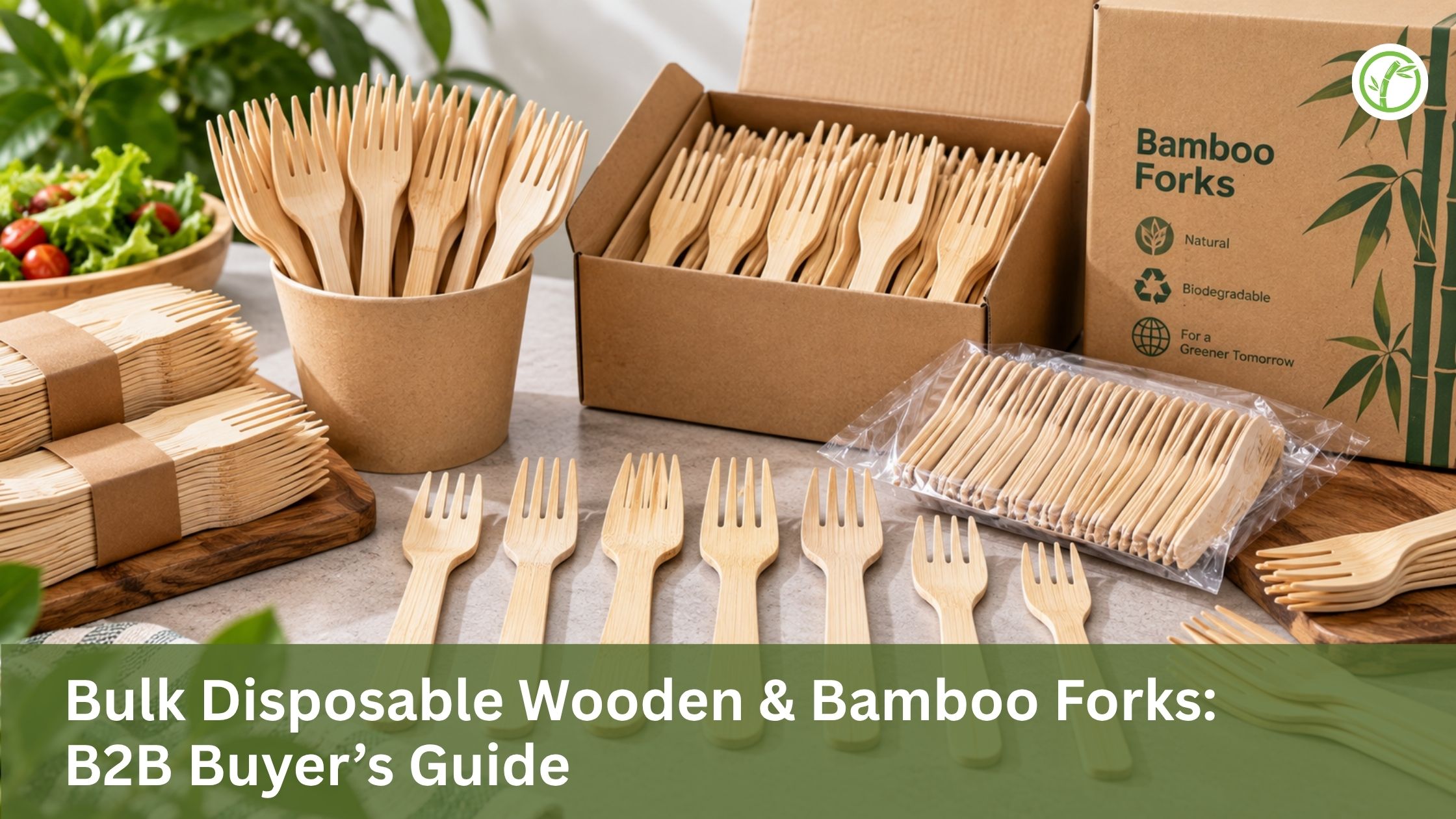
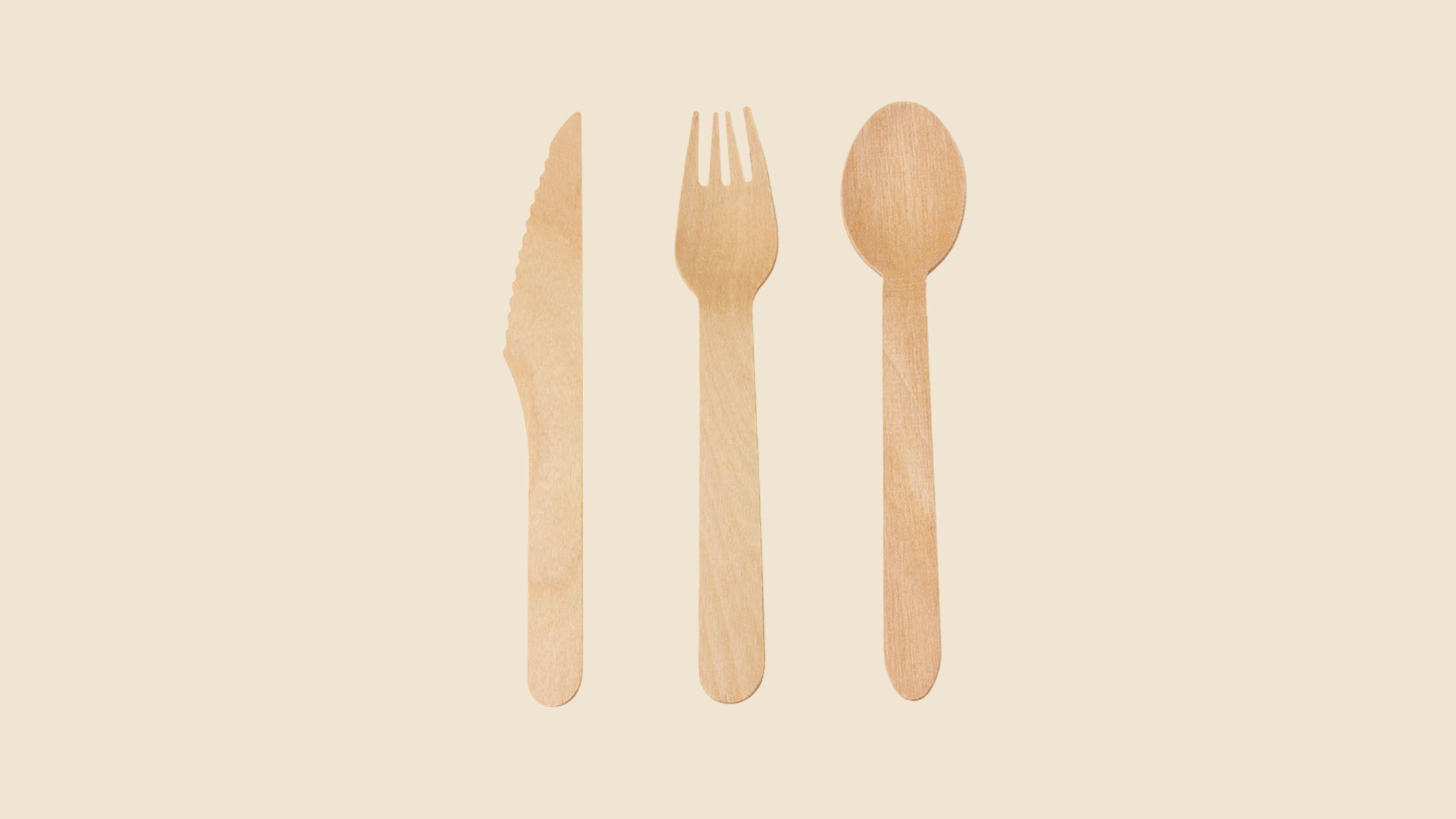
For eco friendly restaurant supplies, wooden cutlery, typically made from birch, is one of the most widely used plastic alternatives globally. It’s biodegradable, sturdy enough for thick meats and hard vegetables, and available in large volumes at competitive prices.
Birch wood’s higher rigidity compared to bamboo gives it an edge when customers are cutting through dense proteins or root vegetables. For high-volume operations where reliability matters more than premium aesthetics, wooden cutlery manufacturers in China offer cost-efficient bulk options.
Pair wooden forks and knives with wholesale wooden tableware such as serving boards, plates, and bowls for a rustic, cohesive table setup.
Best for: Food trucks, fast casual, street food stalls, and catering events.
Bamboo Straws
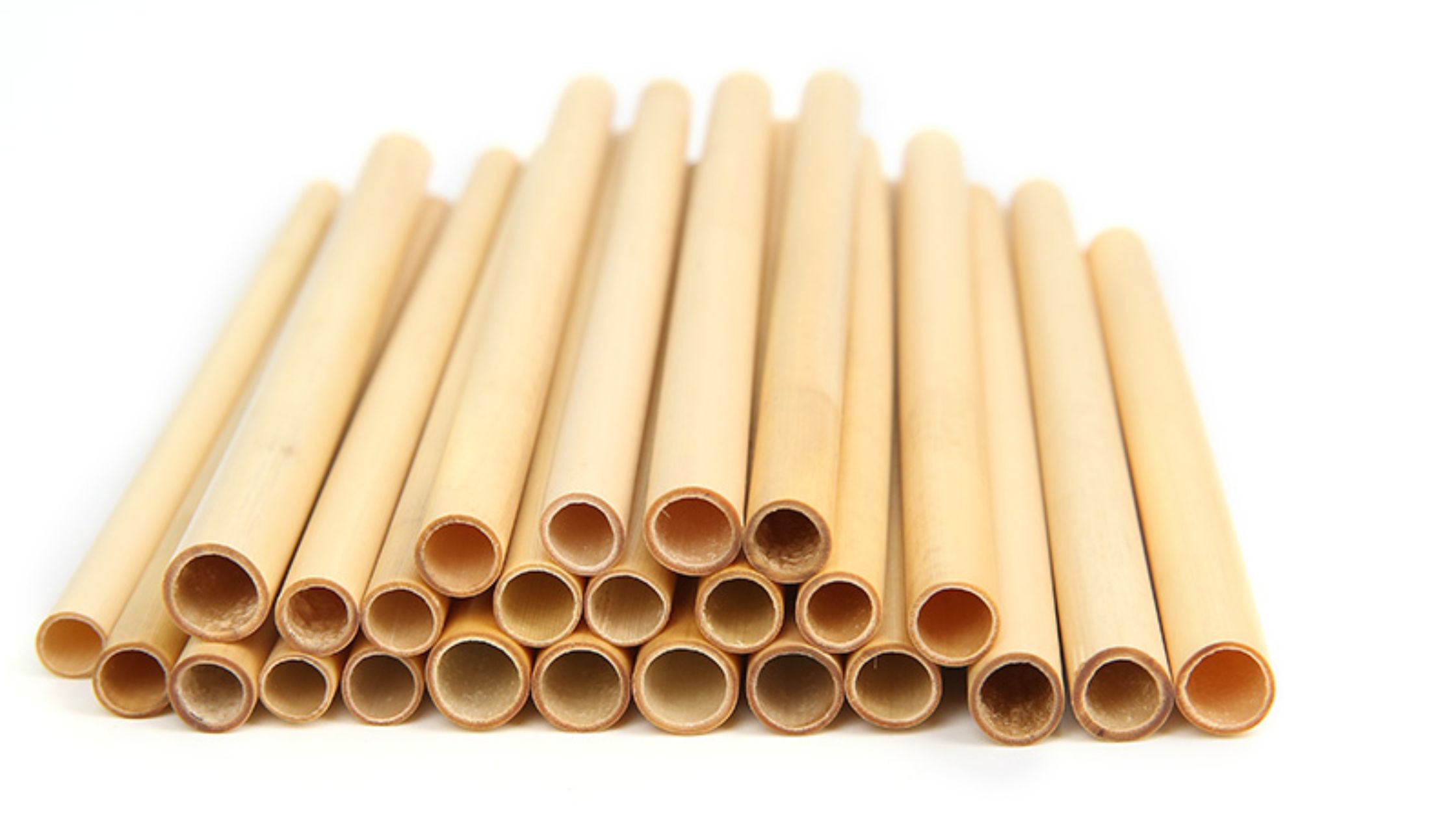
For eco friendly restaurant supplies, paper straws remain the most common plastic straw replacement — but they come with a well-known problem: they go soggy. Bamboo straws solve that issue entirely.
Bamboo straws are naturally hollow, chemical-free, and hold up for the full duration of a drink without softening. They’re reusable, home compostable, and add a distinctive natural touch to cocktail and beverage presentation.
For restaurants and bars looking to source in bulk, bamboo straw manufacturers in China supply both plain and customizable options. Bars switching from plastic can also explore wholesale reed straws and wheat straws wholesale as natural, single-use alternatives.
Best for: Cocktail bars, juice cafes, hotels, smoothie shops.
Bamboo Disposable Plates For Eco Friendly Restaurant Supplies
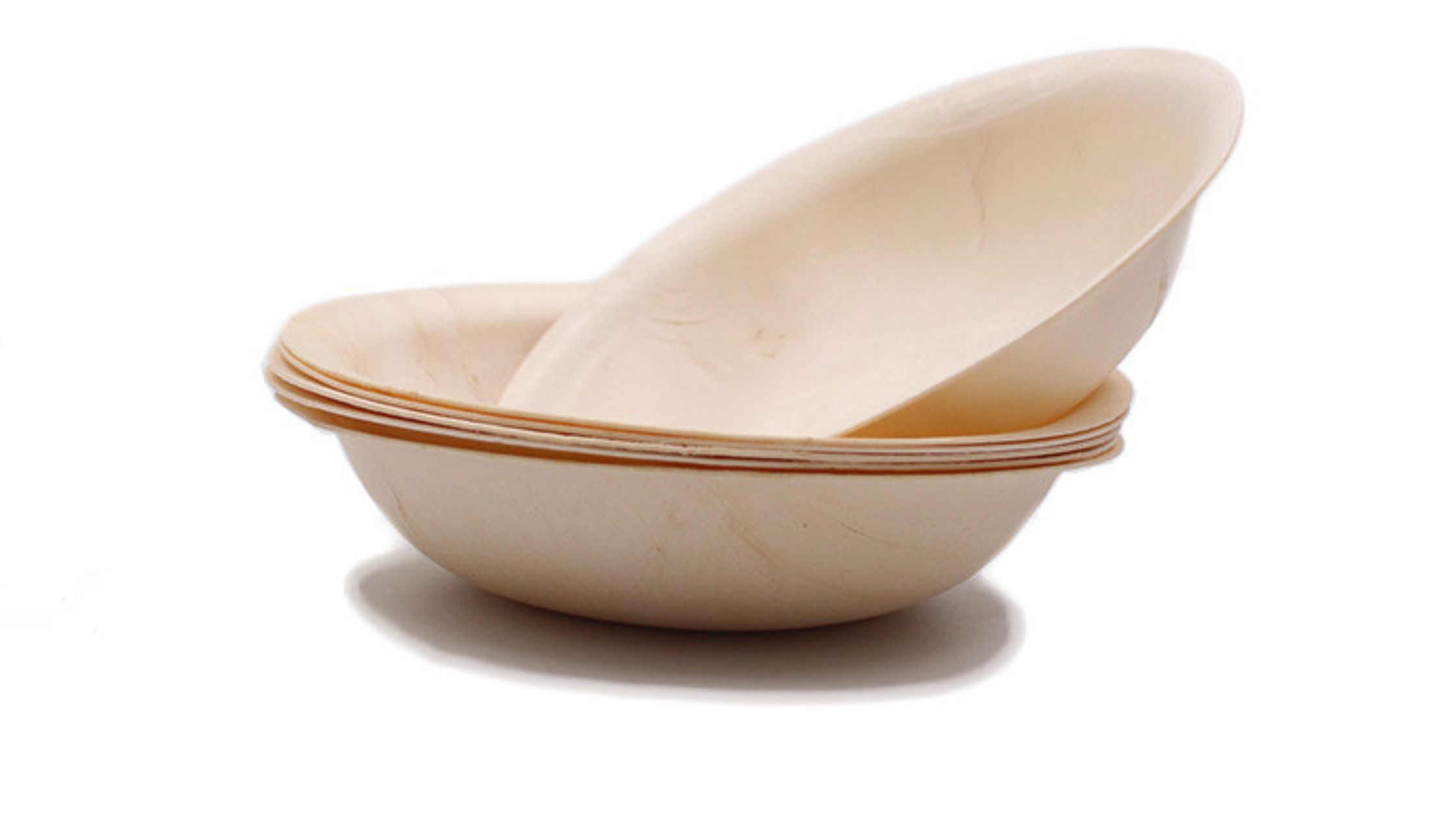
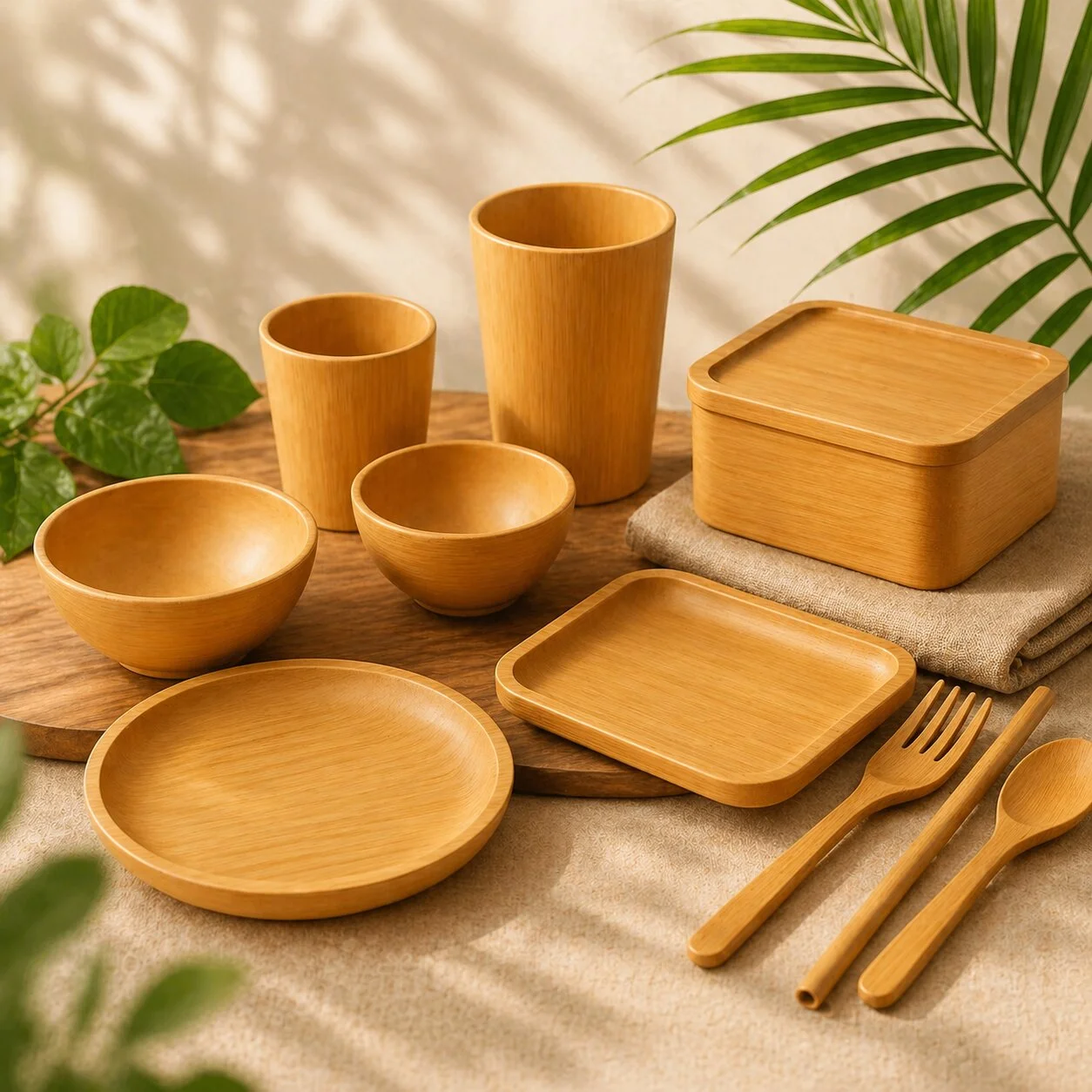
For catering, pop-ups, and outdoor events, bamboo disposable plates offer a premium look without the plastic waste. They’re sturdy, heat-resistant up to appropriate temperatures, and present food in a way that signals quality.
Bamboo disposable plate manufacturers in China supply restaurants and event companies with plates ranging from small appetizer sizes to full dinner settings. These work especially well for open-air events where reusable ceramics aren’t practical.
Also read – eco-friendly food packaging for small businesses
Cocktail Picks and Skewers
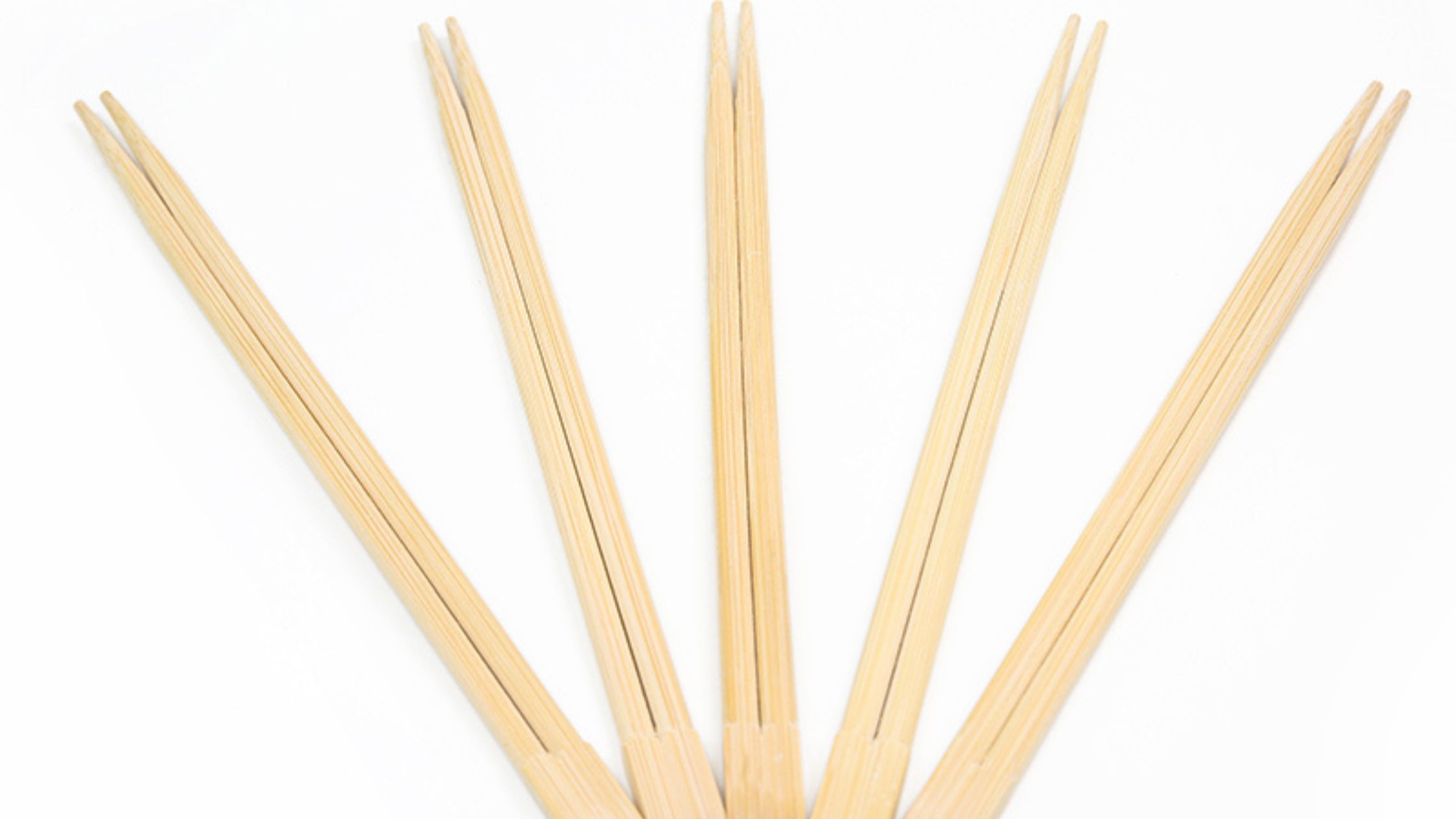
A detail most restaurant owners overlook: cocktail picks and skewers. These tiny items accumulate quickly in any bar or catering operation — and switching from plastic to bamboo is effortless.
Cocktail picks wholesale, bamboo flag picks, bamboo umbrella picks, and bamboo knot cocktail picks are all available in bulk and add a polished, natural finish to food presentation. For grilling and skewered appetizers, flat bamboo skewers and bamboo stick manufacturers can supply custom lengths and quantities.
Bagasse Cutlery Sets
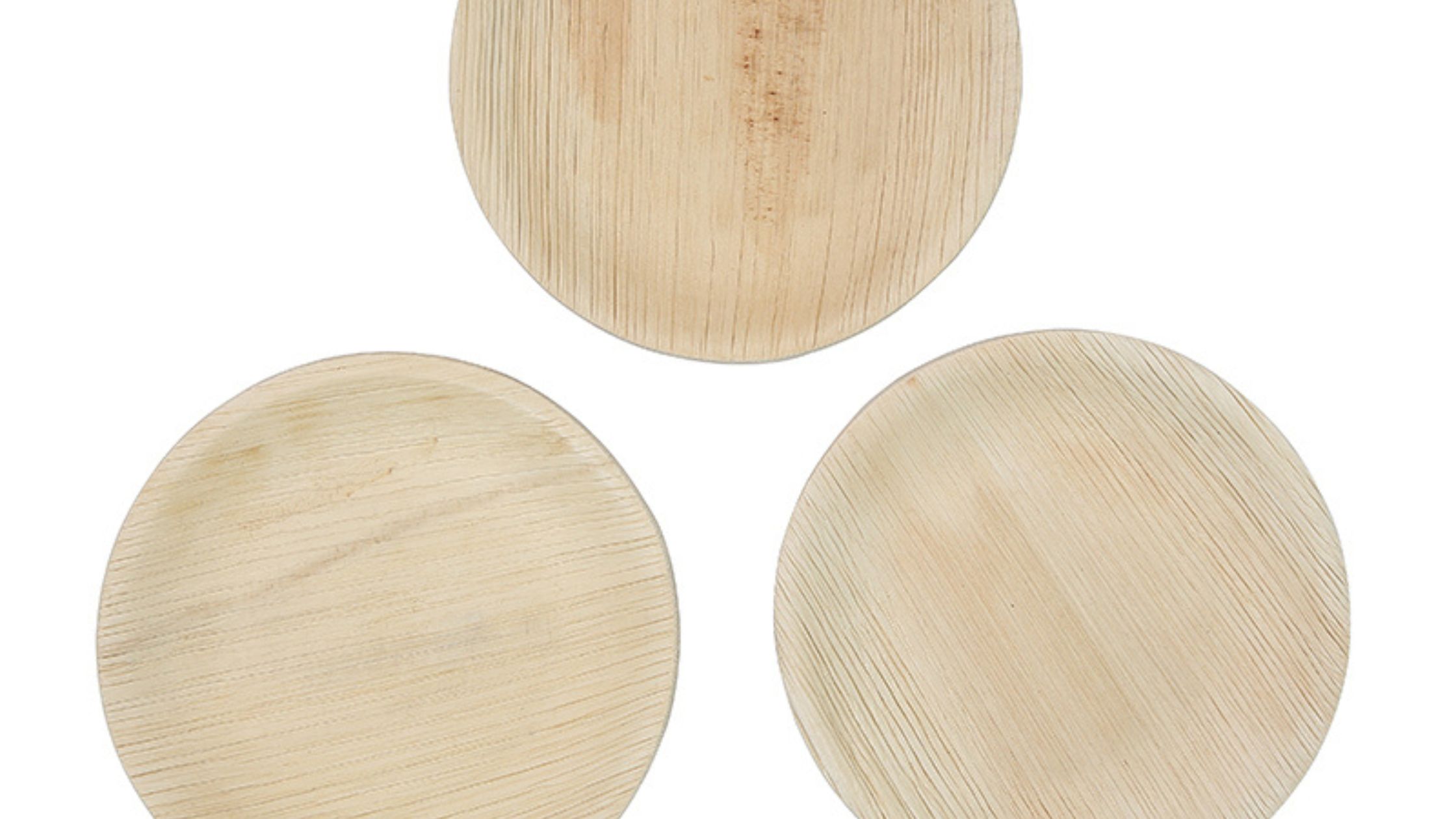
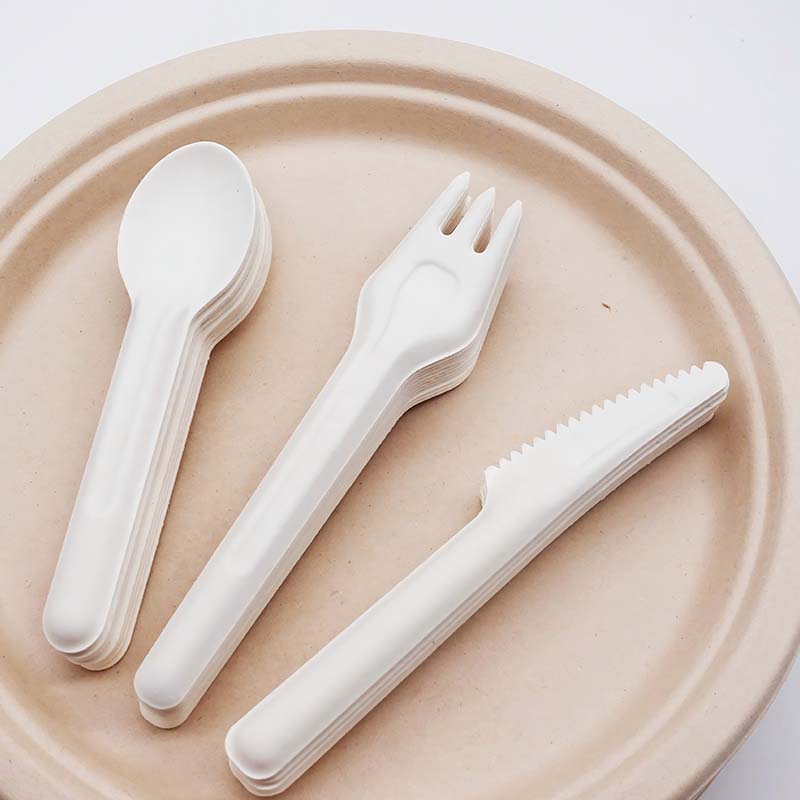
For eco friendly restaurant supplies for full meal kits, particularly delivery and takeaway orders, bagasse cutlery offers a complete single-use solution that’s both compostable and cost-effective. Pairing bagasse containers with bagasse cutlery creates a unified, on-brand eco presentation that customers notice.
Chopsticks for Asian Concept Restaurants

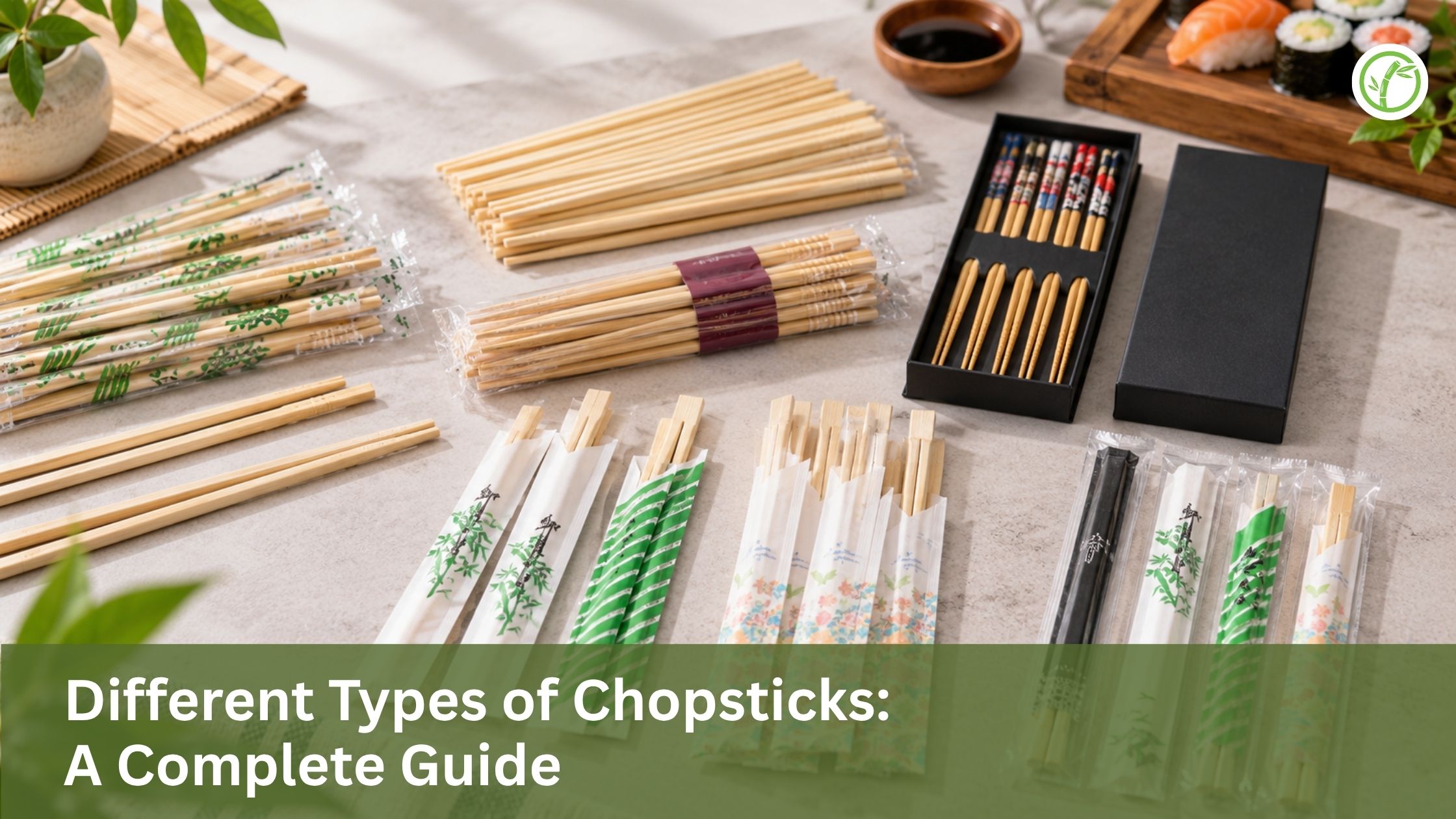
If your restaurant serves sushi, ramen, dim sum, or any Asian cuisine, chopstick choice matters. Plastic chopsticks are increasingly banned or frowned upon in eco-conscious markets.
Options available in bulk include sushi chopsticks wholesale, tensoge bamboo chopsticks wholesale, and bamboo twin chopsticks wholesale — all natural, biodegradable, and sourced at factory prices.
Eco-Friendly Products Comparison Table For Eco Friendly Restaurant Supplies
| Product | Material | Compostable | Best For | Cost Level |
| Bagasse Plates | Sugarcane pulp | Yes (60–90 days) | High-volume, catering | Low |
| Bamboo Cutlery | Bamboo | Yes (home + industrial) | Premium casual, sushi | Medium |
| Wooden Cutlery | Birch wood | Yes | Fast casual, food trucks | Low–Medium |
| Bamboo Straws | Bamboo | Yes | Bars, cafes | Medium |
| Bagasse Containers | Sugarcane pulp | Yes | Takeout, delivery | Low |
| Bamboo Disposable Plates | Bamboo | Yes | Events, pop-ups | Medium |
| Bamboo Chopsticks | Bamboo | Yes | Asian cuisine restaurants | Low |
| Cocktail Picks | Bamboo | Yes | Bars, fine dining | Low |
Beyond Tableware: Other Eco-Friendly Products for Restaurants
Switching tableware is the highest-impact first step, but it’s not the only one. Here are other eco-friendly product categories worth adopting:
Eco-Friendly Cleaning Products: Conventional cleaning products often contain harsh chemicals that go down drains and harm waterways. Biodegradable cleaning agents using plant-based surfactants are now widely available and work just as effectively for commercial kitchen use.
Compostable To-Go Bags: For takeout operations, compostable bags made from PBAT or starch blends offer the leak protection of plastic without the environmental cost. Look for bags that meet your local municipal composting requirements — not all compostable bags are accepted everywhere.
ENERGY STAR-Certified Kitchen Equipment: Large appliances, such as refrigerators, dishwashers, and ovens, account for a significant share of a restaurant’s energy consumption. Upgrading to ENERGY STAR-certified equipment cuts costs and carbon emissions simultaneously. Items with the ENERGY STAR label have independently verified energy-use data, removing the guesswork.
Recycled Paper Napkins and Packaging: Recycled paper napkins, paper bags, and wrapping paper are a straightforward swap that customers notice and appreciate. Look for options labelled “No PFAS Added.” Some conventional paper products are coated with forever chemicals that undermine their eco-friendly credentials.
LED Lighting: Energy-efficient LED fixtures last significantly longer than traditional bulbs and reduce electricity costs. This is a one-time upgrade with ongoing savings, often one of the fastest ROI moves in a restaurant’s sustainability plan.
How to Source Eco-Friendly Products for Your Restaurant in Bulk
Sourcing eco-friendly products at scale without overpaying requires the right supply chain strategy. Here’s what works:
- Source directly from manufacturers, not intermediaries. Chinese manufacturers, particularly in Zhejiang and Fujian provinces, produce the majority of the world’s bamboo and bagasse products. Cutting out middlemen reduces your per-unit cost significantly.
- Order in volume to hit factory minimums. Most reputable suppliers have MOQs (minimum order quantities) that drop the per-unit price substantially.
- Request samples before bulk orders. Always test real-world performance before committing; check heat resistance, whether the cutlery bends under pressure, and whether containers leak.
- Verify certifications. Look for FSC certification for bamboo, BPI or OK Compost certification for bagasse, and “No PFAS Added” claims on any coated products.
For a full breakdown of sourcing costs and logistics, see this guide on how much it costs to import bamboo products from China and how to import eco-friendly products from China. If you’re looking for the best factory pricing, this guide on where to buy bulk bamboo products at factory prices is worth bookmarking.
Real-World Example: What One High-Volume Restaurant Switched
A mid-size fast casual restaurant generating roughly 1,200 covers per week made the following switches over 90 days:
- Plastic forks/knives/spoons → birch wooden cutlery (sourced in bulk from China)
- Foam takeout containers → bagasse clamshell containers
- Plastic straws → bamboo straws (bar) + wheat straws (takeaway)
- Plastic cocktail picks → bamboo flag picks
The result? Their packaging cost per cover increased by approximately $0.04. In a post-switch customer survey they ran in-house, 73% of respondents said the new packaging made them more likely to recommend the restaurant. The cost increase was more than offset by a 9% uptick in repeat visits attributed to brand perception.
This lines up with broader data: 55% of consumers are inclined to pay more to brands that use eco-friendly business practices.
For Further Readings:
bagasse cutlery wholesale
eco friendly food packaging for small business
eco friendly products for hotels
eco-friendly products for hospitals
eco friendly products for catering services
eco friendly food packaging for small business
The Bottom Line
Switching to eco-friendly products isn’t just the right thing to do; it’s a business decision that pays off. The most impactful changes are tableware-related: replace plastic with bagasse, bamboo, or wooden alternatives across your cutlery, plates, containers, and straws.
For restaurants sourcing at scale, buying direct from manufacturers, particularly in China, where the majority of the world’s bamboo and bagasse products originate, significantly reduces cost per unit without sacrificing quality.
Start with the products your customers touch most: the fork in their hand, the container their food arrives in, the straw in their drink. Those are the moments that shape perception and where your commitment to sustainability becomes visible.
FAQ: Eco-Friendly Products for Restaurants
The cost gap has narrowed significantly. Bamboo and bagasse products sourced directly from manufacturers in bulk are now competitively priced against conventional plastic. For example, birch wooden cutlery sourced wholesale from China is often comparable in cost to mid-grade plastic. The slight premium that does exist is typically offset by customer goodwill, and repeat business research shows 80% of Americans are willing to pay more for eco-friendly products.
Both bagasse and bamboo disposable plates are strong choices. Bagasse plates are more cost-effective and compost faster (60–90 days vs. slower for bamboo), making them ideal for high-volume operations. Bamboo plates offer a more premium aesthetic and slightly greater durability, suiting upscale events and fine dining concepts. For most restaurants, bagasse is the practical default, and bamboo is the premium upgrade.
Yes, in most use cases. Paper straws go soggy within 20–30 minutes of contact with liquid — a well-documented pain point for customers and a common complaint on review platforms. Bamboo straws are naturally hollow, chemical-free, and hold up for the full duration of a drink without changing texture or flavor. They’re also home compostable. The trade-off is slightly higher cost and longer lead times when ordering in bulk.
Key certifications to verify include: FSC (Forest Stewardship Council) for bamboo and wood products, confirming responsible forestry practices; BPI or OK Compost for bagasse and compostable items, confirming industrial compostability; and “No PFAS Added” labeling for any coated paper or fiber products. Avoid products making vague “biodegradable” claims without third-party certification backing them up.
Yes. Most bulk manufacturers of bagasse packaging, bamboo tableware, and wooden cutlery offer custom branding, including logo printing, custom sizing, and branded packaging. Minimum order quantities for custom branding typically start at 1,000–5,000 units, depending on the product type. This is especially effective for takeaway containers, cocktail picks, and chopsticks, where branding adds visible value at low cost per unit.
Bagasse products should ideally go into industrial composting; they break down in 60–90 days under the right conditions. If industrial composting isn’t available locally, they can go in general waste, where they’ll still break down faster than plastic. Bamboo products are home compostable in most cases. Neither material should be put in recycling bins, as composting facilities can’t sort them correctly.