



Description
Bagasse Disposable Fork — Wholesale Supply
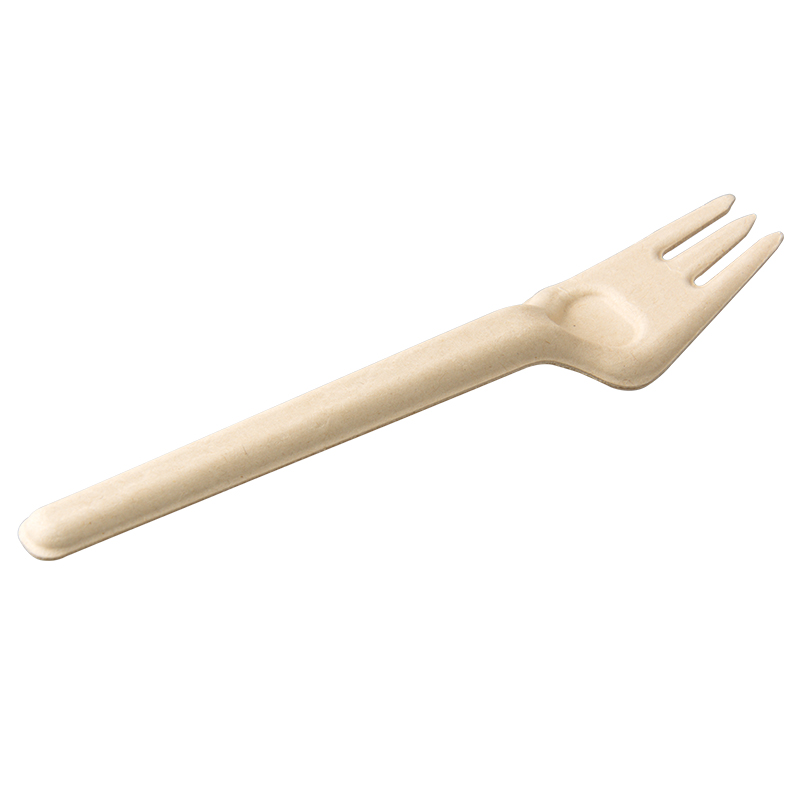
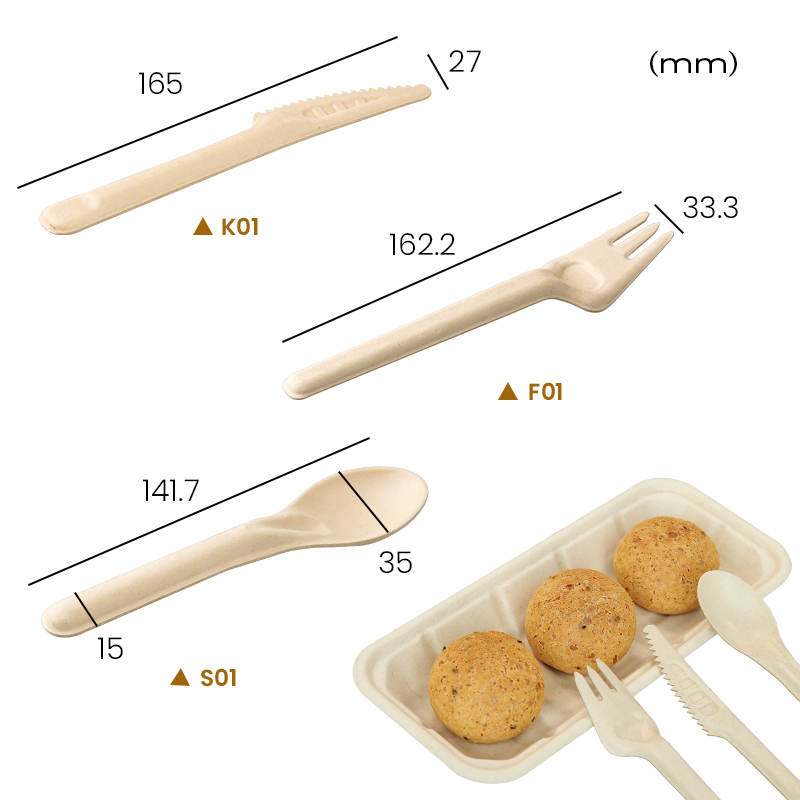
The fork is the most used piece of disposable cutlery in food service — it goes with salads, pasta, desserts, fruit, and the majority of casual and event meal formats where a knife isn’t needed. Getting the fork right matters more than any other cutlery piece, which is why the structural performance of the bagasse fork — 162.2 × 33.3 × 11mm, sturdy enough to handle varied food textures without bending or breaking — is the specification detail that determines whether this product works in commercial food service or fails at the moment it’s supposed to be adding value.
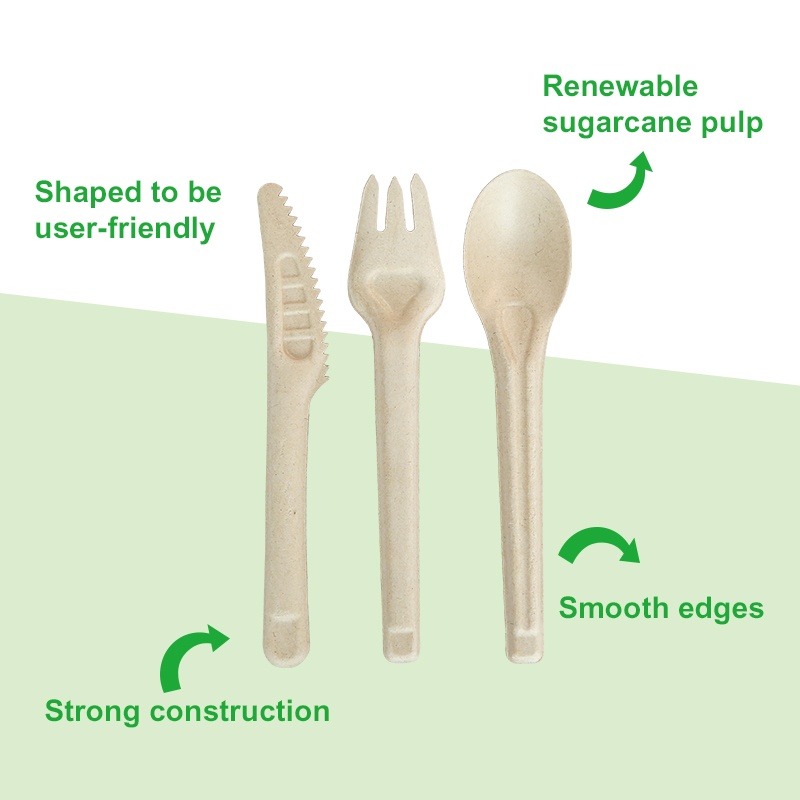
Made from natural sugarcane bagasse fibre — the agricultural byproduct of sugarcane processing, collected after sugar extraction rather than grown as a dedicated crop. Fully biodegradable and compostable. FSC-certified material sourcing. 100 pieces per bag, 20 bags per carton (2,000 forks total). OEM and private label services available. Supplied in bulk and wholesale quantities to restaurants, catering companies, distributors, retailers, and importers worldwide.
Why Bagasse Fork Performance Matters More Than for Other Cutlery
A disposable knife that flexes slightly under light cutting load is inconvenient. A disposable spoon that bends is manageable. A disposable fork that bends or snaps mid-meal — with pasta on it, or a piece of fruit, or a forkful of salad — is a service failure that the guest notices and remembers. The fork is the piece under the most mechanical stress during normal use because the four-tine structure concentrates load differently from the flat blade of a knife or the bowl of a spoon.
The bagasse fork’s 11mm depth across the tine profile gives it the structural rigidity that thinner disposable forks lack — the tines hold their form under the stabbing and lifting loads of normal fork use without flexing toward each other or snapping at the base. For food service operations where cutlery performance directly affects the guest experience, that structural specification is the reason to choose a quality bagasse fork over a cheaper alternative that looks similar but performs differently at the moment of use.
For buyers building a complete sustainable cutlery range, our bamboo cutlery wholesale category covers the full bamboo cutlery range for buyers who prefer natural material appearance alongside sustainability credentials. Our wooden cutlery wholesale category covers complementary wood cutlery formats. For the broader material comparison across sustainable cutlery options, our bamboo vs plastic cutlery piece and our complete guide to bamboo cutlery give the context worth having before finalising a cutlery specification.
Bagasse Material — The Agricultural Byproduct Advantage
Sugarcane bagasse is the fibrous residue that remains after sugarcane stalks are processed for sugar extraction. It’s a genuine agricultural byproduct — the sugarcane is grown for sugar production, and the bagasse is what would otherwise be waste material at the processing stage. Converting it into disposable cutlery adds commercial value to a byproduct without requiring additional agricultural land, dedicated crop cultivation, or the resource inputs that growing a crop specifically for cutlery production would involve.
For buyers whose customers are making purchasing decisions based on circular economy principles and agricultural waste reduction rather than just material biodegradability, the bagasse origin story is a stronger sustainability argument than natural material alone. Fully biodegradable and compostable after use — the fork goes directly into commercial composting streams alongside food waste without requiring separation. For the eco trends shaping purchasing decisions across sustainable food service cutlery, our piece on eco trends in food packaging gives useful context for buyers positioning bagasse cutlery within a wider sustainability programme.
Where the Bagasse Disposable Fork Works
Restaurants and cafés replacing plastic forks as part of a single-use plastic reduction programme where compostable credentials and cost efficiency are both purchasing criteria. Event catering and corporate dining operations building zero-waste or low-waste food service programmes where forks go directly into the composting stream alongside food waste. Takeaway and delivery operations including compostable forks with food orders as part of a plastic-free packaging commitment. Catering suppliers building complete compostable disposable tableware ranges for food service and event channels. Retail buyers building eco-friendly disposable entertaining and catering accessory ranges. Distributors and importers supplying compostable cutlery to food service and retail channels globally.
For event and hospitality sourcing at scale, our bamboo silverware for events guide covers how sustainable disposable cutlery fits into larger event sourcing decisions. For buyers wanting the full picture on natural material cutlery safety and food contact standards, our piece on are bamboo utensils safe addresses the food safety questions that apply to natural and plant-based disposable cutlery broadly.
Efficient Bulk Packaging — 2,000 Forks Per Carton
100 pieces per bag, 20 bags per carton — 2,000 forks per carton. The packaging format is designed for efficient wholesale distribution and inventory management: the bag format allows partial carton use without exposing the full carton stock, the carton size provides manageable handling weight for warehouse and distribution operations, and the consistent count per carton simplifies stock counting and reorder planning.
For buyers communicating sustainability credentials to procurement teams or retail partners, our piece on why bamboo is outpacing plastic alternatives gives the broader natural materials sustainability context worth having. For volume planning and import logistics, our bulk bamboo guide covers the sourcing process end to end.
Who Orders This Product
Food service operators and restaurant chains replacing plastic forks across high-volume daily service where compostable credentials and structural performance both matter. Corporate event and function caterers building complete compostable tableware programmes for zero-waste event food service. Takeaway and delivery platforms replacing plastic cutlery across all order formats as part of a documented plastic-free packaging commitment. Supermarket and grocery retailers building eco-friendly disposable entertaining product ranges. Catering supply distributors building complete compostable cutlery ranges for food service channels. Importers and wholesalers supplying compostable disposable cutlery to food service and retail markets globally.
Packaging, MOQ & OEM Options
Bagasse disposable fork, 162.2 × 33.3 × 11mm, natural sugarcane bagasse fibre, FSC-certified material sourcing. 100% biodegradable and compostable. Standard packaging 100 pieces per bag, 20 bags per carton (2,000 pieces total). OEM and private label services available — custom packaging, labelling, and product presentation for brands building branded compostable cutlery lines. Bulk wholesale supply with flexible MOQ, consistent quality, and global export expertise. For volume planning and import logistics, our bulk bamboo guide covers the sourcing process in full. 12+ years of manufacturing experience with FSC-certified sourcing and reliable international supply.