

Description
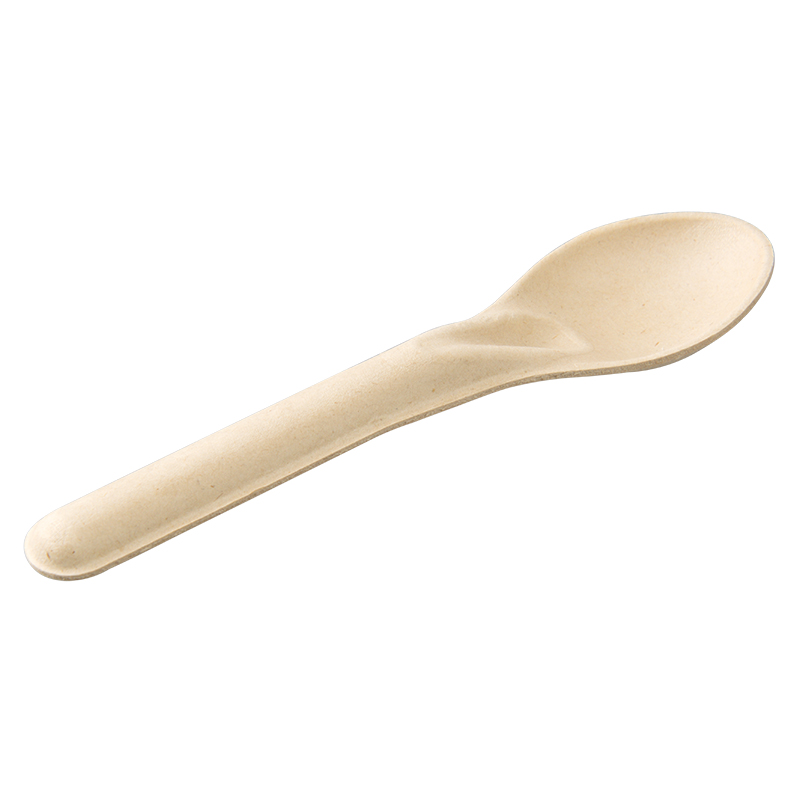
Bagasse Disposable Spoon — Wholesale Supply
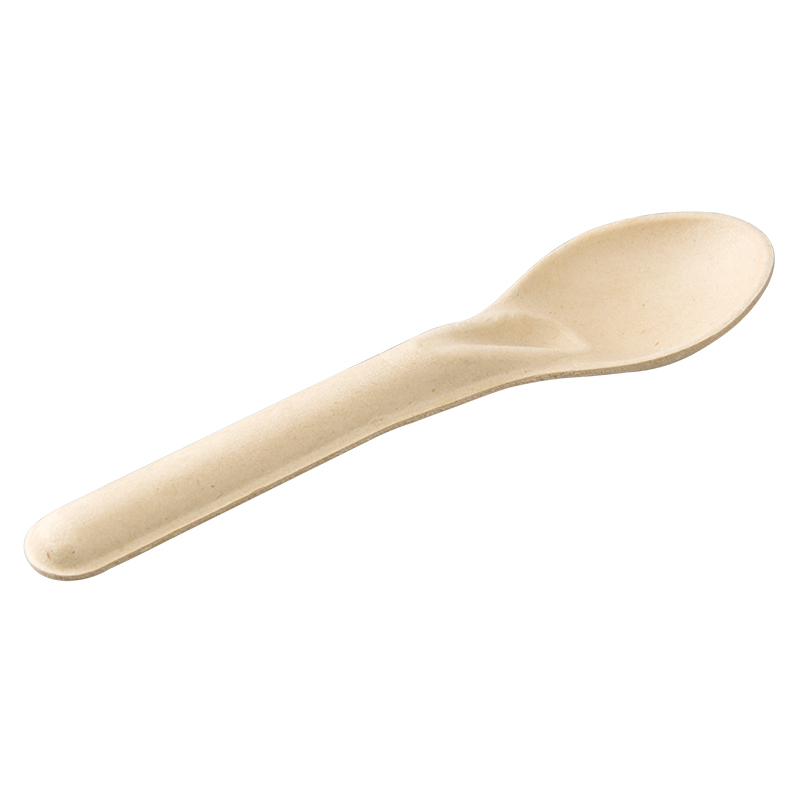
The spoon is the piece of disposable cutlery that faces the most demanding food contact conditions — hot soups, liquid sauces, wet desserts, and food portions with significant weight and temperature variation. A disposable spoon that softens under heat, bends under load, or transfers an unpleasant texture to the mouth at the point of contact is a service failure that guests notice immediately. The bagasse spoon at 142mm handles these conditions through the material properties of sugarcane fibre — naturally heat-resistant, structurally stable under load, and with a smooth surface texture that performs comfortably in mouth contact applications without the brittleness that some natural material alternatives develop.
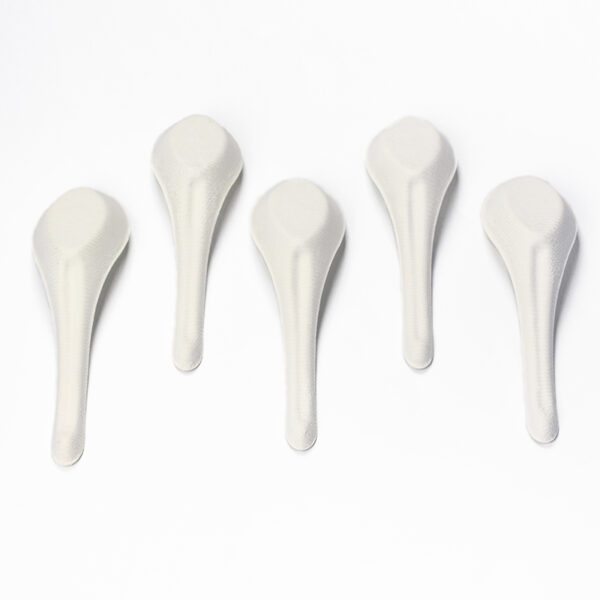
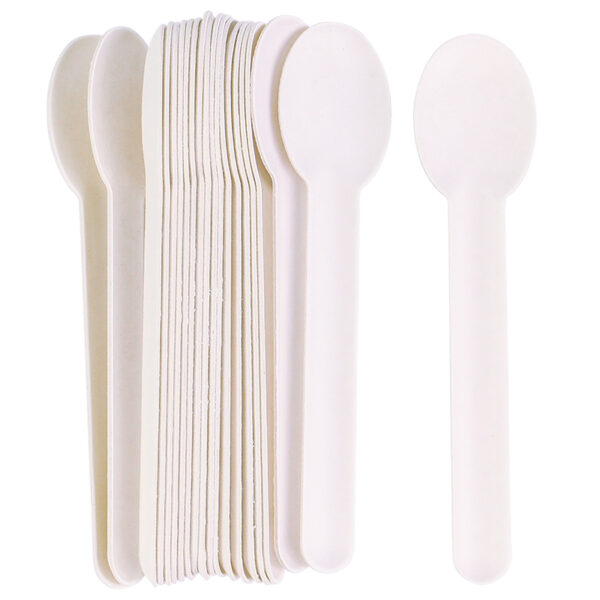
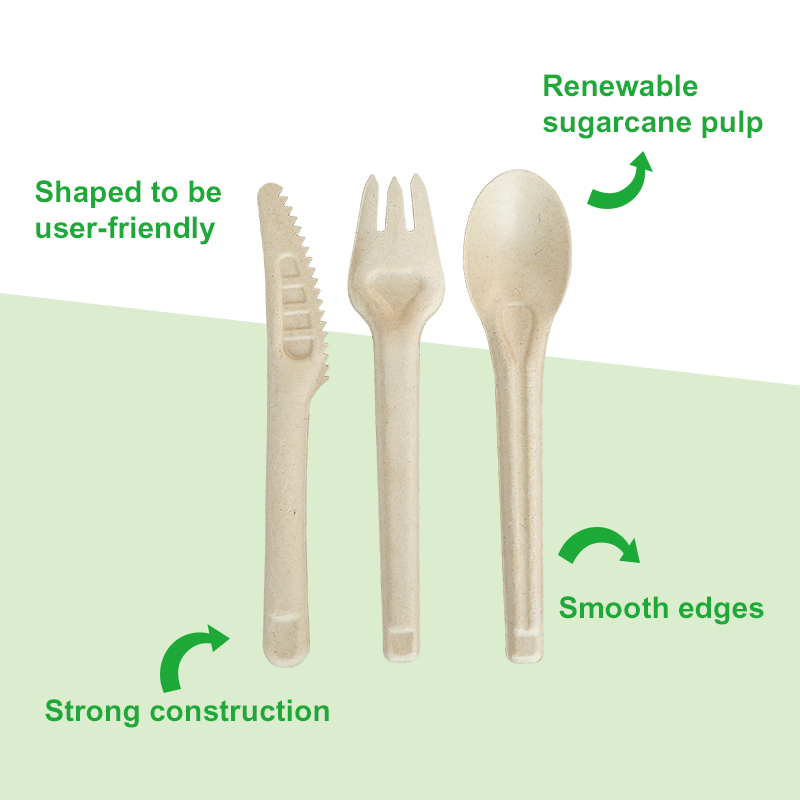
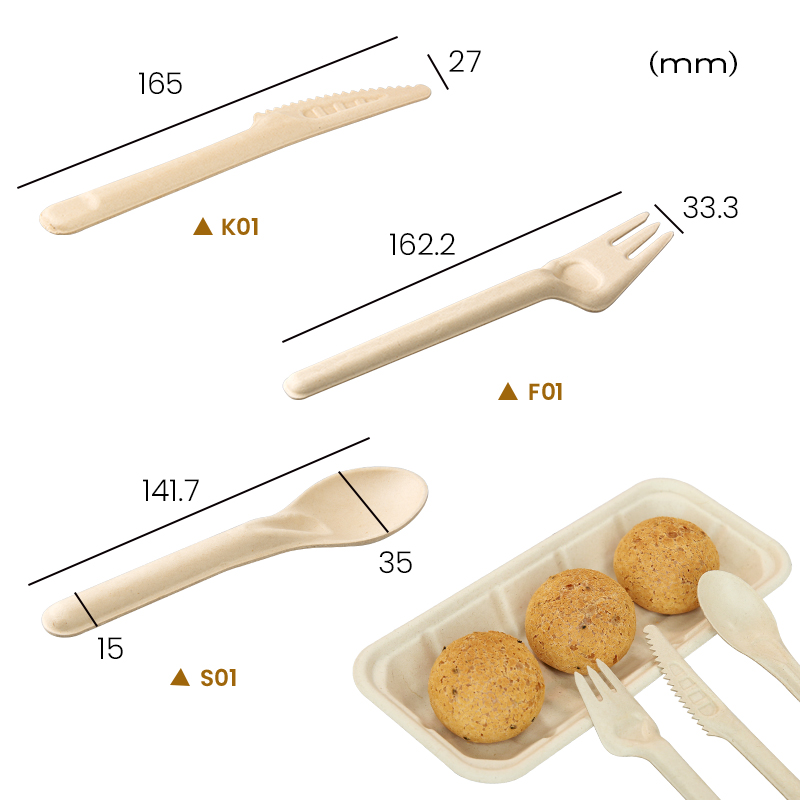
Made from natural sugarcane bagasse fibre — the agricultural byproduct of sugarcane processing. FSC-certified material sourcing. 142mm length with balanced design and suitable depth for soups, desserts, sauces, and meals. Smooth, splinter-free surface. Sturdy structure that prevents bending during use. Fully biodegradable and compostable. 100 pieces per bag, 20 bags per carton (2,000 spoons total). OEM and private label services available. Supplied in bulk and wholesale quantities to wholesalers, distributors, retail brands, restaurants, and catering companies worldwide.
Why the Spoon Is the Most Demanding Disposable Cutlery Application
Fork and knife performance under load is straightforward to evaluate — the tines hold or they don’t, the blade cuts or it flexes. Spoon performance is more nuanced because the bowl of the spoon is in direct, sustained contact with the contents it’s carrying: hot liquid, cold dessert, thick sauce, mixed meal portions. The material needs to maintain its form under the weight of a full spoon bowl, remain stable at the temperatures of hot soup service, and feel smooth and comfortable against the mouth and lips — the two contact points that determine whether the dining experience with a disposable spoon is acceptable or noticeably substandard.
Bagasse fibre handles these requirements through its natural material properties. The compressed sugarcane fibre structure is inherently more heat-stable than paper or thin plastic — it doesn’t soften progressively under hot liquid contact the way paper disposables do. The moulded structure maintains the spoon bowl shape under the weight of full portions without the flexing that thinner disposable spoon profiles produce. And the smooth surface finish — a function of the moulding process rather than an applied coating — delivers comfortable mouth contact without the texture concerns that some natural material cutlery creates.
For buyers building a complete sustainable cutlery range, our bamboo cutlery wholesale category covers the full bamboo cutlery range. Our wooden cutlery wholesale category covers complementary wood cutlery formats for buyers whose market prefers visible natural material aesthetics. For the broader material comparison across sustainable cutlery options, our bamboo vs plastic cutlery comparison and complete guide to bamboo cutlery give the context worth having before finalising a cutlery specification.
142mm — The Right Length for General Food Service Use
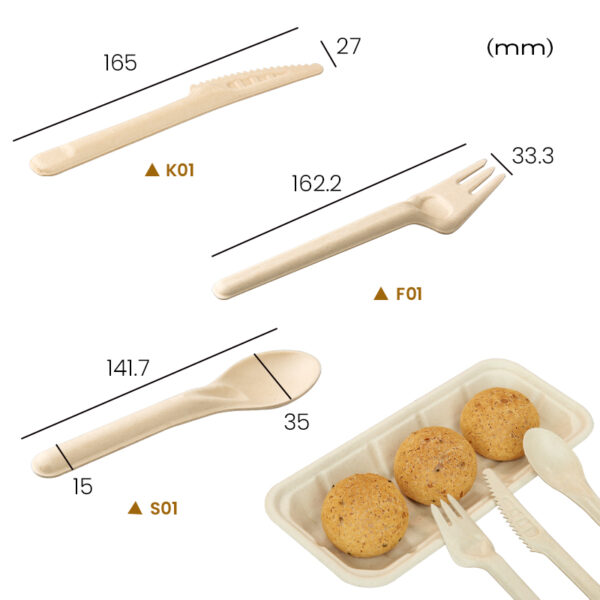
At 142mm, the bagasse spoon covers the standard food service spoon applications without being oversized for casual dining or undersized for soup and deep bowl service. The length provides enough handle for comfortable grip and control while keeping the spoon proportionate to the bowl sizes and food portions it’s most commonly used with. The bowl depth suits the full range of spoon applications — liquid-enough for soups and sauces, structured enough for desserts and solid meal portions.
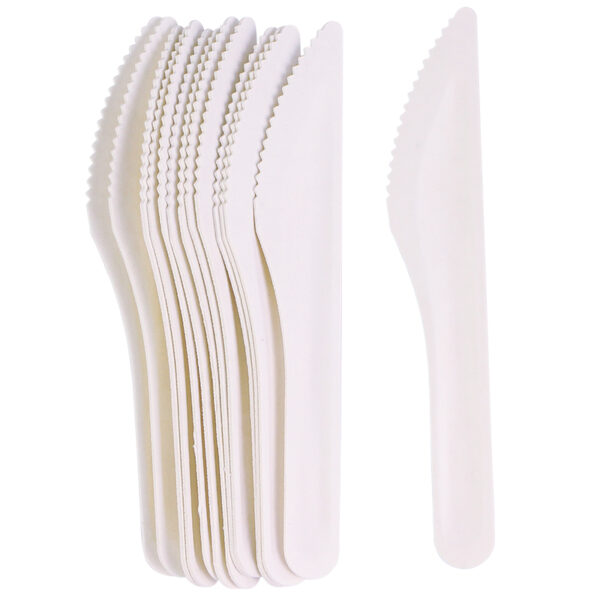
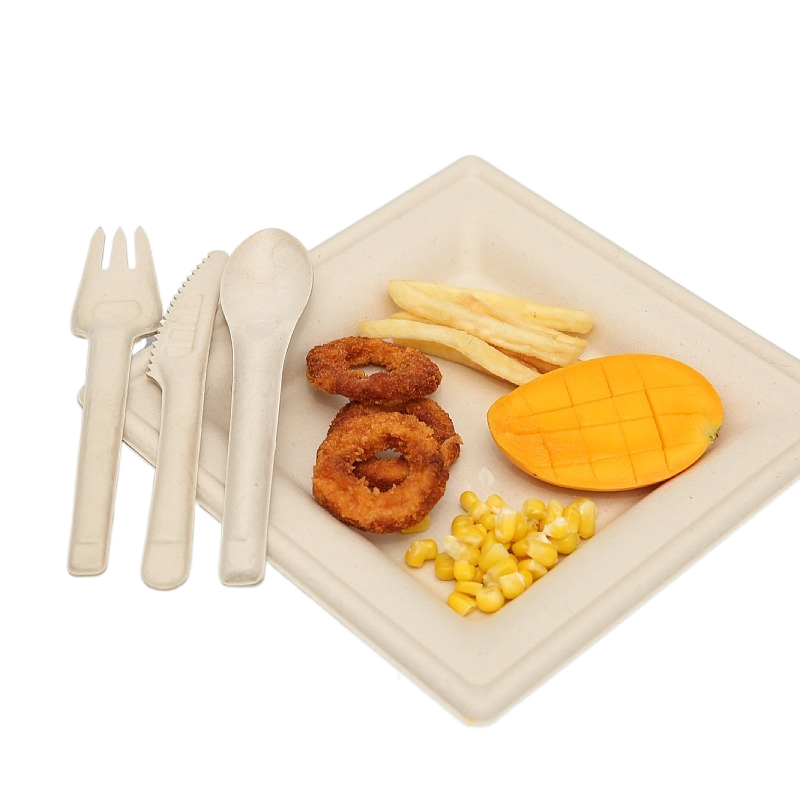
For buyers also sourcing the fork and knife to complete a disposable cutlery set, the bagasse spoon at 142mm works consistently alongside the bagasse fork at 162mm and the bagasse knife at 165mm — the three pieces sit at proportionate sizes that work as a complete place setting rather than feeling mismatched in scale.
Bagasse — The Agricultural Byproduct Sustainability Story
Sugarcane bagasse is what remains after sugarcane stalks are processed for sugar extraction — fibrous residue that would otherwise be waste at the processing facility. Converting it into disposable cutlery adds commercial value to an agricultural byproduct without the resource inputs of growing a dedicated crop for the purpose. For buyers whose customers are making purchasing decisions based on circular economy credentials rather than simply biodegradable material, the bagasse origin differentiates the product from natural material cutlery alternatives that require dedicated agricultural production.
For the eco trends shaping purchasing decisions across sustainable food service cutlery and disposable tableware, our piece on eco trends in food packaging gives useful context for buyers positioning bagasse cutlery within a wider sustainability programme. For event and hospitality sourcing at scale, our bamboo silverware for events guide covers how sustainable disposable cutlery fits into larger event sourcing decisions.
Who Orders This Product
Restaurants and cafés replacing plastic spoons across hot and cold food service where heat stability and smooth mouth contact are both functional requirements. Soup and noodle restaurants where the spoon faces sustained hot liquid contact and structural performance under full bowl loads matters. Corporate event and function caterers building complete compostable tableware programmes. Takeaway and delivery operations including compostable spoons with food orders as part of a plastic-free packaging commitment. Dessert and café operations where spoon performance in cold and room-temperature applications is the primary requirement. Catering supply distributors building complete compostable cutlery ranges for food service and event channels. Retail buyers building eco-friendly disposable entertaining product ranges. Importers and wholesalers supplying compostable cutlery to food service and retail markets globally.
For buyers wanting the full picture on natural and plant-based material cutlery safety and food contact standards, our piece on are bamboo utensils safe addresses the food safety questions that apply to natural material disposable cutlery broadly. For buyers communicating sustainability credentials to procurement teams or retail partners, our piece on why bamboo is outpacing plastic alternatives gives the broader natural materials sustainability context worth having.
Packaging, MOQ & OEM Options
Bagasse disposable spoon, 142mm, natural sugarcane bagasse fibre, FSC-certified material sourcing. Fully biodegradable and compostable. Standard packaging 100 pieces per bag, 20 bags per carton (2,000 pieces total). OEM and private label services available — custom packaging, logos, and product presentation for brands building branded compostable cutlery lines. Bulk wholesale supply with flexible MOQ, stable production capacity, and dependable global shipping. For volume planning and import logistics, our bulk bamboo guide covers the sourcing process in full. 12+ years of manufacturing experience with FSC-certified sourcing and consistent export-grade quality.