Description
Bamboo Poles Natural Yellow Skin — Wholesale Supply
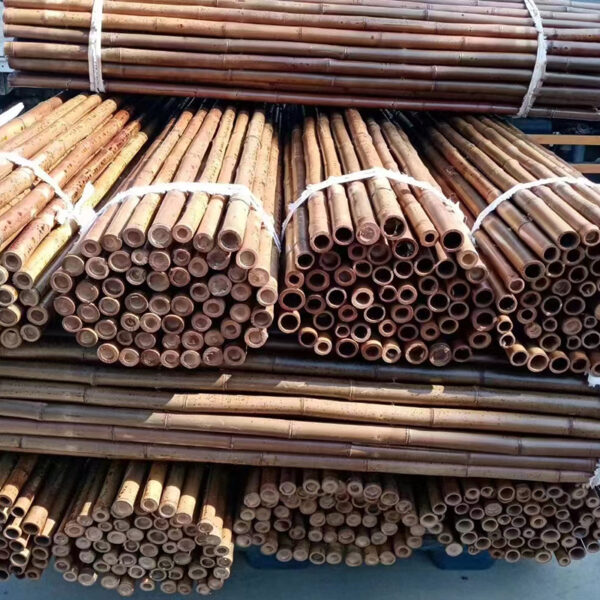
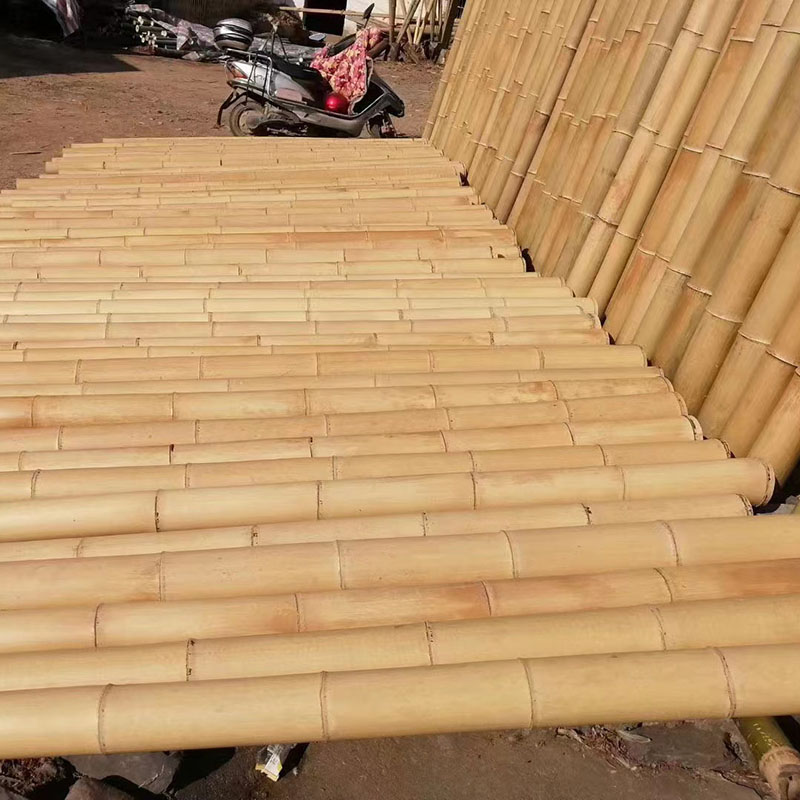
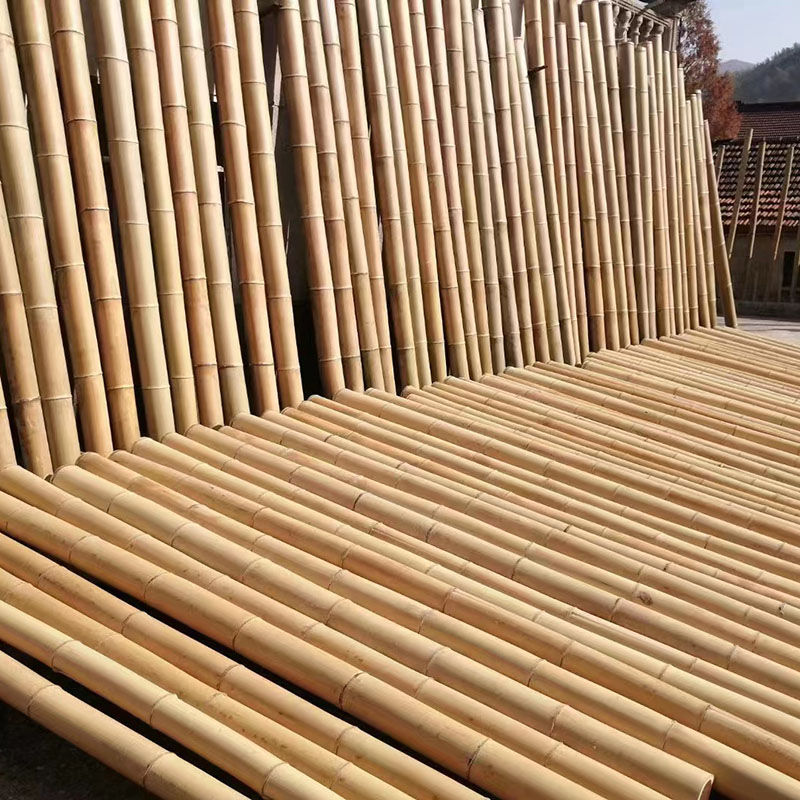
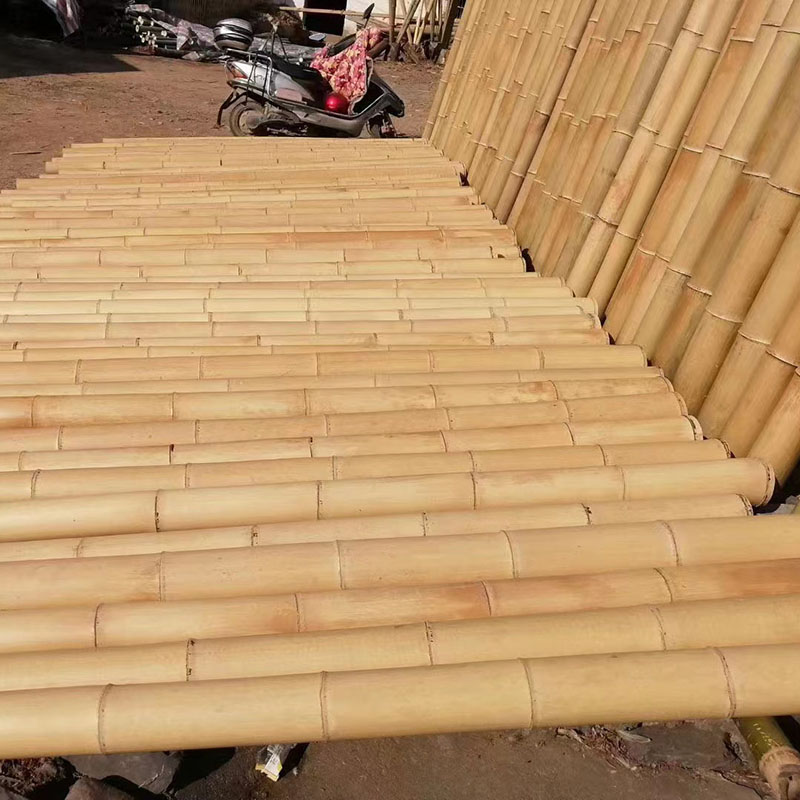
Bamboo poles are one of the oldest and most versatile structural materials in the world — and in a market where construction, agriculture, landscaping, and event decoration are all moving toward renewable material alternatives, that versatility has commercial relevance that extends well beyond traditional applications. These natural yellow-skin bamboo poles retain their original ecological characteristics because they aren’t chemically processed or artificially treated — the colour, the texture, and the structural properties are those of the bamboo itself, which is both the sustainability credential and the aesthetic quality that makes the natural pole the right choice for applications where authenticity matters as much as performance.
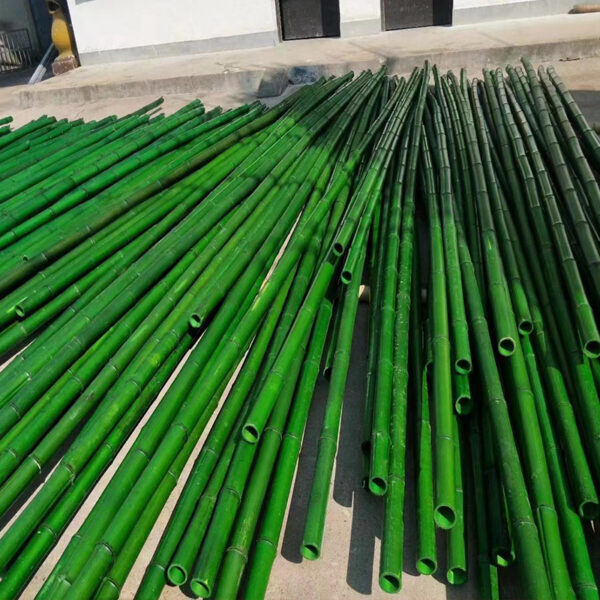
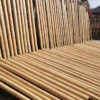
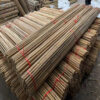
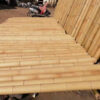
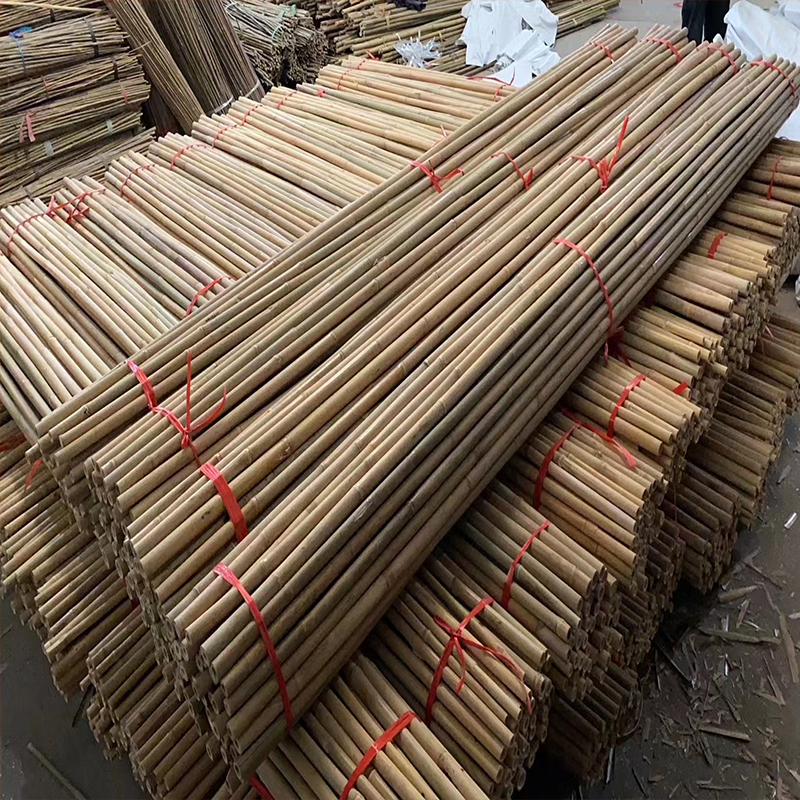
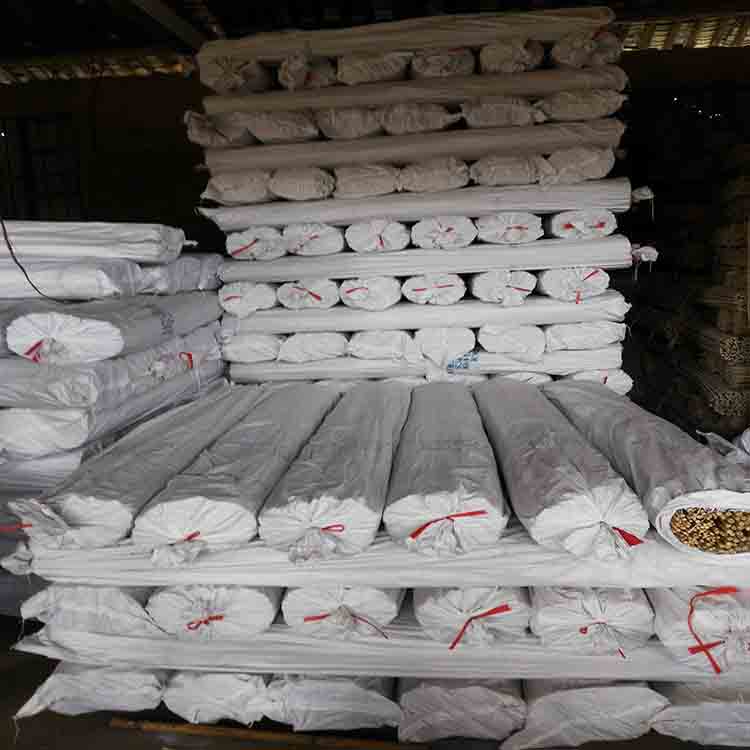
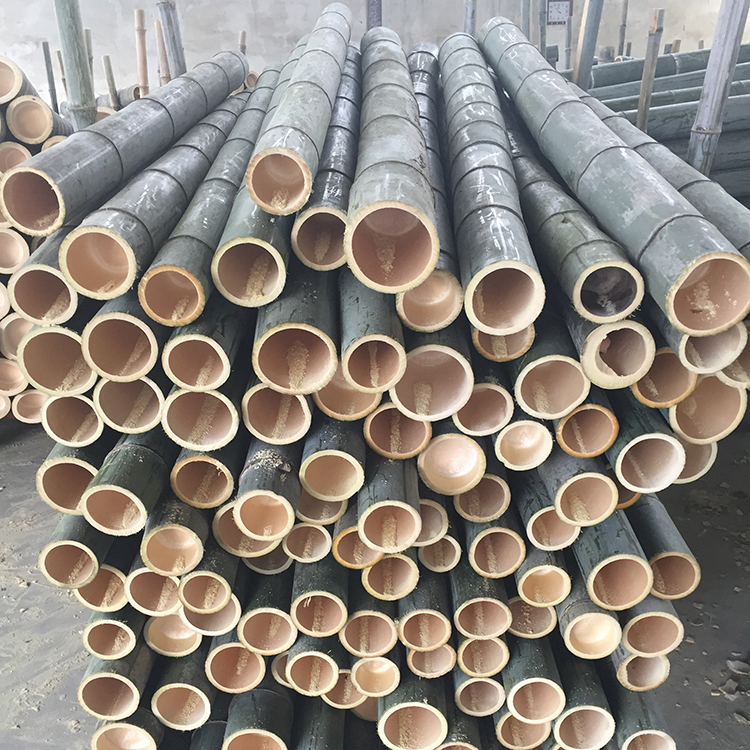
Naturally grown yellow-skinned bamboo poles, chemically unprocessed, strong hard fibre structure with excellent toughness and load-bearing capacity. Customisable in both length and thickness. Standard nylon bag packaging with customised bulk export packaging available. Supplied in bulk and wholesale quantities to distributors, contractors, garden suppliers, importers, and event suppliers worldwide.
Natural Yellow Skin — Why Unprocessed Matters
The decision not to chemically process or artificially treat these poles is a quality and sustainability choice that has practical implications for buyers across different application categories. In construction and structural applications, unprocessed poles retain the full tensile strength and fibre integrity of the bamboo — chemical treatment can alter the natural fibre structure in ways that affect performance under load. In decorative and landscaping applications, the natural yellow skin and authentic texture communicate genuine bamboo rather than a processed approximation — the aesthetic that buyers and end users are choosing bamboo for in the first place. In agricultural applications, unprocessed poles are the right choice for food-growing environments where chemical treatment on structural supports is a concern.
The original ecological characteristics — natural colour variation, authentic surface texture, the specific hardness and toughness that come from responsibly harvested mature bamboo — are preserved precisely because the processing stops at cleaning and preparation rather than chemical treatment. For buyers wanting the full picture on bamboo as a naturally grown material, our complete guide to bamboo cutlery covers bamboo’s natural properties in useful detail. For the broader context on why bamboo is gaining ground as a renewable material alternative across construction, agricultural, and decorative applications, our piece on why bamboo is outpacing plastic alternatives gives the supporting context worth having for procurement and retail partner conversations.
Applications Across Industries
The combination of structural strength, natural aesthetics, and renewable material credentials makes bamboo poles useful across a wider range of commercial applications than most single-material products. Construction and structural support — vegetable racks, greenhouse framing, temporary structure support, and light building applications where the load-bearing capacity and toughness of mature bamboo fibre deliver reliable performance. Agricultural and farming use — plant support stakes, trellising, row markers, and crop support structures where the renewable material is a practical and environmental advantage over metal or plastic alternatives. Landscaping and garden decoration — fencing support, garden structure framing, decorative screening, and garden accessory construction where the natural yellow skin aesthetic communicates organic and natural design. Cultural and event decoration — traditional folk activity arrangements, festival decoration, and event structural elements where authentic natural bamboo is the material requirement rather than a processed alternative.
For the eco trends shaping purchasing decisions across landscaping, garden supply, and sustainable construction materials, our piece on eco trends in food packaging gives broader context on the sustainable materials market that applies across bamboo product categories. For buyers also sourcing complementary bamboo products for wholesale distribution, our bamboo poles wholesale category covers the full pole range across specifications and sizes.
Custom Specifications — Length and Thickness
Length and thickness customisation across the full range of commercial applications is the practical specification flexibility that matters most for wholesale buyers whose customers have specific requirements rather than accepting standard dimensions. Construction and structural buyers typically specify length and diameter requirements based on the structural application. Agricultural buyers specify length based on crop type and growing height requirements. Landscaping and garden buyers specify based on the intended decorative or structural application. Event and cultural buyers specify based on the scale and design requirements of the specific installation.
The ability to source poles at the exact specification needed — rather than cutting to length on arrival or accepting a standard size that may not work optimally — is the commercial benefit that separates a manufacturer with genuine customisation capability from one that offers standard sizes only. For buyers building a complete bamboo wholesale distribution programme, our bulk bamboo guide covers volume planning, specification sourcing, and import logistics end to end.
Sustainability Credentials
Responsibly harvested, chemically unprocessed, naturally renewable — bamboo poles are one of the most straightforward sustainability stories in the natural materials market. Bamboo is the fastest-growing plant on earth, reaches maturity in three to five years, and doesn’t require replanting after harvest — the root system regenerates naturally, producing new growth without the soil disruption and replanting cost that timber harvesting requires. For buyers communicating sustainability credentials to construction clients, retail partners, or procurement teams, the renewable material story is simple and verifiable.
For the broader context on bamboo as a sustainable material alternative across construction, agricultural, and consumer product categories, our piece on why bamboo is outpacing plastic alternatives gives the supporting detail. Our bamboo vs plastic cutlery comparison gives the material detail useful for buyers making the case for natural bamboo over synthetic structural alternatives.
Who Orders This Product
Construction contractors and building suppliers sourcing renewable structural materials for light construction and temporary structure applications. Agricultural suppliers and farming operations sourcing plant support and trellising materials at wholesale volume. Garden centres and landscaping suppliers building natural material garden accessory and structural ranges. Event decoration and cultural festival suppliers sourcing authentic natural bamboo poles for traditional and folk event applications. Import distributors building complete bamboo product ranges for regional wholesale distribution. Retail buyers building natural and sustainable garden and outdoor living product ranges.
Packaging, MOQ & OEM Options
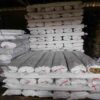
Natural yellow-skin bamboo poles, unprocessed ecological material, customisable length and thickness specifications. Standard nylon bag packaging for safe transport with customised bulk export packaging available for large-volume orders. Bulk wholesale supply with flexible MOQ, stable production capacity, and competitive pricing. For volume planning and import logistics, our bulk bamboo guide covers the sourcing process in full. 12+ years of manufacturing experience with responsible harvesting and eco-friendly processing methods.