Description
Carbonized Black Bamboo Poles — Wholesale Supply
Carbonization changes what bamboo is capable of as a structural and decorative material — and understanding the process is worth the effort for buyers who need to communicate the product’s properties to architects, designers, and construction clients. High-temperature carbonization without chemical additives densifies the internal fibre structure of the bamboo, which improves moisture resistance, anti-corrosion performance, and insect resistance simultaneously. It also deepens the natural colour to an elegant black tone that no applied stain or finish achieves — the colour comes from within the material rather than being coated onto it, which means it’s consistent through the pole rather than a surface treatment that can chip or fade.
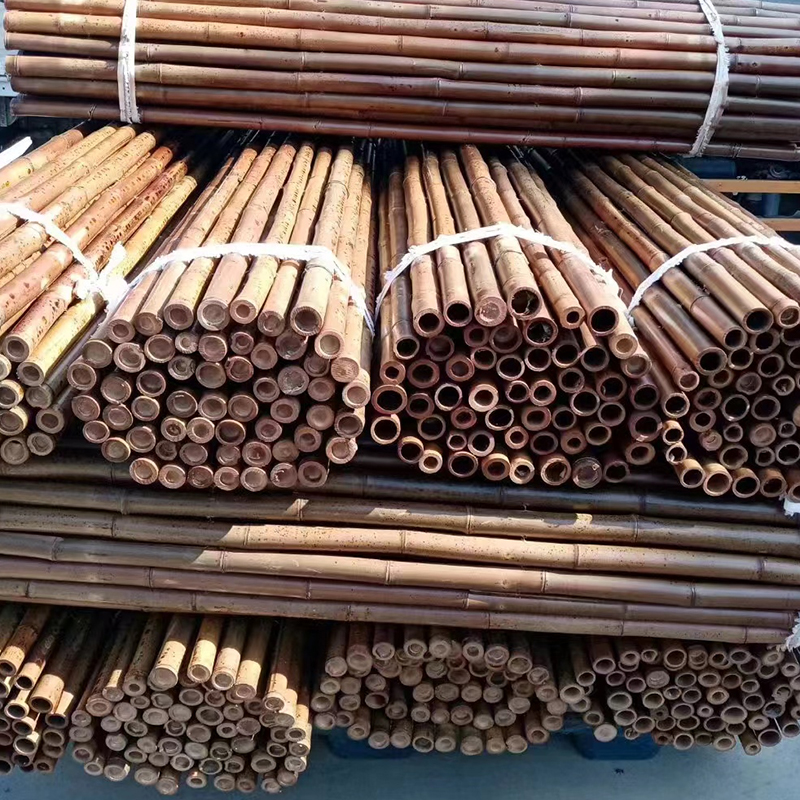
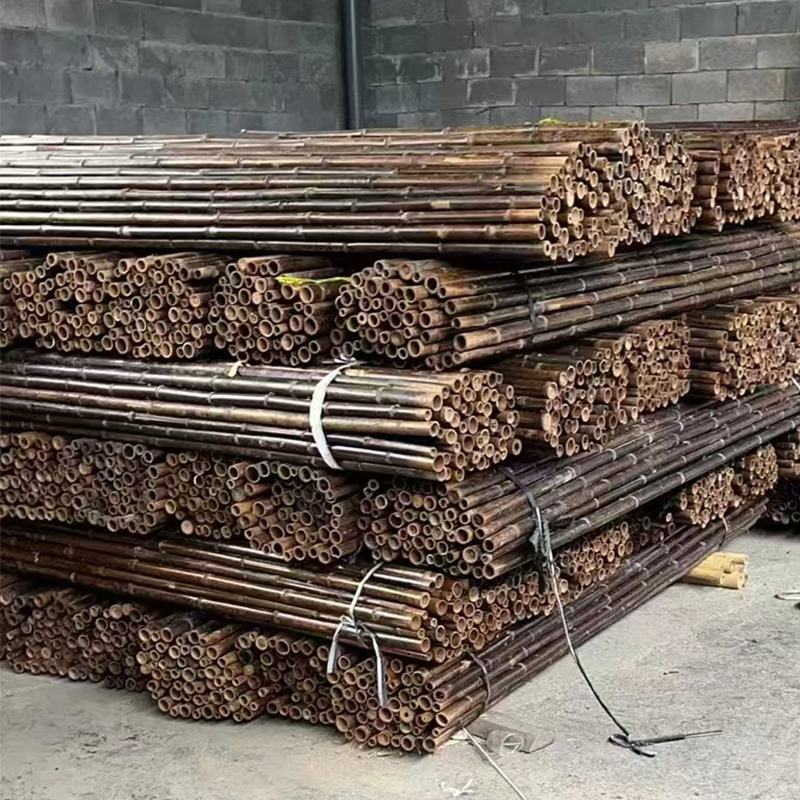
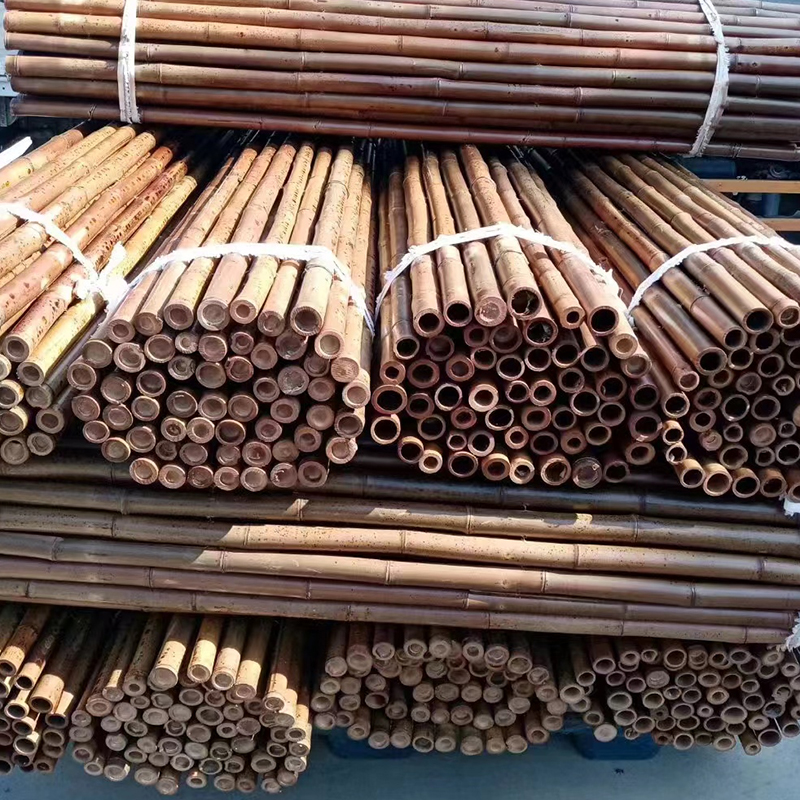
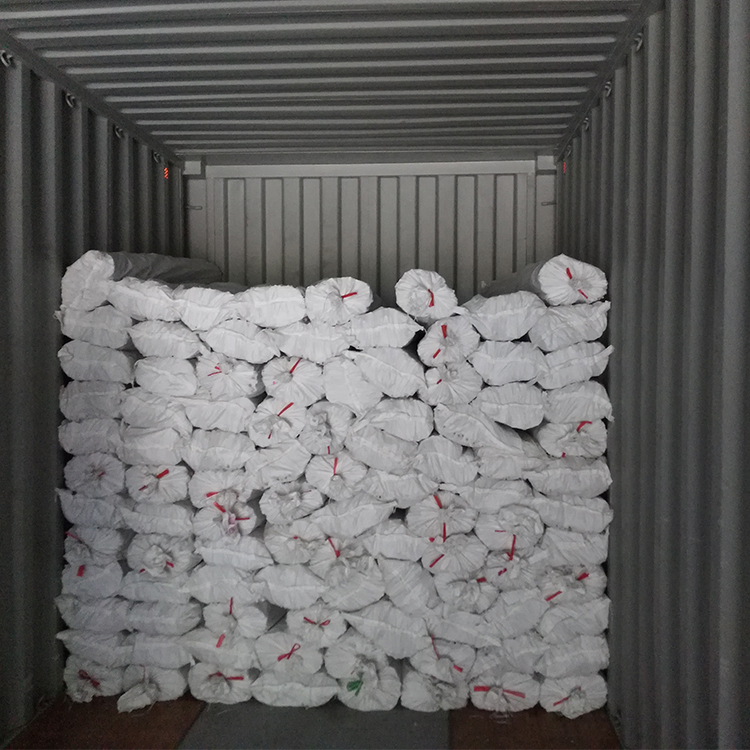
The result is a pole that performs better than natural unprocessed bamboo in demanding structural and environmental conditions, and that carries a distinctive aesthetic — the black tone, the refined surface, the retro-modern character — that has found consistent traction in contemporary architectural design, high-end landscaping, and the growing category of natural material interior decoration. No harmful chemicals added, no toxic substances released, safety and environmental compliance maintained throughout the process. Customisable length and thickness. Nylon bag packaging as standard with customised bulk export packaging available. Supplied in bulk and wholesale quantities to distributors, contractors, garden designers, construction material importers, and architectural suppliers worldwide.
The Carbonization Process — What It Does and Why It Matters
The high-temperature carbonization process is the manufacturing detail that differentiates this product from both natural unprocessed poles and chemically treated alternatives, and it’s worth explaining clearly because it determines the performance properties and the sustainability credentials simultaneously.
Controlled high-temperature exposure without chemical additives does three things to the bamboo fibre. It increases internal fibre density — the cells of the bamboo contract and compress under heat, producing a denser material that resists moisture penetration more effectively than the original bamboo structure. It converts surface compounds that attract insects into forms that insects don’t target — improving insect resistance without pesticide treatment. And it produces the characteristic dark colour through the caramelisation of natural sugars and compounds within the bamboo fibre — a colour change that goes through the pole rather than sitting on the surface.
No chemical additions means no toxic release concerns for indoor applications where VOC emissions from structural materials are a specification requirement. No surface coating means no coating degradation over time — the colour and properties are inherent in the material rather than applied. For buyers wanting the full picture on bamboo as a naturally processed structural material, our complete guide to bamboo cutlery covers bamboo’s natural properties in useful detail. For the broader context on why bamboo is gaining ground as a renewable material across construction, architectural, and decorative applications, our piece on why bamboo is outpacing plastic alternatives gives the supporting context worth having.
The Black Aesthetic — Design Applications
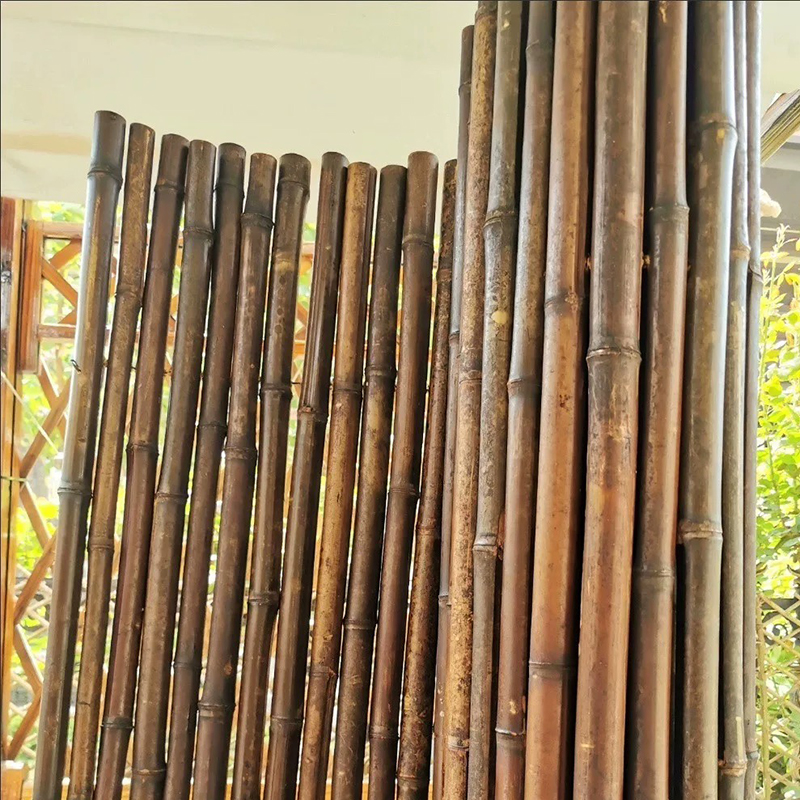
The black tone of carbonized bamboo poles sits in a specific and commercially well-defined position in the contemporary design market. It’s the natural material equivalent of the black steel and black metal finishes that have become dominant in modern architectural and interior design — warm rather than industrial, organic rather than manufactured, but carrying the same sophisticated, refined aesthetic that black structural elements communicate in contemporary design language.
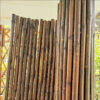
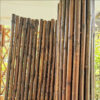
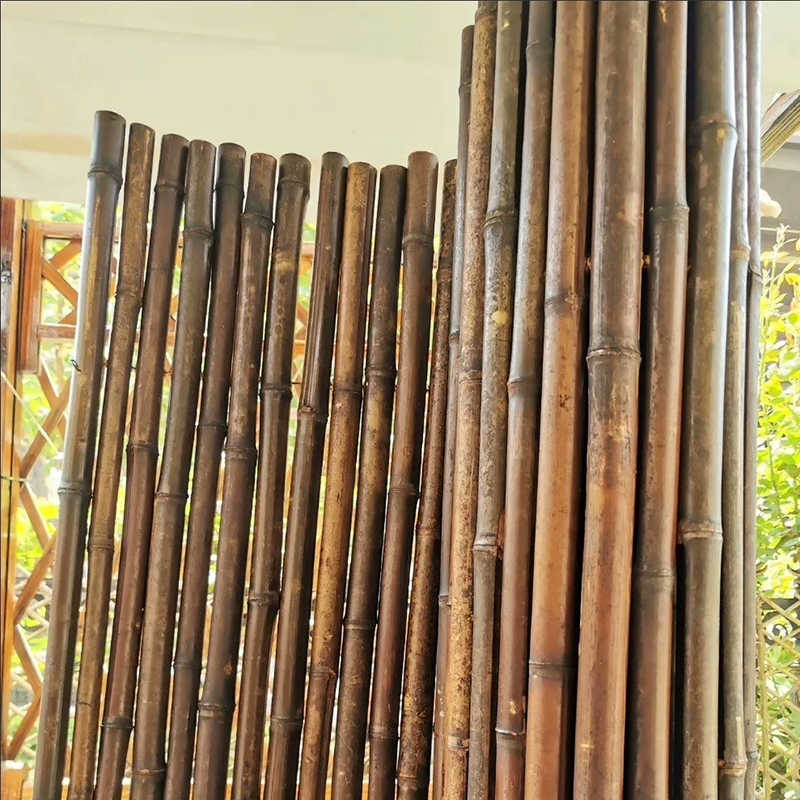
For indoor partition and wall decoration structures, carbonized black bamboo poles create a distinctive visual element that combines natural material warmth with contemporary colour. For courtyard and landscape design, the black poles create strong visual contrast against green planting that uncoated natural poles don’t achieve. For architectural feature walls, room dividers, and decorative screening, the black tone works with both minimalist and maximalist design briefs. For camping tent frameworks and outdoor recreational structures where a premium aesthetic matters alongside structural performance, carbonized poles deliver both.
For the eco trends shaping purchasing decisions across sustainable architectural materials and natural material interior design, our piece on eco trends in food packaging gives broader context on the sustainable materials market that applies across bamboo product categories. For buyers sourcing across multiple bamboo pole formats for different customer segments and applications, our bamboo poles wholesale category covers the full range including natural, coated, and carbonized formats.
Applications — Where Carbonized Black Poles Work
Indoor partition and wall decoration structures where the black tone and natural material character create a distinctive architectural feature without chemical VOC concerns. Courtyard and landscape design where the black poles create strong visual contrast against planting and hardscape elements. Contemporary interior design — feature walls, room dividers, decorative screening, retail display structures — where the refined black aesthetic fits modern design language. Camping and outdoor recreational structures where premium aesthetic and improved structural performance both matter. Construction and architectural applications requiring improved moisture and insect resistance alongside a distinctive natural material finish. Garden and outdoor design where carbonized poles provide better long-term outdoor performance than natural unprocessed alternatives without synthetic coating.
For buyers planning large-volume import orders for construction and architectural projects, our bulk bamboo guide covers volume planning, specification sourcing, and import logistics end to end. For buyers communicating sustainability credentials to architectural clients or procurement teams, our bamboo vs plastic cutlery comparison gives the material context useful for building the case for bamboo over synthetic structural alternatives.
Who Orders This Product
Architectural and interior design material suppliers building premium natural material product ranges for the contemporary design market. Garden design and landscaping contractors sourcing premium natural material structural elements for high-end residential and commercial landscape projects. Construction material importers and distributors building complete bamboo structural product ranges for regional wholesale supply. Camping and outdoor recreation equipment suppliers sourcing premium natural structural materials for tent frameworks and outdoor recreational structures. Retail display and visual merchandising suppliers building natural material display structure ranges. Interior decoration and feature wall contractors sourcing carbonized bamboo poles for partition, screening, and decorative wall applications.
Packaging, MOQ & OEM Options
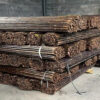
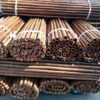
Carbonized black bamboo poles, high-temperature process without chemical additives. Customisable length and thickness specifications. Standard nylon bag packaging with customised bulk export packaging available for OEM and private label requirements. Bulk wholesale supply with flexible MOQ and stable production capacity. For volume planning and import logistics, our bulk bamboo guide covers the sourcing process in full. 12+ years of manufacturing experience with sustainable sourcing and advanced processing technology.