

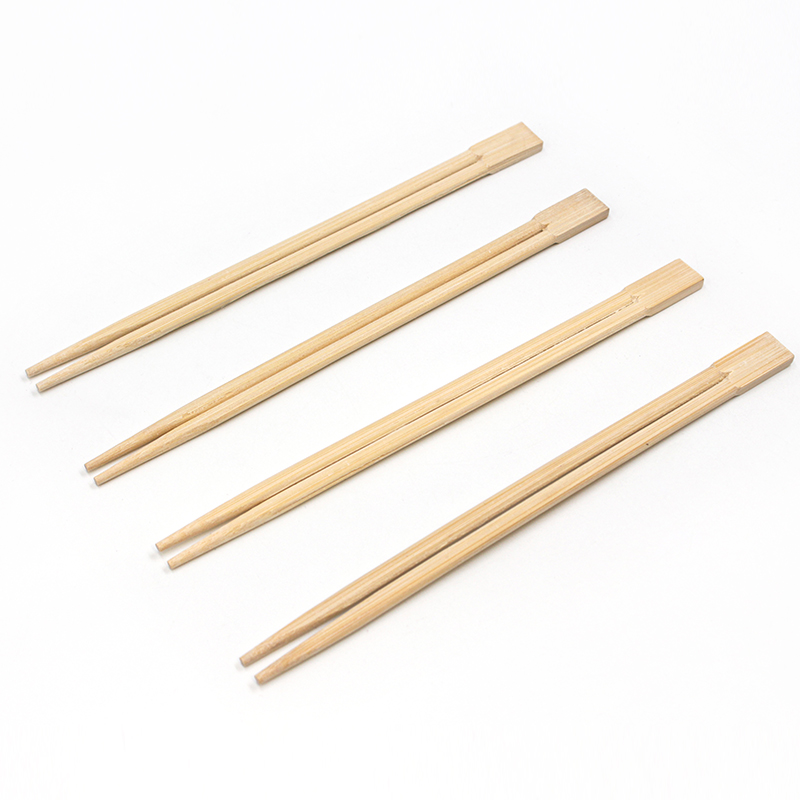
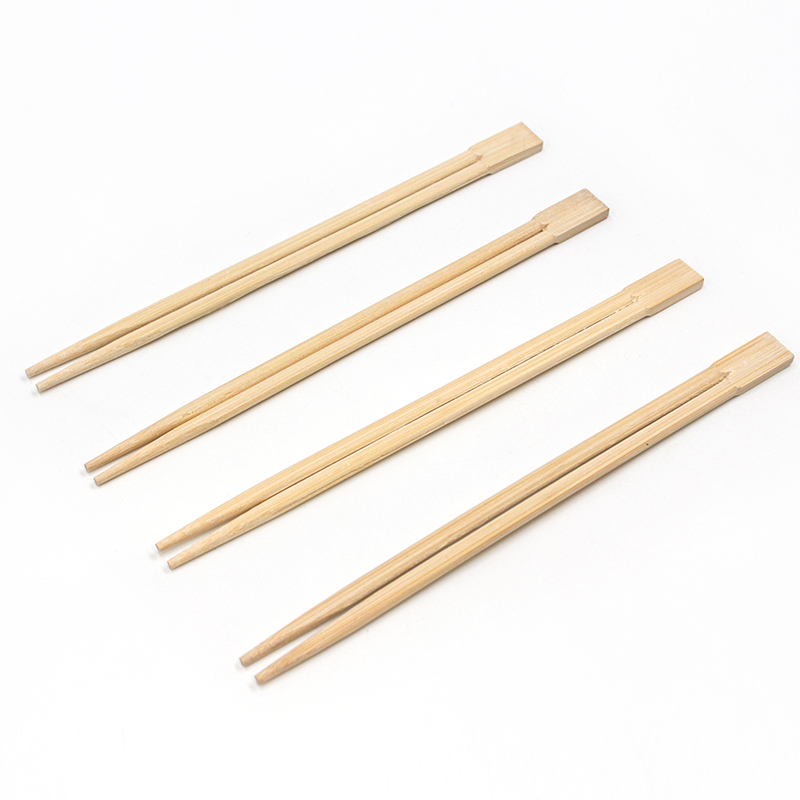
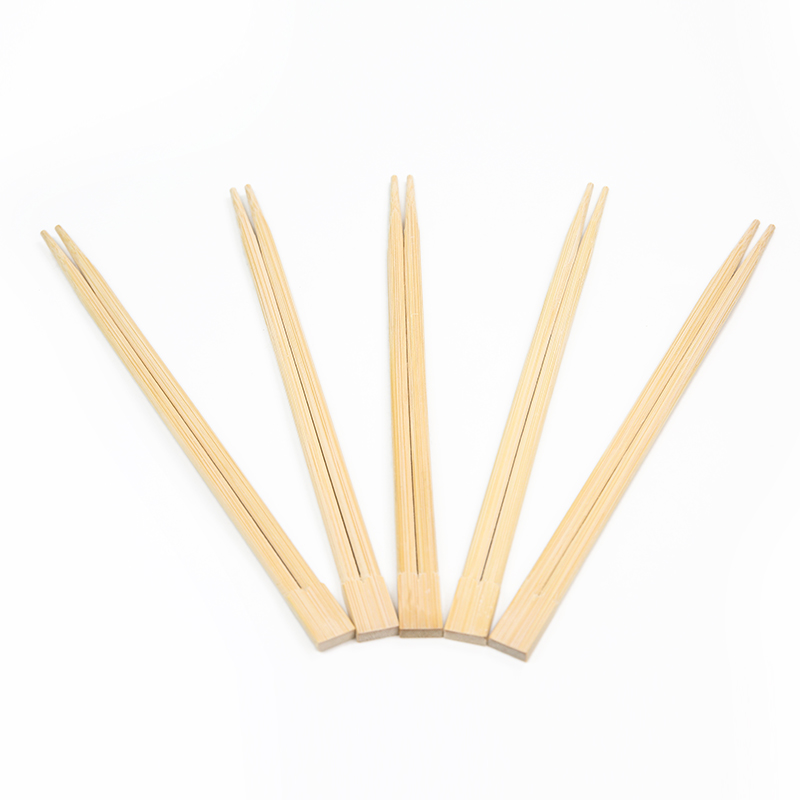

Description
Twin Bamboo Chopsticks Bulk & Wholesale Supply
Chopsticks are one of the higher-volume consumables in Asian cuisine food service — a busy ramen restaurant or sushi operation goes through thousands of pairs a week, and the quality of each pair is noticed by every diner who uses one. Splintering on separation, rough finish that catches on food, pairs that don’t separate cleanly from the twin connection — these are the failure modes that generate complaints and affect the dining impression in ways that are hard to trace back to the chopstick specifically but accumulate in the overall experience.
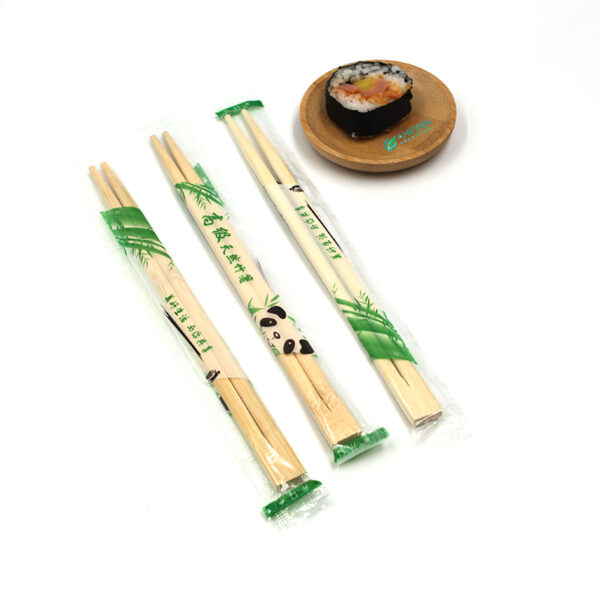
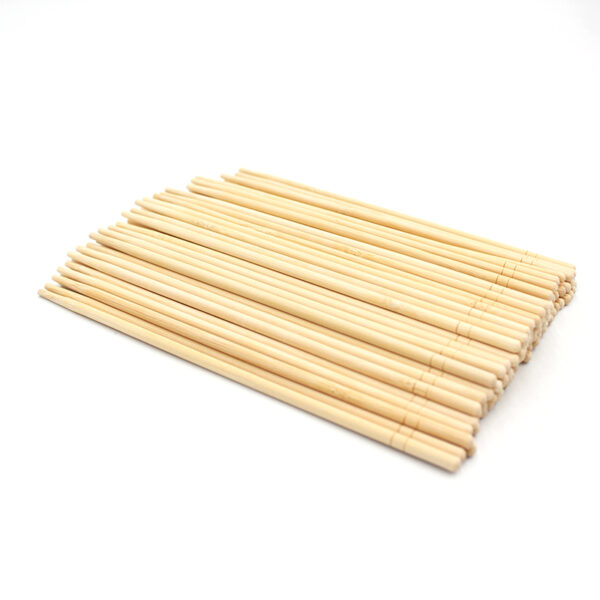
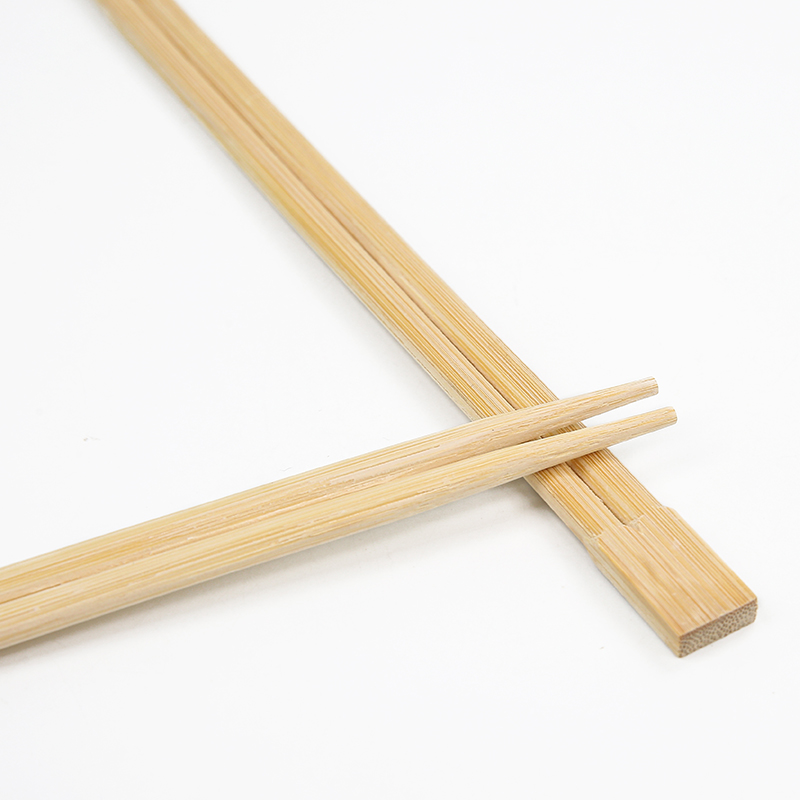
These Twin Bamboo Chopsticks are manufactured to avoid all three. 100% natural bamboo, polished with food-grade talcum powder to a smooth, splinter-free finish that separates cleanly from the twin connection and grips food securely without roughness. Available in 210mm and 230mm lengths to cover the full range of Asian cuisine dining formats. Supplied in bulk and wholesale quantities to restaurant chains, distributors, catering suppliers, and retail brands worldwide.
Why the Twin Design Matters at Commercial Volume
The twin connection — the joined structure that keeps the pair together until the diner separates them — does two things that matter at commercial scale. It keeps pairs together during packaging, transport, and storage, eliminating the handling required to keep loose chopsticks paired and reducing the contamination risk of individual chopsticks being handled separately before use. And it communicates hygiene at the table — the diner separates the pair themselves, which is a visible signal that the chopsticks haven’t been handled since production.
For high-volume restaurants, food delivery services, and catering operations going through large quantities daily, the twin format is the production and logistics standard that makes scale manageable without adding handling complexity. For buyers sourcing complementary bamboo dining accessories, our bamboo chopsticks wholesale category covers the full chopstick range across formats and sizes.
Food-Grade Talcum Powder Polish — Why It Matters
The polishing process is the detail that separates a well-manufactured bamboo chopstick from a commodity one. Food-grade talcum powder polish creates a smooth, consistent surface finish that performs in three ways: it eliminates the micro-splinters that cause discomfort during use, it creates a surface that grips food effectively without roughness that catches or tears, and it gives the chopstick a refined appearance that reads as quality rather than generic supply.
For buyers wanting the full picture on bamboo as a material for food service utensils, our complete guide to bamboo cutlery covers the material and manufacturing standards in detail. Our piece on are bamboo utensils safe addresses the food safety and hygiene questions — including food-grade finishing processes — that come up most frequently in procurement conversations for commercial dining supply.
Where These Get Used
Ramen and noodle restaurants where chopstick quality is noticed by every diner. Sushi restaurants and Japanese cuisine establishments where presentation detail extends to the utensils. Asian cuisine restaurant chains requiring consistent quality across multiple locations at volume. Hot pot and BBQ restaurants where the 230mm length works for shared vessel formats. Food delivery and takeaway operations including chopsticks with Asian cuisine orders. Hotel restaurants and catering operations serving Asian cuisine menus. Retail buyers building Asian cuisine dining accessory ranges.
For buyers building a complete Asian dining accessory programme, our bamboo picks wholesale and bamboo skewers wholesale categories cover complementary products frequently ordered alongside chopsticks for full table and serving setups. For event and hospitality sourcing at scale, our bamboo silverware for events guide covers the sourcing considerations event planners and hospitality buyers typically work through when building a complete eco-aligned dining setup.
Sustainability Credentials
100% natural bamboo — no plastic content, no synthetic coatings, food-grade finishing only, fully biodegradable. For buyers communicating sustainability credentials to procurement teams, retail partners, or end consumers, our piece on why bamboo is outpacing plastic alternatives gives the supporting context worth having. Our bamboo vs plastic cutlery comparison is useful for operations transitioning from plastic utensils and needing to make the case internally or to procurement teams. For the broader eco trends shaping purchasing decisions across food service and retail, our piece on eco trends in food packaging gives useful context for buyers positioning bamboo utensils within a wider sustainability programme.