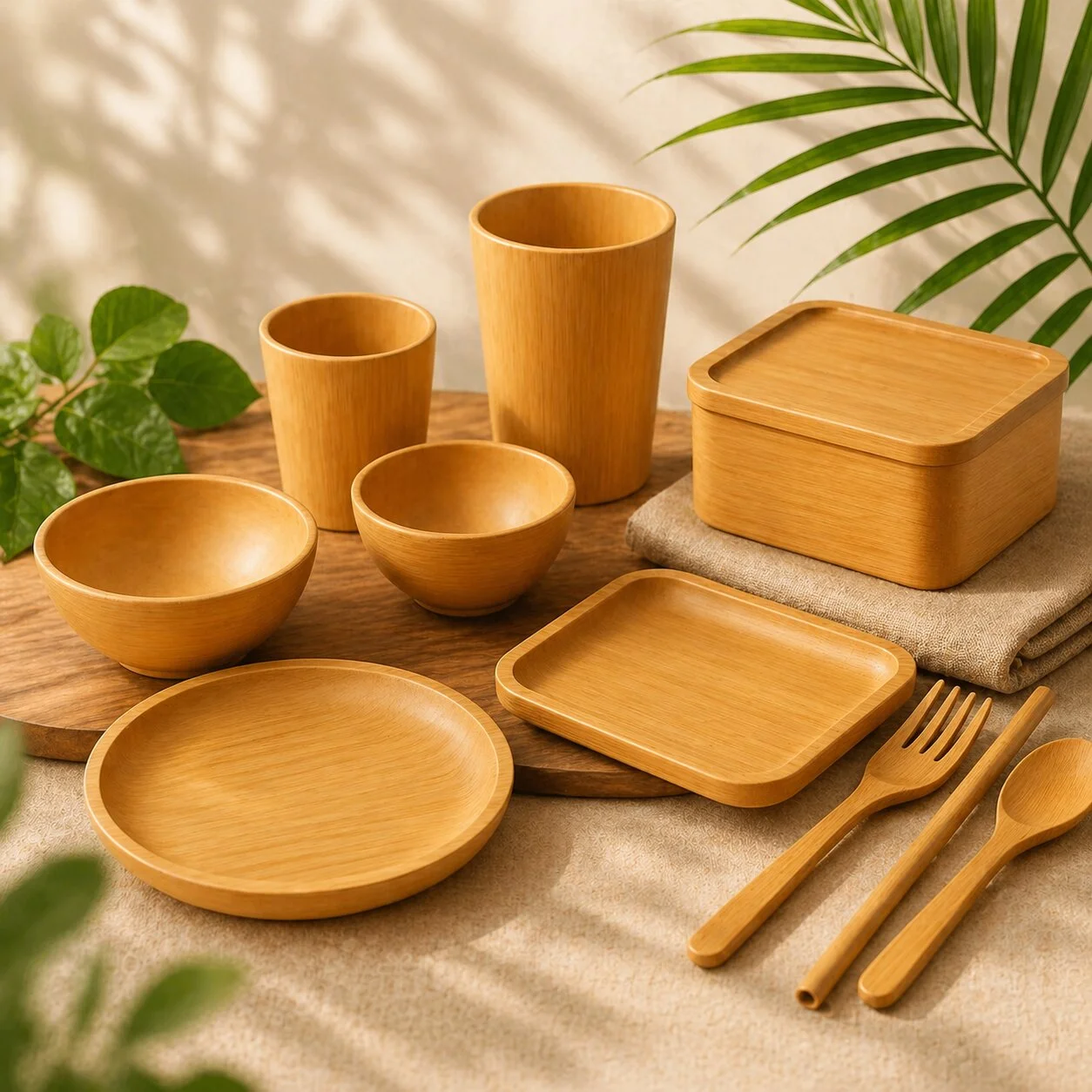
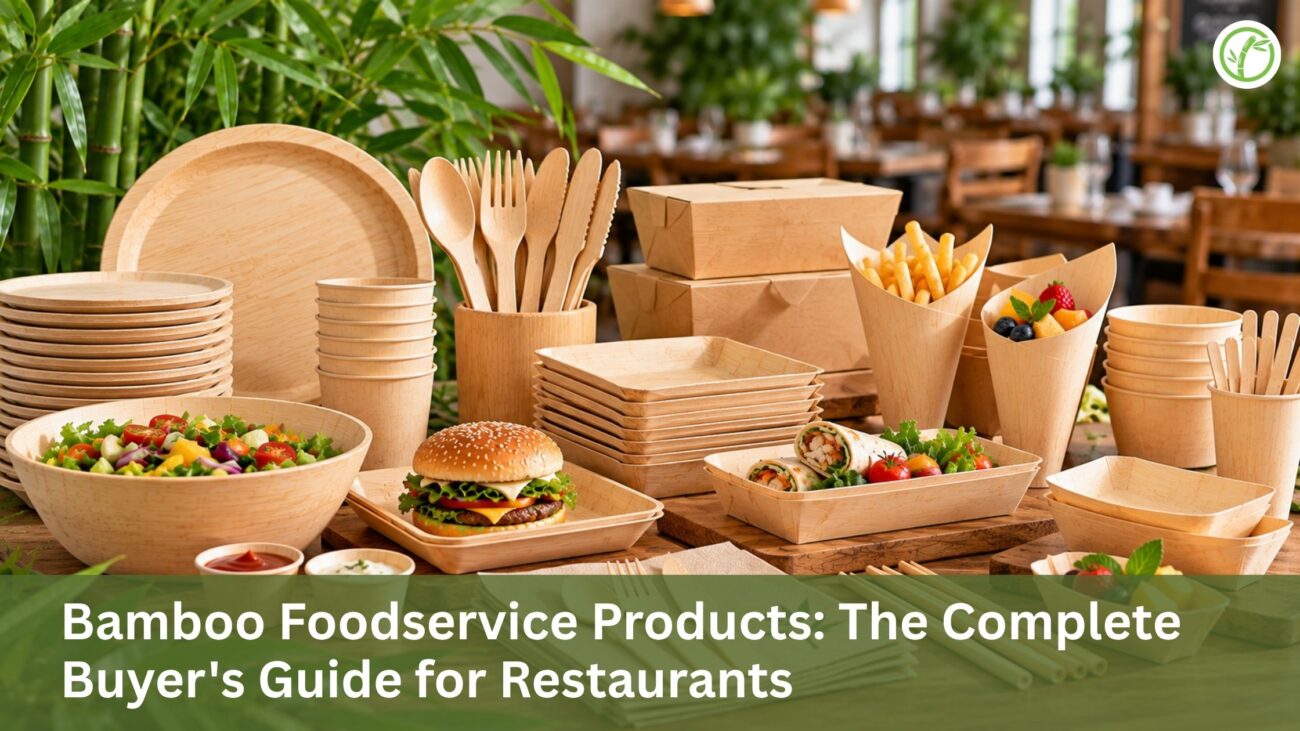
Bamboo foodservice products include cutlery, straws, chopsticks, toothpicks, coffee stirrers, ice cream sticks, tableware, BBQ skewers, party and cocktail picks, plates, poles, and garden sticks. Every one of these product lines is heat-resistant, more durable than its paper equivalent, and can be custom-branded for restaurant, hotel, and catering use. This guide answers the questions buyers actually ask before switching a foodservice operation to bamboo.
What Bamboo Products Does Friendly Bamboo Manufacture?
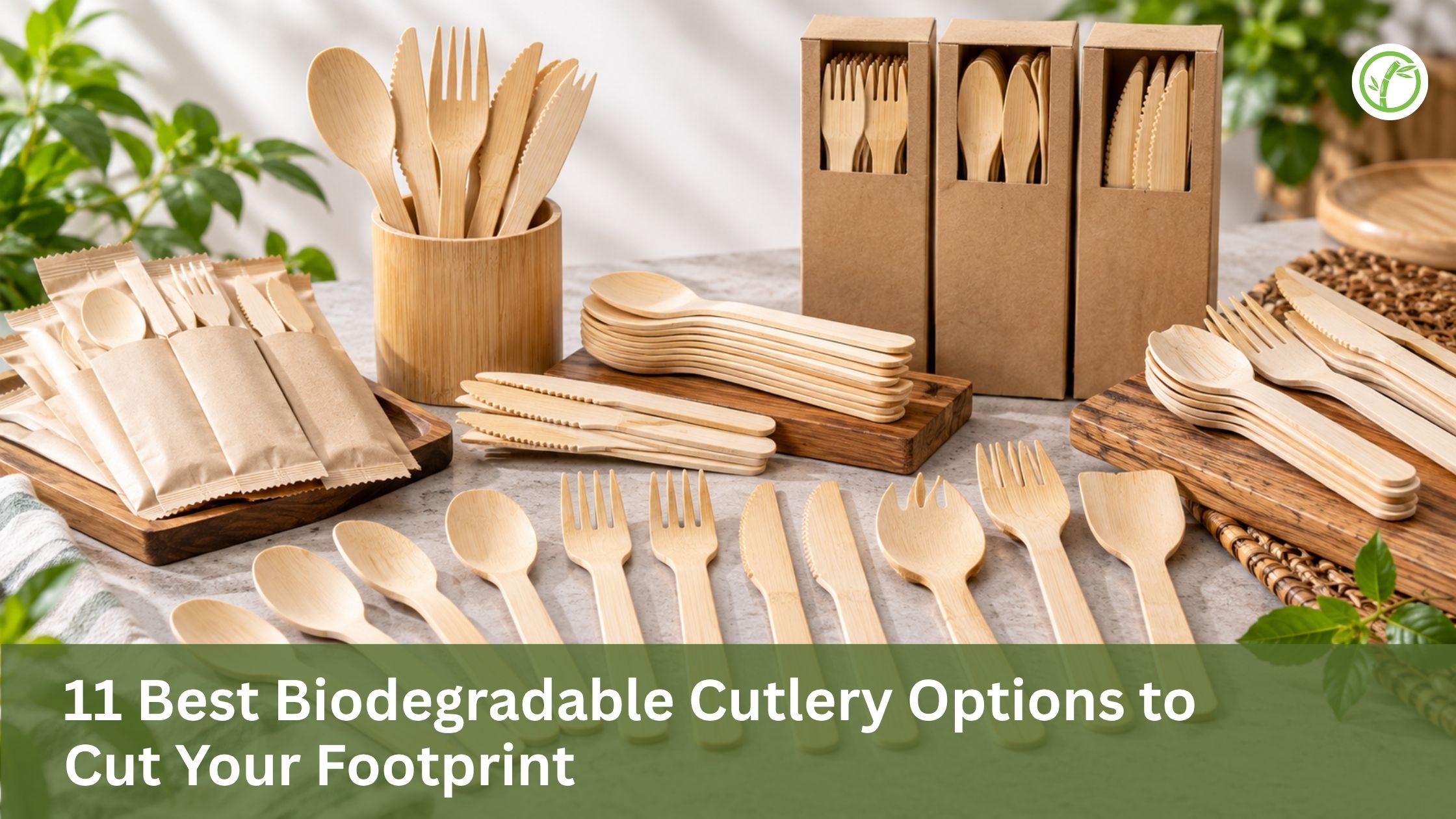
The full bamboo range covers cutlery, straws, chopsticks, toothpicks, coffee stirrers, ice cream sticks, tableware, BBQ skewers, party and cocktail picks, bamboo plates, bamboo poles, and bamboo sticks (flower/garden sticks). That range means a buyer building a complete eco-tableware programme can source every format from one factory instead of managing separate suppliers for cutlery, straws, and plates.
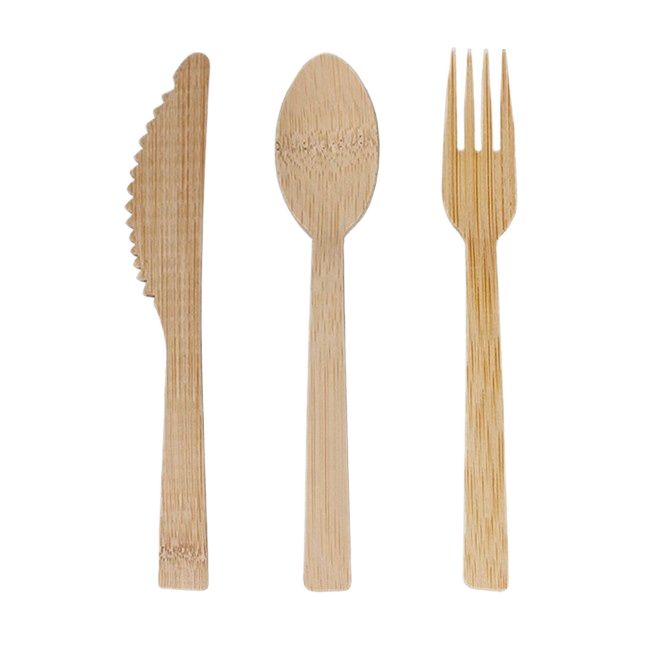
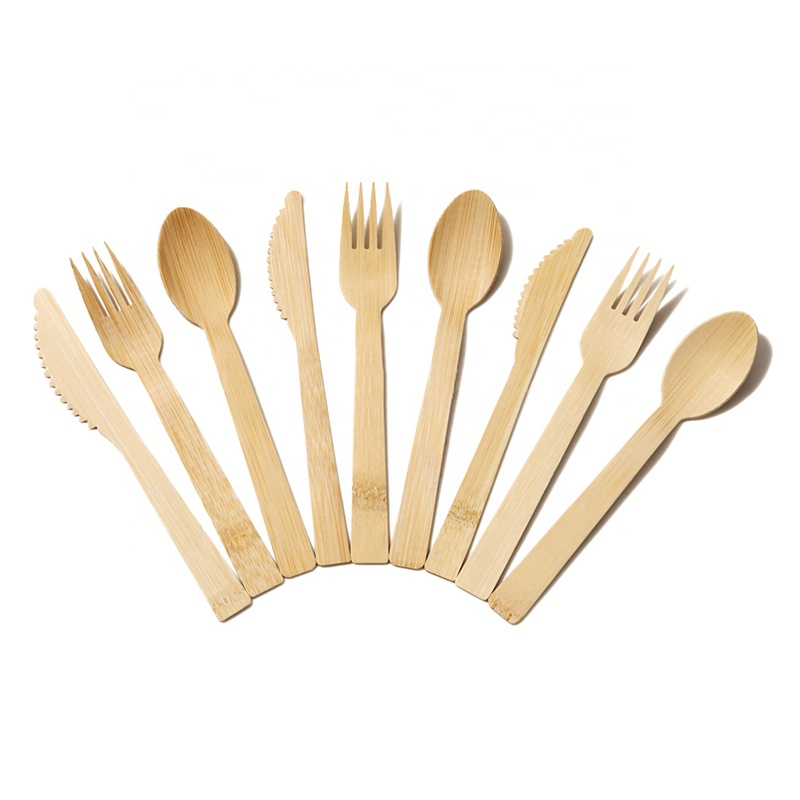
Buyers can browse bamboo cutlery, bamboo chopsticks, bamboo plates, bamboo toothpicks, and bamboo ice cream sticks directly.
Is Bamboo Cutlery Heat-Resistant Enough for Hot Soups and Warm Takeaway Meals?
Yes. Bamboo cutlery is naturally heat-resistant and handles hot food temperatures comfortably — typically up to 85–100°C. It won’t warp or soften in hot soups, stews, or warm takeaway containers the way plastic cutlery can. Certified bamboo cutlery is rated safe for direct contact with hot foods at these temperatures.
What Is the Difference Between Bamboo Cutlery and Wooden Cutlery — Which Is Stronger?
Bamboo has a higher tensile strength than most softwoods and many hardwoods, which is why it’s sometimes called “plant steel.” That nickname is a simplification worth unpacking: bamboo’s tensile strength runs around 28,000 psi, while steel ranges from 36,000–70,000 psi in absolute terms — bamboo only comes out ahead of steel when strength is measured per unit of weight, not head-to-head.
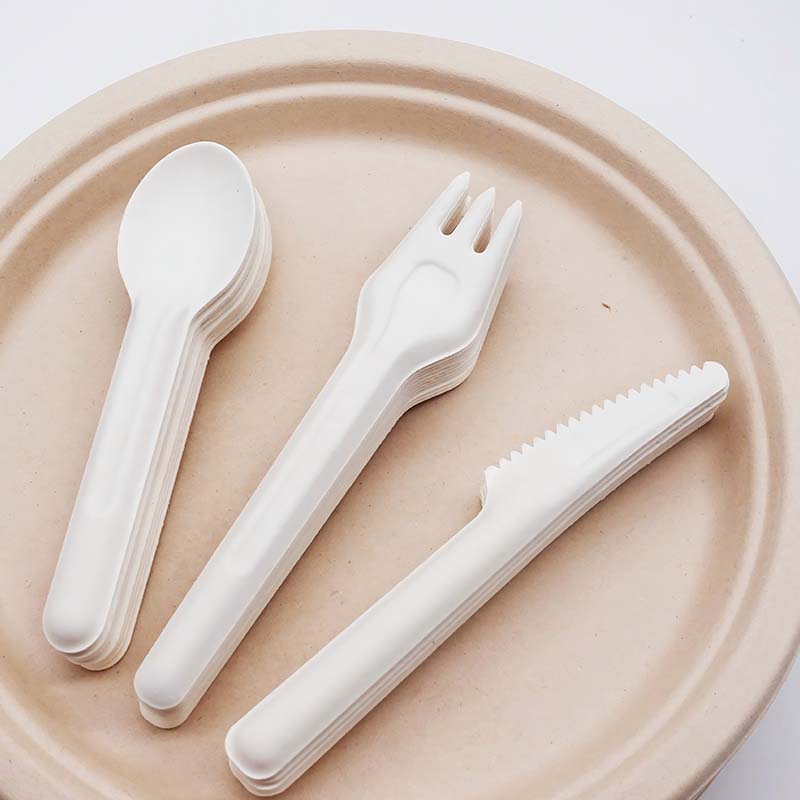
For cutlery specifically, the more useful comparison is bamboo versus birch wood:
- Bamboo cutlery is lighter, smoother, and more resistant to moisture absorption than most wooden alternatives.
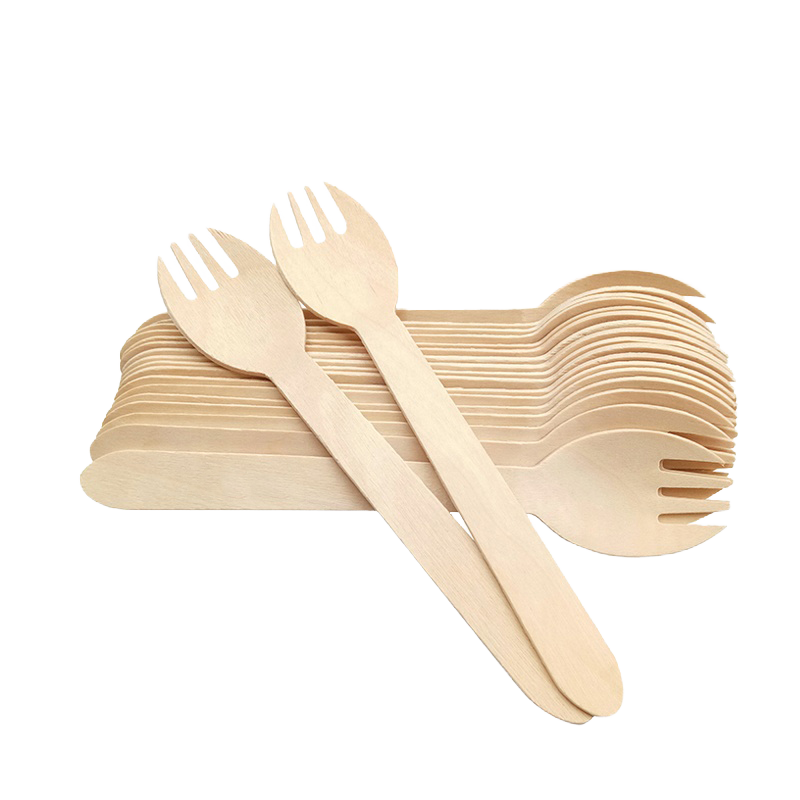
- Birch wood cutlery is a strong second choice, widely used for single-use catering.
- Bamboo holds an edge in durability for high-volume foodservice; birch wood is often more cost-competitive at very high volumes.
How Long Are Bamboo Skewers Available In, and Can Custom Sizes and Shapes Be Ordered?
Bamboo skewers are typically available in standard lengths from 15cm to 40cm, with 20cm, 25cm, and 30cm being the most common. Tip styles include pointed single tip, double pointed, and knotted. Custom sizes and tip configurations can be ordered for private label or specific catering applications.
Should Bamboo Skewers Be Soaked Before Grilling, and Can They Be Reused?
Soaking bamboo skewers in water for 20–30 minutes before grilling is recommended to reduce the risk of charring or catching fire on open grill grates. Bamboo skewers are technically single-use products; reusing them after grilling isn’t recommended for food safety reasons, since they absorb fats and juices during cooking.
Also read – bamboo and wooden tableware certifications
Are Bamboo Straws Better Than Paper Straws — Do They Go Soggy in Drinks?
Bamboo straws are significantly better than paper straws in durability. Paper straws are notorious for going soggy in 15–30 minutes in cold drinks, which is the primary consumer complaint about paper straw alternatives. Bamboo straws maintain their structure throughout a drink, have a neutral taste, and are genuinely reusable. For event and restaurant use, bamboo straws offer a premium natural aesthetic alongside better performance.
This durability gap matters beyond taste preference: the EU’s Single-Use Plastics Directive banned plastic straws across all member states from July 2021, and paper is only one compliant natural-fiber alternative — bamboo is another, with the added advantage of reusability that paper doesn’t offer.
What Is the Difference Between Bamboo Chopsticks and Wooden Chopsticks for Restaurant Use?
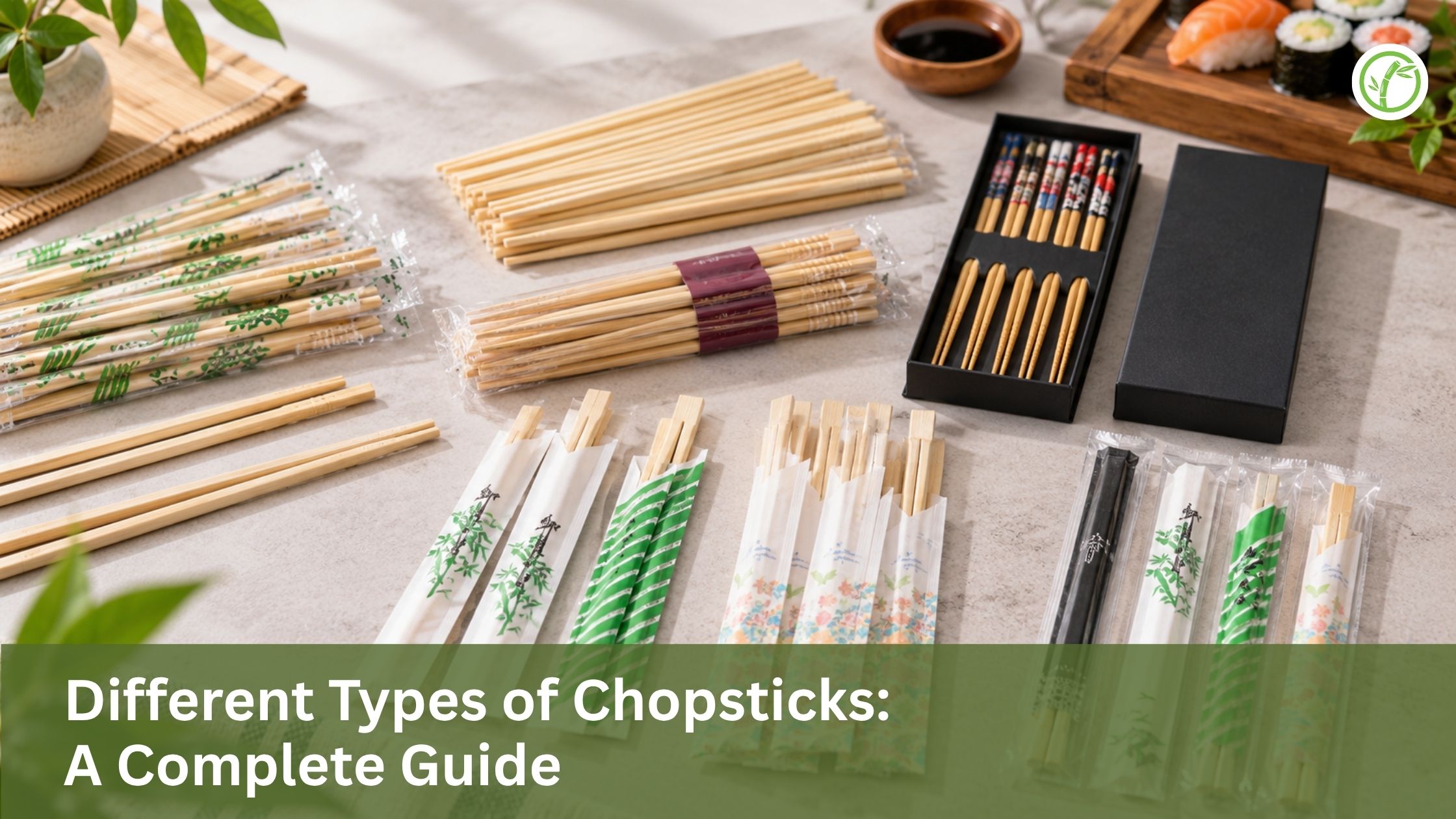
Bamboo chopsticks are lighter, smoother-surfaced, and more resistant to splintering than most wooden chopsticks. They are the standard choice across Asian restaurants globally for both hygiene (a smooth surface is easier to keep clean) and texture. Wooden chopsticks tend to have a rougher surface that can feel less refined for premium restaurant use, but are a lower-cost option for very high-volume catering.
Are Bamboo Chopsticks Suitable for Single-Use Restaurant Supply and Bulk Catering?
Yes. Bamboo chopsticks are supplied in bulk wholesale quantities for restaurant and catering use. Single-use individually wrapped chopstick pairs (with paper sleeves) are the standard restaurant format, and bulk catering formats in polybags are available for high-volume kitchens.
Are Bamboo Plates Sturdy Enough for Hot Food, Sauces, and Greasy Meals?
Yes. Bamboo plates are designed for food service use and handle hot food, sauces, and oily or greasy meals without warping or leaking. They are significantly more rigid than paper plates and hold their structure better than most single-use alternatives.
Can Bamboo Cocktail Picks and Party Skewers Be Custom-Branded with Logos?
Yes. Logo engraving on bamboo products is available as part of custom branding and private label service. Cocktail picks and party skewers can be laser-engraved with brand logos — a popular choice for cocktail bars, hotels, and catering brands looking for premium branded presentation.
Also read – wholesale bamboo disposable products
Bamboo vs. Wood vs. Paper: What the FAQs Above Show at a Glance
| Product | Bamboo Advantage | Where the Alternative Still Competes |
| Cutlery | Lighter, smoother, more moisture-resistant than wood | Birch wood is more cost-competitive at very high volumes |
| Chopsticks | Smoother surface, more splinter-resistant than wood | Wooden chopsticks are lower-cost for very high-volume catering |
| Straws | Holds structure for hours vs. paper’s 15–30 minutes, reusable | Paper is the lower-cost single-use compliant option |
| Plates | More rigid than paper, handles hot/oily food without leaking | Paper remains cheaper for very low-cost, low-durability needs |