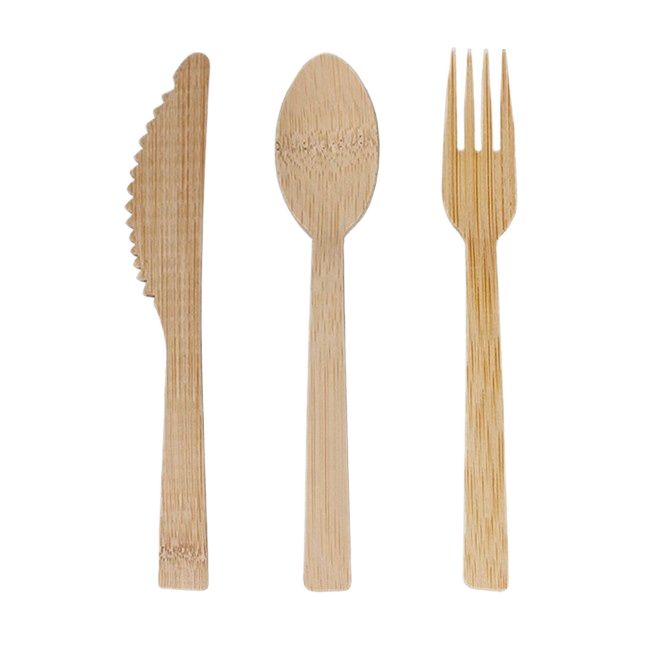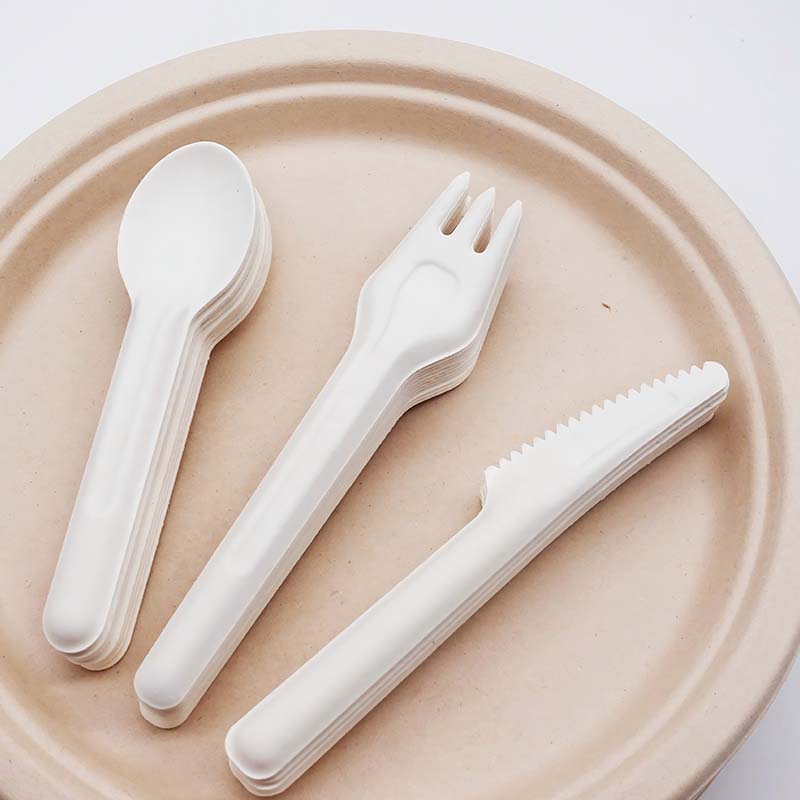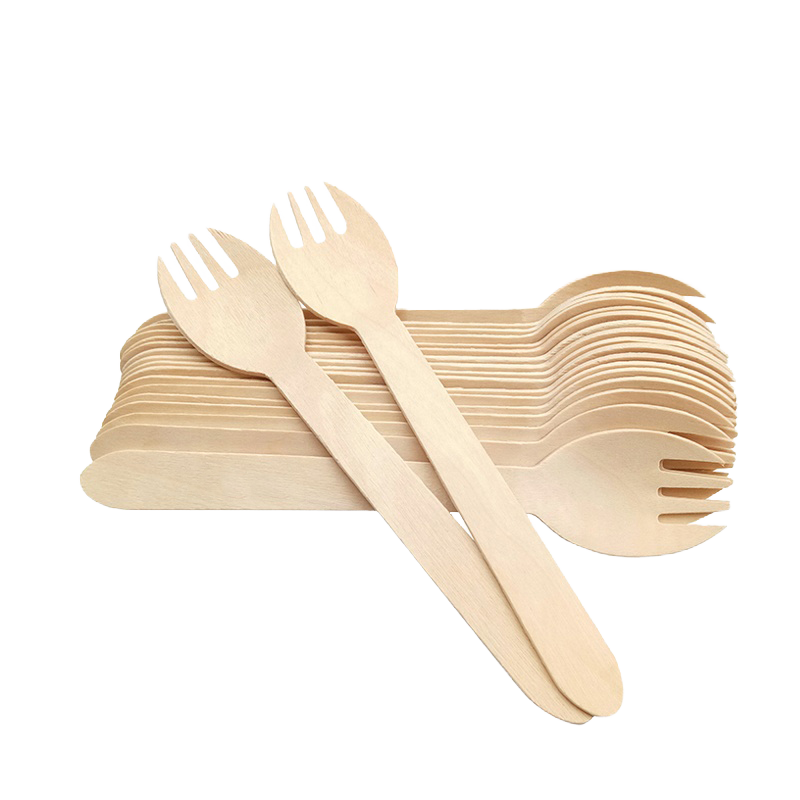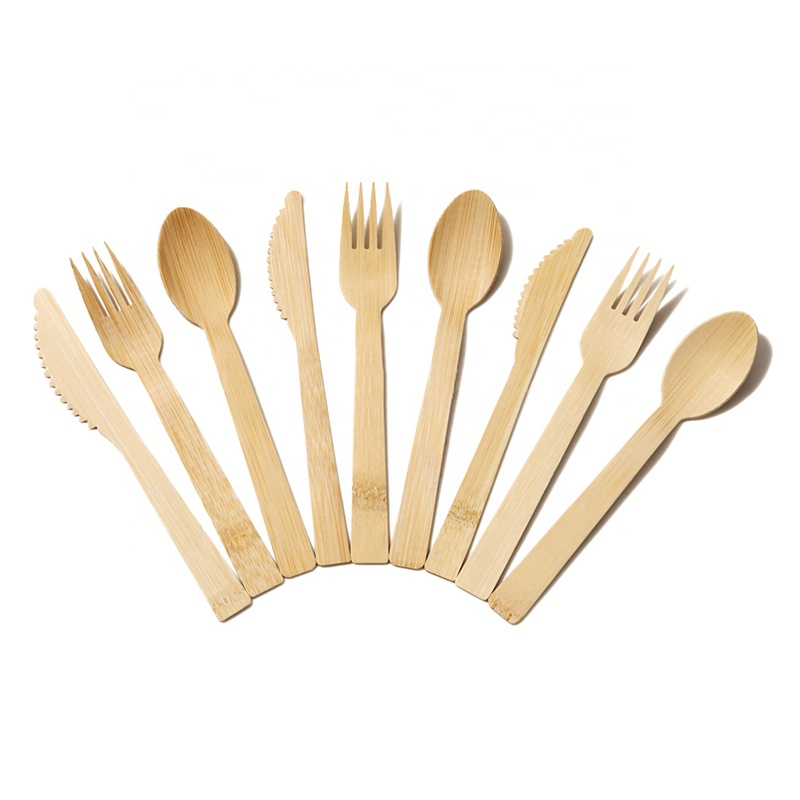
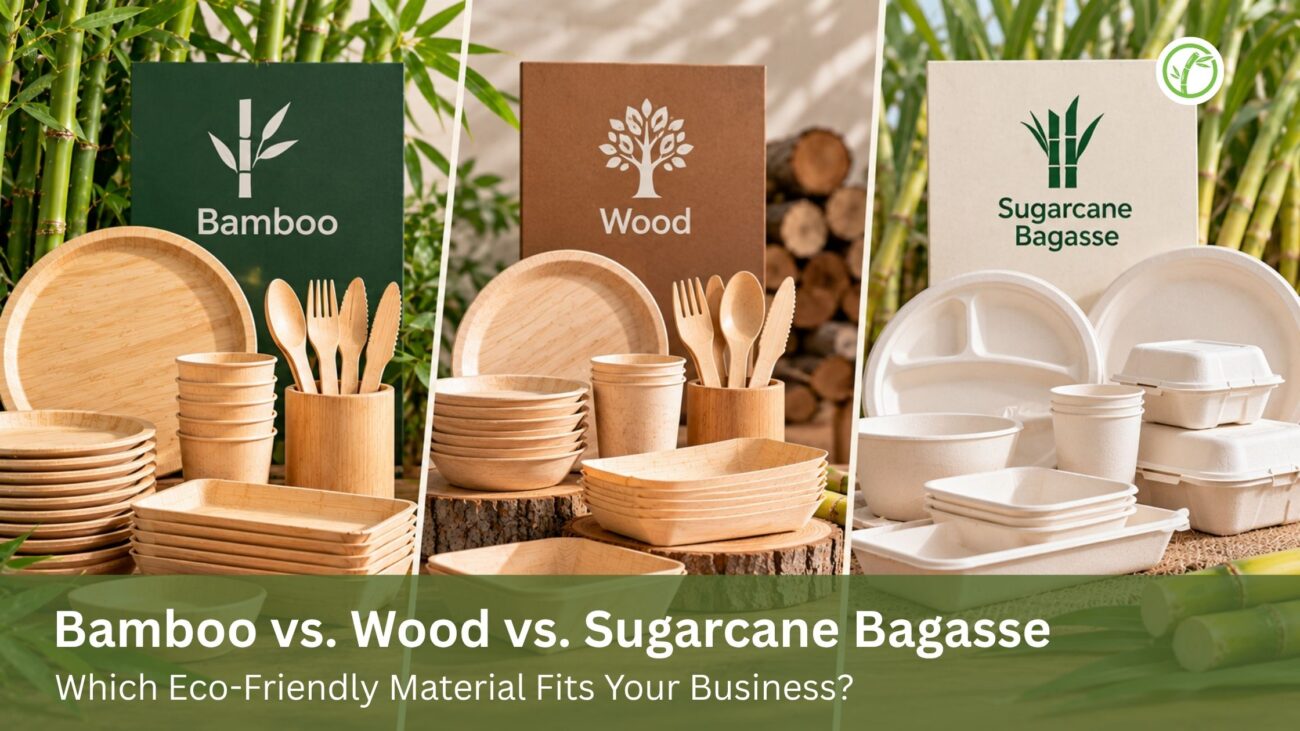
Bamboo vs. Bagasse vs. Wood? Bamboo is the strongest and most premium-looking of the three; bagasse is the cheapest and best suited to high-volume takeaway; and wood sits in between, closer to bamboo in appearance but generally reserved for cutlery and smaller items rather than full tableware ranges. All three are genuine plastic replacements driven by the same regulatory pressure single-use plastic bans and tightening green-claims rules but they aren’t interchangeable, and picking the wrong one for your service style is a more common mistake than picking an uncertified supplier.
Quick Comparison Table – Bamboo vs. Bagasse vs. Wood
| Factor | Bamboo | Bagasse | Wood |
| Raw material | Bamboo culm/stalk (grass) | Sugarcane fiber (mill byproduct) | Tree wood, typically birch |
| Renewal speed | Matures in 3–5 years | Continuous agricultural byproduct | Slower-growing than bamboo |
| Relative cost | Highest | Lowest | Mid-range |
| Heat resistance | Up to 200°C | Up to 120°C | Moderate, product-dependent |
| Best suited to | Plates, bowls, boards, cutlery, straws | Plates, bowls, boxes, cups, trays | Primarily cutlery, some boards |
| Visual character | Warm grain, premium feel | Clean, uniform, functional | Similar warmth to bamboo, smoother finish |
| Typical business fit | Hotels, fine dining, branded hospitality | QSR, delivery, institutional food service | Cutlery-focused menus, mixed with other materials |
What’s the Difference Between These Three Materials (Bamboo vs. Bagasse vs. Wood)?
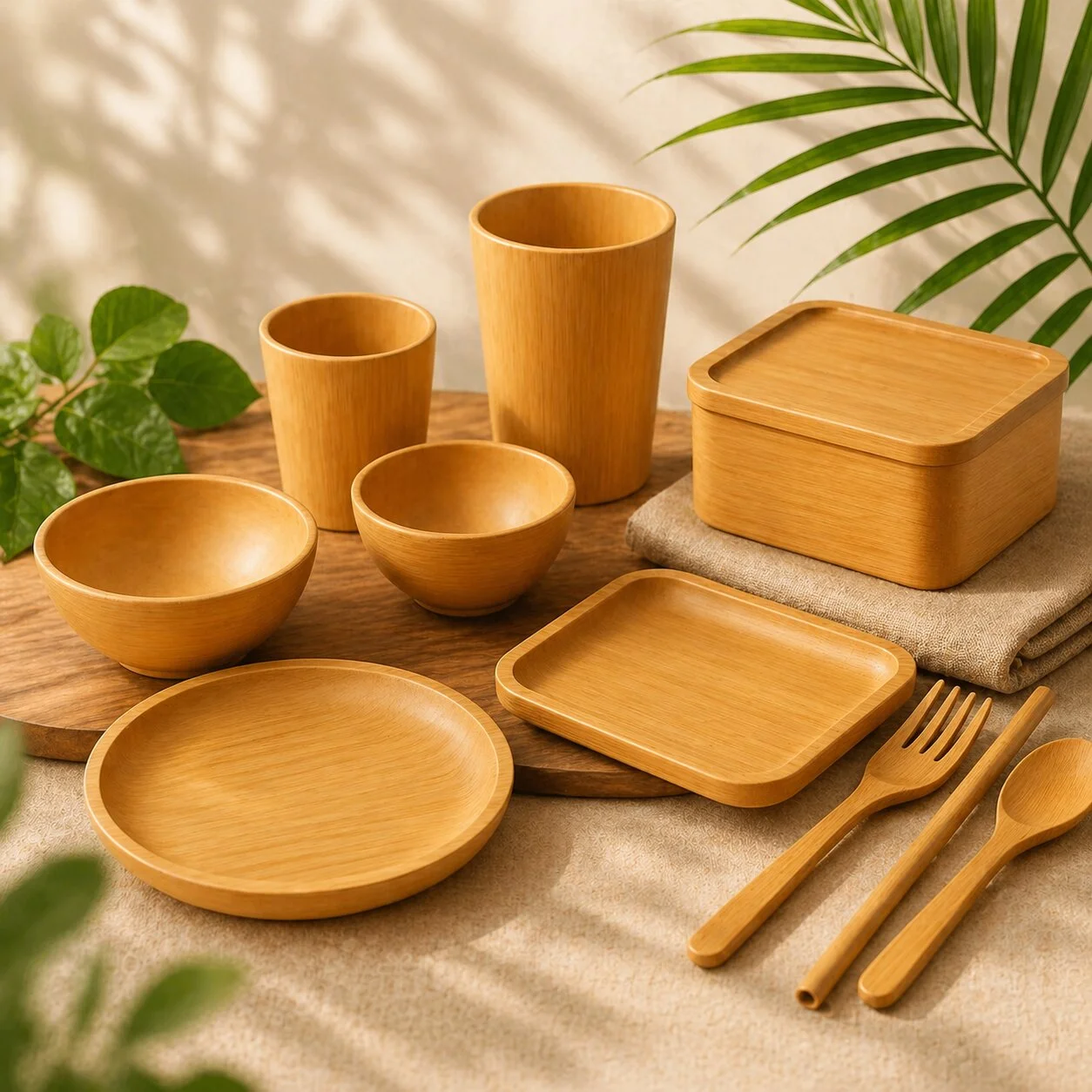
- Bamboo is botanically a grass, not a tree, which is why it regenerates so quickly; most commercial bamboo matures in three to five years, far faster than hardwood. It’s cut, sanded, or pressed into everything from plates and bowls to straws, chopsticks, and cutlery, and it’s one of the three most often positioned as the premium option.
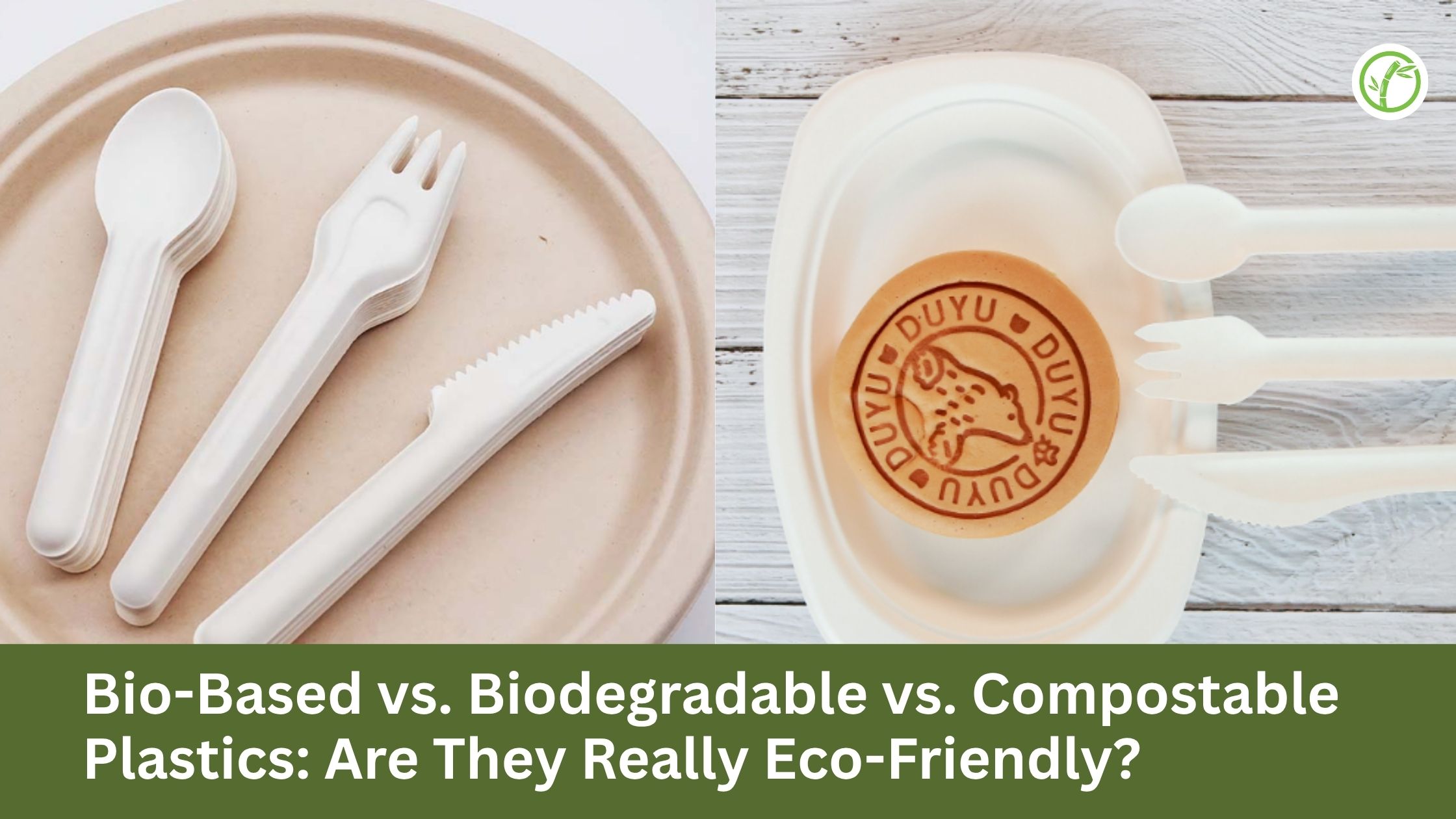
- Bagasse is the fibrous pulp left over after sugarcane is crushed for juice, genuine agricultural waste rather than a purpose-grown crop. It’s molded under heat into a uniform, functional shape and priced to compete directly with paper and foam on cost per unit.
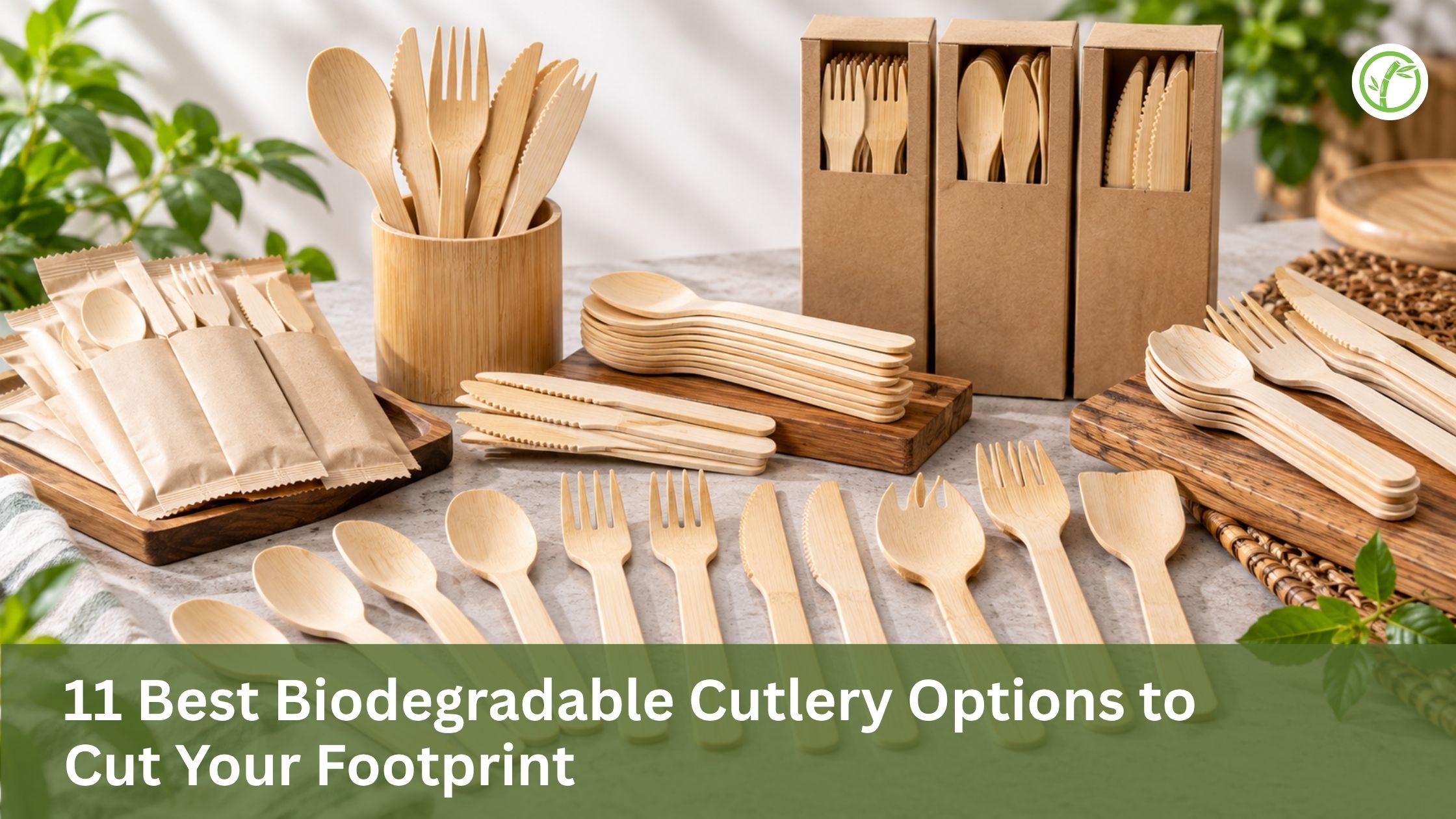
- Wood — typically birch for disposable cutlery is the most familiar material of the three, and the one most consumers already associate with “eco-friendly” cutlery specifically, though wood is used far less often than bamboo or bagasse for full tableware ranges like plates and bowls.
Bamboo: Best for Premium Presentation and Reusable Formats
Between Bamboo vs. Bagasse vs. Wood, Bamboo is the strongest and most rigid of the three materials, which is why it’s the only one commonly sold in genuinely reusable, hospitality-grade formats alongside its disposable line. It handles heat up to roughly 200°C without softening, resists oil and grease structurally rather than through a coating, and its natural grain means every piece looks subtly different a detail that reads as premium on a buffet or in styled food photography rather than as inconsistency.
That strength and finish come at a cost: bamboo generally carries the highest per-unit price of the three materials, and it isn’t typically designed as a microwave-safe reheating container the way bagasse is. Businesses building a branded, dine-in-facing experience hotels, event caterers, fine dining, wedding and hospitality suppliers tend to get the most value from bamboo specifically because the visual and structural upside justifies the price. Buyers exploring this route can compare bamboo plates, bowls, boards, and cutlery directly to see how the pricing scales with order volume before committing to a full product line.
Bagasse: Best for High-Volume, Cost-Driven Food Service
Bagasse’s core advantage is what it’s made from: it turns a sugar-mill byproduct into a functional product rather than requiring new cultivation, and it’s priced accordingly, generally the cheapest of the three materials at wholesale volume. It’s also microwave-safe, which bamboo generally isn’t marketed for, making it a practical fit for anywhere food gets reheated directly on the serving container.
The trade-off is a lower heat ceiling (around 120°C versus bamboo’s 200°C) and a plainer, more uniform appearance that doesn’t carry the same premium visual signal. For quick-service restaurants, school and hospital food service, and any high-volume takeaway or delivery operation where cost per serve is the deciding factor, bagasse is usually the more defensible default; the plate is a functional container in that context, not part of the guest experience.
Wood: A Familiar Material, Mostly for Cutlery
Wood, almost always birch, for disposable products occupies a narrower role than bamboo or bagasse in most catalogs. It’s the dominant material for disposable cutlery specifically, where its density and low splinter risk make it a reliable, inexpensive option, but it’s much less commonly used for full plate and bowl ranges the way bamboo and bagasse are. When wood does appear in tableware beyond cutlery, it’s typically in boards, trays, or smaller accent pieces rather than as a primary plate material.
For a business already sourcing bamboo tableware, adding wood specifically for cutlery is a common and practical combination, since the two materials share a similar warm visual tone and can be certified and sourced through the same supply chain without the aesthetic mismatch that pairing bamboo plates with plastic cutlery would create.
Sourcing All Three From One Supplier
Because most businesses end up using more than one of these materials across different parts of their menu or product line, sourcing bamboo, bagasse, and wood from a single certified manufacturer avoids the coordination overhead of managing three separate supplier relationships with three separate certification stacks. FriendlyBamboo manufactures across all three materials — bamboo plates, bowls, and tableware, bagasse plates and bagasse bowls, and wooden plates, alongside bamboo cutlery for pairing with any of the three, all with FSC, FDA, and LFGB documentation available per product line. Businesses weighing which material fits their menu can request a bulk quote across multiple materials in one enquiry rather than sourcing each separately.
Side-by-Side: Strength, Heat, and Everyday Performance
| Factor | Bamboo | Bagasse | Wood |
| Rigidity under load | Highest | Moderate — holds a full meal without folding | Moderate to high, product-dependent |
| Oil/grease resistance | Excellent, structural | Good, structural | Good for cutlery use case |
| Microwave safe | Not typically | Yes, commonly rated | Not typically |
| Compost window | 90–180 days | 60–90 days | Varies, generally in a similar range to bamboo |
| Product range breadth | Widest — plates, bowls, boards, cutlery, straws, chopsticks | Wide — plates, bowls, boxes, cups, trays | Narrowest — mostly cutlery, some boards |
Which Should Your Business Choose?
- Choose bamboo if presentation is part of what you’re selling — hotels, event catering, fine dining, or any branded hospitality setting where the plate itself contributes to the guest experience.
- Choose bagasse if you’re running high-volume takeaway, institutional food service, or delivery, where cost per serve and microwave compatibility matter more than visual premium.
- Choose wood primarily for cutlery, especially when it needs to visually match a bamboo plate or bowl line — the two pair naturally and are often sourced from the same supplier.
- Many operations mix all three — bamboo plates and boards for dine-in presentation, bagasse containers for takeaway, and wood cutlery running across both, rather than standardizing the entire menu on a single material.
Frequently Asked Questions
Bagasse is generally the least expensive of the three at wholesale volume, since it’s made from an existing agricultural byproduct rather than a dedicated crop. Bamboo typically carries the highest price due to its processing and premium positioning, with wood usually falling in between, depending on the specific product.
Bamboo has a higher heat ceiling (up to roughly 200°C versus bagasse’s 120°C) and resists oil structurally, without a coating. Bagasse performs well for most standard hot food service too, and its microwave-safe rating gives it a practical edge for reheating that bamboo generally doesn’t offer.
Yes, and it’s common practice. A typical combination is bamboo for dine-in plates and presentation pieces, bagasse for takeaway and delivery containers, and wood for cutlery across both — matched to how each part of the menu is actually served rather than standardized on one material throughout.
The certification categories are the same regardless of material — FSC or equivalent for sourcing, BPI or OK Compost/EN 13432 for compostability, and FDA or LFGB for food-contact safety — but the specific certificate numbers and documentation are product- and supplier-specific, so each material and product line should be verified independently rather than assumed to share one certificate.