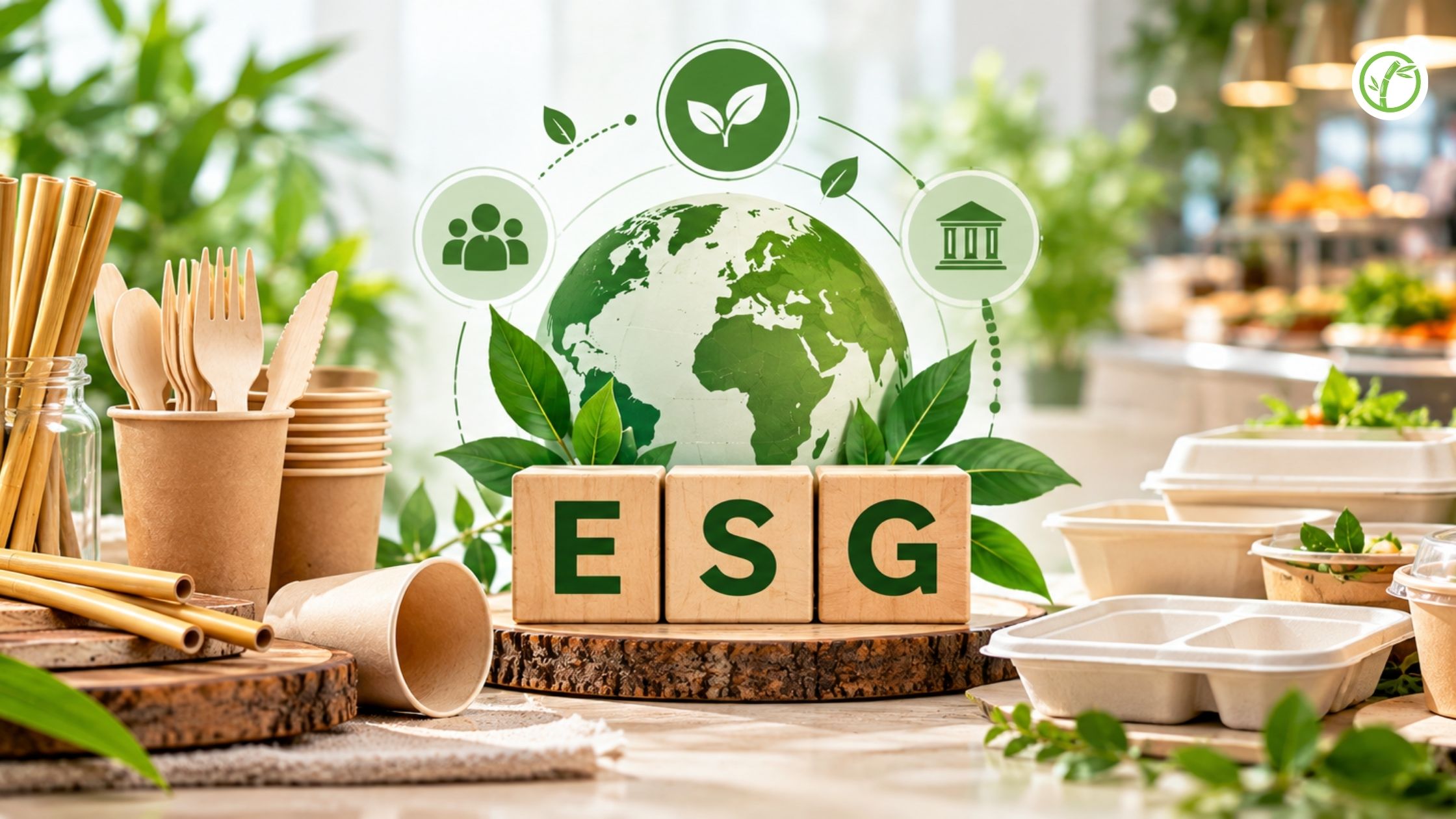
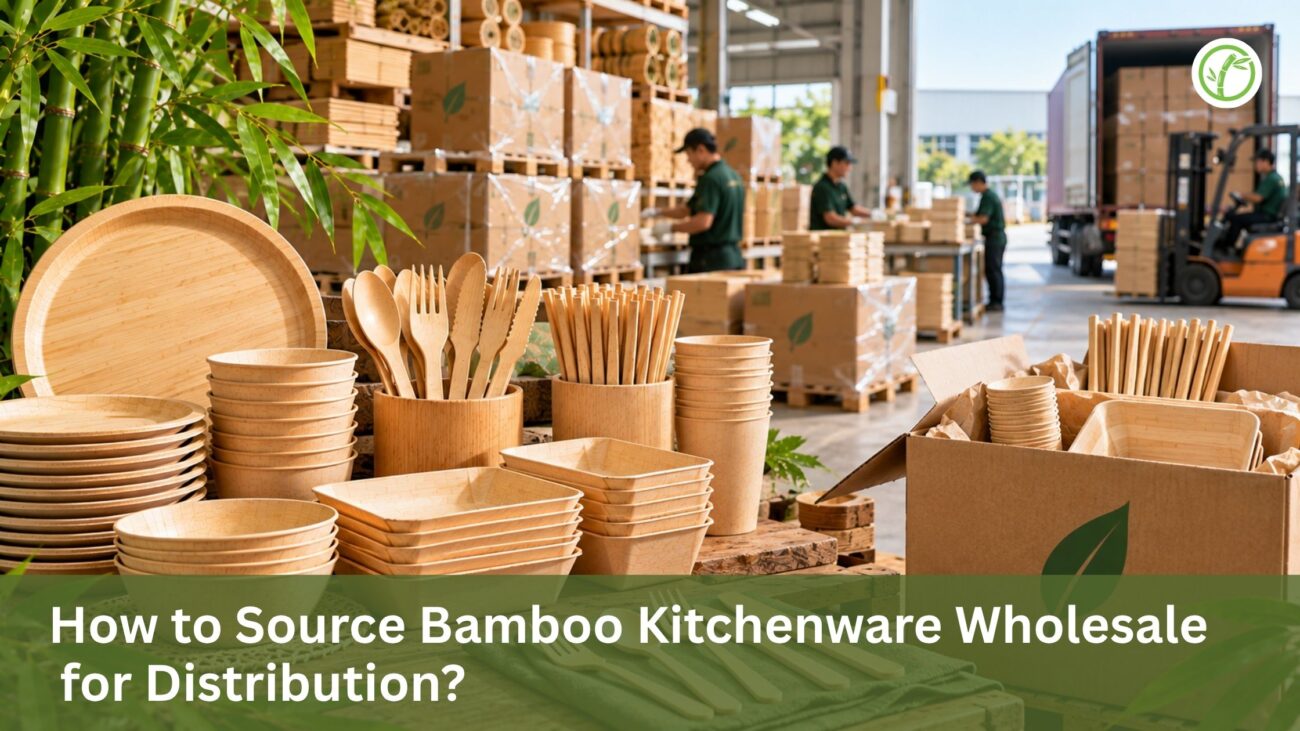
Sourcing bamboo kitchenware wholesale for distribution starts with one decision: work directly with a manufacturer, not a trading company. This guide walks through every step from defining your product range and vetting suppliers to placing your first container order with Friendly Bamboo as the recommended manufacturer for distributors entering or scaling into this category.
Why Is Bamboo Kitchenware a Strong Distribution Category in 2026?
The global bamboo kitchenware market is projected to grow from USD 6.5 billion in 2026 at a consistent pace through the decade. Three forces are driving distributor demand simultaneously: regulatory pressure pushing businesses away from plastic, consumer demand for natural and sustainable home products, and retailer-led ranging shifts that now treat bamboo as a mainstream SKU rather than a specialty product.
The biodegradable cutlery wholesale market alone is growing fast, with demand from restaurants, catering companies, hotels, airlines, and corporate food service is expanding at the same time as retail eco-aisles establish bamboo tableware as a permanent fixture. For distributors, this means a category with multiple sales channels rather than dependence on a single buyer type.
Eco-conscious consumers have tipped past 50% of the purchasing population in the US, UK, and EU. Direct-to-consumer margins on bamboo kitchenware range from 40–60%. Wholesale strategies complement this with volume and retail shelf presence. Both channels are open to distributors who build the right product range with the right supplier.
Step 1: Define Your Product Range Before You Source
The most common mistake new bamboo kitchenware distributors make is starting with a supplier instead of starting with a product strategy. Defining your range first determines which manufacturer you need, what certifications matter, and what MOQs you can realistically commit to.
Which Bamboo Kitchenware Categories Are Best for Distribution?
The highest-volume, most consistently demanded categories for bamboo kitchenware distribution are:
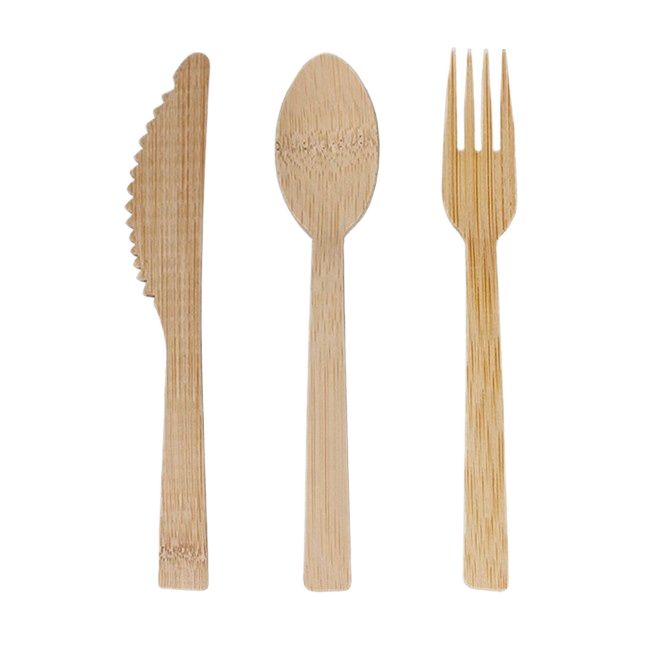
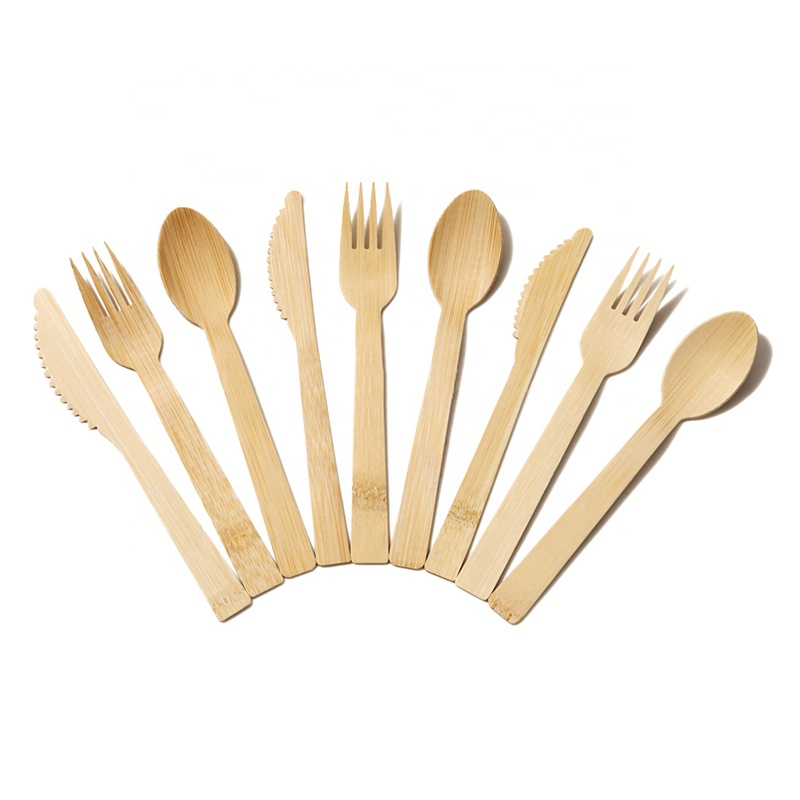
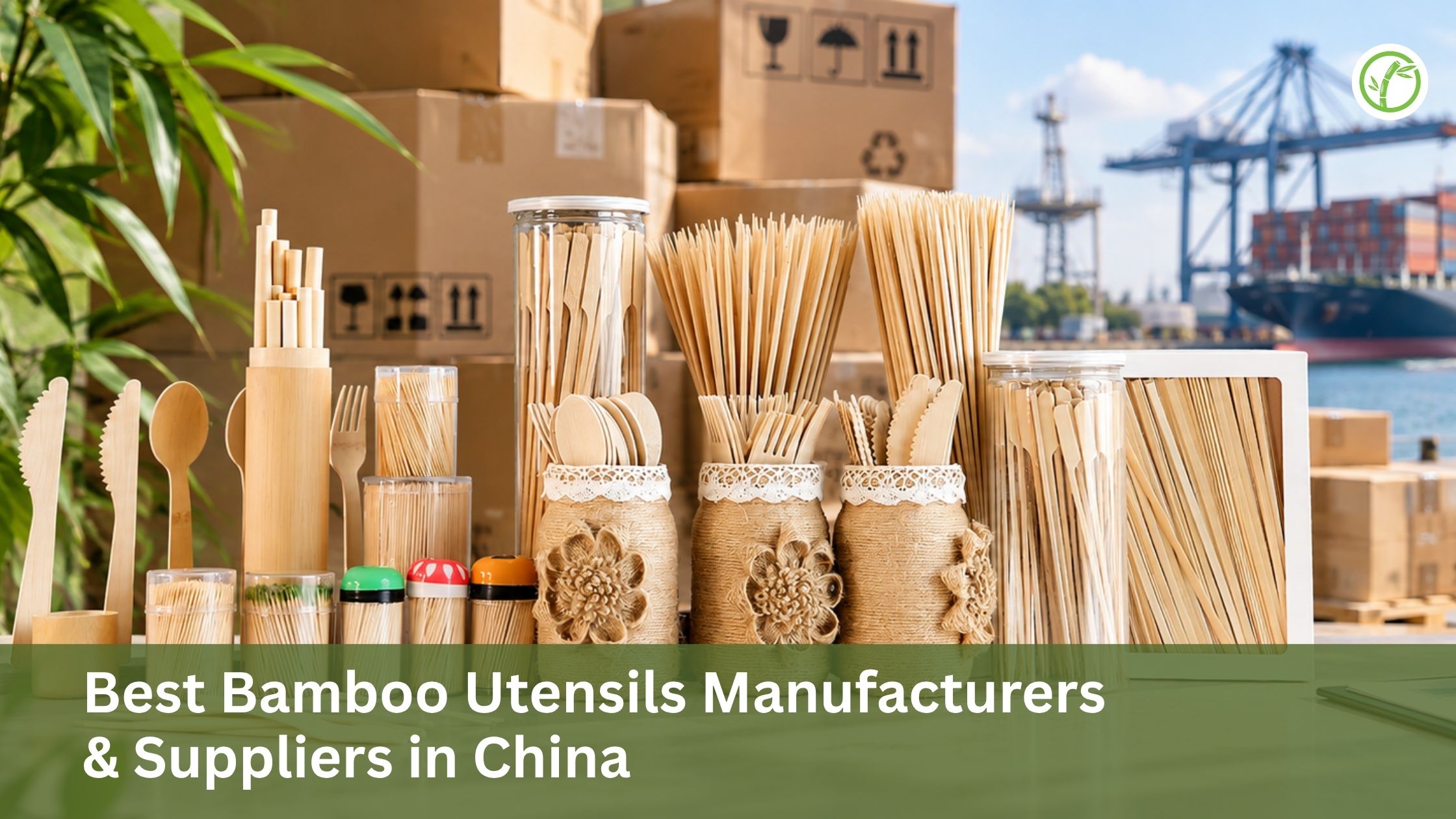
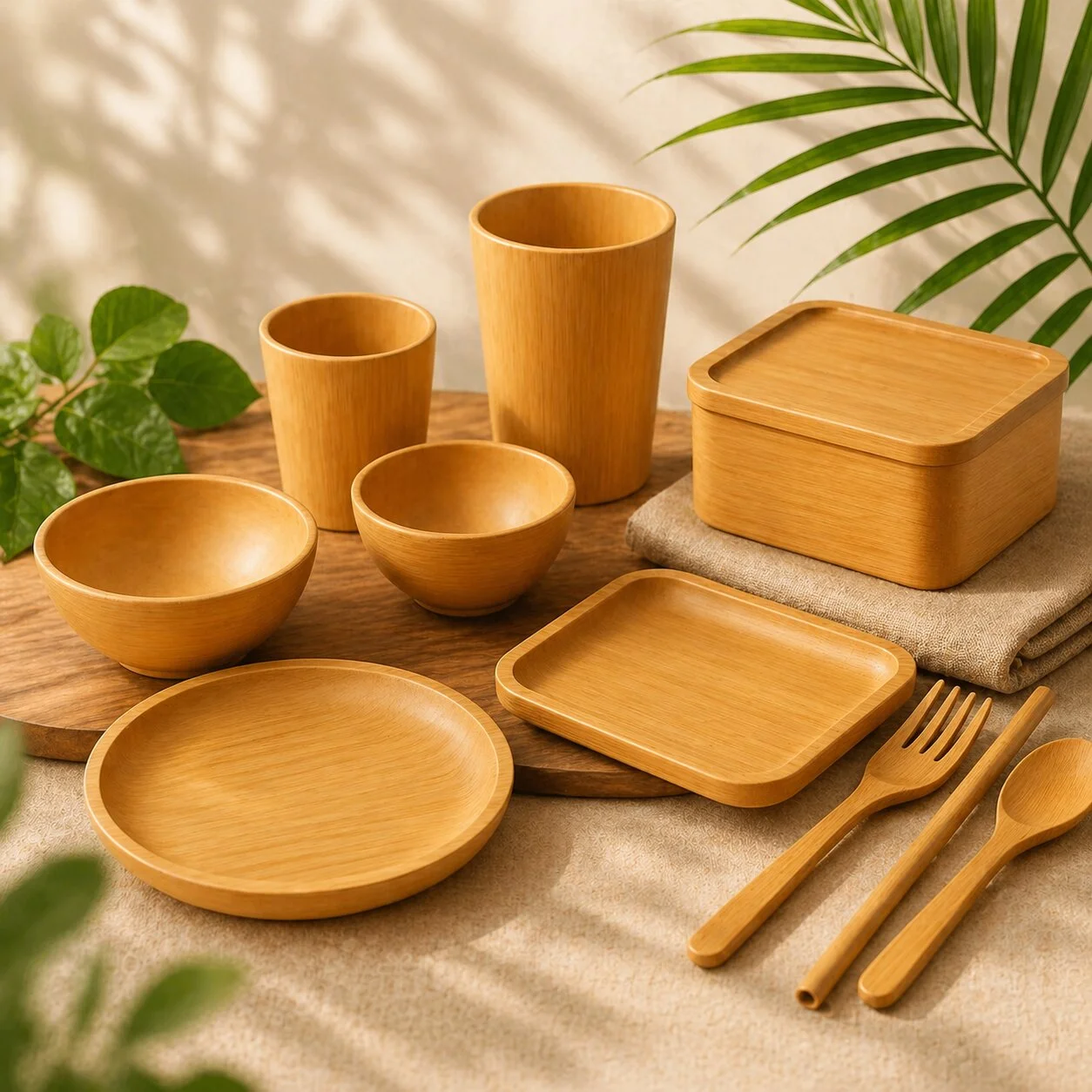
Disposable tableware and cutlery — the fastest-moving category. Bamboo forks, knives, spoons, and sporks for restaurants, catering, hotels, and retail. Bamboo cutlery is the single most commonly sourced bamboo kitchenware item globally. Add bamboo plates and wholesale bamboo tableware sets for a complete table-service range.
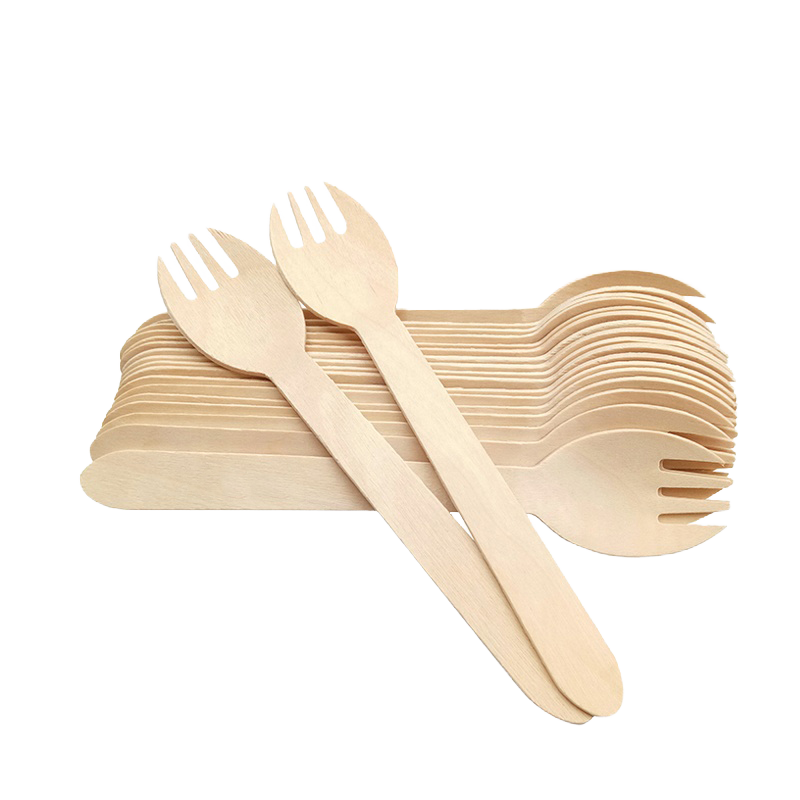
Wooden cutlery — the most cost-effective eco-cutlery option. Wooden cutlery from birch is higher in rigidity than bamboo and lower in per-unit cost — the practical default for high-volume foodservice supply. Complement with wholesale wooden tableware for a full wooden range.
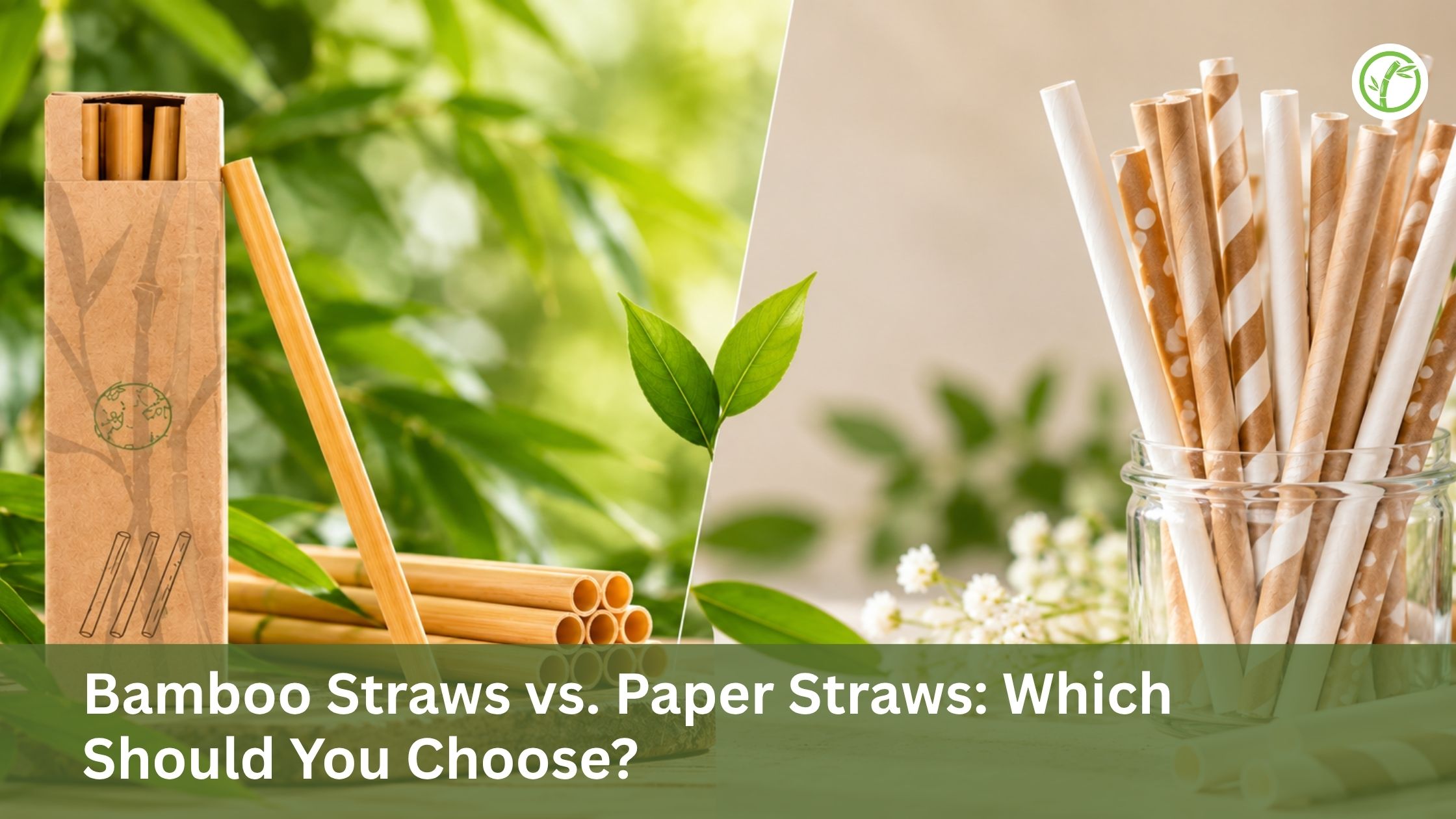
Straws — a high-turn, repeat-purchase category with strong retail and hospitality demand. Bamboo straws, reed straws, and wheat straws each serve different aesthetic and price points within the same customer base.
Chopsticks — a growing mainstream category as Asian cuisine expands beyond specialist retailers. Sushi chopsticks, tensoge chopsticks, and twin chopsticks are all available in bulk formats for foodservice and retail distribution.
Bar and catering accessories — cocktail picks, skewers, and coffee stirrers round out a complete hospitality supply range. Cocktail picks, flat bamboo skewers, and bamboo coffee stirrers are all high-velocity items with hotel, bar, and catering buyers.
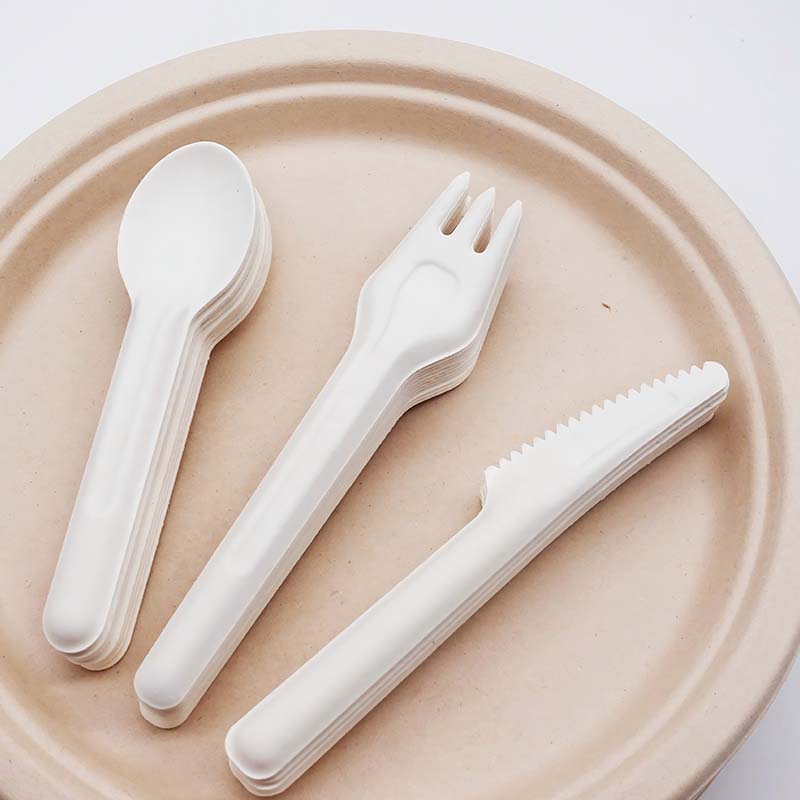
Bagasse tableware — bagasse plates, containers, and bowls complement a bamboo range for distributors supplying the takeaway and food delivery sector. Bagasse handles heat, oil, and liquid better than bamboo for hot food applications.
Choosing Your Sales Channels First
Your sales channels determine your product specifications, packaging requirements, and certifications needed. Decide which channels you’re targeting before you place an order:
- Foodservice wholesale / cash-and-carry → bulk unbranded product, high MOQ, lowest per-unit cost
- Grocery retail/eco aisles → retail-ready multipacks with barcodes, FSC badge, compostability claims
- Online / D2C → smaller pack sizes, strong packaging design, high margin potential
- Hospitality supply → mixed product range, consistent reorder volumes, relationship-driven
- Corporate gifting/events → premium bamboo presentation, custom branding, lower volume
Also read – Which bamboo manufacturer exports to USA and Europe?
Step 2: Understand the Sourcing Models Available
Three sourcing models exist for bamboo kitchenware. Each has different cost, risk, and control profiles.
Direct Manufacturer (Recommended)
Working directly with a manufacturer like Friendly Bamboo eliminates intermediary margins, gives you access to original factory certifications, and puts quality accountability in the same place as production. For distributors building a recurring supply chain, this is the only model that delivers sustainable margin at scale.
Direct manufacturer advantages:
- Factory pricing, no 10–20% trading company markup
- Original certifications (FSC, food-contact, compostability), not agent-level documents
- Custom branding and OEM access, private label negotiated directly with production
- Single point of accountability for quality, lead time, and documentation
Trading Company
Trading companies aggregate products from multiple factories and resell to buyers who need diverse product mixes without the complexity of managing multiple manufacturer relationships. They add 10–20% to ex-works pricing and typically provide their own documentation rather than original factory certifications a meaningful limitation for buyers whose retail customers require verifiable third-party certification.
Trading companies are useful for small initial orders or buyers needing very diverse product mixes. For distributors building volume in specific categories, the margin and certification disadvantage outweighs the convenience.
Wholesale Platforms (Alibaba, Made-in-China.com)
Trade platforms list thousands of bamboo product suppliers but require thorough vetting, factory audits, sample testing, and certification verification before committing to volume orders. The risk of receiving non-compliant, poorly documented, or inconsistent-quality products is highest through platform sourcing without a prior relationship or audit.
For distributors new to bamboo kitchenware who want to start with a vetted direct manufacturer rather than platform-sourcing risk, which supplier offers wholesale bamboo products for distributors is a practical starting point.
Step 3: Vet Your Manufacturer Properly
Regardless of which supplier you approach, the vetting process is non-negotiable. These are the questions every serious distributor should ask and the red flags to watch for.
Certification Verification Checklist
Request original copies (PDF, not screenshots) of:
- FSC certificate — confirms responsible bamboo/wood sourcing. Check that the certificate holder’s name matches the factory name, not an agent. Verify the certificate number at info.fsc.org.
- Food-contact safety documentation — FDA compliance for US-bound product; food-contact safety test reports for EU/UK markets
- Compostability certification — BPI (US) or OK Compost/EN 13432 (EU/UK) for products marketed as compostable
- Phytosanitary certificate — required for bamboo imports in most markets; confirms freedom from pests
- ISO 9001 — quality management systems certification confirms production consistency
Red flags: supplier refuses to share original PDF certificates; certificate holder name differs from supplier name; certificates are expired or near expiry without renewal documentation.
Factory Capability Questions
- What is your annual production capacity for this product?
- Can you supply certificates of analysis (CoA) for food-contact products?
- What is your QC process at each production stage?
- Can you provide references from existing export customers in my target market?
- What is your lead time from order confirmation to shipment-ready?
Sample Testing Protocol
Never place a bulk order without testing physical samples. Test for:
- Structural integrity — does cutlery bend under pressure? Do plates warp with hot food?
- Surface quality — splinters, rough edges, inconsistent finish
- Dimensional consistency — do items match the stated specifications?
- Packaging quality — does retail packaging meet your target market’s presentation standard?
- Scent — bamboo products should have a neutral or very faint natural scent; strong chemical odours indicate treatment issues
Also read – What is the MOQ for bulk bamboo wholesale orders?
Step 4: Understand Pricing, MOQs, and Total Landed Cost
The biggest pricing mistake distributors make is evaluating bamboo kitchenware on the ex-works unit price alone. Total landed cost the actual per-unit cost once freight, duties, customs, and compliance are factored in is what determines your margin.
What Drives Per-Unit Cost?
- Material — bamboo costs 10–30% more per unit than birch wood, but commands a premium retail price
- Order volume — per-unit price drops significantly as quantity increases; the factory’s setup cost is spread across more units
- Packaging — unbranded bulk product is cheapest; branded retail-ready packaging adds cost but unlocks higher retail pricing
- Customisation — custom sizing, OEM specifications, and private label increase cost but improve margin through retail differentiation
Pricing Strategy for Distribution
Competing on price in bamboo kitchenware is a losing strategy. The mass-market tier undifferentiated products competing on pennies is a race to the bottom with thin or negative margins after shipping, duties, and compliance costs.
The recommended positioning for distributors is mid-premium: FSC-certified product, thoughtful retail packaging, consistent quality. Target retail pricing of 2.5–3.5× landed cost is achievable in this tier with the right supplier and the right packaging. Premium positioning (custom branding, gift-ready packaging, organic certification) can achieve 4–6× landed cost for the right channels.
For a realistic per-unit cost breakdown across bamboo cutlery, plates, straws, and accessories, how much it costs to import bamboo products from China gives category-level benchmarks before you request formal quotes. And for distributors looking to understand factory-level pricing, where to buy bulk bamboo products at factory price is directly relevant.
Step 5: Navigate Import Compliance for Your Market
Import compliance for bamboo kitchenware varies by destination market. Getting this wrong causes customs delays, shipment rejections, and retail contract failures.
US Market
US buyers face Section 301 tariffs of 25% on Chinese-origin bamboo products in addition to standard import duties. This is a significant landed-cost factor that must be built into your pricing model from the start — ignoring it is the most common financial mistake new US bamboo distributors make.
Food-contact bamboo products require FDA compliance documentation. Phytosanitary certificates are required for all bamboo imports. Products marketed as compostable must meet ASTM D6400 and comply with FTC Green Guides requirements on environmental claims.
UK Market
The UK’s single-use plastics ban covers cutlery, straws, and plates, making bamboo alternatives a compliance-driven purchase for food businesses. UK food-contact safety requirements mirror EU REACH standards post-Brexit. The UK Green Claims Code (CMA-enforced) requires verifiable substantiation for eco-claims on packaging.
EU Market
EU bamboo imports are subject to REACH chemical safety requirements for food-contact products. EN 13432 is the relevant compostability standard. The EU Single-Use Plastics Directive has driven strong demand for bamboo tableware across foodservice and retail channels. FSC certification is increasingly required by major EU retailers.
For a complete walkthrough of the import documentation and logistics process, including how to import eco-friendly products from China and how to import disposable tableware from China, covers both markets end-to-end.
Step 6: Structure Your First Order With Friendly Bamboo
For distributors ready to place their first wholesale order, here is how to structure the process with Friendly Bamboo for the most efficient outcome.
Start with a multi-product sample request. Rather than sampling one product at a time, request samples across your intended range — bamboo cutlery, wooden cutlery, bagasse plates, straws in a single sample order. This compresses the evaluation timeline and lets you assess product consistency across a supplier rather than category by category.
Consolidate your first container order. A single container carrying bamboo cutlery, bagasse plates, wooden cutlery, straws, and chopsticks is more cost-efficient than separate small shipments. It also simplifies export documentation one set of paperwork rather than multiple shipments.
Request all certificates at the sample stage. Don’t wait until the production order to ask for certifications. Request FSC, food-contact safety documentation, compostability certificates, and phytosanitary certificate samples at the same time as product samples. This avoids a documentation gap when your first shipment arrives at customs.
Plan your reorder cycle before your first shipment arrives. Sea freight from China to the US takes 20–35 days; to the UK/EU, 28–35 days. Add production lead time (25–40 days), and you’re looking at a 50–75 day cycle from order to delivery. Build your reorder trigger into your inventory planning before the first order ships, not after.
Bamboo Kitchenware Product Range for Distributors: Overview Table
| Product | Material | Distribution Channel | Key Cert | Notes |
| Bamboo cutlery | Bamboo | Foodservice, retail, hospitality | FSC, food-contact | Highest-demand item |
| Wooden cutlery | Birch wood | Foodservice, cash-and-carry | FSC, food-contact | Most cost-effective eco cutlery |
| Bagasse plates | Sugarcane pulp | Takeaway, catering, events | OK Compost | Best for hot food |
| Bamboo plates | Bamboo | Events, retail, catering | FSC, OK Compost | Premium presentation |
| Bamboo straws | Bamboo | Bars, cafes, retail multipacks | FSC, food-contact | No sogginess issue |
| Reed straws | Reed grass | Hospitality, retail | Food-contact | Natural aesthetic |
| Wheat straws | Wheat stems | Retail, events | Food-contact | Gluten-free, home compostable |
| Bamboo chopsticks | Bamboo | Asian food retail, restaurants | FSC, food-contact | Growing mainstream demand |
| Cocktail picks | Bamboo/birch | Bars, hospitality supply | FSC | Easy sustainability swap |
| Bamboo coffee stirrers | Bamboo | Cafes, offices, hotels | FSC, food-contact | Replaces plastic stirrers |
| Bagasse containers | Sugarcane pulp | Food delivery, takeaway | OK Compost | Leak-proof, heat-resistant |
| Bamboo skewers | Bamboo | BBQ retail, catering | FSC | High-volume seasonal item |
Common Sourcing Mistakes to Avoid
Getting bamboo kitchenware wholesale wrong is expensive. These are the mistakes distributors most commonly make and how to avoid them.
Choosing the lowest unit price. A bamboo fork at $0.002 less per unit sounds appealing until the quality fails, the certifications don’t exist, and your retail buyer rejects the shipment. Price is a tiebreaker between qualified suppliers, not a selection criterion.
Skipping sample testing. No amount of supplier assurance replaces physical sample testing. Every new product from every supplier should be tested before a bulk order commitment.
Ignoring total landed cost. Ex-works price is the starting point, not the final cost. Factor in sea freight, import duties (including Section 301 for US buyers), customs clearance, domestic logistics, and compliance testing.
Ordering without verifying certifications. Unverified “FSC-certified” or “compostable” claims on a supplier’s website are not certifications. Request original PDF certificates and verify them independently before accepting them as valid.
Not planning reorder cycles. Running out of stock mid-season because the reorder lead time wasn’t factored in is a distribution failure. Build the 50–75 day China-to-market cycle into your inventory management from day one.
Must read – Which bamboo exporter offers private label packaging?
Email: info@friendlybamboo.com Phone/WhatsApp: +86 139 6502 7483
Explore the full product range:
External sources: Complete Importer’s Guide to Disposable Bamboo Products 2026 – Anzhucraft | Biodegradable Cutlery Wholesale Guide 2026 – Ancheng
FAQ: Sourcing Bamboo Kitchenware Wholesale for Distribution
Bamboo is harder, naturally antimicrobial, and carries a premium positioning that commands a higher retail price — typically 10–30% more per unit than birch wood. Wooden (birch) cutlery is more rigid for dense-food applications and lower in cost, making it the practical default for high-volume foodservice supply. Distributors serving both retail and foodservice channels typically carry both, using bamboo for premium and retail lines and wooden for high-volume catering supply.
The minimum useful order for a direct factory import is typically one 20-foot container (20GP), which spreads freight and documentation costs efficiently across the product. Container loads of bamboo cutlery and tableware typically contain 100,000–500,000 units, depending on product type. For a realistic cost model before requesting a formal quote, how much it costs to import bamboo products from China provides category-level benchmarks.
In most markets, no specific import licence is required for bamboo kitchenware beyond standard import registration. However, food-contact products require compliance documentation (FDA for the US, food-contact safety tests for EU/UK), and bamboo imports require phytosanitary certificates in most markets. Working with a manufacturer that provides full export documentation, like Friendly Bamboo, means these requirements are handled at the factory end rather than scrambled for at customs.
Go directly to info.fsc.org and search the certificate number. Confirm the certificate holder’s name matches the factory name you’re dealing with — not an agent’s name. Check that the certificate is current (not expired) and that the product categories listed on the certificate include the products you’re ordering. A legitimate manufacturer will provide the certificate number proactively; evasion or delay on this request is a red flag.
Yes, and consolidating multiple product lines into one container is strongly recommended for new distributors. It reduces per-unit shipping cost, simplifies export documentation, and allows you to test multiple product categories with a single order. Friendly Bamboo supplies bamboo, bagasse, and wooden products from a single factory, making multi-product container consolidation straightforward.