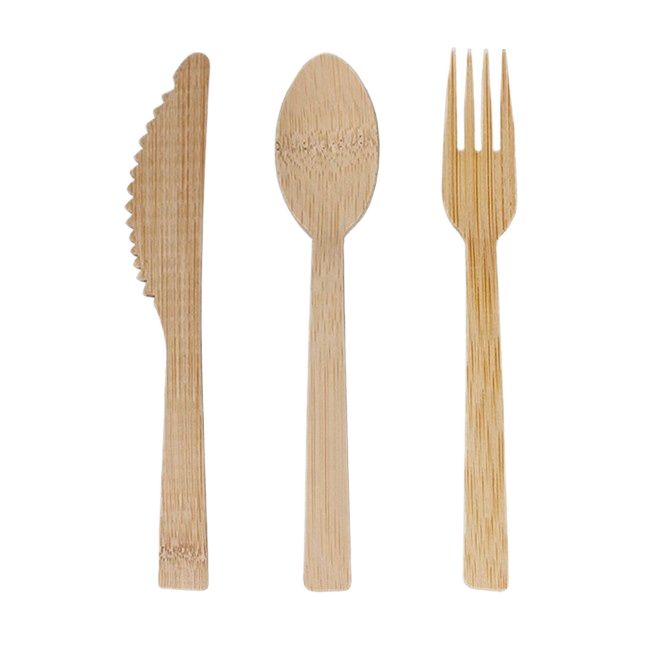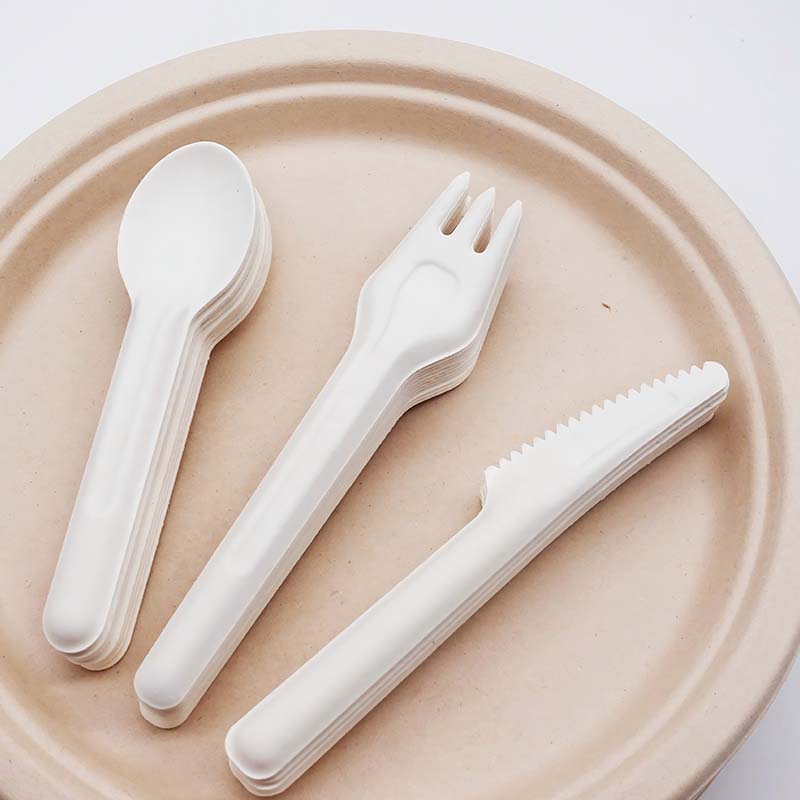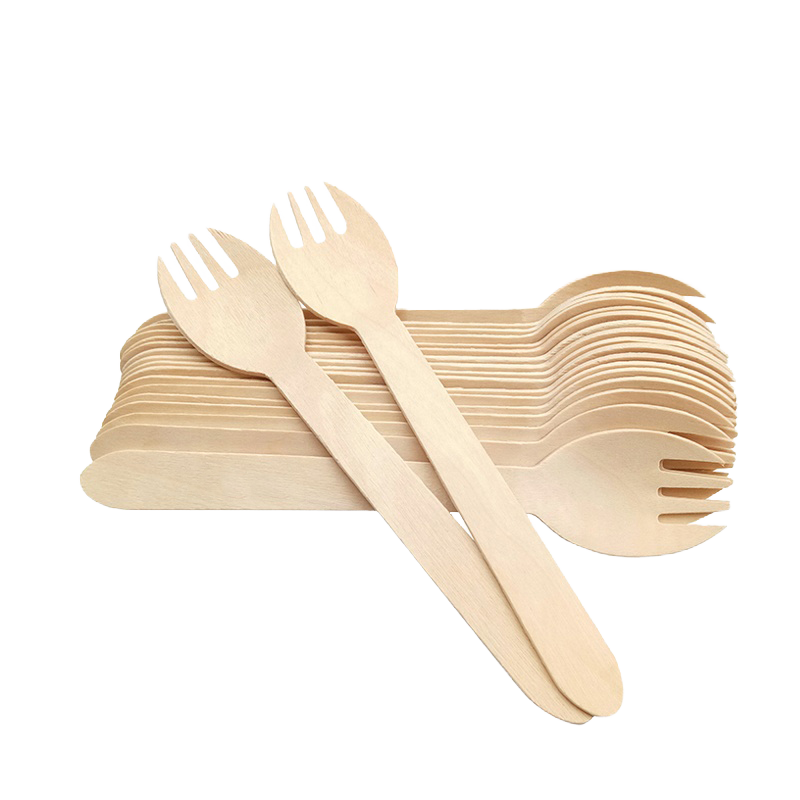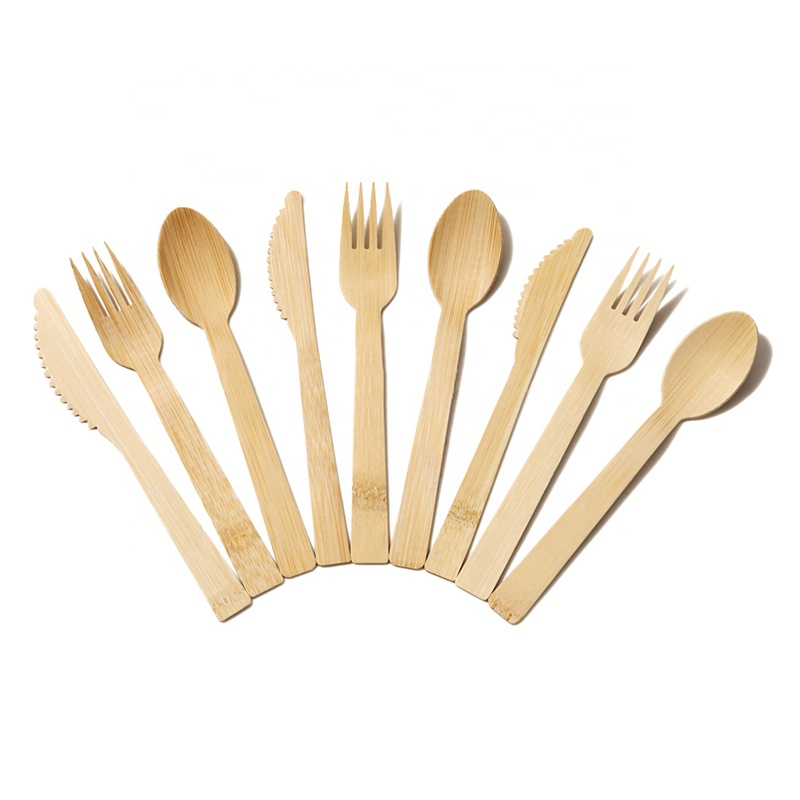
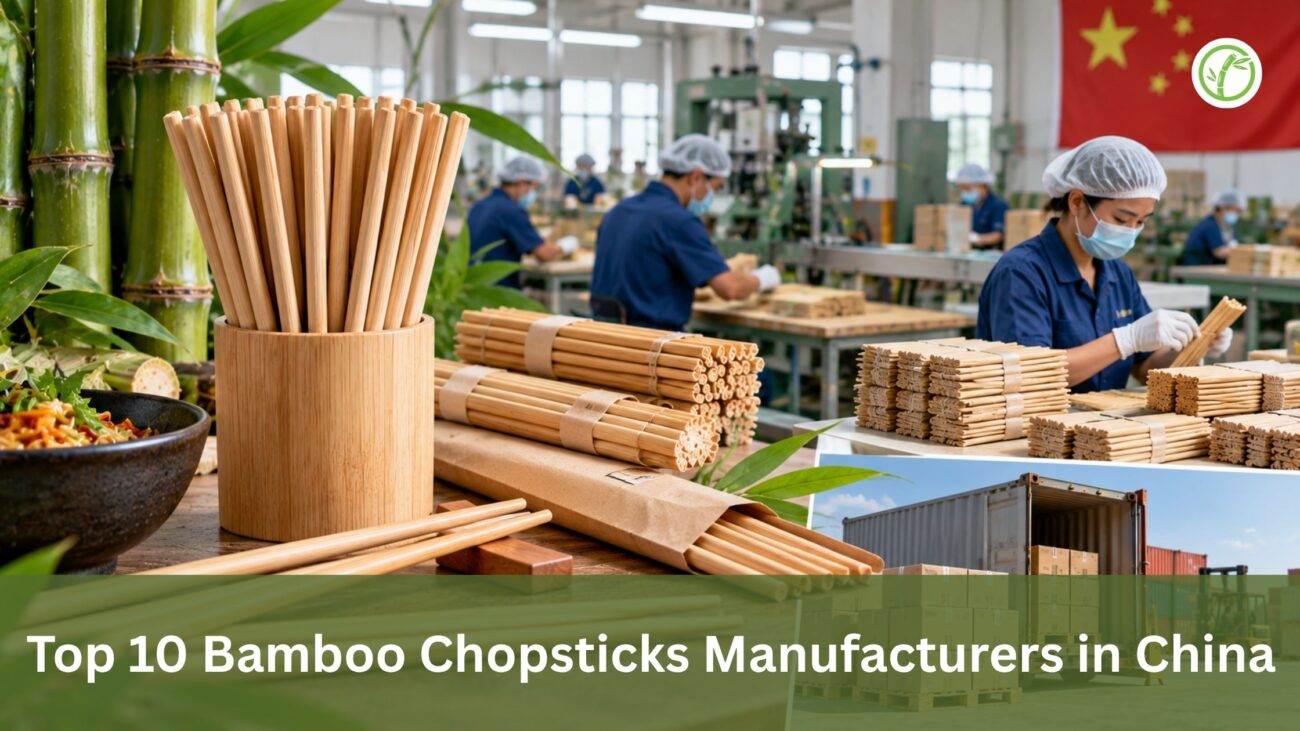
The top bamboo chopsticks manufacturers in China include Friendly Bamboo, Ancheng Bamboo & Wood, You Cheng, Panda Bambu, SHY Bamboo, Rijia Bamboo, Hunan Xiangbao, Fuzhou Mingzhu Houseware, AnzhuCraft, and Guilin Double Corp. Each factory differs by specialization, certification level, minimum order quantity, and export experience, all of which matter more to a buyer than factory size alone.
1. Friendly Bamboo
Friendly Bamboo manufactures and exports eco-friendly disposable tableware, with a bamboo chopsticks line that covers round, twin, and reusable formats, including a carbonized (charcoal) finish option. The company positions itself for restaurant, hotel, catering, and wholesale/retail buyers across the US, Europe, and UK, and supports private-label and custom bulk orders rather than only stocking standard catalog items. And it’s one of China’s top 10 reliable bamboo chopsticks manufacturers.
Pros:
- Publishes food-contact (FDA) and sourcing (FSC) documentation directly on its site rather than only providing certificates on request, which shortens supplier vetting time
- Offers carbonized (charcoal) finishing across multiple chopstick formats, not just one fixed style
- Supports custom lengths, private-label branding, and printed packaging through a dedicated bulk order process
- Serves multiple buyer types (restaurants, hotels, catering, wholesale) from one catalog, reducing the need to source different product lines from different factories
- Maintains a single wholesale chopsticks catalog that mixes natural and carbonized finishes, simplifying multi-SKU ordering
Cons:
- As a broader eco-tableware manufacturer, chopsticks are one product category among several rather than the company’s sole focus
- Carbonized and custom finishes require sample approval before bulk production, which adds lead time compared to ordering a factory’s standard stocked item
2. Ancheng Bamboo & Wood (Anhui Ancheng Bamboo and Wood Handicraft Factory)
Founded in 1998 and based in Hefei, Anhui Province, Ancheng is one of the longer-established bamboo and wooden tableware manufacturers in China. The factory produces disposable bamboo chopsticks, forks, and spoons across multiple styles, including Tensoge, and runs modern production lines with in-house quality control and export documentation support.
Pros:
- Nearly three decades of manufacturing history, longer than many competitors in this list
- Holds a broad certification set BRC, FSC, BSCI, and Sedex useful for buyers needing documented compliance for EU or US import
- Produces multiple chopstick styles (including Tensoge) rather than a single product line
Cons:
- Broad tableware range (forks, spoons, chopsticks) means no single product line gets a dedicated specialist focus
- Public information on MOQ and pricing tiers is less detailed than some newer, more digitally forward competitors
3. You Cheng (Guilin Youcheng Supply Chain Management Co., Ltd.)
Founded in 2009 and based in Guilin, Guangxi a region known for abundant bamboo resources You Cheng manufactures bamboo and wood products with a focus on disposable tableware. The company emphasizes proximity to raw material supply and tight process control as its core differentiators, and ships consistently to overseas buyers.
Pros:
- Located directly in a major bamboo-growing region, shortening the raw-material supply chain
- Established export shipping history to international buyers
- Focuses specifically on disposable tableware rather than a wide general product catalog
Cons:
- Newer than several competitors on this list (founded 2009 vs. 1992–2001 for others), meaning a shorter overall track record
- Public certification details are less specific than manufacturers like Ancheng or Hunan Xiangbao
Also read – Bagasse Tableware Manufacturers in China
4. Panda Bambu
Panda Bambu is a disposable bamboo and wooden chopsticks manufacturer and exporter holding BRCGS certification and meeting LFGB standards. The company has built a specific reputation supplying sushi factories, reporting that 18cm chopsticks are the most-requested length for box-sushi packaging, and offers individual paper or plastic wrapping sized to fit sushi box dimensions.
Pros:
- Specific, documented specialization in sushi-length chopsticks (18cm), rather than a generic one-size product
- Holds BRCGS certification and meets LFGB standards, both relevant for EU/US food-contact compliance
- Offers multiple styles (round, Twin, Tensoge, Rikyu, Genroku) under one factory
Cons:
- Heavy specialization toward sushi-format buyers may mean less flexibility for buyers needing non-standard lengths at scale
- Company-published claims about product range should be sample-verified, as is standard practice with any single-source manufacturer
5. SHY Bamboo (Hunan Shengheyuan Bamboo and Wood Products Import and Export Co., Ltd.)
Based in Huaihua, Hunan Province, SHY Bamboo serves restaurant groups, takeaway brands, sushi chains, and wholesalers with factory-direct chopstick supply. The company emphasizes consistent material selection and customization options such as individual wrapping and logo-printed packaging for international foodservice buyers.
Pros:
- Factory-direct model, which can simplify pricing compared to working through a trading intermediary
- Offers individual wrapping and logo printing as standard customization options
- Serves a wide buyer base (restaurants, takeaway, sushi chains, wholesalers) from one factory
Cons:
- Export business was founded in 2017, a notably shorter international track record than several other manufacturers on this list with 20+ years of export history
- Limited public information on specific certifications compared to more established competitors
6. Rijia Bamboo (Jinaou Rijia Bamboo & Wood Products Co., Ltd.)
Established in 2001 in Jianou City, Fujian Province, known locally as “Chinese Bamboo Town,” Rijia Bamboo benefits from direct access to local bamboo resources. The company runs an integrated model covering raw material processing, manufacturing, and international sales, serving wholesalers, importers, distributors, and foodservice buyers across the Americas, Europe, Japan, and Australia.
Pros:
- Vertically integrated from raw bamboo processing through to finished export, which can improve supply consistency
- Direct access to Fujian’s bamboo supply base, a well-known regional bamboo production hub
- Established multi-continent export history (Americas, Europe, Japan, Australia)
Cons:
- Positioning emphasizes cost efficiency, which can be a trade-off against premium finishing options some buyers want
- Public materials focus more on scale and price than on specific certifications, so compliance documentation should be requested directly
7. Hunan Xiangbao Bamboo & Wood Products Co., Ltd.
One of the larger bamboo products manufacturers in China by facility size, Hunan Xiangbao operates across a 45-hectare site with roughly 5,000 square meters of factory building and more than 132 employees. The company manufactures the full bamboo supply chain in-house, from raw Moso bamboo to finished chopsticks, skewers, picks, and sushi mats, and holds BV (France), SGS, BSCI, and FSC certification.
Pros:
- Full in-house production chain from raw bamboo to finished product, reducing dependence on third-party subcontractors
- Broad certification coverage (BV, SGS, BSCI, FSC) supporting import compliance in multiple markets
- Large-scale facility suited to high-volume orders
Cons:
- Large-scale, multi-category manufacturer rather than a chopsticks specialist, so buyers needing a specific niche style should confirm exact tooling and specs directly
- Facility scale does not by itself guarantee finish quality; sample verification is still necessary
8. Fuzhou Mingzhu Houseware Co., Ltd.
Founded in 2007 and based in Fuzhou, Fujian Province, Fuzhou Mingzhu Houseware has more than a decade of export experience in wood and bamboo chopsticks, including Twin and Tensoge styles. The company sources bamboo locally from Fujian and offers OEM/ODM production matched to client samples and specifications, adapting product design (knotted vs. non-knotted, single vs. twin) to different export markets such as Japan and the US.
Pros:
- Explicit OEM/ODM capability, replicating client-provided samples and specifications
- Market-specific product knowledge (e.g., different chopstick preferences between Japanese and US buyers)
- Over a decade of export experience as of its stated track record
Cons:
- Company communications note that logo printing is available on some but not all chopstick types, which limits branding flexibility on certain SKUs
- Public certification details are less prominent than manufacturers like Ancheng or Hunan Xiangbao
Also read – Bamboo Cutlery Manufacturers in China
9. AnzhuCraft
Founded in 2008 and based in Hefei, Anhui Province, AnzhuCraft manufactures eco-friendly disposable cutlery from bamboo, wood, and paper. The company maintains a stated focus on sustainability and export readiness, working with importers, wholesalers, and private-label brands, and positions itself toward buyers specifically seeking FSC-compliant, customizable utensils.
Pros:
- Multi-material product range (bamboo, wood, paper) gives buyers a single-source option across sustainable materials
- Stated focus on FSC compliance and export documentation
- Supports private-label and customization requests
Cons:
- Broader cutlery focus (forks, spoons, knives) means chopsticks are one line among several rather than a dedicated specialty
- Founded in 2008, giving it a shorter track record than manufacturers established in the 1990s–early 2000s
10. Guilin Double Corp., Ltd.
Established in 1992 in Guilin, Guilin Double Corp. is one of the older manufacturers on this list, operating a 3,000+ square meter factory with around 100 workers. The company manufactures bamboo chopsticks, skewers, toothpicks, and other bamboo kitchenware.
Pros:
- Over three decades of operating history, among the longest track records in this list
- Located in Guilin, a region with strong bamboo resource access
- Diversified bamboo product range beyond chopsticks alone (skewers, toothpicks, kitchenware)
Cons:
- Smaller current facility footprint (3,000+ sqm, ~100 workers) than newer, larger-scale competitors, which may limit lead time on very large orders
- Less public information available on specific certifications or export markets compared to more digitally documented competitors
Charcoal vs. Tensoge vs. Sushi vs. Twin: Comparison Table
| Factor | Charcoal (Friendly Bamboo) | Tensoge | Sushi | Twin |
| Primary strength | Mold/moisture resistance + premium look, multi-format | Tapered precision grip | 18cm box-sushi fit | Lowest cost, hygiene signal |
| Certifications available | FDA, FSC (published directly) | BRC/FSC/BSCI/Sedex (Ancheng); ISO9001 (Hexiang) | BRCGS/LFGB (Panda Bambu); BV/SGS/BSCI/FSC (Xiangbao) | Varies widely by factory |
| Main limitation | Small cost premium for carbonizing | One line among broader catalogs; varies by supplier | “Sushi” is a marketing term, not a fixed spec | Rating/track-record variance between suppliers |
| Best fit | Hot pot, BBQ, reusable + private label programs | Upscale Japanese dining | Sushi/sashimi-specific venues | High-volume takeaway, delivery |
For Further Reading
bamboo cutting board wholesale
flat bamboo skewers
bamboo cutting board wholesale
wholesale bamboo plates
Frequently Asked Questions
Certifications (FSC, BSCI, BRC/BRCGS, SGS, ISO9001) and requesting a physical sample before bulk production matter more than factory size or years in business alone.
Not necessarily. Facility size indicates production capacity, not finish consistency. A smaller, specialized manufacturer can outperform a larger generalist one on a specific chopstick style.
Panda Bambu is the most explicitly sushi-focused manufacturer in this list, with 18cm reported as the standard requested length for box-sushi packaging.
Guilin Double Corp. (established 1992) and Ancheng Bamboo & Wood (established 1998) have among the longest operating histories on this list.
Yes — most manufacturers in this list, including Friendly Bamboo, Fuzhou Mingzhu Houseware, SHY Bamboo, and AnzhuCraft, offer OEM/ODM or private-label programs, though logo printing availability can vary by chopstick style.