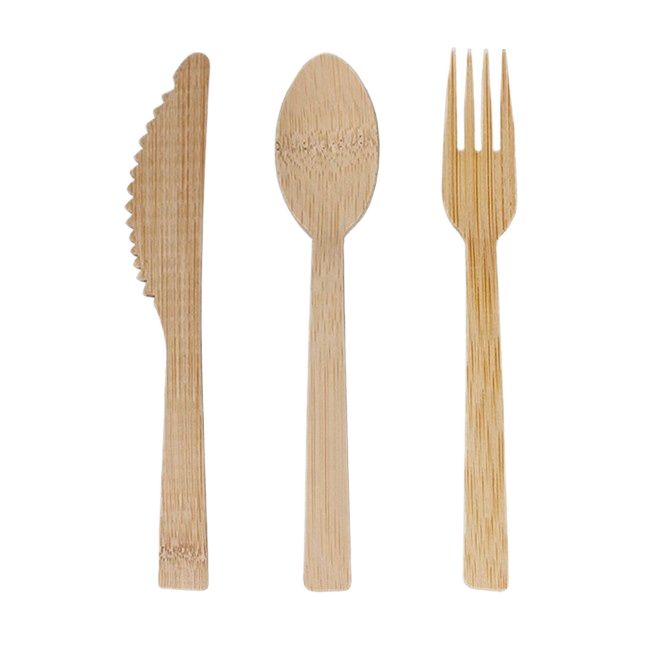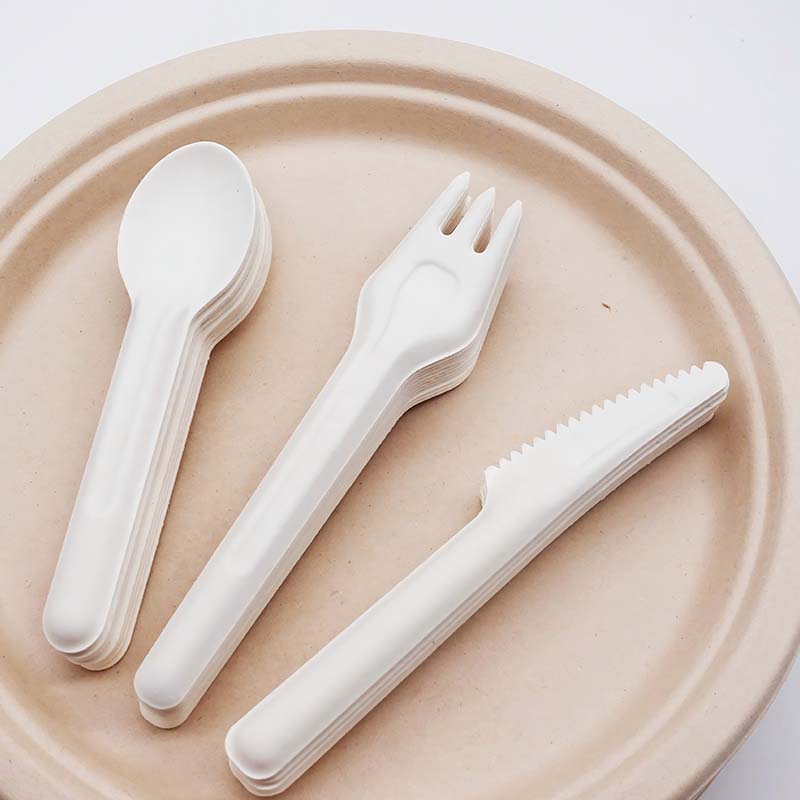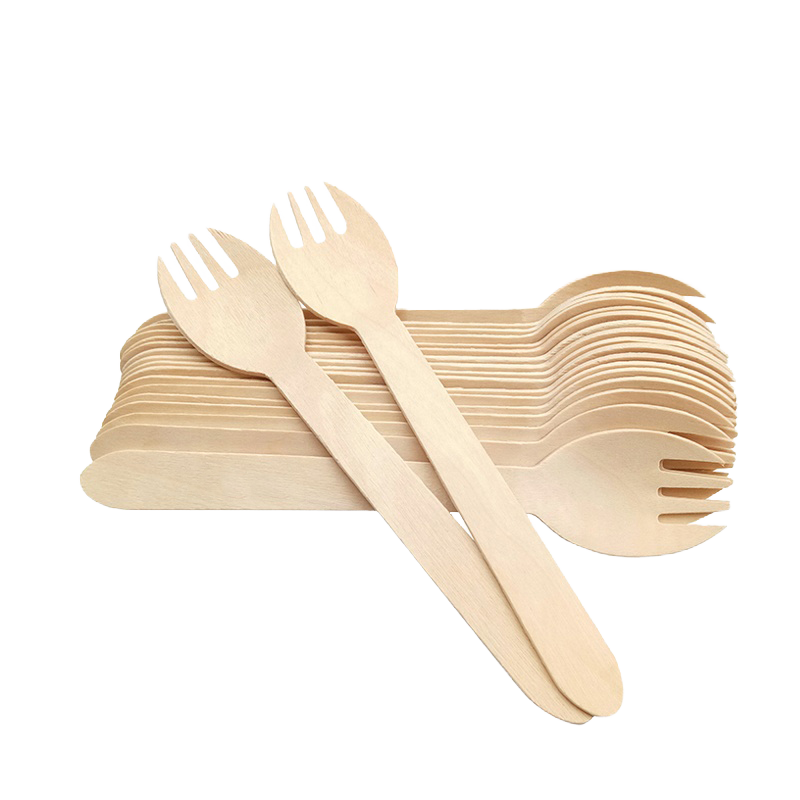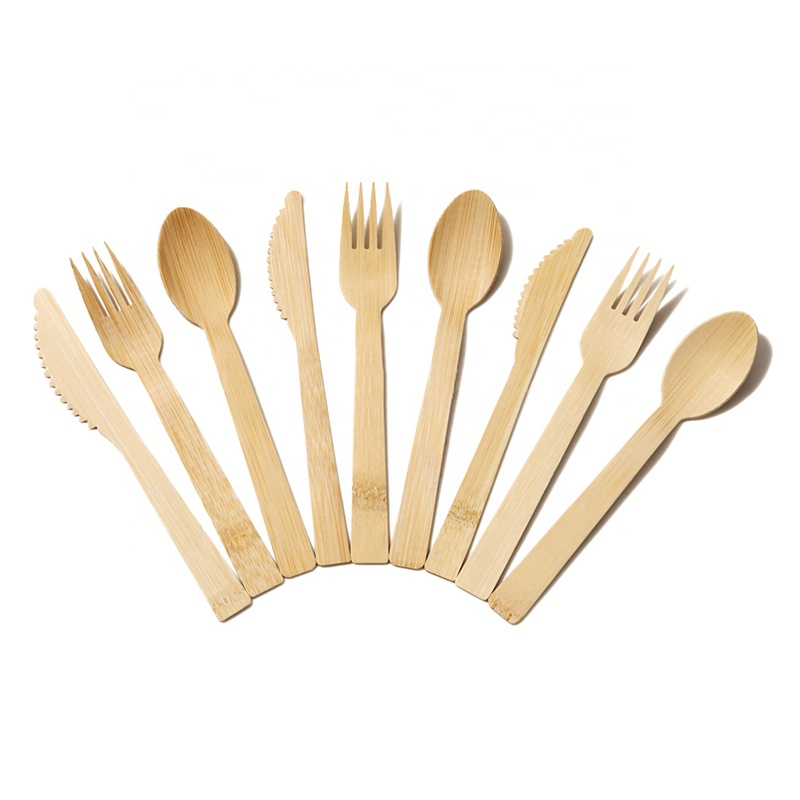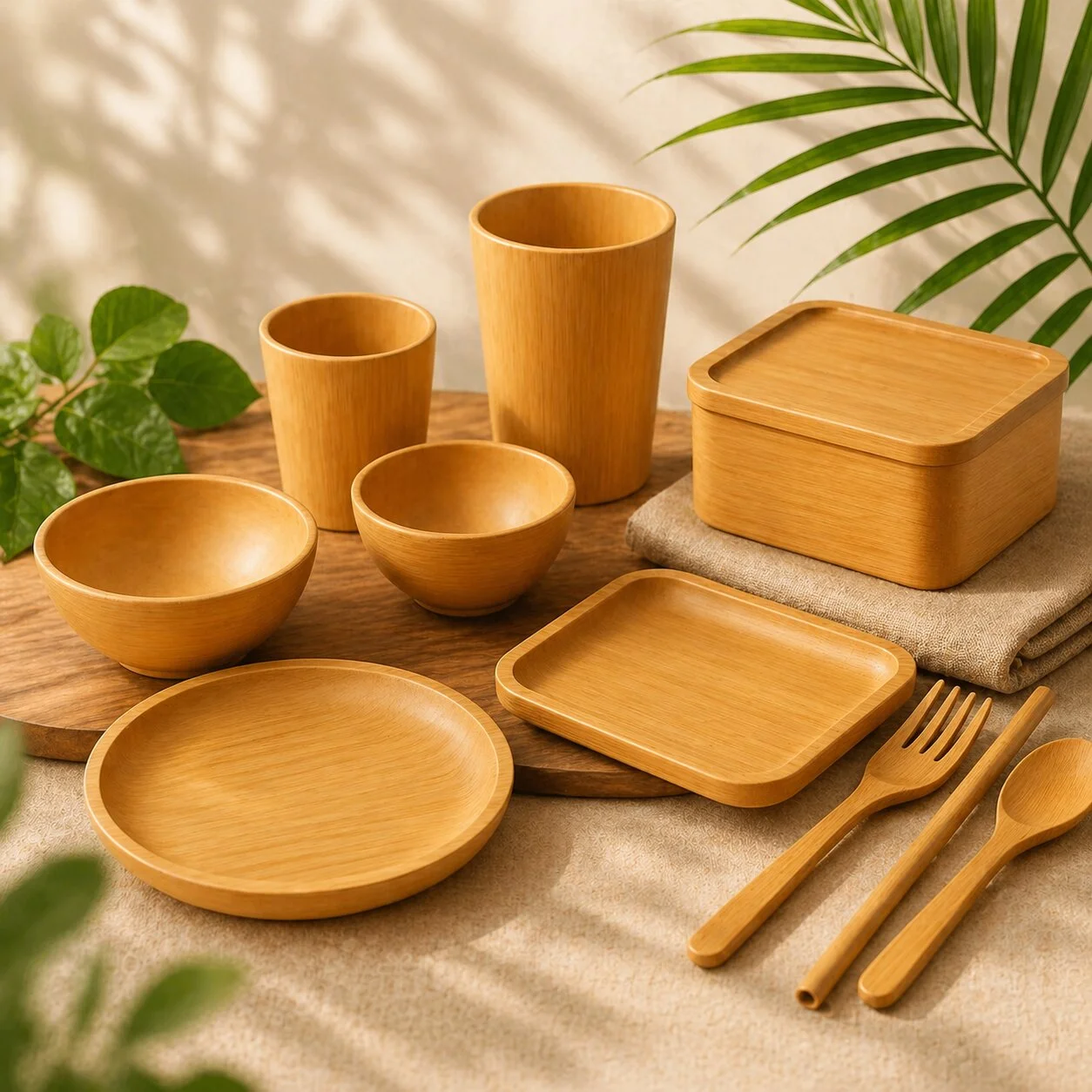
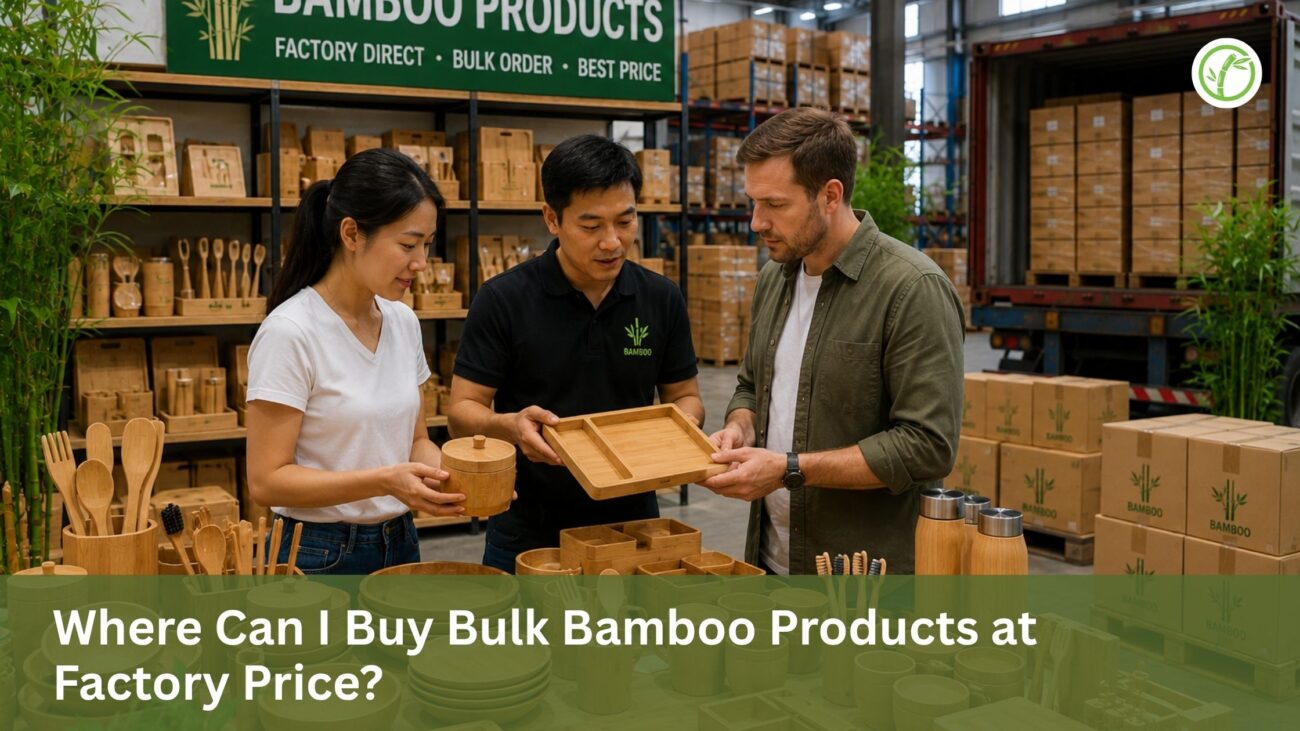
You need bamboo products in bulk. Cutlery, chopsticks, skewers, straws, plates, toothpicks, stirrers, or poles — whatever the product, you need it at factory price, not retail markup. The question is not whether bulk bamboo products exist. They exist in enormous quantities. The question is where to buy them at the right price, from the right supplier, with the right quality and certifications.
This guide covers the seven sourcing channels for bulk bamboo products at factory price, what each channel actually costs when you account for the hidden fees, how to verify that a “factory price” is genuinely a factory price, and the specific red flags that separate reliable bamboo suppliers from the ones that waste your time, your money, and your first order.
The 7 Channels for Buying Bulk Bamboo Products at Factory Price
1. Direct From the Manufacturer (Factory-Direct)
This is the gold standard. You buy directly from the factory that produces the bamboo products — no trading company, no middleman, no marketplace commission. The price you receive is the production cost plus the manufacturer’s margin. Nothing else.
How it works: You contact a bamboo manufacturer directly through their website, submit your product specifications and quantity, and receive a factory-direct quote. The manufacturer handles production, quality control, packaging, and export documentation. You arrange shipping (FOB) or the manufacturer arranges delivery to your door (CIF or DDP).
Why factory-direct is the cheapest: Every intermediary between you and the factory adds margin. A trading company adds 10-20%. A marketplace adds commission fees. A domestic distributor adds 30-50%. Factory-direct eliminates every layer. The price you pay is the price the product actually costs to manufacture plus the factory’s profit — nothing more.
Who this works for: Businesses ordering 10,000+ pieces per product. The higher your volume, the lower your per-unit factory price. Factories set minimum order quantities (MOQs) to ensure production runs are efficient. If your order meets the MOQ, factory-direct is always the cheapest channel.
Typical factory-direct pricing for bamboo products:
| Product | Factory Price (Bulk) |
|---|---|
| Bamboo cutlery (forks, spoons, knives) | $0.02 – $0.05 per piece |
| Bamboo chopsticks | $0.008 – $0.02 per pair |
| Bamboo skewers | $0.003 – $0.02 per piece |
| Bamboo straws | $0.05 – $0.15 per piece |
| Bamboo toothpicks | $0.001 – $0.003 per piece |
| Bamboo coffee stirrers | $0.002 – $0.005 per piece |
| Bamboo plates | $0.08 – $0.35 per piece |
| Bamboo ice cream sticks | $0.002 – $0.008 per piece |
These are the actual prices that factories charge for bulk bamboo orders. If you are paying significantly more through another channel, you are paying intermediary markup.
Where to find factory-direct bamboo suppliers: Manufacturers who own their own factory will typically state “manufacturer” or “factory” on their website, list their production capacity, show factory photos, and offer factory visits. Look for FSC, FDA, and ISO certifications — these require factory-level audits that trading companies do not undergo.
2. B2B Wholesale Platforms (Alibaba, Made-in-China, Global Sources)
B2B platforms aggregate thousands of bamboo suppliers in one searchable marketplace. You browse products, compare prices, message suppliers, and place orders through the platform.
The advantage: Access to hundreds of bamboo factories and trading companies in one place. You can compare prices, MOQs, and product ranges quickly. Platforms offer buyer protection, trade assurance, and payment escrow.
The hidden cost: Not every “manufacturer” on B2B platforms is actually a factory. Many listings are from trading companies that source from factories and add 10-25% markup. The listed price is often a starting point for negotiation, not the final price. Platform commissions, payment processing fees, and trade assurance costs add 2-5% to the transaction.
How to identify real factories on B2B platforms: Look for “manufacturer” or “factory” business type in the supplier profile. Check if they have factory audit reports (Gold Supplier, Verified Manufacturer). Ask for factory photos and videos. Request a video call showing the production floor. Trading companies will dodge these requests. Real factories welcome them.
Best for: Price comparison and initial supplier discovery. Use platforms to research the market and identify potential suppliers, then move the relationship off-platform for better pricing on recurring orders.
3. Trade Shows and Expos
Physical trade shows where bamboo manufacturers exhibit their products, meet buyers, and negotiate deals face-to-face.
Key trade shows for bamboo products: Canton Fair (Guangzhou, China — the largest), Ambiente (Frankfurt, Germany), VIFA Expo (Ho Chi Minh City, Vietnam), and various national-level trade fairs in bamboo-producing countries.
The advantage: You see and touch the actual products. You meet the factory owner or export manager in person. You can negotiate pricing, MOQs, and customisation on the spot. Face-to-face meetings build trust faster than email.
The cost: Travel expenses (flights, hotels, visa), time away from your business (3-7 days minimum), and the risk of attending a show where no suitable supplier is present. Trade show pricing is often “show pricing” — slightly inflated because the supplier knows you cannot easily compare with competitors on the spot.
Best for: First-time buyers who want to verify quality in person before committing to a large order. Also valuable for building long-term supplier relationships where trust matters.
4. Sourcing Agents
Professional agents based in bamboo-producing countries (China, Vietnam, India, Indonesia) who find factories, negotiate prices, manage quality control, and handle logistics on your behalf.
The advantage: The agent does the work of finding and vetting suppliers. They speak the local language, understand local business culture, know which factories are reliable, and can inspect production on your behalf. Good agents save you money by negotiating better than you could remotely.
The cost: Agent commission (typically 3-8% of order value) or a flat service fee. The best agents save you more than their commission by negotiating lower factory prices and avoiding quality disasters.
Best for: Buyers who are new to international sourcing and want guidance, or buyers who need product categories from multiple factories consolidated into one shipment.
5. Domestic Wholesale Distributors
Companies in your own country that import bamboo products in bulk and resell them domestically.
The advantage: Shorter lead times (products are already in-country), no international shipping to manage, no customs clearance, and no import documentation. You order and receive within days instead of weeks.
The cost: Domestic distributors add 30-60% markup over factory price. You pay for their import costs, warehousing, inventory risk, and profit margin. This is the most expensive channel for bulk bamboo products.
Best for: Small orders below factory MOQs, urgent orders that cannot wait for international shipping, or businesses that prefer to avoid import logistics entirely. Not recommended for cost-sensitive bulk purchasing.
6. Online Wholesale Marketplaces (Faire, Tundra, RangeMe)
Western-focused wholesale platforms that connect brands and retailers with product suppliers. These platforms focus on smaller wholesale quantities and domestic/regional supply chains.
The advantage: Clean user interface, curated suppliers, easy ordering, net payment terms. Good for small to medium wholesale quantities.
The cost: Prices are typically 2-4x factory-direct pricing. The suppliers on these platforms are usually importers or brands, not factories. The markup reflects their import cost, warehousing, platform commission, and margin.
Best for: Retail businesses buying small wholesale quantities (100-1,000 pieces) for resale. Not suitable for bulk purchasing at factory price.
7. Direct Outreach to Factories via Industry Contacts
Reaching out to factories through industry associations, trade directories, embassy commercial attachés, and business networks in bamboo-producing countries.
The advantage: You connect with factories that may not advertise on B2B platforms or attend trade shows — sometimes smaller, specialised factories with competitive pricing and higher quality focus.
The cost: Time-intensive research and outreach. Success depends on your network and persistence.
Best for: Experienced buyers looking for alternative supply sources or niche bamboo products.
How to Verify That a “Factory Price” Is Genuinely Factory Price
The term “factory price” is used liberally — by trading companies, by marketplaces, by domestic distributors, and by actual factories. Here is how to verify that the price you are quoted is a genuine factory-direct price.
Ask for the factory address and business registration. A real factory has a physical manufacturing address and a government-issued business registration that identifies them as a manufacturer, not a trading company. Request both.
Request a factory video tour. A 5-minute video showing the production floor, raw material storage, machinery, and finished goods warehouse. A trading company cannot produce this because they do not have a factory. If the supplier offers only product photos and avoids factory-level questions, they are likely a trading company.
Check certifications at the factory level. FSC, FDA, ISO 9001, and ISO 14001 are audited at the factory. Ask for the certificate and verify that the certificate holder name matches the company you are dealing with — not a different entity. If the certificate belongs to a factory but you are dealing with a different company name, you are dealing with a trading company that sources from that factory.
Compare their price against known factory pricing. Use the pricing table earlier in this article as a benchmark. If the quote is 20-40% above these ranges with no obvious value-add (private-label, custom packaging, or DDP delivery), you are likely paying middleman markup.
Ask about production lead time. A factory that makes the products will quote 15-30 days for production (because they need to schedule a manufacturing run). A trading company will quote a similar timeframe but add vague language about “checking with the production partner.” Real factories know their production schedule because it is their own schedule.
Red Flags When Sourcing Bulk Bamboo Products
Not every supplier that advertises “factory price” deserves your business. Here are the red flags that experienced bamboo buyers watch for.
No certifications or fake certifications. Bamboo products for food service must be FDA certified (for food contact safety) and should be FSC certified (for responsible sourcing). If a supplier cannot produce these certificates, or if the certificates look poorly formatted with mismatched company names, walk away. Legitimate certifications are audited and verifiable.
Prices that are too low. If the quoted price is significantly below the ranges in this article, ask why. Extremely low pricing often means corner-cutting on material quality (younger bamboo instead of mature Moso bamboo), inadequate sanding (splinter risk), or missing certifications. You save nothing if the product fails food safety testing in your country.
No samples available. Any credible factory will provide samples — paid or free — before you commit to a bulk order. A supplier that wants a full bulk payment without samples is either not confident in their quality or not a real manufacturer.
Inconsistent communication. If the supplier cannot answer basic technical questions about their products (bamboo species, Janka hardness, fibre density, moisture content, production temperature, sanding grit), they are probably a trading company relaying your questions to a factory and marking up the response time — and the price.
No export documentation capability. International shipment of bamboo products requires export documentation (commercial invoice, packing list, certificate of origin, phytosanitary certificate). A factory experienced in export provides these routinely. If the supplier seems unfamiliar with export paperwork, they may not have shipped internationally before — and your first order will be their learning experience.
Extremely low MOQs for “factory-direct.” Real factories have real MOQs because their production equipment operates efficiently at certain run sizes. A bamboo cutlery factory typically requires 10,000-50,000 pieces minimum. If a “factory” offers factory pricing at 100-piece MOQs, they are almost certainly a trading company buying from the factory and reselling to you.
What to Look for in a Bulk Bamboo Products Supplier
Beyond price, the right bulk bamboo supplier should offer the following.
Full product range. A supplier that manufactures cutlery, chopsticks, skewers, straws, plates, picks, toothpicks, stirrers, and ice cream sticks saves you from managing multiple supplier relationships. One supplier, one order, one shipment, one quality standard. Consolidated ordering reduces per-unit freight costs by 10-20%.
FSC, FDA, and ISO certification. FSC verifies responsible bamboo sourcing. FDA verifies food contact safety. ISO 9001 verifies consistent manufacturing quality. ISO 14001 verifies environmental management. These are not optional for food service bamboo products — they are baseline requirements for any serious B2B buyer.
Private-label and custom branding. If you plan to sell bamboo products under your own brand, the supplier should offer private-label packaging, custom printing (on sleeves, wrappers, boxes), and laser engraving. Not every factory has branding capabilities — verify before ordering.
Consistent quality across orders. A factory that delivers excellent quality on your first order and inconsistent quality on your fifth is worse than useless. Ask for references from existing long-term customers. Request quality control reports from recent production runs. Consistent quality comes from consistent manufacturing processes — not from promises.
Responsive communication. If a supplier takes 5 days to respond to a quote request, imagine how long they will take to respond when there is a quality issue mid-production. Responsiveness before the sale predicts responsiveness after the sale. A 24-hour response time on quotes and enquiries is the standard to expect.
International shipping experience. Your supplier should handle FOB, CIF, or DDP shipping, provide all export documentation, and have established relationships with freight forwarders. Bamboo products shipped internationally may require phytosanitary certificates — your supplier should handle this routinely, not as an exception.
Why FriendlyBamboo: Factory-Direct Bamboo Products at Wholesale Price
FriendlyBamboo is a factory-direct bamboo and eco-friendly disposable products supplier with over 12 years of manufacturing and export experience, shipping to 30+ countries worldwide.
What we supply: The complete range of bamboo disposable tableware — cutlery, chopsticks, skewers, straws, plates, picks, toothpicks, coffee stirrers, ice cream sticks, fruit forks, fruit sticks, and poles. Plus bagasse (sugarcane) tableware, wooden tableware, palm leaf plates, reed straws, and wheat straws. Every eco-friendly disposable product your operation needs from one manufacturing partner.
Factory-direct pricing. No trading company markup. No marketplace commission. No middleman margin. You deal directly with the manufacturer. The prices in this article are our actual factory price ranges.
Certifications. FSC, FDA (21 CFR 177), ISO 9001, ISO 14001, BPI (for bagasse products), and independent PFAS-free verification across the entire product range. Certificates provided with every order. Verifiable and audit-ready.
Private-label and custom branding. Printed wrappers, branded sleeves, laser engraving, custom packaging, and complete white-label programmes. Build your own eco-friendly disposable product brand from one factory.
Responsive. Quotes within 24 hours. Samples within 7 days. Production in 15-30 days. Export documentation handled. FOB, CIF, and DDP shipping available.
Consolidated ordering. Order bamboo cutlery, bagasse containers, wooden plates, and reed straws in a single shipment. One invoice, one freight cost, one supplier. Multiple eco-friendly materials from one manufacturing partner.
→ Get Your Factory-Direct Quote Now
Frequently Asked Questions
Where can I buy bulk bamboo products at factory price? Directly from a bamboo manufacturer. Factory-direct purchasing eliminates trading company markup (10-20%), marketplace commission (2-5%), and domestic distributor markup (30-60%). Contact the manufacturer’s website, submit your product specifications and quantity, and receive a factory-direct quote. FriendlyBamboo offers factory-direct pricing on the complete bamboo product range with quotes within 24 hours.
What is the factory price for bulk bamboo cutlery? Factory-direct pricing for bamboo cutlery is typically $0.02 to $0.05 per piece at 10,000+ unit volumes. 3-in-1 cutlery sets (fork, knife, spoon) cost $0.06 to $0.12 per set. Custom branded cutlery costs $0.04 to $0.10 per piece. Prices decrease at higher volumes.
What is the minimum order quantity for factory-direct bamboo products? MOQs vary by product: bamboo cutlery typically 10,000-50,000 pieces, chopsticks 50,000+ pairs, skewers 50,000+ pieces, toothpicks 100,000+ pieces, coffee stirrers 200,000+ pieces. These MOQs reflect efficient production run sizes. Some factories offer lower MOQs for first-time trial orders.
How do I verify that a bamboo supplier is a real factory? Request the factory address and business registration. Ask for a factory video tour showing the production floor. Verify that FSC, FDA, and ISO certificates are issued to the company you are dealing with. Compare pricing against known factory ranges. Ask specific technical questions about manufacturing processes.
What certifications should bulk bamboo products have? FSC (responsible sourcing), FDA 21 CFR 177 (food contact safety), ISO 9001 (quality management), and ISO 14001 (environmental management). For food service bamboo products, FDA certification is essential — it verifies the product is safe for food and oral contact. FSC certification is increasingly required by corporate buyers for ESG compliance.
Is it cheaper to buy bamboo products from China or Vietnam? Both countries are major bamboo product manufacturers. China has the largest production capacity and the widest product range. Vietnam is competitive on pricing for certain categories and has growing manufacturing infrastructure. Factory-direct pricing from either country is similar for most products. The best approach is to compare quotes from manufacturers in both countries for your specific product requirements.
How long does it take to receive a bulk bamboo order? Production typically takes 15-30 days after order confirmation. Sea freight adds 20-35 days depending on destination. Air freight adds 3-7 days. Total lead time from order to delivery: 5-9 weeks by sea, 3-5 weeks by air. Plan accordingly for seasonal demand.
Can I get custom branding on bulk bamboo products? Yes. Most bamboo factories offer laser engraving (on handles, paddles, and flat surfaces), printed wrappers and sleeves (for cutlery sets and chopsticks), branded packaging (retail boxes and cartons), and full private-label programmes. Custom branding typically requires higher MOQs and adds $0.01-$0.05 per piece depending on the method.
What is the difference between factory price and wholesale price? Factory price is the price charged by the manufacturer for products they produce. Wholesale price is the price charged by a distributor or trading company for products they resell. Factory price is always lower because it excludes middleman margin. The difference is typically 15-50% depending on how many intermediaries are involved.
How do I avoid scams when buying bulk bamboo products internationally? Order samples before committing to bulk. Verify factory certifications independently. Start with a smaller first order to test quality and reliability. Use secure payment methods (trade assurance, letter of credit, or escrow for first orders). Request references from existing customers. Avoid suppliers who demand full payment upfront with no samples or references.
Looking for factory-direct pricing on bulk bamboo products? Request your wholesale quote from FriendlyBamboo — 24-hour response, FSC and FDA certified, shipping to 30+ countries.
Explore our complete range: Bamboo Disposable Tableware | Bagasse Tableware | Wooden Disposable Tableware