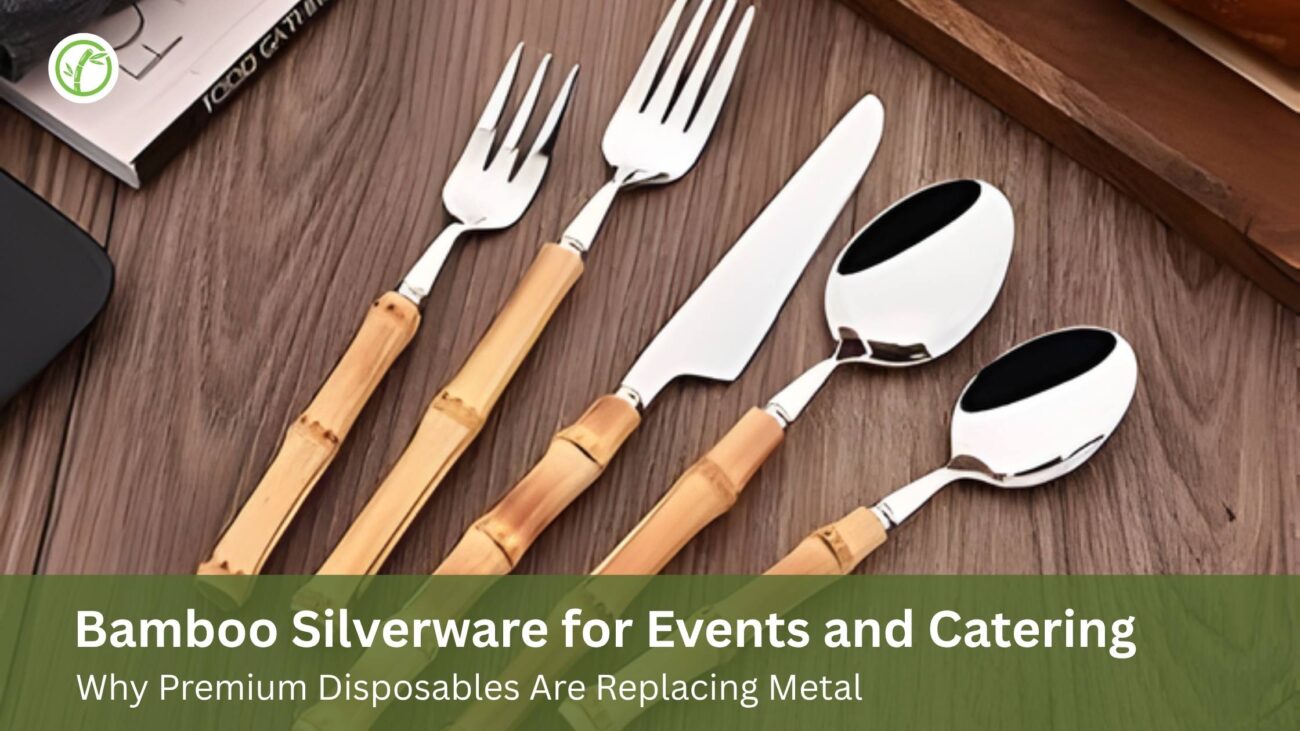
Every event planner faces the same three-way tension: the client wants a beautiful table, the budget cannot absorb hundreds of dollars in rental silverware, and nobody wants to hand-wash 500 forks at midnight after the reception ends.
Bamboo silverware solves all three problems at once.
It looks premium — the natural grain and warm colour give it an elegance that plastic cannot even approximate. It costs a fraction of metal rental, even before you account for the cleaning and replacement costs. And when the event is over, everything goes into the compost bin instead of the dish pit.
This is not a compromise. It is why bamboo flatware has become the default choice for corporate events, outdoor weddings, festival catering, and high-volume hospitality.
The Economics of Event Cutlery
Here is a comparison that event procurement managers rarely see laid out clearly.
Renting stainless steel flatware typically costs $0.50 to $1.50 per piece, depending on your market and the quality tier. For a 300-guest seated dinner requiring five pieces per setting, that is $750 to $2,250 in rental alone — before cleaning fees, loss charges for missing pieces (which happen at every event), and the logistics of pickup and return.
Disposable bamboo silverware at wholesale costs $0.03 to $0.06 per piece. The same 300-guest, five-piece dinner costs $45 to $90. Total. No cleaning. No returns. No lost-piece charges. No dishwashing labour.
Insight: A mid-size catering company running 200 events per year can save $140,000 to $430,000 annually by switching from rented metal to wholesale bamboo for standard events. That saving alone can fund a company’s entire sustainability programme.
Even for high-end events where the client insists on metal for the main course, many caterers now use bamboo for cocktail hours, appetiser stations, dessert bars, and outdoor portions of the event — reducing rental volume by 40 to 60 percent.
Why Bamboo Looks Better Than You Expect
The number one hesitation from event planners is aesthetic. They picture cheap wooden sticks from a fast-food chain. Quality bamboo silverware is nothing like that.
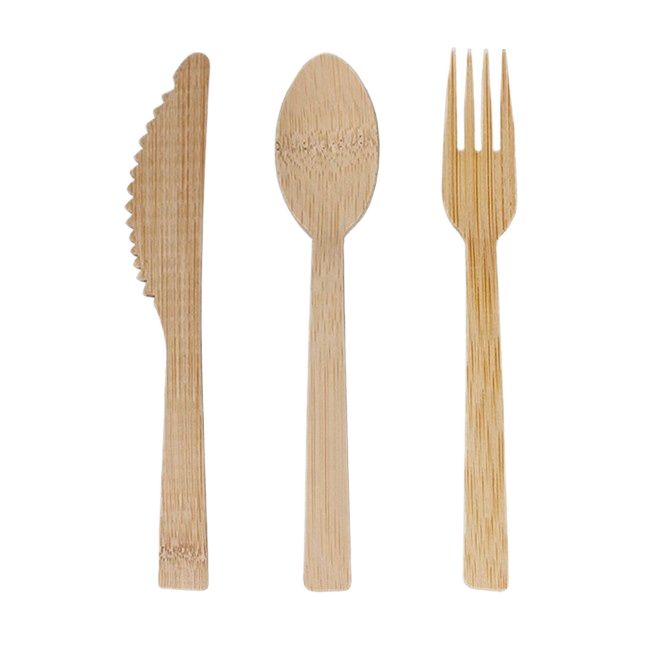
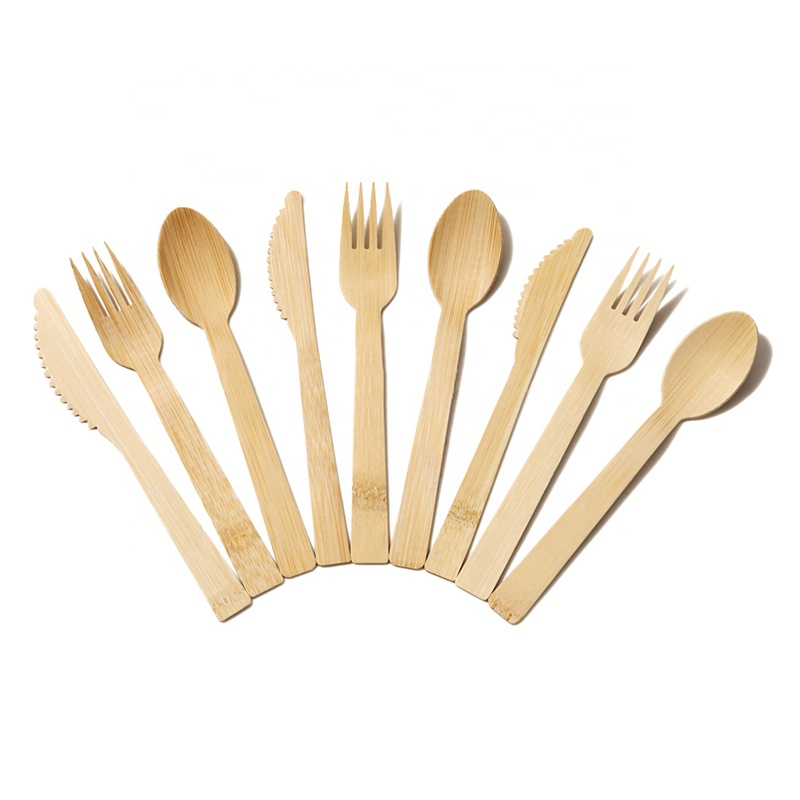
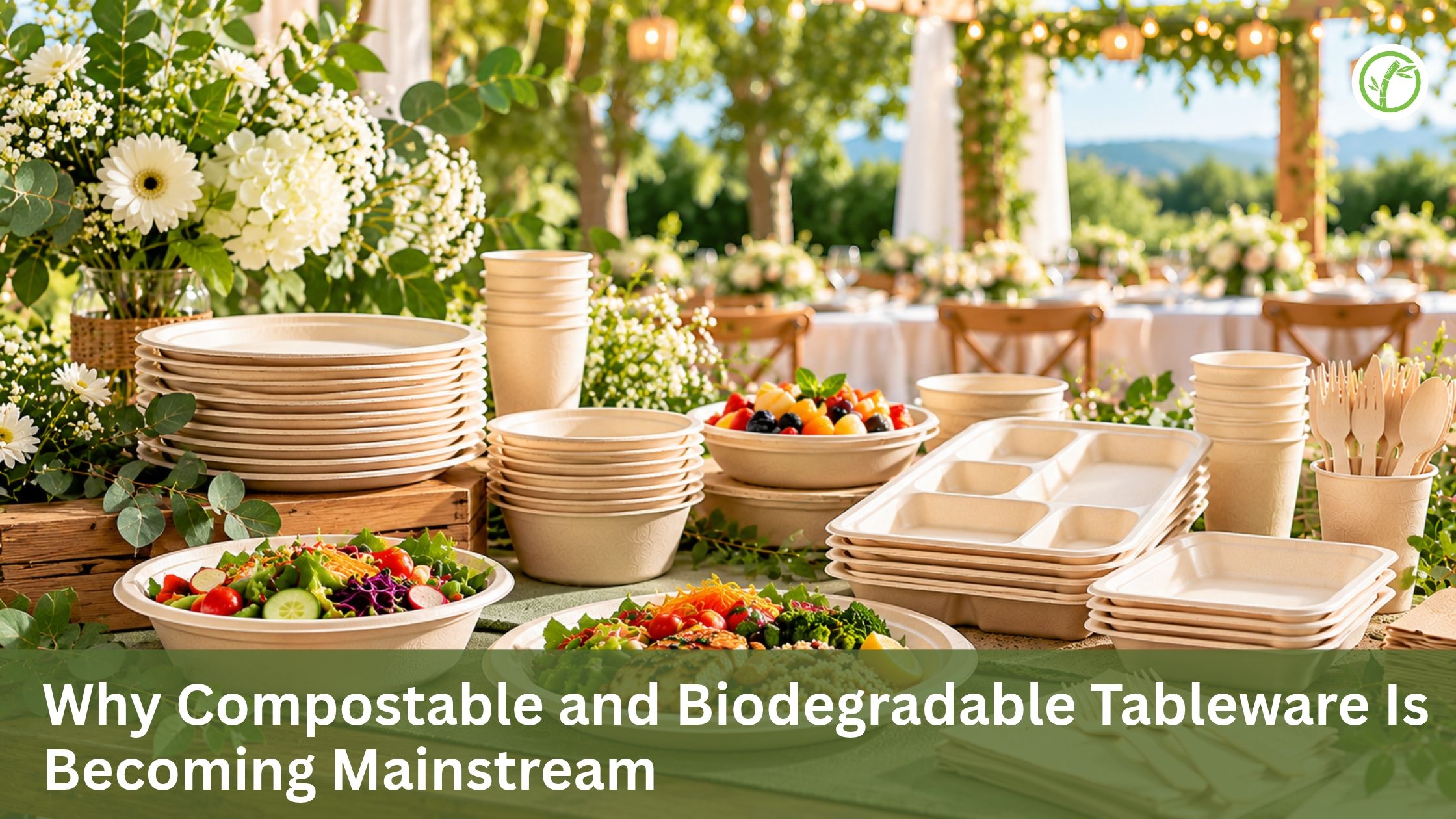
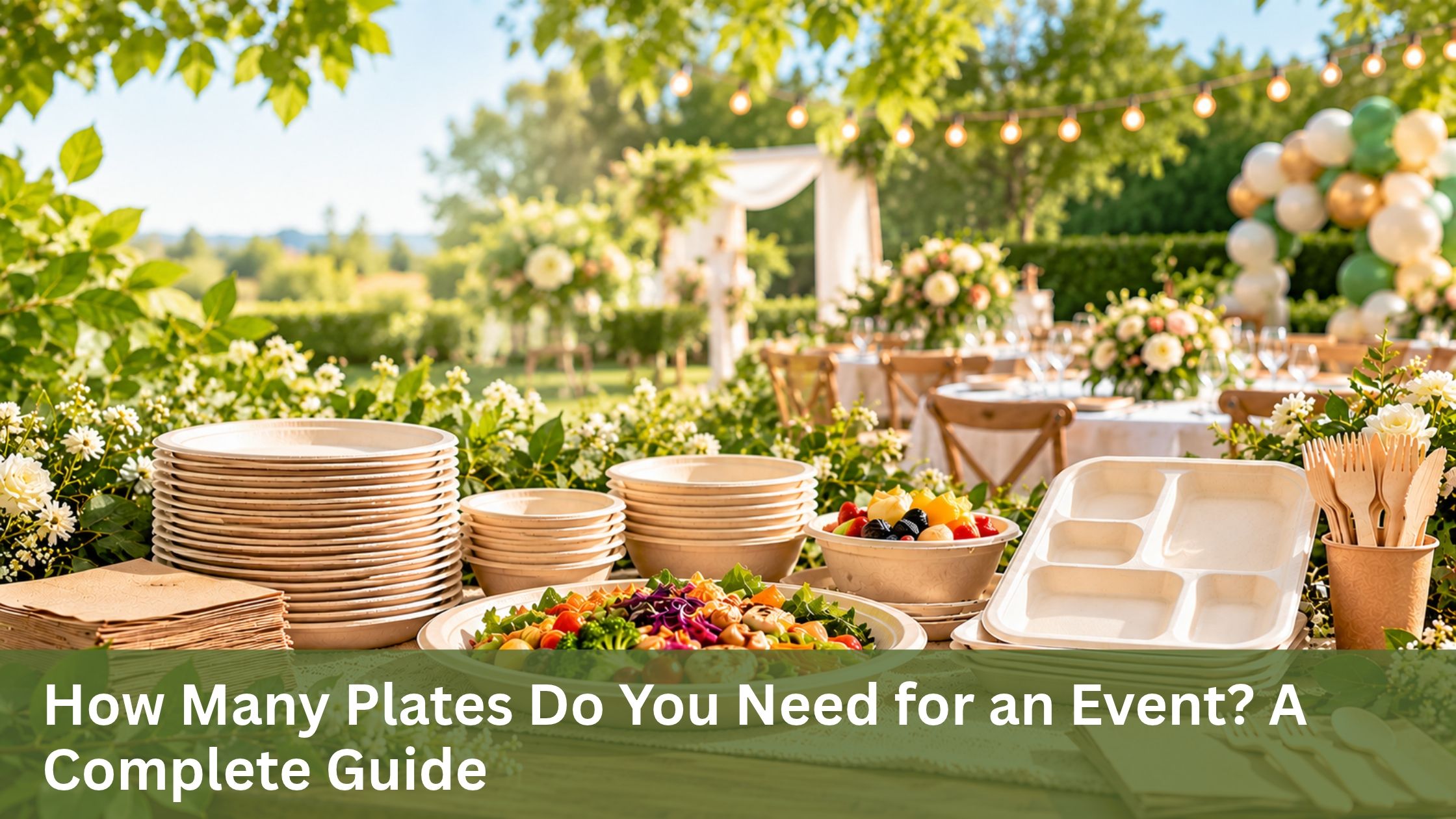
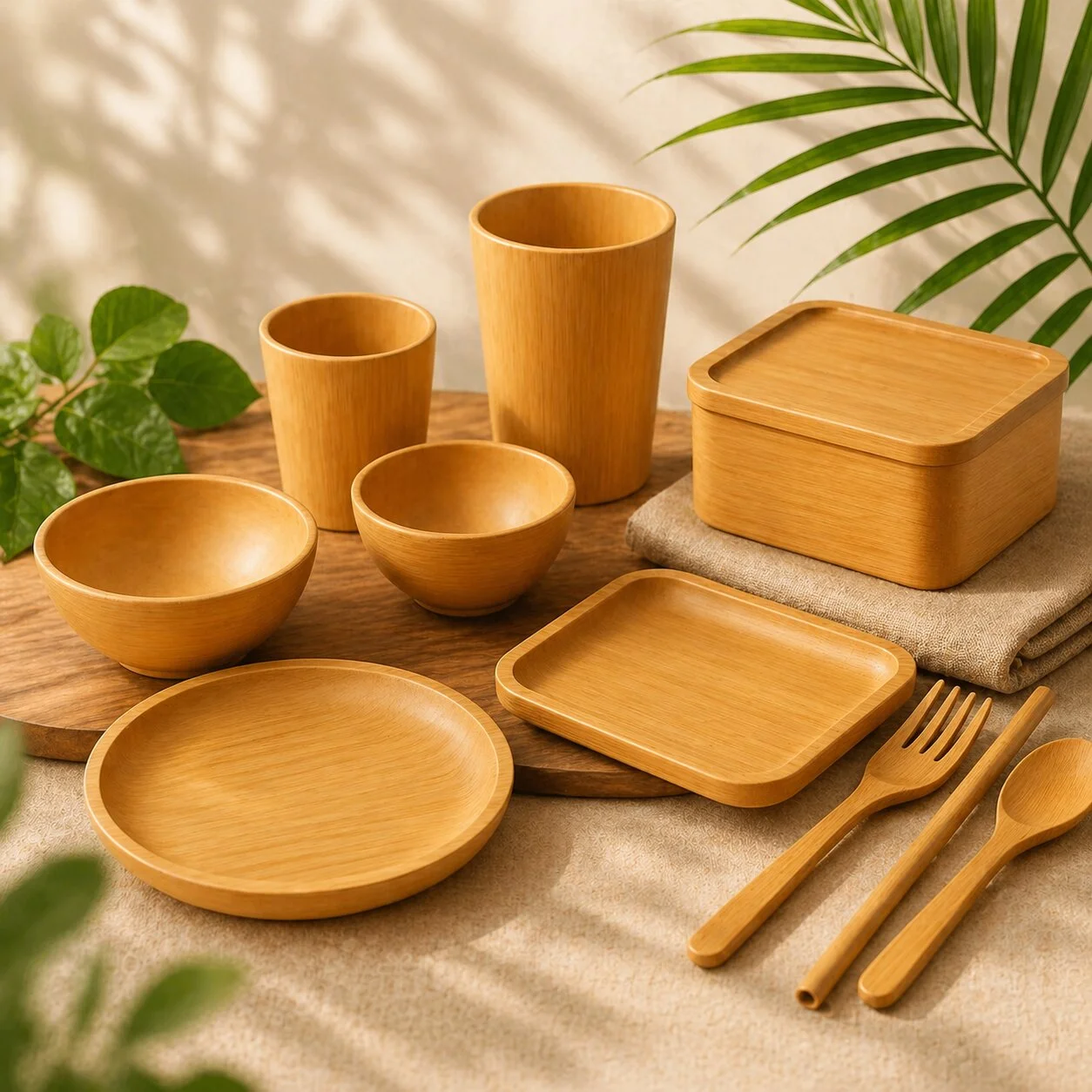
Premium bamboo flatware has a smooth, consistent surface with a natural grain pattern that is visible but subtle. The colour ranges from warm honey to light golden, depending on the processing. On a white tablecloth, it creates a contemporary, organic contrast that photographs beautifully — an increasingly important factor in the age of social media events.
Insight: Wedding photographers and event stylists have started specifically requesting bamboo flatware for styled shoots. The natural texture adds visual warmth that metal flatware and plastic cannot match in close-up photography. Several bridal publications now feature bamboo place settings in their “sustainable wedding” editorial guides.
For corporate events, bamboo flatware signals sustainability commitment without requiring signage or announcements. The cutlery does the communicating on its own.
Performance at Scale
The biggest operational concern for caterers is reliability. When you are serving 500 guests, you need every single fork to work. No splinters, no breakage, no complaints.
Quality bamboo silverware performs consistently at scale because the hot-press manufacturing process creates uniform density across every piece. Unlike injection-moulded plastic, where quality can vary significantly across a single production run, bamboo cutlery from a certified manufacturer delivers consistent strength and finish from the first piece to the last.
For hot food — grilled proteins, heated pasta, warm desserts — bamboo handles the temperature without any change in structure. Metal conducts heat into the handle, which can be uncomfortable for guests. Plastic can soften. Bamboo remains stable and comfortable to hold.
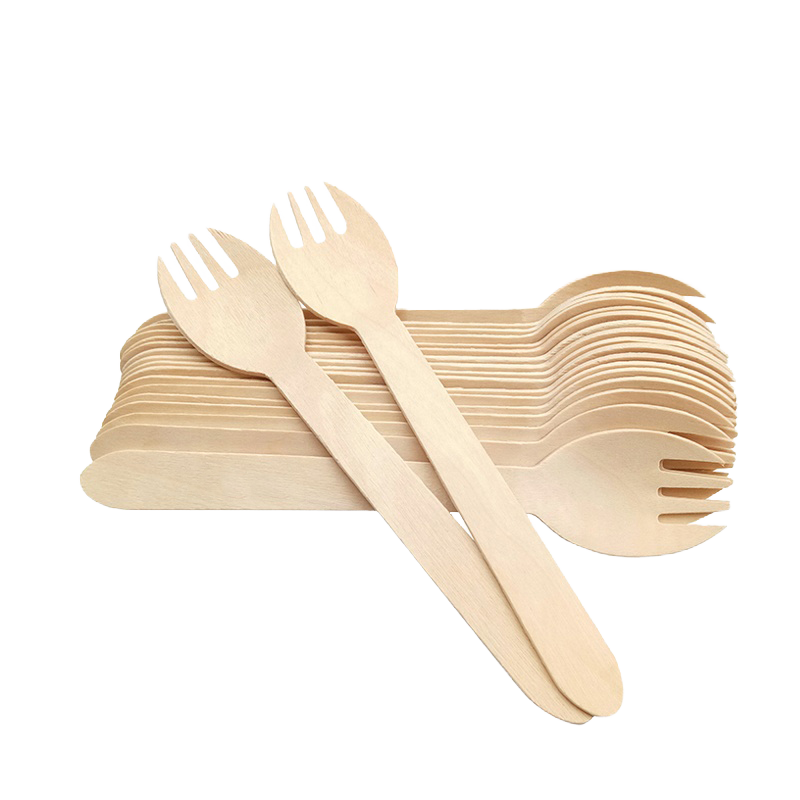
For outdoor events, bamboo flatware will not blow off tables as easily as lightweight plastic. The slightly heavier weight of bamboo (approximately 4 grams per fork versus 3 grams for plastic) adds just enough stability for garden parties, beach events, and rooftop receptions.
Compostable Cleanup: The Event Planner’s Dream
After a large event, the cleanup operation can take hours. Sorting reusable silverware from waste, washing it, counting it, packing it for return — this adds significant labour cost.
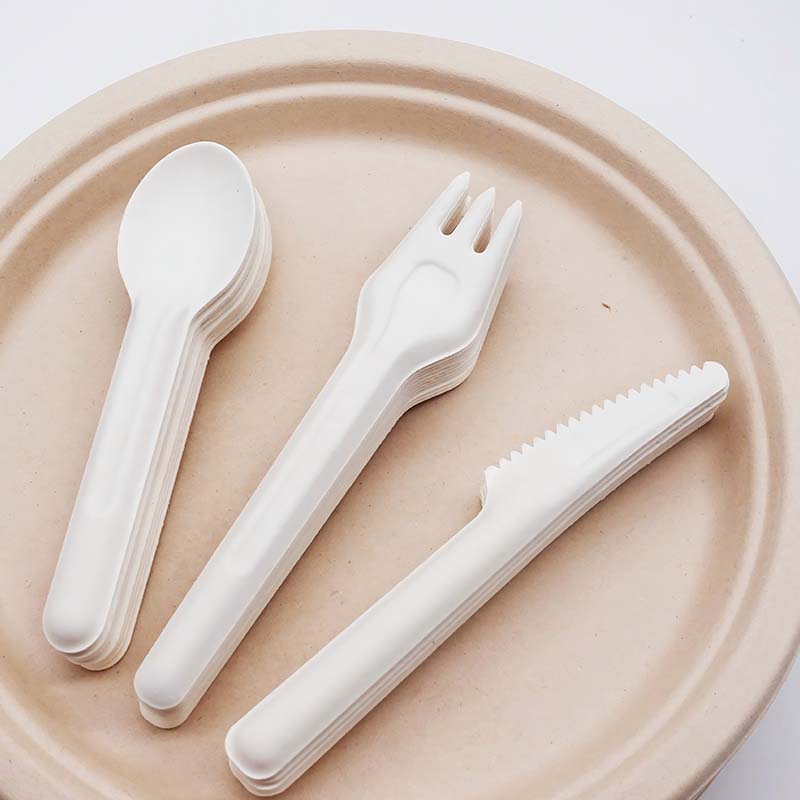
With bamboo silverware, cleanup is simple: everything goes into the compost collection bin along with food waste. If composting is not available at the venue, bamboo can go into general waste, where it will biodegrade far faster than plastic.
Insight: Venues with on-site composting programmes report that switching to bamboo cutlery and bagasse plates reduces post-event cleanup time by up to 35 percent. This translates directly into lower labour costs and faster venue turnover between events.
For multi-day festivals and outdoor events, the waste reduction is even more dramatic. A 3-day music festival serving 10,000 meals per day eliminates roughly 90,000 pieces of plastic cutlery by switching to bamboo — waste that would otherwise sit in landfill for centuries.
Custom Branding for Events
Event-specific branding on bamboo silverware turns disposable cutlery into a keepsake.
Laser-engraved initials for weddings. A company logo for corporate galas. An event hashtag for conferences. A sponsor’s mark for branded activations. The natural bamboo surface takes laser engraving beautifully, creating a permanent, tactile impression that feels intentional and premium.
Printed wrappers offer another branding layer for cutlery sets — event date, venue name, a “Thank You” message, or a QR code linking to event photos.
Custom branding requires higher MOQs and longer lead times than standard orders, so event planners should start the ordering process 8 to 12 weeks before the event for branded products, or 4 to 6 weeks for unbranded bulk orders.