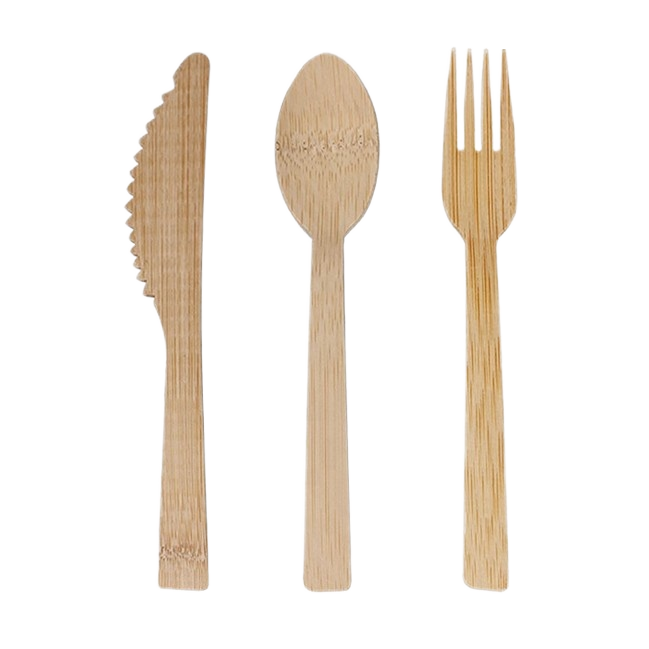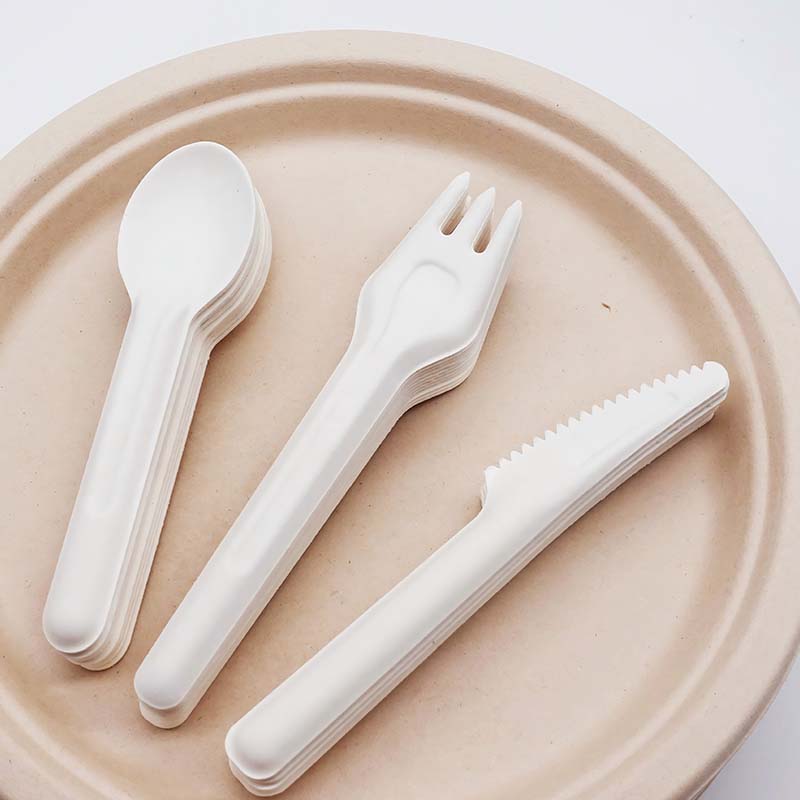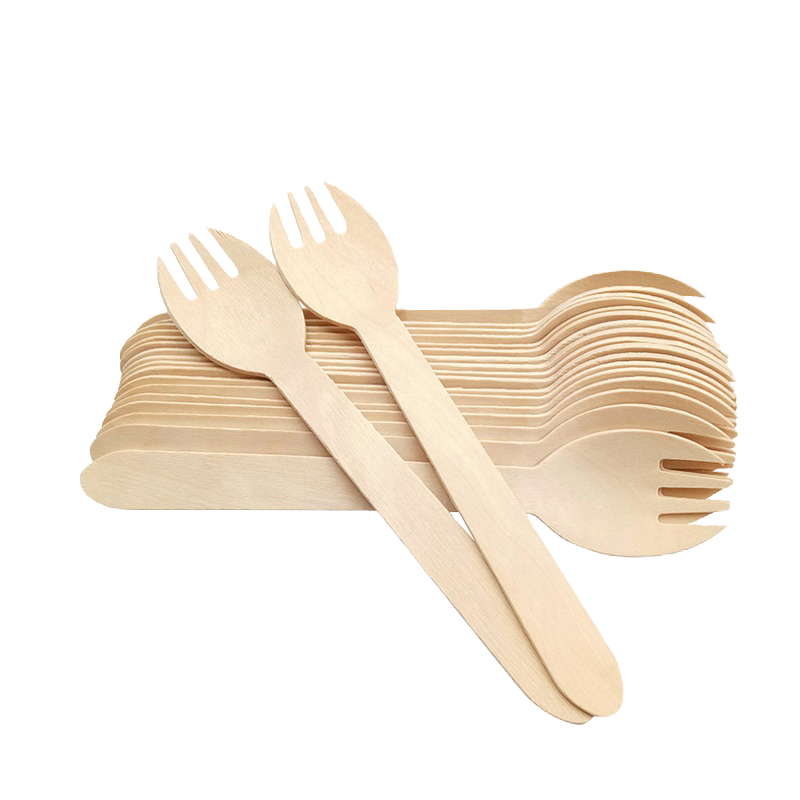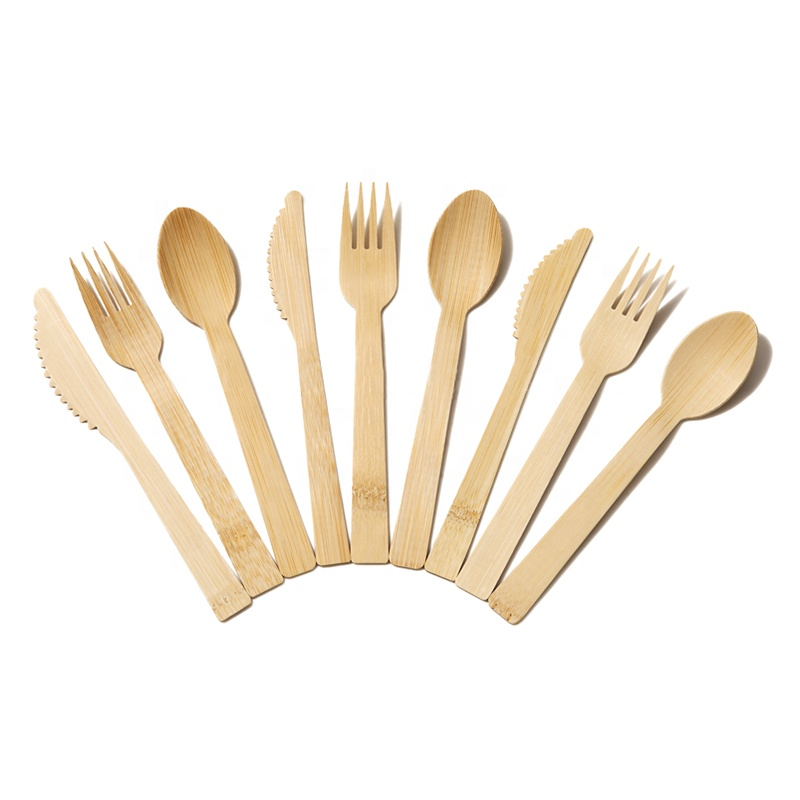


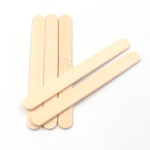
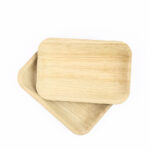

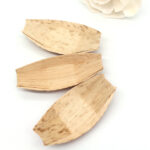








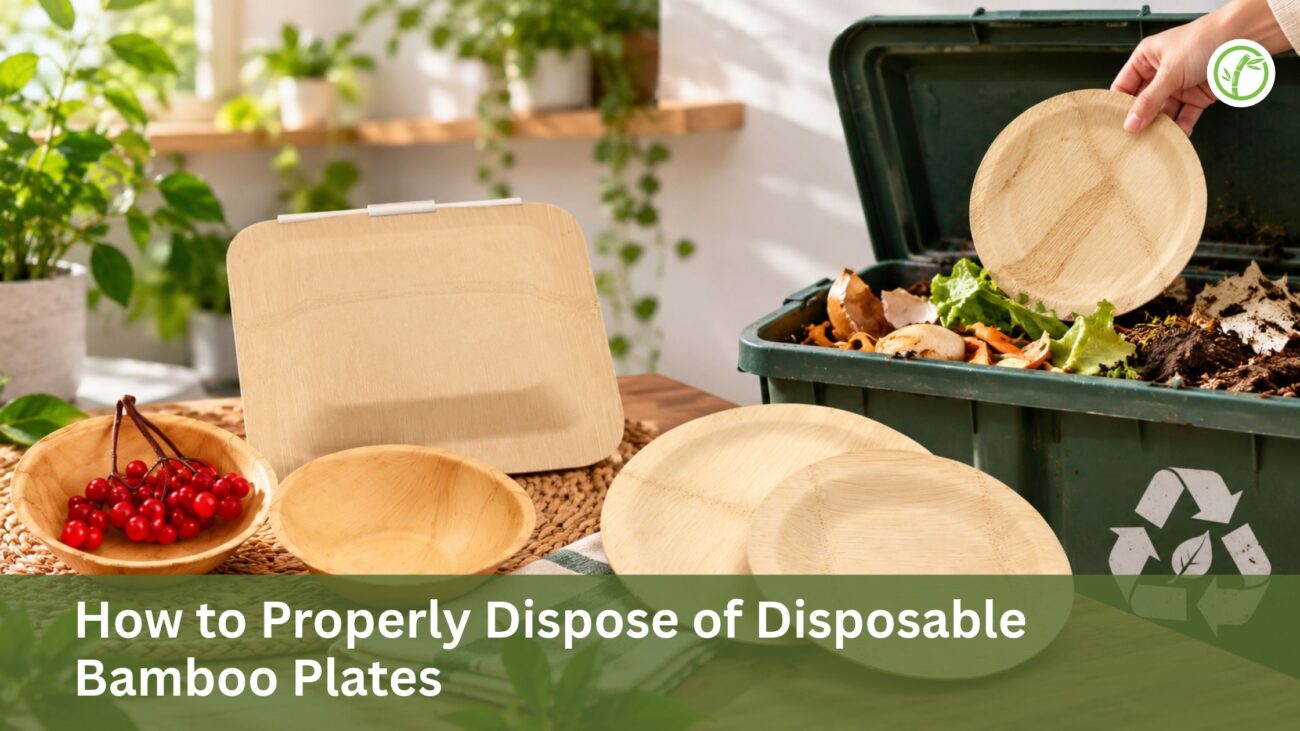
To dispose of disposable bamboo plates properly, scrape off food, then put them in food-waste or organics collection if your area accepts them, or break them up into a home compost pile. If neither is available, they go in general waste, not the recycling bin. Glossy “bamboo fiber” plates bound with melamine are a different product and always go in general waste.
Key takeaways
- Check what you have first. Solid bamboo and bamboo-sheath plates are natural materials; melamine “bamboo fiber” plates are plastic composites.
- Best route: food-waste or organics collection, where your local program accepts plant-based tableware.
- At home: break plates into small pieces and mix them into compost as a carbon-rich “brown” material.
- Not recycling: to dispose of disposable bamboo plates, use organics or general waste; recycling systems are built for paper, plastic, glass, and metal.
- Don’t burn them or leave them outdoors expecting them to break down quickly.
- “Compostable” is a certified claim. A plant-based plate is only labeled compostable if it carries a certificate such as BPI or OK Compost.
What kind of bamboo plate do you have?
“Bamboo plate” covers several products, and they don’t all go in the same bin. Identify yours before you dispose of it.
| Type | How to recognize it | Where it goes |
| Solid pressed bamboo | Thin, light, matte surface with visible bamboo grain | Food-waste collection if accepted; home compost; otherwise general waste |
| Bamboo sheath (skin) | Natural, uneven texture and color; pressed from the outer sheath of the bamboo shoot | Same as solid bamboo |
| Molded bamboo pulp | Smooth, uniform, similar to molded sugarcane fiber | Food-waste collection if accepted; general waste otherwise |
| “Bamboo fiber” with melamine | Hard, glossy, often brightly printed; feels like plastic | General waste only. Not compostable |
| Lacquered or varnished bamboo | Shiny, sealed surface; usually sold as reusable serveware | Keep using it; general waste at end of life |
If the packaging lists “melamine,” “resin” or “bamboo fiber composite,” treat it as plastic. The FDA considers melamine tableware safe for serving but advises against heating food in it in the microwave, and it won’t break down in compost.
What are the ways to dispose of disposable bamboo plates?
There are three real options, in this order of preference.
| Route | When it works | Things to check |
| 1. Food-waste or organics collection | Your city or hauler collects food scraps and accepts plant-based tableware | Read the accepted-items list. Some programs take food only, and some facilities accept only tableware certified compostable |
| 2. Home compost | You have an active compost pile or bin and the plate is solid bamboo or bamboo sheath with no coating | Break plates into small pieces; scrape off meat, dairy and oily food first |
| 3. General waste | No organics collection, no home compost, or the plate is melamine, lacquered or heavily soiled | Plates sent to landfill don’t break down as they would in compost |
| Recycling bin | Not suitable | Recycling streams handle paper, plastic, glass, and metal; bamboo plates contaminate them |
| Burning | Not recommended | Local burning rules apply, and coated plates can release harmful smoke |
If you’re unsure about your local program, search your city’s waste website for “food scraps” or “organics” and look for plates or tableware on the accepted list.
How do you compost disposable bamboo plates at home?
Solid bamboo and bamboo-sheath plates behave like other woody material in a compost pile. The US EPA lists untreated wood chips among the carbon-rich “browns” that a home compost pile needs.
- Scrape off food. Remove meat, fish, dairy and oily leftovers. The EPA notes these attract animals and don’t break down well in a backyard pile.
- Break the plate up. Snap or cut it into small pieces. The EPA advises chopping tough materials before adding them, because smaller pieces break down faster.
- Add it as a brown. Mix the pieces with other browns such as dry leaves. The EPA recommends two to three times the volume of browns to greens such as food scraps.
- Keep it moist and turn it. The pile should feel like a wrung-out sponge. Turning adds air and speeds up breakdown.
- Be patient. Dense plant material takes longer than food scraps. Sieve finished compost and return any unbroken pieces to the next batch.
Only uncoated compostable plates. Skip melamine composites, lacquered or painted plates, and plates with a plastic film.
How should restaurants and events dispose of disposable bamboo plates?
At scale, the result depends on the hauler and on how cleanly guests sort their waste.
- Confirm acceptance in writing. Ask your waste hauler or composter whether they accept bamboo plates, and whether they require certified compostable products.
- Remove plastic from the system. If plates go into an organics bin, the cutlery, picks and cups used with them should be plant-based too. Plastic items in a food-waste load are a contamination problem for composters.
- Label bins with pictures. Show the actual plate, cutlery and food scraps that belong in the organics bin, and what goes in general waste.
- Put bins where people finish eating, not only by the exit or kitchen door.
- Staff the station at peak times at larger events, so items are sorted correctly.
- Match your claims to reality. Only tell guests the plates will be composted if your hauler collects them, and only call them compostable if they’re certified.
For setting up the table and waste station together, see our guide to setting a table with eco-friendly disposable tableware.
Also read – When to Switch to Eco-Friendly Disposable Tableware
What should you avoid when disposing of bamboo plates?
- Don’t put them in the recycling bin. Food-soiled plant material contaminates paper and mixed recycling.
- Don’t burn them in a fire pit or barbecue. Local fire rules often prohibit it, and any coating or food residue produces smoke.
- Don’t leave them outdoors expecting them to disappear. A plate left on the ground breaks down slowly and counts as litter in the meantime.
- Don’t flush them or put them down a garbage disposal.
- Don’t compost melamine “bamboo” plates. They’re plastic composites and belong in general waste.
- Don’t assume “biodegradable” means compostable. The words mean different things; our guide to bio-based, biodegradable and compostable materials explains the difference.
What about Friendly Bamboo’s disposable bamboo plates?
Friendly Bamboo’s bamboo plates come in 7, 9 and 10 inches and are made for serving and presentation, with short warm-ups only. To be clear about their status:
- Material: plant-based bamboo, with FSC chain of custody certificate RR-COC-003046.
- Food contact: FDA, LFGB and EN 13130 food-contact test reports.
- Compostability: they don’t currently carry a BPI or OK compost certificate. They can go into food-waste collection where your local program accepts uncertified plant-based tableware, or into a home compost pile. If your program accepts only certified items, they go in general waste.
If you resell the plates, describe them as bamboo plates rather than compostable plates unless a certificate covers them.
For other plate materials and what their labels mean, see our guide to eco-friendly disposable plates. For heating guidance, see whether disposable plates are microwave-safe.
Supplying bamboo plates to customers who ask how to dispose of disposable bamboo plates?
Friendly Bamboo manufactures solid bamboo plates in 7, 9 and 10 inches, alongside bamboo cutlery, skewers and picks, with free samples and bulk supply. Browse our bamboo plates range or request a quote.
Frequently asked questions
Scrape off food, then use food-waste or organics collection if your local program accepts plant-based tableware, or break the plates into a home compost pile. Otherwise, put them in general waste. Don’t put them in the recycling bin.
Yes, if they’re solid bamboo or bamboo sheath with no coating. Break them into small pieces, scrape off meat, dairy and oily food, and mix them in as a carbon-rich brown material. They take longer to break down than food scraps.
No. Recycling streams handle paper, plastic, glass and metal, and food-soiled plant material contaminates them.
Not if they’re made with melamine resin. Glossy, hard “bamboo fiber” plates are plastic composites and belong in general waste.
Solid bamboo plates are plant-based and break down in compost. A plate can only be labeled compostable if it carries a certificate such as BPI or OK compost for that exact product.