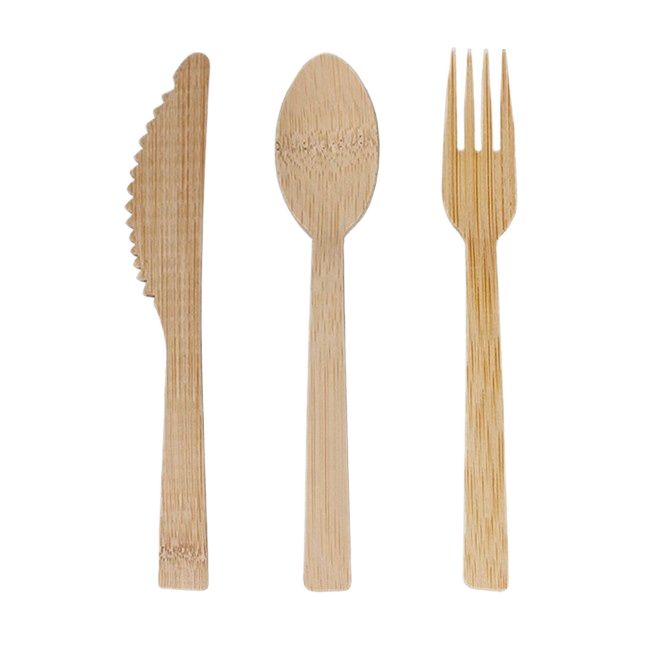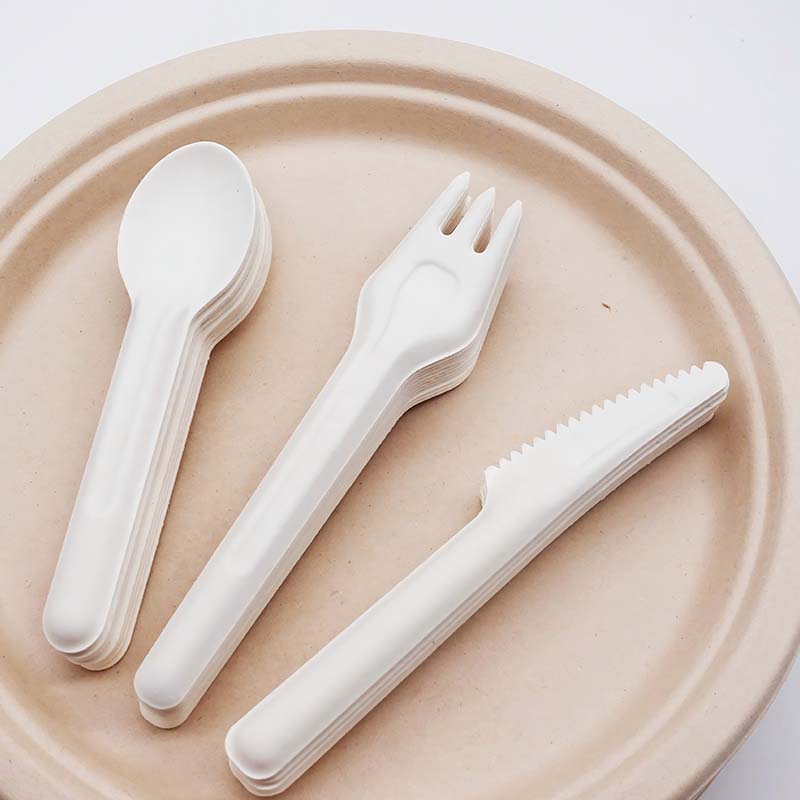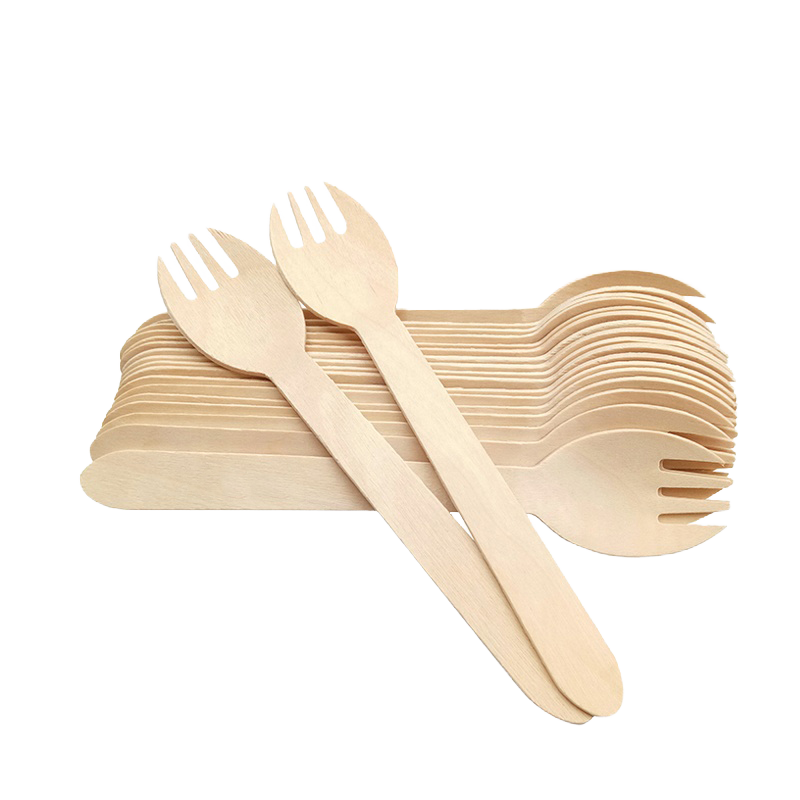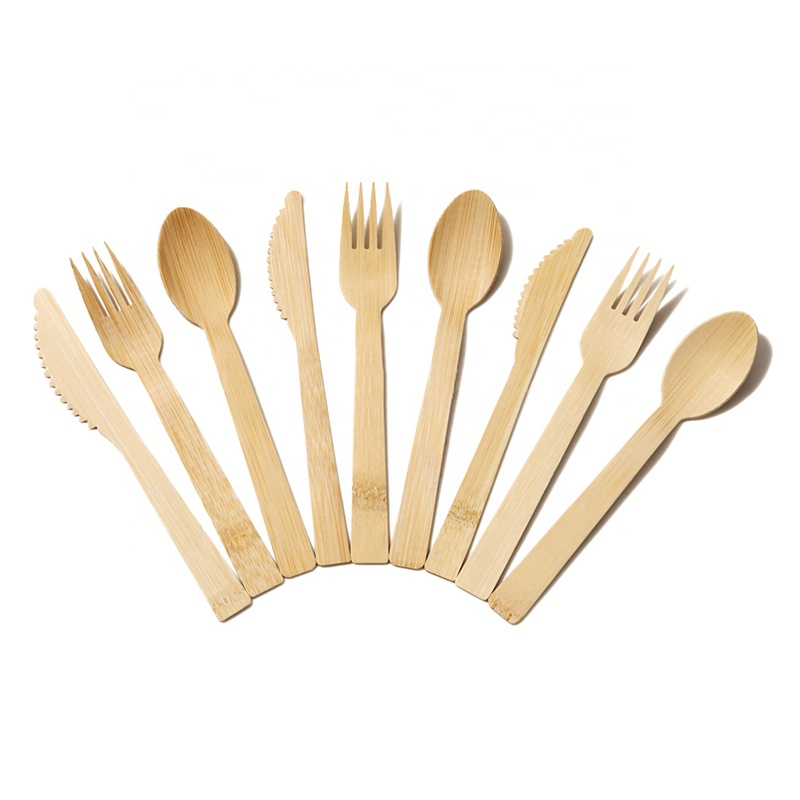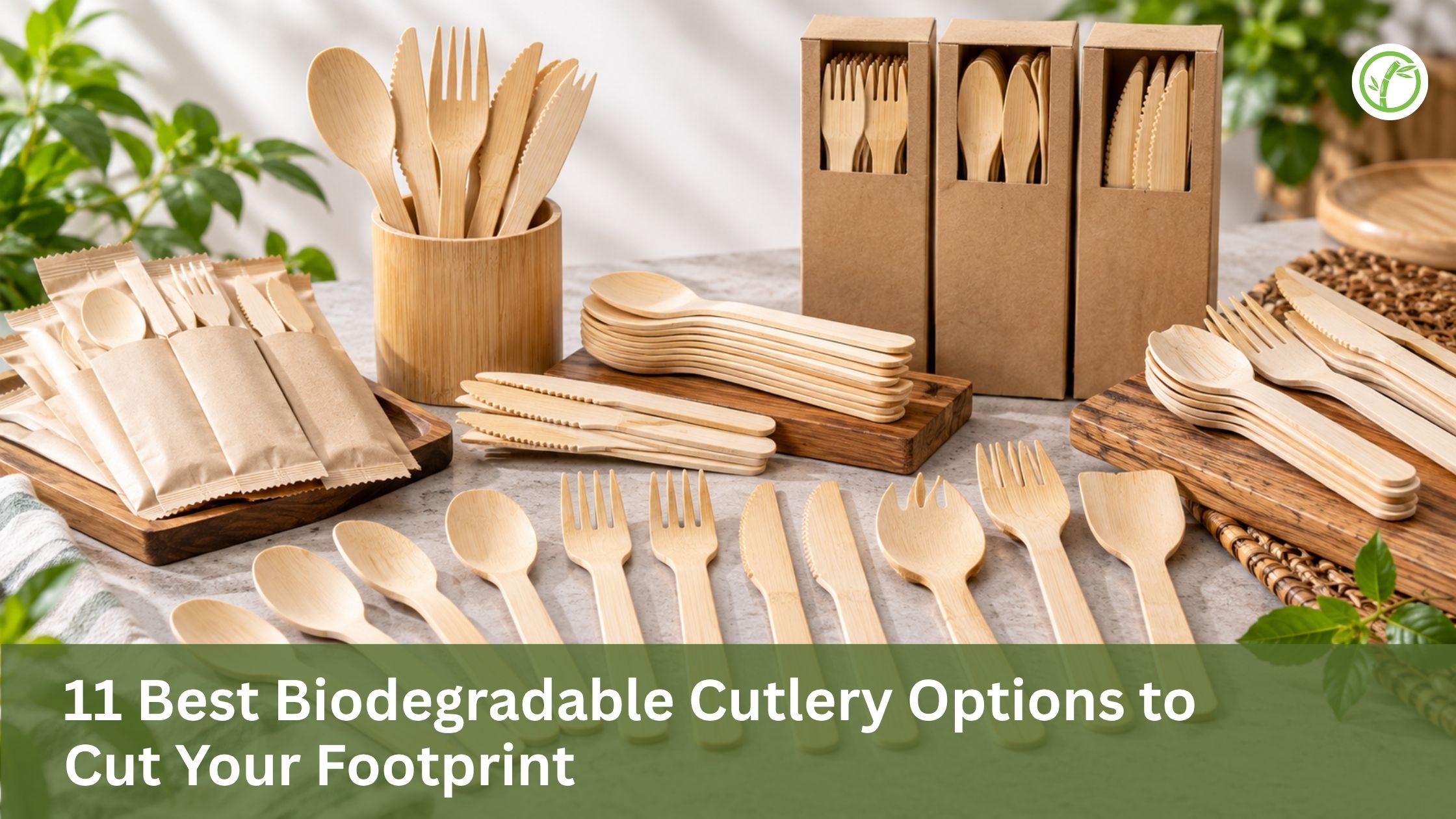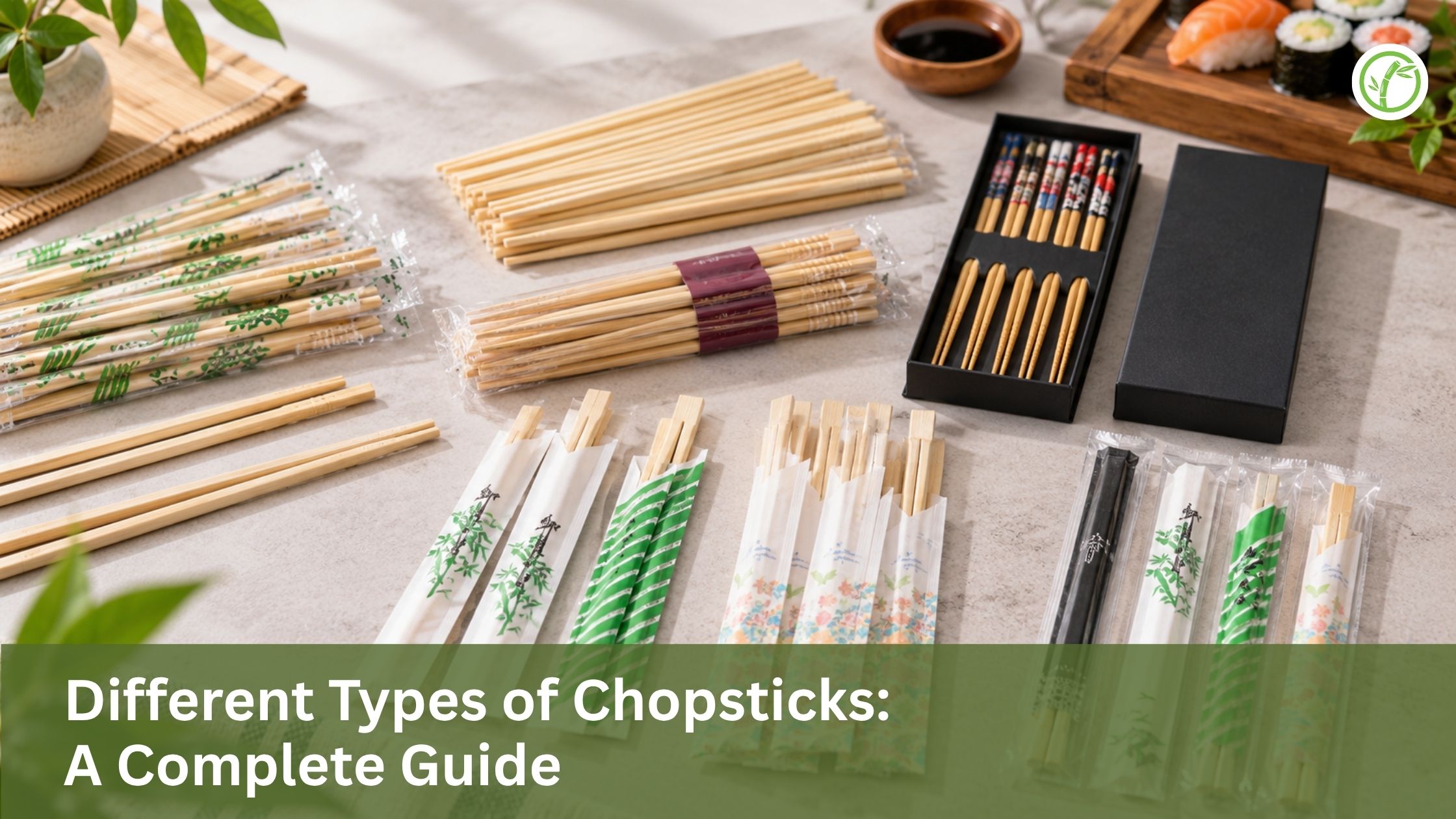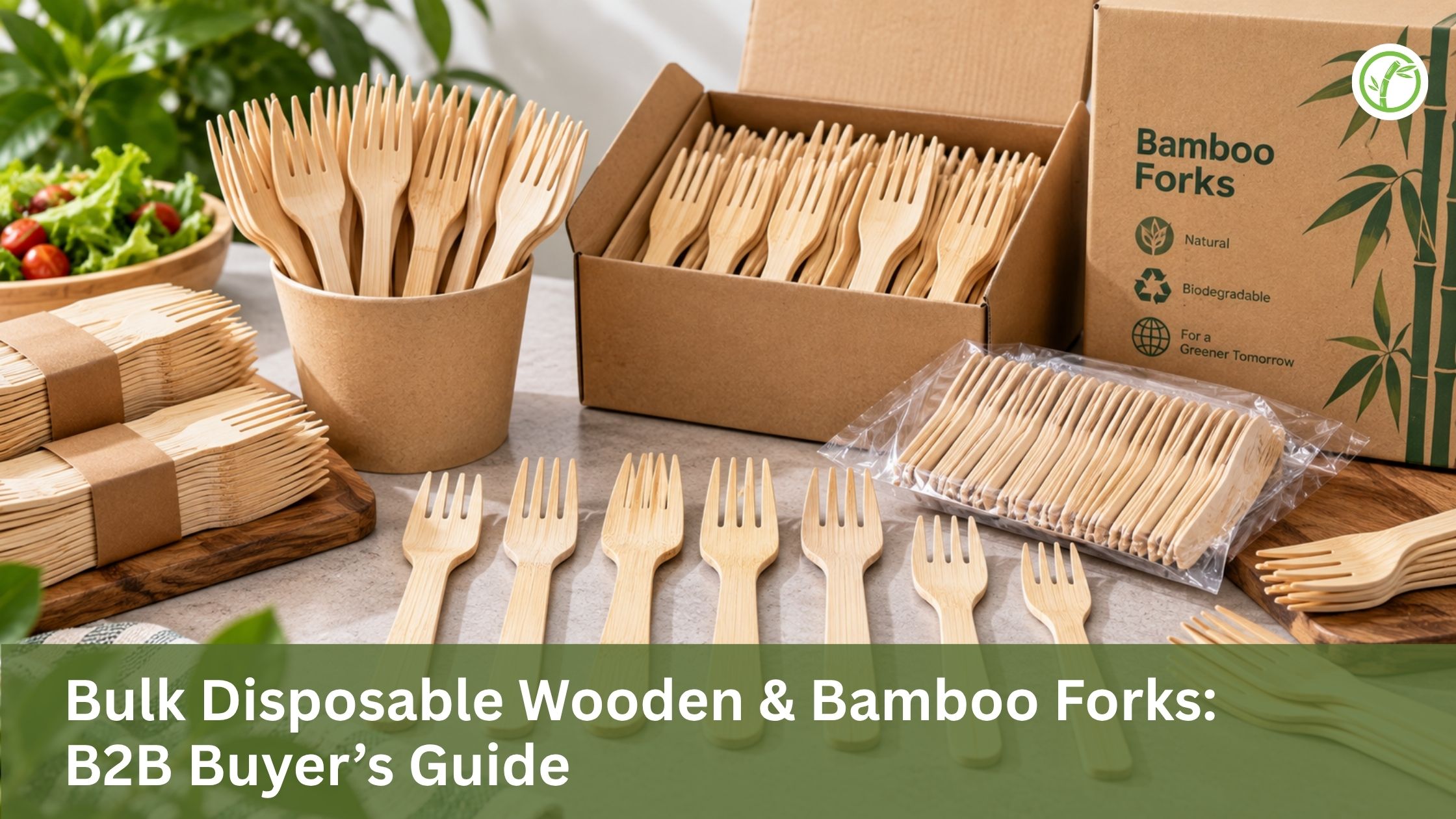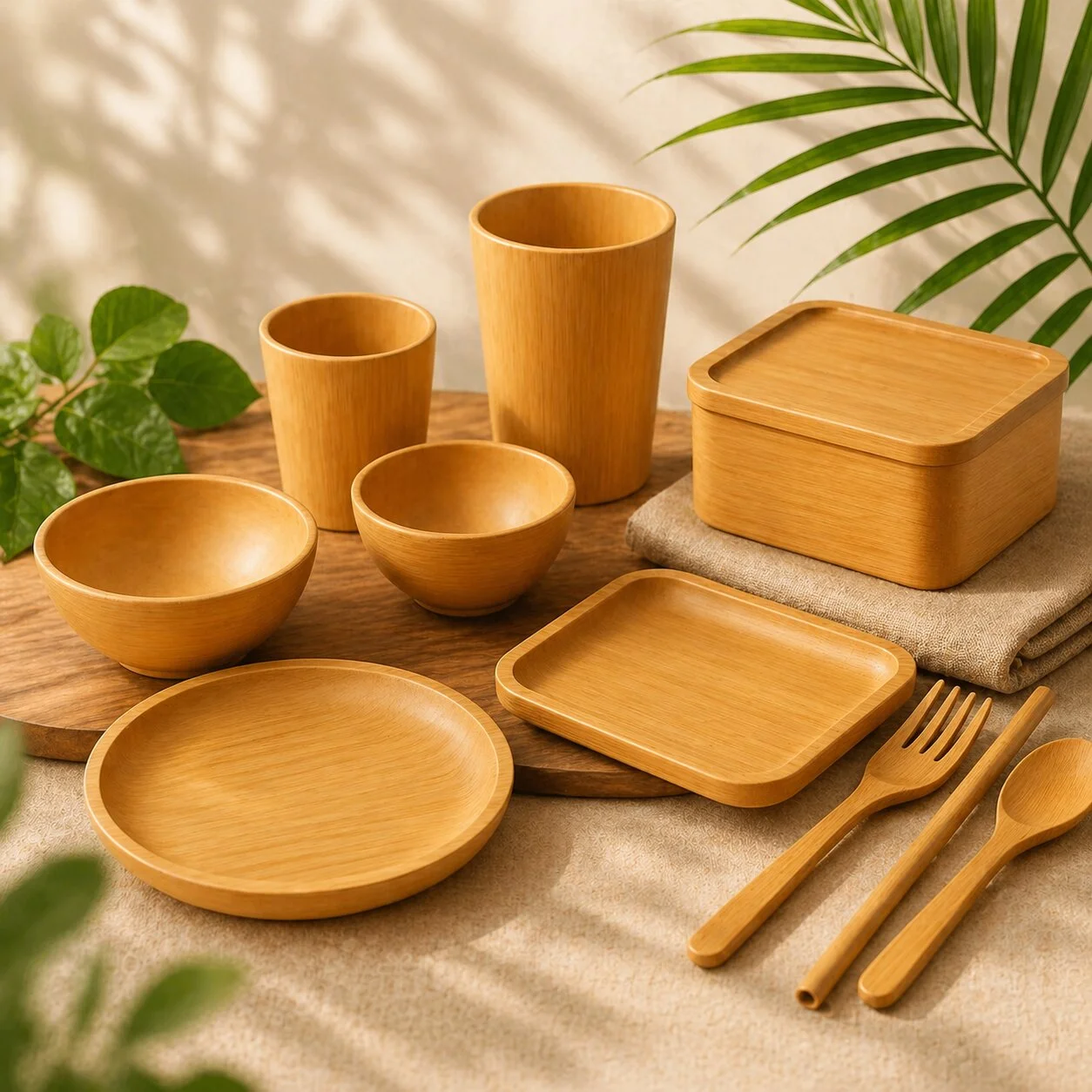
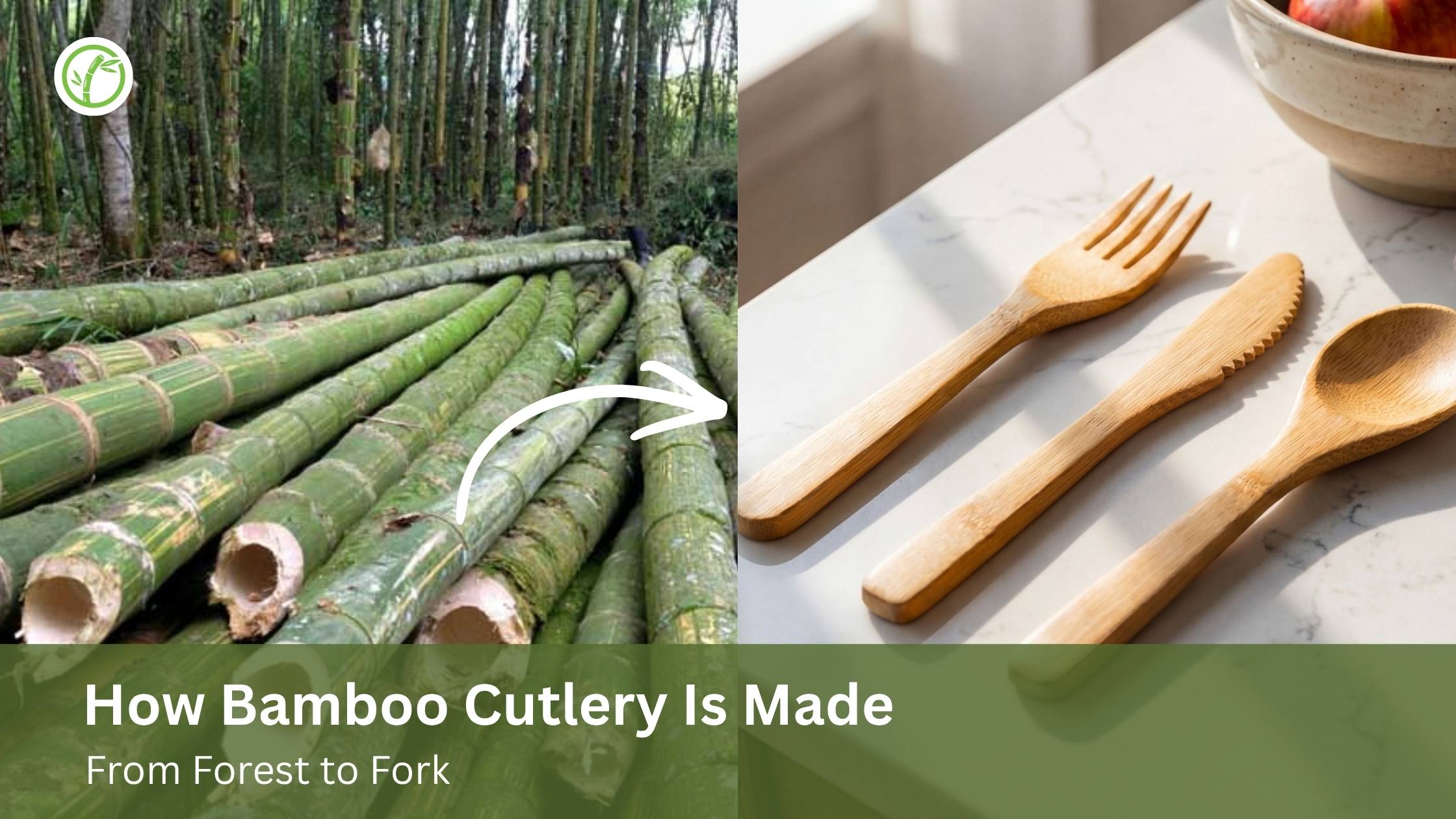
When you hold a bamboo fork, it looks simple. A natural material shaped into a familiar form. But behind that simplicity is a manufacturing process that requires precision at every stage — because getting it wrong means splinters, mould, weak products, and failed quality inspections.
Understanding how bamboo cutlery is made helps you evaluate suppliers, ask the right questions, and identify the difference between a premium product and a cheap imitation.
Stage 1: Harvesting
It starts in bamboo forests, primarily in southern China’s Fujian, Anhui, and Sichuan provinces, where Moso bamboo (Phyllostachys edulis) grows in abundance.
Moso bamboo reaches full maturity in three to five years. Responsible manufacturers harvest bamboo at five years or older, when the culms have maximum density and hardness. This maturity directly affects the finished product — young bamboo produces weaker, more porous cutlery that splinters easily and has a shorter shelf life.
Insight: Bamboo is one of the only raw materials used in food packaging that regenerates without replanting. When a bamboo culm is cut, the root system remains alive and sends up new shoots within weeks. A well-managed bamboo forest can be harvested continuously without any loss of forest cover — which is why FSC certification for bamboo verifies sustainable management rather than replanting commitments.
Harvested culms are transported to the processing facility, where they are cleaned and inspected for defects, pest damage, or premature decay.
Stage 2: Splitting and Planing
The bamboo culms are split lengthwise into slabs using mechanical splitters. These slabs are then planed — a process that shaves them into uniform strips of consistent width and thickness.
The target thickness for cutlery strips is typically 1.5mm to 2.5mm, depending on the final product. Fork and knife blanks require thinner strips. Spoon blanks require slightly thicker material to accommodate the bowl depth.
Precision at this stage determines consistency across the finished batch. Even minor variations in strip thickness produce uneven cutlery — forks with one tine thicker than the others, or spoons with lopsided bowls. Quality manufacturers use CNC-guided planing machines rather than manual tools to maintain tolerances.
Stage 3: Steaming and Sterilisation
The planed strips are steamed at high temperatures — typically above 120°C — for several hours. This step serves three purposes.
It removes natural sugars and starches from the bamboo. These organic compounds attract insects and can cause discolouration over time if left in the material. Steaming eliminates them.
It kills bacteria, fungi, and any organisms present in the raw bamboo. This is the primary sterilisation step and is critical for food-safety compliance.
It slightly softens the bamboo fibres, making them more receptive to the hot-pressing that follows. The steamed strips are more pliable and bond more effectively under heat and pressure.
Insight: The steaming process is what gives quality bamboo cutlery its characteristic light golden colour. If you see bamboo products that are very pale or nearly white, they may have been chemically bleached — a process that reputable manufacturers avoid because it introduces chemicals to a product designed to be chemical-free.
Stage 4: Drying
After steaming, the strips are dried under controlled conditions to bring the moisture content down to between 6 and 10 percent.
This is one of the most critical quality control points in the entire process. Too much moisture and the finished cutlery will warp, develop mould during storage, or swell and become unusable. Too little moisture and the bamboo becomes brittle, cracking during the pressing stage or under normal use.
Quality manufacturers use kiln drying with precise temperature and humidity monitoring. The drying cycle takes 12 to 48 hours depending on the strip thickness and ambient conditions. Moisture content is verified with electronic moisture meters before the strips move to the next stage.
Stage 5: Cutting and Blanking
The dried strips are cut into rough blanks — the approximate shapes of forks, knives, spoons, and sporks — using CNC cutting machines or laser cutters.
CNC cutting produces clean, repeatable shapes with minimal waste. Laser cutting offers even greater precision for detailed shapes like fork tines and knife serrations, but is slower and more expensive. Most high-volume manufacturers use CNC for standard products and reserve laser cutting for custom shapes or premium lines.
Stage 6: Hot-Press Forming
This is where strips become cutlery.
The blanks are placed into metal moulds and subjected to high heat (typically 150°C to 200°C) and mechanical pressure. The combination of heat and pressure compresses the bamboo fibres into their final shape — the curve of a spoon bowl, the tines of a fork, the edge of a knife.
Insight: No adhesives, glues, or binding agents are used in this process. The heat and pressure alone bond the bamboo fibres. This is fundamentally different from bamboo-fibre composite products (like some plates and bowls), which use melamine resin as a binder. Disposable bamboo cutlery made by hot-pressing is a solid bamboo product — no resins, no composites, no chemicals.
The hot-press cycle takes seconds per piece, allowing high-volume production. A single press line can produce thousands of pieces per hour.
Stage 7: Sanding and Finishing
Every piece is sanded to a smooth finish, removing any rough edges, burrs, or surface imperfections. This step is what prevents splinters — the number one customer complaint with poorly manufactured bamboo cutlery.
Quality control at this stage includes the stocking test: running each piece across fine nylon fabric. If the cutlery catches or snags, it fails inspection and goes back for additional sanding. Automated inspection systems supplement manual checks in high-volume facilities.
The finished pieces are then dried once more to remove any moisture introduced during sanding, and packaged for shipment.
What Is NOT in the Process
No bleaches. No synthetic coatings. No chemical preservatives. No adhesives. No melamina. No PFAS.
The entire process is mechanical and thermal. This is what makes bamboo cutlery genuinely food-safe and compostable. When you ask a supplier how their products are made and they describe this process, you are looking at a legitimate manufacturer.